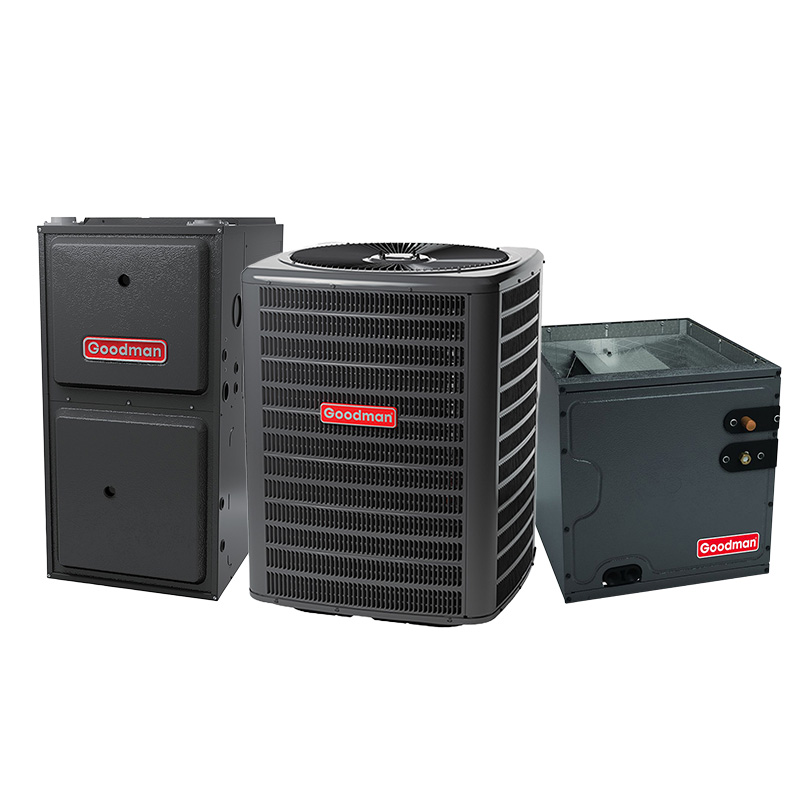
Goodman 2.5 Ton 15.2 SEER2 AC & Gas Furnace System – Modulating Variable-Speed, 80000 BTU Gas Furnace, 97% AFUE, Upflow, R32
View on AC Direct see your lowest price →Check current price on AC Direct →
Key features
- 15.2 SEER2 variable-speed cooling for reduced energy bills vs. standard 14 SEER2 equipment
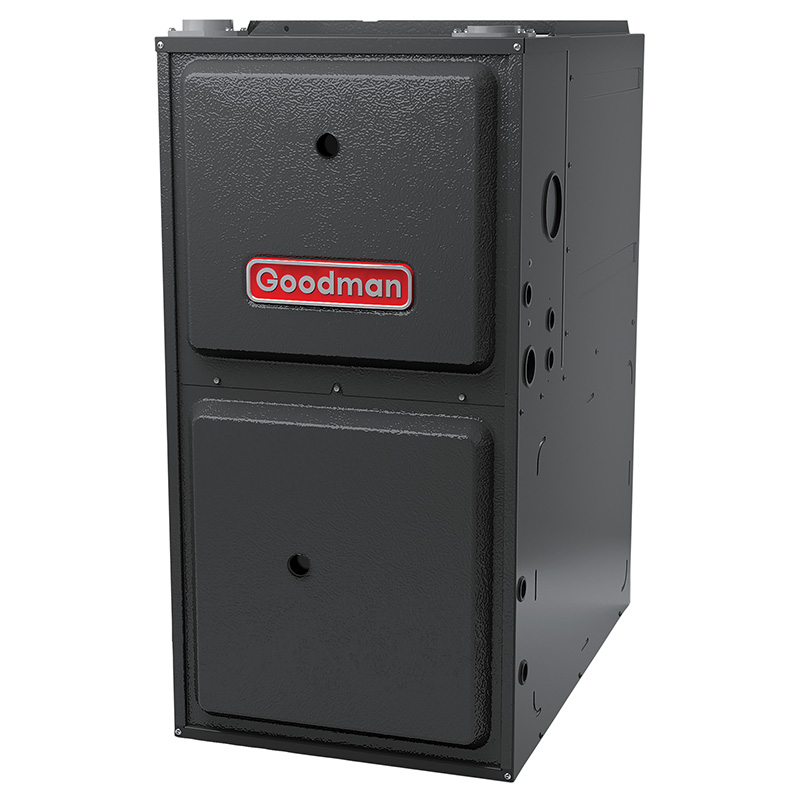
- 97% AFUE modulating gas furnace converts nearly all fuel to usable heat
- R-32 refrigerant with lower global warming potential than R-410A
- Variable-speed ECM blower motor for quieter operation and more consistent temperatures
- Upflow configuration designed for homes with attic or overhead duct systems
- Priced 15 to 25 percent below comparable Trane, Lennox, and Carrier systems
About this system
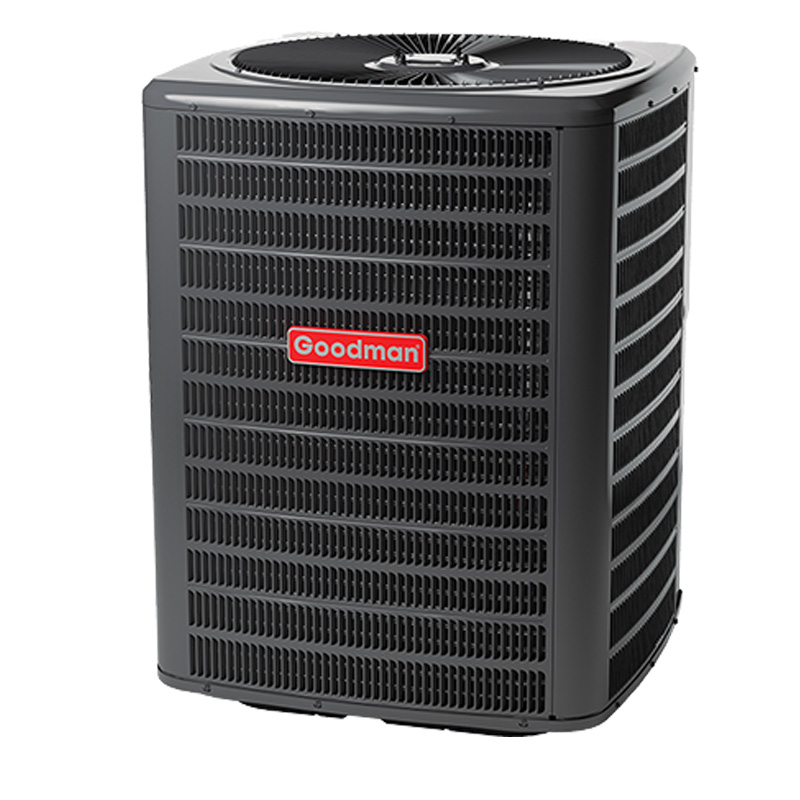
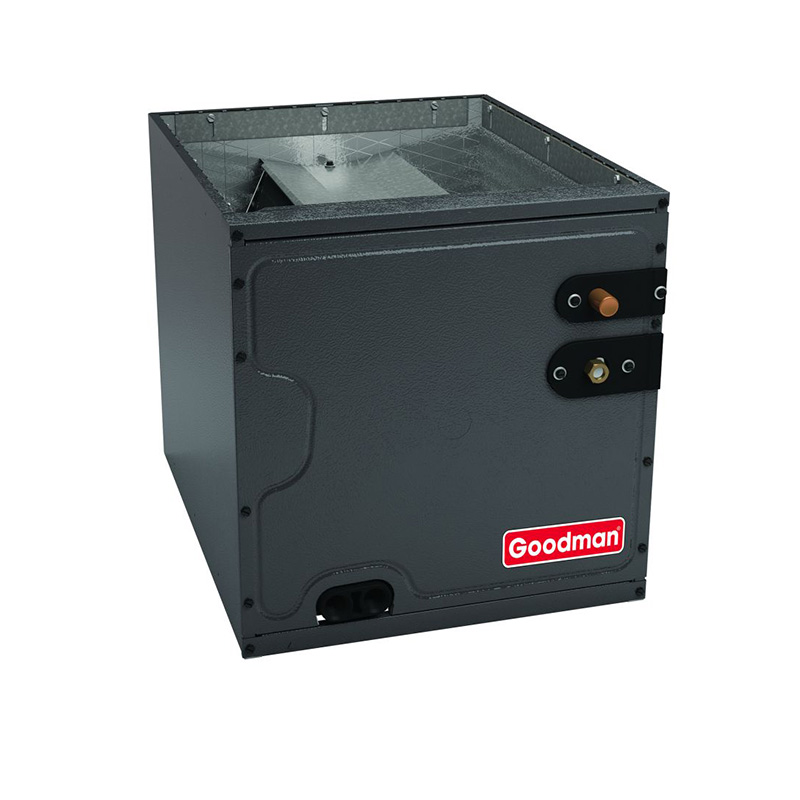
The Goodman GLXS5BA3010D pairs a 2.5-ton, 15.2 SEER2 variable-speed air conditioner with an 80,000 BTU, 97% AFUE modulating gas furnace in an upflow configuration. That 97% AFUE rating puts the furnace near the top of the efficiency tier, meaning only about three cents of every dollar spent on gas escapes as waste heat rather than warming your home. The modulating burner and variable-speed blower work together to maintain steadier indoor temperatures and humidity levels compared to single-stage or two-stage equipment, which cycles on and off more abruptly. R-32 refrigerant replaces the older R-410A in this system, offering a lower global warming potential and slightly better thermodynamic efficiency at the same charge volume.
This system targets homeowners in mid-size houses, roughly 1,200 to 1,800 square feet depending on insulation and climate zone, who want near-premium efficiency without paying near-premium prices. The upflow configuration means the furnace pulls return air from the bottom and discharges conditioned air upward, which suits homes where ductwork runs through an attic or upper floors. Because Goodman prices 15 to 25 percent below Trane, Carrier, and Lennox on comparable equipment, buyers willing to budget carefully for a qualified installer and keep up with basic maintenance can land high-efficiency comfort at a meaningful savings. The trade-off is a brand track record that is more mixed than its larger competitors, so this system rewards buyers who go in clear-eyed about that reality.
The Goodman GLXS5BA3010D delivers genuinely high-efficiency performance at a price point that undercuts major competitors by a meaningful margin, making it a legitimate option for budget-conscious buyers who prioritize spec-per-dollar. However, Goodman's documented reliability history, including capacitor failures, evaporator coil leaks, and compressor lifespans that trail premium brands, means the long-term value calculation depends heavily on install quality and your willingness to absorb potential repair costs after year seven or so. It is a strong buy when installed by a skilled contractor and a risky one when corners are cut.
Overall score is the average of the five ratings above.
What we like
- 97% AFUE furnace rating is among the highest available and delivers real heating cost savings
- 15.2 SEER2 variable-speed cooling beats the federal minimum by a solid margin
- Modulating operation provides more consistent comfort and better humidity control than single-stage systems
- R-32 refrigerant is more environmentally responsible and becoming the industry standard
- Purchase price runs 15 to 25 percent below comparable premium-brand systems
Trade-offs
- Dual-run capacitors are the most frequently reported failure point, typically adding a repair bill in the $300 to $600 range within the first decade
- Evaporator coil leaks appear in a notable share of owner reviews and can be a costly repair outside warranty
- Compressor lifespan averages 10 to 14 years versus 15 to 20 years for premium competitors, shortening the replacement cycle
- ConsumerAffairs scores average around 2.5 out of 5, with repair costs after year seven as the recurring complaint theme
What homeowners and pros say about Goodman
Homeowners who chose a Goodman system frequently point to the purchase price as the deciding factor, and Google dealer reviews averaging around 3.8 out of 5 reflect that satisfaction is often tied to affordability and getting the job done at a lower cost than competing brands. When the install goes well and a service agreement is in place, many owners report years of trouble-free operation. The picture shifts in consumer complaint channels, however, where ConsumerAffairs scores sit at roughly 2.5 out of 5 and the recurring theme is repair costs that start to accumulate after year seven or so. That gap between the two scores says a lot: buyers who have a good contractor and budget for maintenance tend to be satisfied, while those who encounter problems without a service plan feel the brand’s reliability shortcomings more acutely.
HVAC technicians who work on Goodman equipment regularly note that the brand performs reliably in the early years but has a few known weak points worth preparing for. Dual-run capacitors are the most commonly replaced component, a relatively inexpensive repair but one that comes up often enough to be predictable. Evaporator coil leaks are a more serious issue that shows up in a meaningful share of owner reviews, and coil replacements are substantially more costly. Compressor longevity is another honest concern: Goodman compressors tend to average 10 to 14 years of service life, which is noticeably shorter than the 15 to 20 years many technicians see from premium-brand compressors. A minority of first-year refrigerant leak reports also surface in owner feedback, and experienced techs point to charge and install issues as the usual culprit rather than a factory defect. For the GLXS5BA3010D specifically, the high-efficiency furnace and variable-speed components are genuinely capable pieces of equipment, and the R-32 refrigerant is a forward-looking choice. Getting the most from them means prioritizing a thorough, quality installation above nearly everything else.
Sources: ConsumerAffairs Goodman owner reviews, AHRI Directory of Certified Product Performance, U.S. DOE appliance and equipment efficiency standards, Goodman product specification sheets.
What it costs to run
At 15.2 SEER2, cooling this 2.5-ton system for a typical 1200-hour cooling season at the U.S. average electricity rate of $0.17/kWh works out to roughly $403 per year in cooling, about $54 less per year than a minimum-efficiency 13.4 SEER2 unit of the same size. Your real cost depends on your climate and local rate.
Method: (30,000 BTU/hr ÷ 15.2 SEER2) × 1200 hours ÷ 1000 × $0.17/kWh. Rate source: U.S. EIA average; cooling hours: moderate-climate estimate.
How it compares
| Brand | Comparable model | SEER2 | Stage | Price position |
|---|---|---|---|---|
| Goodman | GLXS5BA3010D | 15.2 | Variable | Value pick |
| Carrier | Comfort 15 Series (24ACC636) | 15.2 | Single-stage | Typically 15 to 25 percent more than Goodman |
| Trane | XR15 Series | 15.0 | Single-stage | Typically 15 to 25 percent more than Goodman |
| Lennox | Merit 14ACX Series | 15.0 | Single-stage | Typically 15 to 25 percent more than Goodman |
Competitor rows are comparable single-stage units at similar efficiency; price is relative position, not a quote.
Questions about this system
Does the 97% AFUE rating actually show up in lower gas bills, or is it mostly a marketing number?
The savings are real but depend on your local gas rates and how cold your winters are. Compared to an 80% AFUE furnace, a 97% AFUE unit converts 17 more cents of every dollar of gas into heat, so the gap is significant over a full heating season in colder climates. In mild climates with short winters, the payback period on the higher upfront cost stretches out considerably.
My home has R-410A refrigerant in the old system. Can I just swap in this R-32 unit?
No, R-32 and R-410A are not interchangeable, and a new R-32 system requires compatible line sets, fittings, and a certified technician trained to handle R-32. In most cases the refrigerant lines will need to be flushed or replaced, and your contractor must verify that all components are R-32 rated before charging the system.
How often do the dual-run capacitors actually fail, and is it a big deal to fix?
Capacitor failure is the single most commonly reported repair on Goodman AC units and can happen anywhere from year three onward. The good news is it is one of the cheaper HVAC repairs, typically $300 to $600 including labor, and a skilled technician can usually complete it in under an hour. Keeping a service agreement in place helps catch a weakening capacitor before it causes a full system shutdown.
What warranty comes with this system, and what do I need to do to keep it valid?
Goodman offers a 10-year parts warranty when the system is registered within 60 days of installation by a licensed contractor. Skipping registration or having an unlicensed installer do the work typically drops coverage to five years. The warranty covers parts but not labor, so factor in potential labor costs for any claim that falls outside a service agreement.
Is an upflow furnace the right configuration for my house, or should I ask about a different orientation?
Upflow is the correct choice if your furnace sits in a basement, utility closet, or ground-level mechanical room and your supply ducts run upward through the ceiling or into an attic. If your ductwork runs below the unit or the furnace needs to sit horizontally in a tight crawlspace, you would need a downflow or horizontal configuration instead. Your contractor should verify the orientation before you purchase.
Specifications
| Cooling capacity | 2.5 Ton |
| Efficiency | 15.2 SEER2 |
| Furnace output | 80000 BTU |
| Furnace efficiency | 97% AFUE |
| Configuration | Upflow |
| Refrigerant | R-32 |
| Model | GLXS5BA3010D |