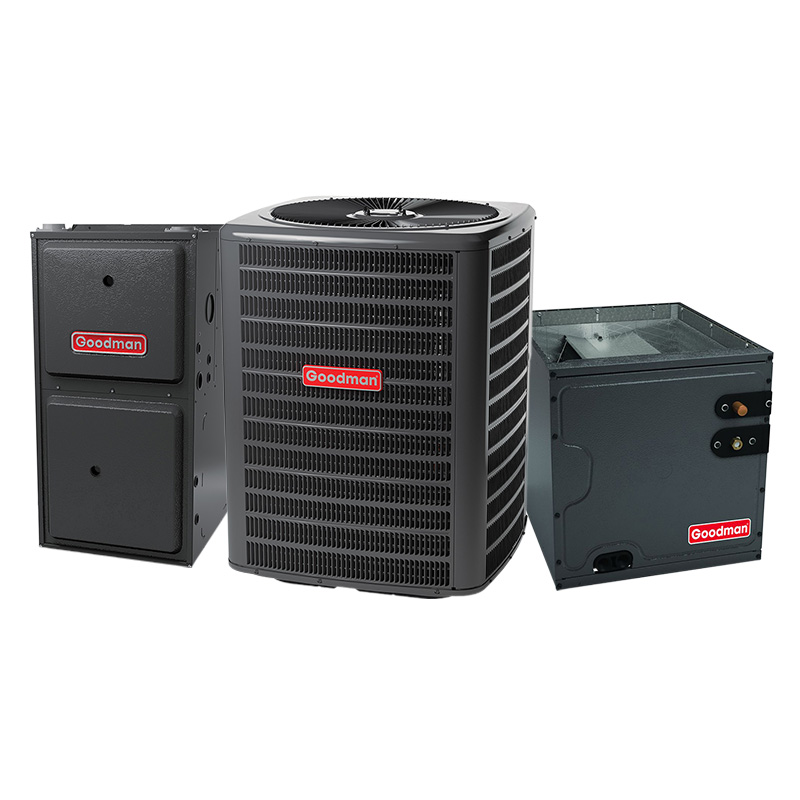
Goodman 2.5 Ton 15.2 SEER2 AC & Gas Furnace System – Multi-Speed, 100000 BTU Gas Furnace, 92% AFUE, Upflow, R32
View on AC Direct see your lowest price →Check current price on AC Direct →
Key features
- 2.5-ton cooling capacity with 15.2 SEER2 efficiency rating
- 100,000 BTU gas furnace at 92% AFUE for above-minimum heating efficiency
- Multi-speed blower motor for improved comfort and humidity control versus single-speed
- Upflow configuration designed for basement or ground-level mechanical room installs
- R-32 refrigerant with lower global-warming potential than R-410A
- Matched system design intended to simplify AHJ and utility rebate qualification
About this system
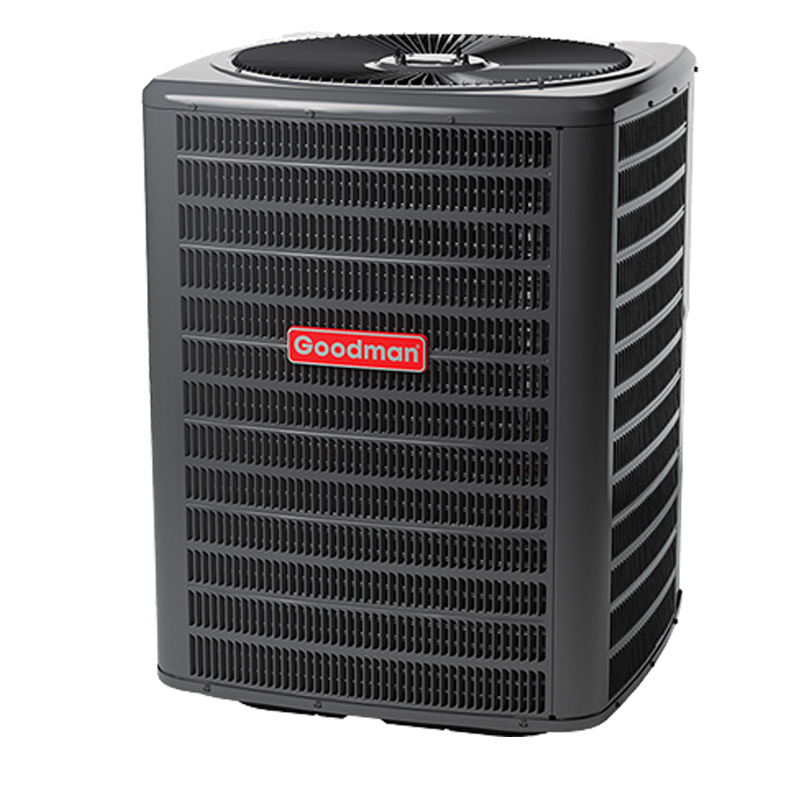
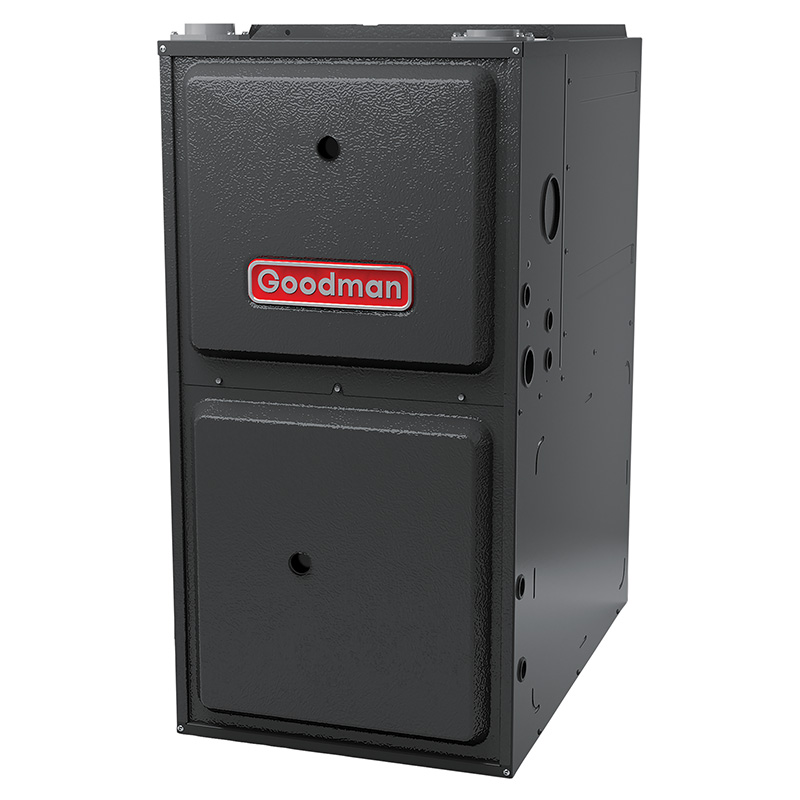
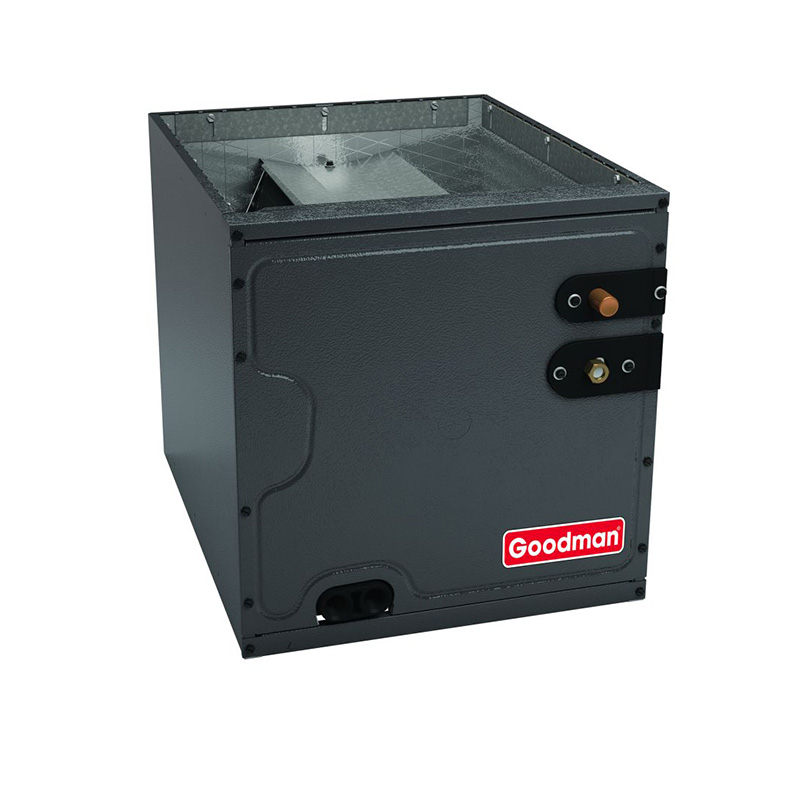
The Goodman GLXS4BA3010 pairs a 2.5-ton, 15.2 SEER2 air conditioner with a 100,000 BTU, 92% AFUE upflow gas furnace in an R-32 refrigerant platform. That efficiency tier sits just above the federal minimum for most U.S. climate zones, meaning you get a meaningful efficiency step up from entry-level equipment without paying for the premium tiers that top out near 18 or 20 SEER2. R-32 is a lower-global-warming-potential refrigerant that is increasingly standard across the industry, and it operates at slightly higher pressures than R-410A, so any future service work requires a certified technician familiar with the refrigerant. The multi-speed furnace blower gives the system more flexibility than a single-speed unit, helping with humidity management and more even air distribution throughout the home.
At 2.5 tons and 100,000 BTU of heat, this system is sized for roughly 1,200 to 1,800 square feet of conditioned space in a moderately insulated home, though a proper Manual J load calculation by your installer is the only reliable way to confirm sizing. The upflow configuration means the furnace discharges conditioned air upward through supply ductwork, which suits homes with the air handler in a basement, utility closet, or ground-floor mechanical room. Buyers who prioritize keeping upfront costs manageable and are comfortable with the trade-offs of a value-tier brand will find the most alignment here. It is less well suited to buyers who want premium longevity assurances or who are in markets where labor costs make future service calls expensive.
The Goodman GLXS4BA3010 delivers a workable efficiency package at a price point that is genuinely 15 to 25 percent below comparable Trane, Carrier, or Lennox systems, making it a reasonable choice for budget-conscious buyers who understand they are accepting somewhat shorter expected component life and a complaint-heavier owner track record. Installation quality matters more with this brand than most, and buyers should factor likely capacitor replacement and possible coil service into their long-term cost picture. It earns its place as a value pick, not a premium one.
Overall score is the average of the five ratings above.
What we like
- Priced 15 to 25 percent below Trane, Carrier, and Lennox equivalents, reducing upfront cost significantly
- 15.2 SEER2 clears the federal minimum threshold and may qualify for utility rebates in many regions
- 92% AFUE furnace offers above-minimum heating efficiency without moving into the condensing furnace price tier
- Multi-speed blower improves dehumidification and temperature evenness compared to single-speed alternatives
- R-32 refrigerant aligns with the industry's regulatory direction and avoids R-410A supply concerns
Trade-offs
- Compressor lifespan averages 10 to 14 years versus 15 to 20 years reported for premium brands, raising long-run replacement cost
- Dual-run capacitor failures are the most commonly documented issue, typically surfacing within the first several years of use
- A meaningful share of owners report evaporator coil leaks, which can be a more costly repair than a capacitor swap
- ConsumerAffairs scores average around 2.5 out of 5, with repair cost complaints becoming more frequent after roughly year 7
What homeowners and pros say about Goodman
Homeowners who have lived with Goodman equipment tend to land in one of two camps. Those who had a skilled installer and kept up with basic maintenance, mainly annual tune-ups and prompt capacitor swaps when needed, often report satisfactory service for 10 to 12 years with modest out-of-pocket costs. That aligns with the Google dealer review average of around 3.8 out of 5, where affordability is the praise that comes up most consistently. The picture that emerges from ConsumerAffairs is less encouraging: scores there average around 2.5 out of 5, and the complaints follow a recognizable pattern of repair bills climbing after roughly year 7, with evaporator coil leaks and compressor issues cited as the more expensive problems owners encounter.
HVAC technicians are generally candid that Goodman’s component quality, particularly dual-run capacitors, is more susceptible to premature failure than what they see in premium-brand equipment. Capacitor replacements are low-cost calls, but coil leaks and compressor failures are not. The compressor lifespan question is the one that matters most for this specific system: documented averages of 10 to 14 years versus 15 to 20 years for Trane, Carrier, and Lennox equipment means that over a 20-year ownership horizon, the lower purchase price can erode. For the GLXS4BA3010 specifically, technicians point out that R-32 service requires proper certification and that charge accuracy at installation is critical, since a minority of first-year refrigerant leak reports trace back to install or charge problems rather than manufacturing defects. The short version from the field is that Goodman rewards a good installer and punishes a careless one more than most brands do.
Sources: ConsumerAffairs Goodman owner reviews, AHRI Directory of Certified Product Performance, U.S. DOE appliance and equipment efficiency standards, Goodman product specification sheets.
What it costs to run
At 15.2 SEER2, cooling this 2.5-ton system for a typical 1200-hour cooling season at the U.S. average electricity rate of $0.17/kWh works out to roughly $403 per year in cooling, about $54 less per year than a minimum-efficiency 13.4 SEER2 unit of the same size. Your real cost depends on your climate and local rate.
Method: (30,000 BTU/hr ÷ 15.2 SEER2) × 1200 hours ÷ 1000 × $0.17/kWh. Rate source: U.S. EIA average; cooling hours: moderate-climate estimate.
How it compares
| Brand | Comparable model | SEER2 | Stage | Price position |
|---|---|---|---|---|
| Goodman | GLXS4BA3010 | 15.2 | Single-stage AC / Multi-speed furnace | Value pick |
| Carrier | Comfort 15 Series (24ACC636) | 15.2 | Single-stage | Typically 15 to 25 percent more than Goodman |
| Trane | XR15 Series (4TTR5030) | 15.0–15.5 | Single-stage | Typically 15 to 25 percent more than Goodman |
| Lennox | Merit 14ACX / ML14XC1 Series | 15.0–15.5 | Single-stage | Typically 15 to 25 percent more than Goodman |
Competitor rows are comparable single-stage units at similar efficiency; price is relative position, not a quote.
Questions about this system
Is 2.5 tons the right size for my home, or should I go up to 3 tons?
Tonnage should be determined by a Manual J load calculation that accounts for your square footage, insulation levels, window area, local climate, and duct layout. Oversizing a system causes short cycling, which hurts humidity control and component life. Ask your installer to provide the load calculation in writing before equipment is ordered.
What does R-32 refrigerant mean for future service and maintenance?
R-32 operates at higher pressures than R-410A and requires technicians who are certified to handle it, which is increasingly common as the industry transitions away from R-410A. Leak repairs and recharges must be done by a licensed professional. R-32 availability is generally good and improving, so it should not create supply problems for routine service.
The dual-run capacitor failure rate is mentioned as a known issue. How serious is that?
Capacitor failure is one of the most common and least expensive HVAC repairs across all brands, typically costing between 300 and 600 dollars including labor. It is worth budgeting for this repair within the first several years, and some homeowners on service plans have it covered. It is an inconvenience, not usually a system-ending event.
Does this system qualify for the federal energy efficiency tax credit?
As of current IRS guidelines, split systems must meet specific SEER2, EER2, and HSPF2 thresholds to qualify for the 25C tax credit. At 15.2 SEER2, this system may meet the threshold, but you should confirm with your installer and a tax professional using the AHRI certificate for this specific matched system before claiming any credit.
What warranty does Goodman provide on this system, and are there any conditions?
Goodman typically offers a 10-year parts limited warranty when the system is registered within a specified window after installation, and a lifetime heat exchanger limited warranty on the furnace. The warranty requires installation by a licensed contractor and product registration; failure to register usually reduces coverage to a shorter base period. Read the warranty certificate for this specific model to confirm current terms.
Specifications
| Cooling capacity | 2.5 Ton |
| Efficiency | 15.2 SEER2 |
| Furnace output | 100000 BTU |
| Furnace efficiency | 92% AFUE |
| Configuration | Upflow |
| Refrigerant | R-32 |
| Model | GLXS4BA3010 |