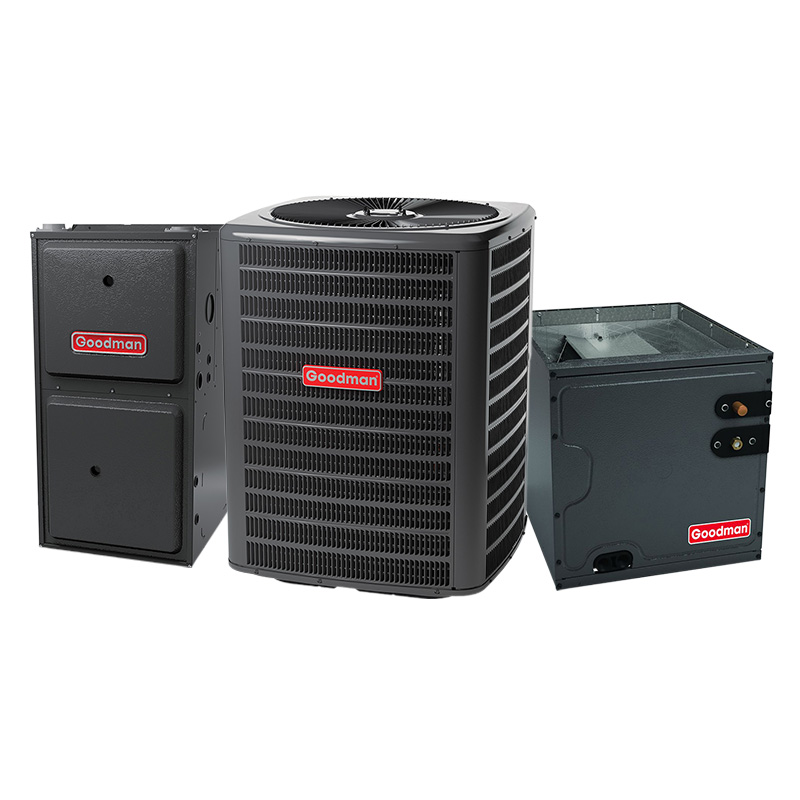
Goodman 2.5 Ton 15.2 SEER2 AC & Gas Furnace System – Multi-Speed, 60000 BTU Gas Furnace, 92% AFUE, Upflow, R32
View on AC Direct see your lowest price →Check current price on AC Direct →
Key features
- 2.5-ton cooling capacity rated at 15.2 SEER2 for mid-tier energy efficiency
- 60,000 BTU gas furnace with 92% AFUE upflow configuration
- Multi-speed blower motor reduces temperature swings versus single-speed units
- R-32 refrigerant with lower global-warming potential than R-410A
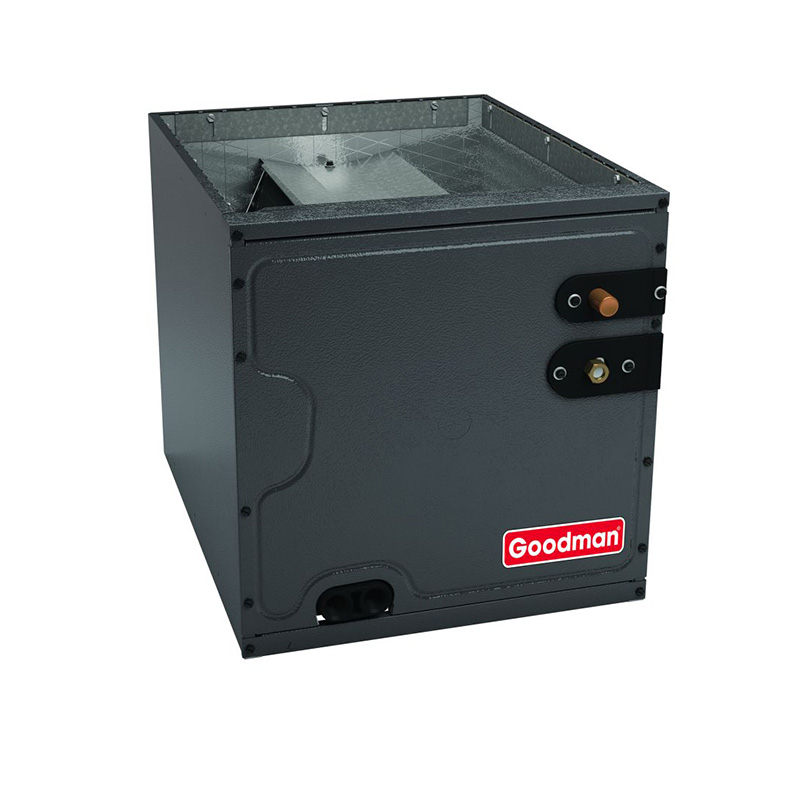
- Factory-matched system designed for straightforward coil and air handler pairing
- Goodman's 10-year parts warranty applies when registered within 60 days of install
About this system
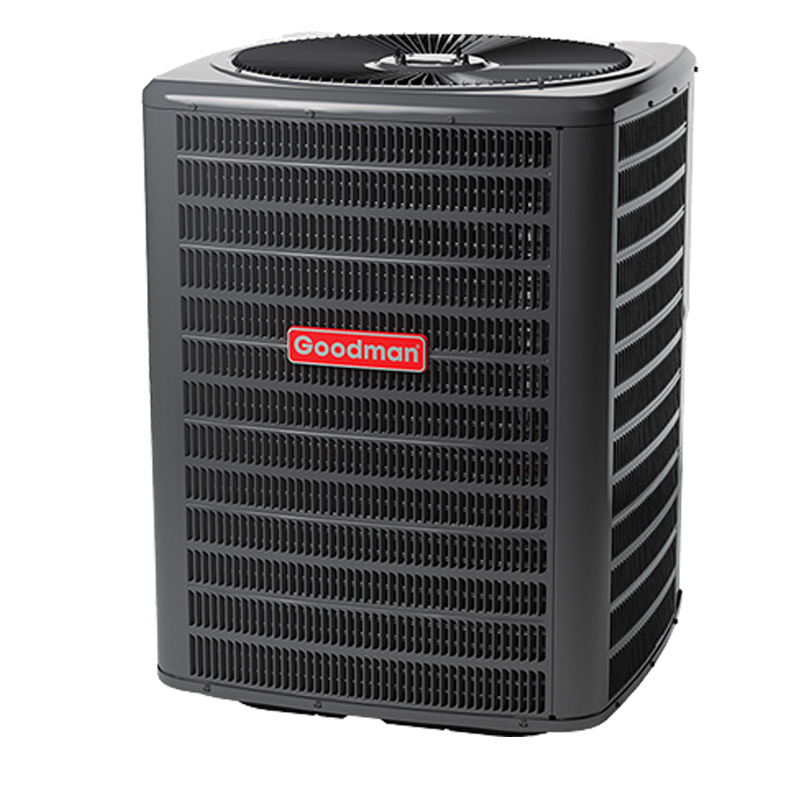
The Goodman GLXS4BA3010 pairs a 2.5-ton, 15.2 SEER2 air conditioner with a 60,000 BTU, 92% AFUE upflow gas furnace in a single matched system. That efficiency tier sits just above the federal minimum for most regions, meaning your cooling bills will be meaningfully lower than with an entry-level unit but not as low as you would see from a two-stage or variable-speed system in the 18-plus SEER2 range. The furnace’s 92% AFUE rating is a solid mid-efficiency figure: roughly 8 cents of every dollar in gas goes unused, which is a real improvement over older 80% units but a step below the 96-plus percent condensing furnaces that capture even more heat from the flue gases.
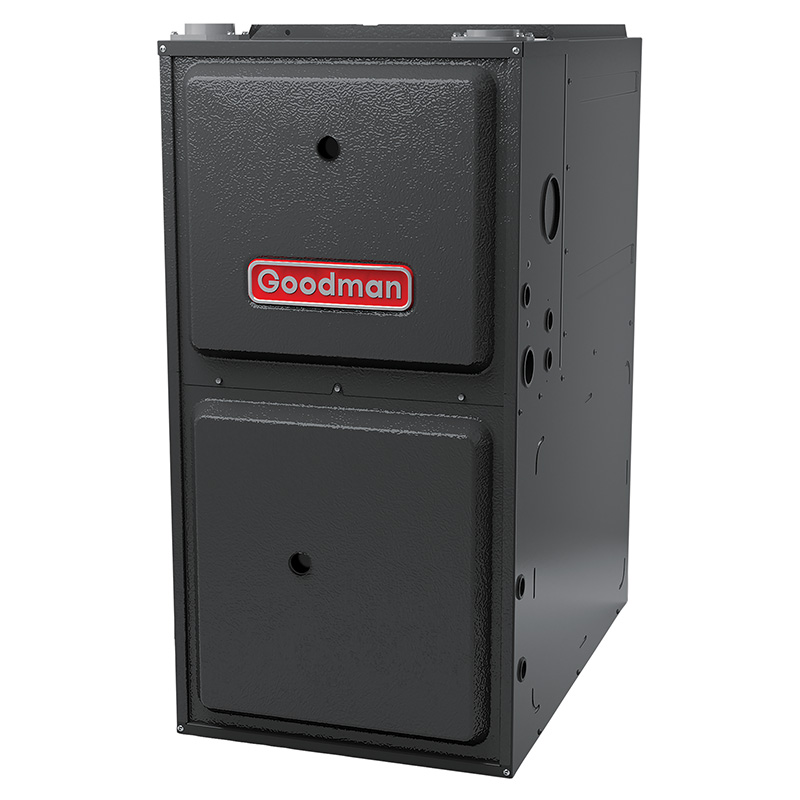
This system uses R-32 refrigerant, a lower-global-warming-potential alternative to R-410A that is becoming the new industry standard. The upflow configuration means the furnace draws air in at the bottom and discharges heated or cooled air upward, which suits homes with the air handler in a basement, utility room, or closet where ductwork runs up through the floor. The multi-speed blower on the furnace provides two comfort levels rather than the single on-off operation of basic units, reducing temperature swings and improving dehumidification compared to single-speed equipment. This is a well-suited package for budget-conscious buyers replacing aging equipment in a 1,200 to 1,800 square foot home who want a complete, factory-matched system without paying premium-brand prices.
The Goodman GLXS4BA3010 delivers honest mid-efficiency performance at a price that is reliably 15 to 25 percent below comparable Carrier, Trane, and Lennox systems. It is a workable choice for homeowners on a firm budget who understand they are accepting a shorter expected compressor lifespan and a brand with a mixed long-term service record in exchange for lower upfront cost. Install quality matters more here than with premium brands, so choosing a skilled contractor is not optional.
Overall score is the average of the five ratings above.
What we like
- Upfront cost is 15 to 25 percent below comparable Carrier, Trane, and Lennox equipment
- 15.2 SEER2 rating exceeds federal minimums and will produce real savings over older 10-13 SEER systems
- 92% AFUE furnace is a meaningful efficiency step above 80% units still common in replacement work
- Multi-speed blower improves comfort and humidity control over single-speed alternatives at this price tier
- R-32 refrigerant positions the system well as the industry transitions away from R-410A
Trade-offs
- Compressor life averages 10 to 14 years versus 15 to 20 years typical of premium-brand compressors
- Dual-run capacitors are the most frequently reported failure point, commonly requiring service in the 300 to 600 dollar range around or after year seven
- ConsumerAffairs rating sits around 2.5 out of 5, with repair cost complaints concentrating after year seven
- A minority of owners have reported refrigerant leaks in the first year, typically traced to install or charge issues rather than unit defects, underscoring how much outcome depends on installer quality
What homeowners and pros say about Goodman
Homeowners who post about Goodman equipment tend to split along a familiar line. Early in ownership, affordability draws consistent praise, and the Google dealer review average of around 3.8 out of 5 reflects a real base of satisfied buyers who got a functional system installed at a price that fit their budget. The problems surface later. On ConsumerAffairs, where the rating sits around 2.5 out of 5, the recurring pattern is not catastrophic early failure but rather a steady accumulation of repair costs starting around year seven, with dual-run capacitor replacements being the most commonly cited service call. Evaporator coil leaks also appear in a meaningful share of owner accounts, and compressors on Goodman equipment tend to run 10 to 14 years on average, which is a shorter window than the 15 to 20 years owners of Trane and Carrier equipment more commonly report.
HVAC technicians tend to have a straightforward view of Goodman: the equipment is not poorly made for the price, but it is less forgiving of imperfect installation than premium brands, and it rewards owners who schedule regular maintenance. Technicians point out that the first-year refrigerant leaks some owners report are almost always a charge or connection issue at install rather than a factory defect, which is why contractor selection matters as much as brand selection at this price tier. For this specific system, the R-32 refrigerant charge and upflow configuration are not unusual to work with, but installers unfamiliar with R-32 handling requirements should be vetted before the job. On balance, the picture that emerges is a system that performs its job adequately for budget-focused buyers who go in with realistic expectations about long-term repair frequency.
Sources: ConsumerAffairs Goodman owner reviews, AHRI Directory of Certified Product Performance, U.S. DOE appliance and equipment efficiency standards, Goodman product specification sheets.
What it costs to run
At 15.2 SEER2, cooling this 2.5-ton system for a typical 1200-hour cooling season at the U.S. average electricity rate of $0.17/kWh works out to roughly $403 per year in cooling, about $54 less per year than a minimum-efficiency 13.4 SEER2 unit of the same size. Your real cost depends on your climate and local rate.
Method: (30,000 BTU/hr ÷ 15.2 SEER2) × 1200 hours ÷ 1000 × $0.17/kWh. Rate source: U.S. EIA average; cooling hours: moderate-climate estimate.
How it compares
| Brand | Comparable model | SEER2 | Stage | Price position |
|---|---|---|---|---|
| Goodman | GLXS4BA3010 | 15.2 | Single-stage | Value pick |
| Carrier | Comfort 14 Series (24ACC4) | 15.2 | Single-stage | Typically 15 to 25 percent more than Goodman |
| Trane | XR15 Series | 15.0 to 16.0 | Single-stage | Typically 15 to 25 percent more than Goodman |
| Lennox | Merit 14ACX Series | 15.0 to 15.5 | Single-stage | Typically 15 to 25 percent more than Goodman |
Competitor rows are comparable single-stage units at similar efficiency; price is relative position, not a quote.
Questions about this system
Does the 10-year parts warranty cover the compressor and evaporator coil, or just minor components?
Yes, Goodman's 10-year registered limited warranty covers the compressor, coil, and all functional parts when you register the unit within 60 days of installation. If you miss that window, coverage typically drops to five years, so registration is worth doing immediately after install.
My house has R-410A equipment now. Will switching to R-32 cause any compatibility issues with my existing lineset or coil?
R-32 operates at higher pressures than R-410A and is not compatible with components designed solely for R-22, but it generally works with copper linesets rated for R-410A service. Your installer should verify lineset condition and flushing requirements; reusing an old lineset without a proper flush can introduce contamination that shortens compressor life.
How much will the capacitor failures I keep reading about actually cost me, and when do they typically happen?
Dual-run capacitor replacements on Goodman equipment are usually a 300 to 600 dollar service call including parts and labor, and they tend to show up somewhere after year five to seven. Capacitors are a known weak point in this product line, so budgeting for at least one replacement over the system's life is a reasonable expectation.
Is the upflow configuration the right one for my setup, or do I need to check something before ordering?
Upflow means the furnace pulls return air in at the bottom and pushes conditioned air out the top into overhead ductwork, which is the correct setup for a furnace sitting on a basement floor or main-level utility closet with ducts running through the ceiling. If your ducts run under the floor or your air handler sits in an attic, you would need a downflow or horizontal configuration instead.
Will 2.5 tons and 60,000 BTU be the right size for my home, or should I have someone check before I buy?
A proper Manual J load calculation is the only reliable way to confirm sizing for your specific home, and it is worth the investment. Oversizing a system is one of the most common installation errors and leads to short cycling, poor humidity control, and accelerated wear regardless of the brand. A 2.5-ton unit is a rough fit for many homes in the 1,200 to 1,800 square foot range, but insulation levels, ceiling height, window area, and climate all shift that number significantly.
Specifications
| Cooling capacity | 2.5 Ton |
| Efficiency | 15.2 SEER2 |
| Furnace output | 60000 BTU |
| Furnace efficiency | 92% AFUE |
| Configuration | Upflow |
| Refrigerant | R-32 |
| Model | GLXS4BA3010 |