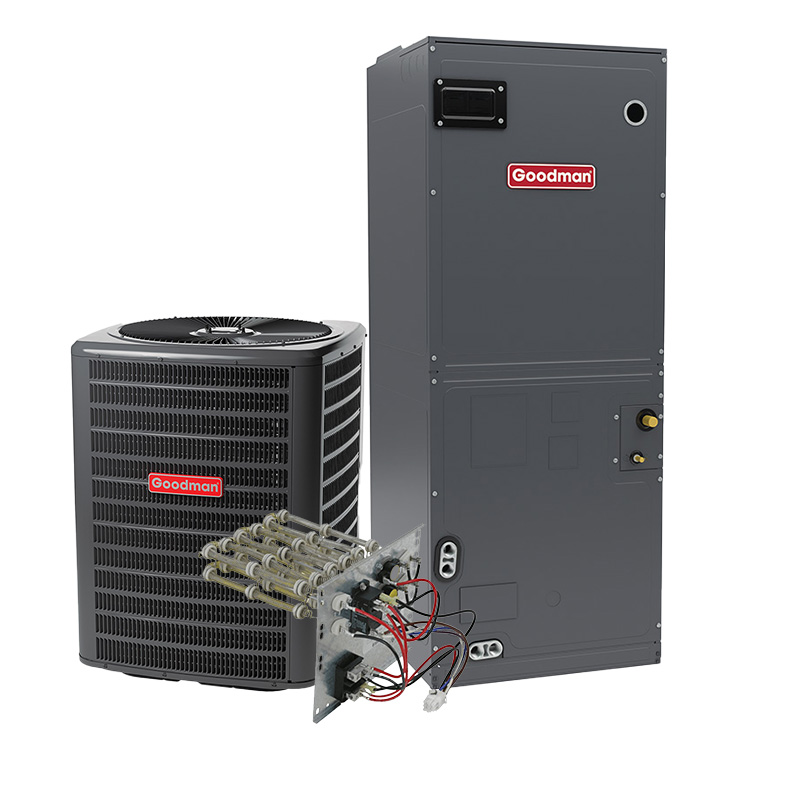
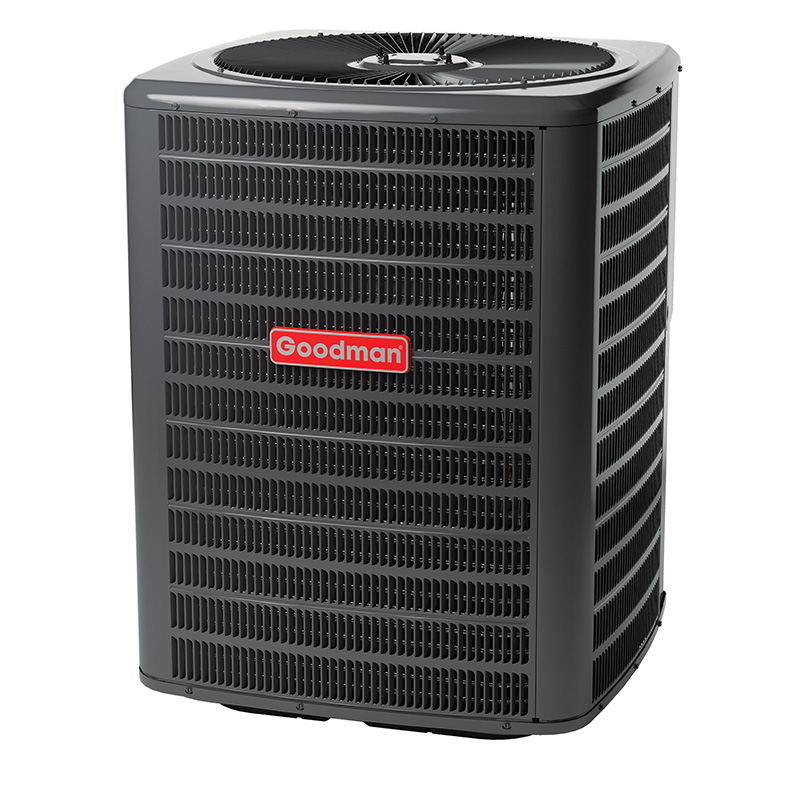
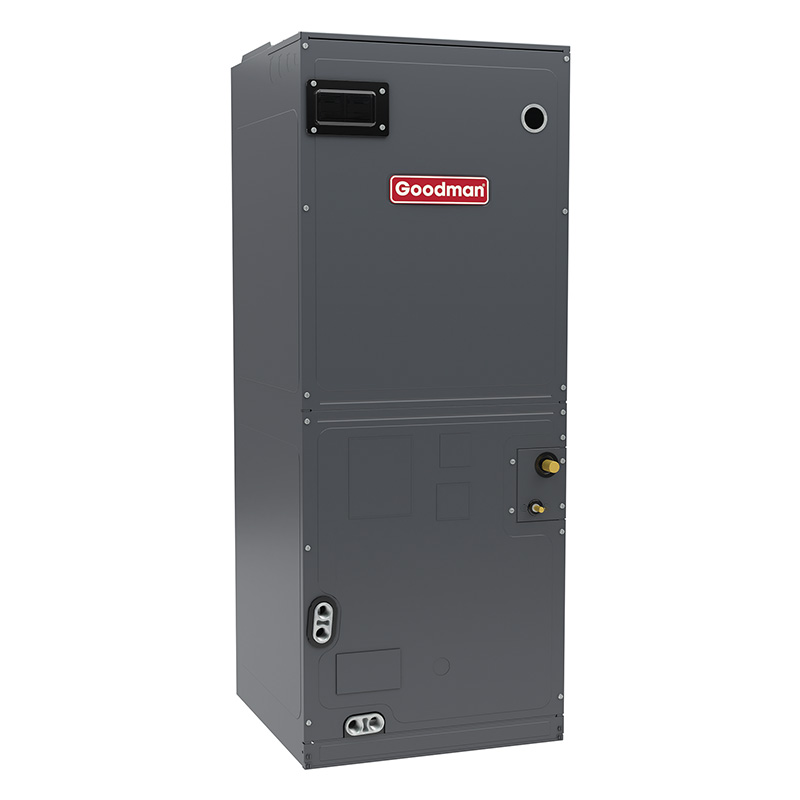
Goodman 2.5 Ton 15.2 SEER2 R32 Air Conditioner Split System With Electric Heat
View on AC Direct see your lowest price →Check current price on AC Direct →
Key features
- 2.5-ton capacity, suited for approximately 1,200 to 1,600 sq ft depending on climate and insulation
- 15.2 SEER2 efficiency rating, meets current federal minimum standards for most U.S. regions
- R-32 refrigerant, lower global warming potential than R-410A and phasing in across the industry
- Single-stage compressor operation, simple on/off cycling with no variable-speed modulation
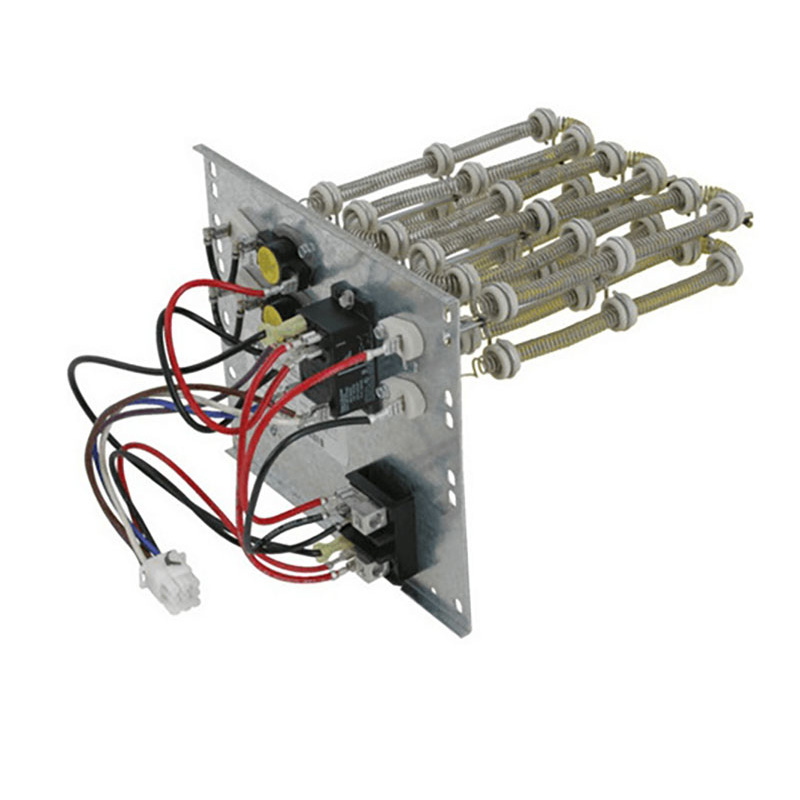
- Includes electric heat component for supplemental or emergency heat in matched air handler setups
- Factory-installed filter drier and tested for compatibility with Goodman-matched air handlers
About this system
The Goodman 2.5-ton 15.2 SEER2 split system with electric heat is a straightforward, single-stage cooling and electric heating package aimed at budget-conscious homeowners in mild-to-moderate climates. The 2.5-ton capacity targets homes roughly in the 1,200 to 1,600 square-foot range, though proper Manual J load calculations should always confirm sizing. At 15.2 SEER2, it clears the federal minimum efficiency thresholds in effect for most U.S. regions, meaning you get compliant, code-ready performance without paying for mid-tier or premium efficiency tiers you may not need.
The R-32 refrigerant is a meaningful upgrade over older R-410A systems. R-32 has a lower global warming potential, is slightly more efficient as a heat transfer fluid, and is increasingly the industry direction for residential equipment. If you live somewhere that rarely sees sub-freezing temperatures and already have an electric air handler or furnace in place, this system pairs cleanly with that setup. It is not a heat pump, so the electric heat component is supplemental or emergency strip heat rather than a primary heating source, which matters when comparing operating costs in heating-heavy climates.
This system fits best in situations where upfront cost is the primary driver, the existing ductwork and electrical service are already appropriate for the tonnage, and a qualified installer is handling the job. Goodman equipment, more than most brands, performs in direct proportion to install quality, so choosing a licensed, experienced technician is not optional if you want the warranty and lifespan to hold up.
The Goodman 2.5-ton 15.2 SEER2 R-32 system is a competitive entry-level option if keeping upfront cost down is the priority and you are working with a skilled installer. It delivers code-compliant efficiency and a modern refrigerant, but documented failure patterns and a compressor lifespan shorter than premium brands mean it is better suited to owners who understand they are trading long-term durability for a lower purchase price. It is a reasonable buy for the right buyer, not the right buy for every buyer.
Overall score is the average of the five ratings above.
What we like
- Price point typically 15 to 25 percent below comparable Trane, Carrier, and Lennox equipment, making it accessible for budget-limited projects
- R-32 refrigerant is more environmentally responsible than R-410A and aligns with the industry's near-term direction
- 15.2 SEER2 satisfies current federal efficiency minimums, keeping the system code-compliant at the time of installation
- Single-stage simplicity means fewer electronic controls to fail and straightforward diagnostics for technicians
- Wide dealer and parts network across the U.S. keeps service and replacement component availability reasonable
Trade-offs
- Dual-run capacitors are the most commonly reported failure point, typically requiring a 300 to 600 dollar repair call, often within the first several years of use
- Compressor lifespan averages 10 to 14 years based on documented owner experience, versus 15 to 20 years seen in premium brands under comparable conditions
- Evaporator coil leaks appear in a notable share of owner reviews, a recurring concern that can become costly if it falls outside warranty coverage
- A minority of owners report refrigerant leaks within the first year, typically linked to installation quality rather than a factory defect, which puts significant weight on installer skill
What homeowners and pros say about Goodman
Homeowners who track Goodman on ConsumerAffairs give the brand roughly 2.5 out of 5 stars, a rating that reflects the platform’s complaint-heavy nature, where the recurring theme is repair costs climbing after about year seven of ownership. Across Google dealer reviews, the picture is somewhat more balanced, with scores hovering around 3.8 out of 5 across hundreds of reviews per dealer location, and affordability showing up consistently as the reason buyers chose Goodman in the first place. For this 2.5-ton R-32 system specifically, that pattern holds: buyers report satisfaction when the install goes well and frustration when it does not, reinforcing the brand’s reputation as a product whose real-world life span depends heavily on the hands that put it in.
HVAC technicians who work on Goodman equipment regularly point to dual-run capacitors as the first thing they expect to replace, typically a 300 to 600 dollar fix but one that comes up with enough frequency to be a planning item rather than a surprise. Evaporator coil leaks appear in a meaningful share of long-term owner accounts and can become costly repairs once a system is past its warranty window. Compressor longevity is the larger structural concern: documented owner experience puts Goodman compressors at roughly 10 to 14 years on average, compared to 15 to 20 years reported for premium brands under similar operating conditions. A minority of owners also report refrigerant leaks within the first year, which technicians consistently attribute to installation defects rather than factory issues, pointing again to how much the installer determines what kind of experience you have with this brand.
Sources: ConsumerAffairs Goodman owner reviews, AHRI Directory of Certified Product Performance, U.S. DOE appliance and equipment efficiency standards, Goodman product specification sheets.
What it costs to run
At 15.2 SEER2, cooling this 2.5-ton system for a typical 1200-hour cooling season at the U.S. average electricity rate of $0.17/kWh works out to roughly $403 per year in cooling, about $54 less per year than a minimum-efficiency 13.4 SEER2 unit of the same size. Your real cost depends on your climate and local rate.
Method: (30,000 BTU/hr ÷ 15.2 SEER2) × 1200 hours ÷ 1000 × $0.17/kWh. Rate source: U.S. EIA average; cooling hours: moderate-climate estimate.
How it compares
| Brand | Comparable model | SEER2 | Stage | Price position |
|---|---|---|---|---|
| Goodman | GSX16 / GSXH5 R-32 Series | 15.2 | Single-stage | Value pick |
| Carrier | Comfort 14 / 24ACC6 Series | 15.2 | Single-stage | Typically 15 to 25 percent more than Goodman at this efficiency tier |
| Trane | XR15 Series | 15.0 to 15.5 | Single-stage | Typically 15 to 25 percent more than Goodman at this efficiency tier |
| Lennox | Merit 14ACX Series | 15.2 | Single-stage | Typically 15 to 25 percent more than Goodman at this efficiency tier |
Competitor rows are comparable single-stage units at similar efficiency; price is relative position, not a quote.
Questions about this system
Is 15.2 SEER2 going to meaningfully lower my electric bill compared to an older unit?
If you are replacing a system from the early 2000s rated at 10 to 12 SEER, yes, the efficiency gain is real and you will see lower cooling costs. If you are replacing a mid-2010s unit already at 14 or 15 SEER, the savings will be modest. The bigger variable in most homes is how well the duct system is sealed, not whether you bought a 15.2 versus a 16 SEER2 unit.
What does the electric heat component actually do in this system?
The electric heat in this split system is strip heating built into the matched air handler, not a heat pump. It functions as supplemental or emergency heat and is relatively expensive to run as a primary heat source compared to a gas furnace or heat pump. If heating cost is a concern where you live, confirm how this system is intended to be used in your setup before purchasing.
How does R-32 refrigerant affect me as a homeowner or affect service costs?
R-32 is mildly flammable and requires technicians with A2L refrigerant certification and compatible equipment to service it. Most newer service vehicles are being equipped for A2L refrigerants, but if you are in a rural area with limited contractor options, confirm your local techs are already certified before committing to an R-32 system. Refrigerant cost differences at the homeowner level are minimal right now.
The capacitor failures people mention, is that something I can prevent or just expect?
Capacitor wear is partly a function of run time, voltage fluctuations at your home, and operating temperature around the unit. Keeping the condenser area clear of debris, ensuring the unit is not short-cycling due to an oversized installation, and having a technician check capacitor health during annual maintenance can extend their life. Budget 300 to 600 dollars for a capacitor replacement at some point in the system's life as a realistic expectation.
Will the Goodman warranty be valid if I self-install or use an unlicensed contractor?
Goodman's full parts warranty, typically 10 years on registered equipment, requires installation by a licensed HVAC contractor and product registration within a set window after installation. Self-installation or use of an uncertified installer almost certainly voids the extended warranty and leaves you with only a base coverage period. Given that documented failure modes like coil leaks and compressor issues can be expensive, protecting the warranty is financially important with this brand.
Specifications
| Cooling capacity | 2.5 Ton |
| Efficiency | 15.2 SEER2 |
| Refrigerant | R-32 |