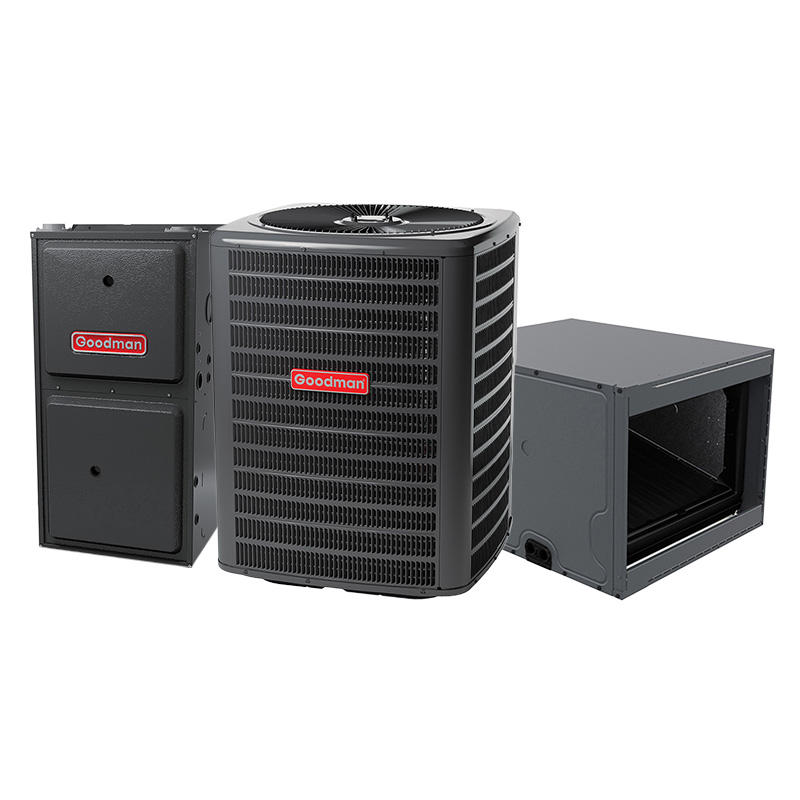
Goodman 2.5 Ton 16 SEER2 AC & Gas Furnace System – Modulating Variable-Speed, 60000 BTU Gas Furnace, 97% AFUE, Horizontal, R32
View on AC Direct see your lowest price →Check current price on AC Direct →
Key features
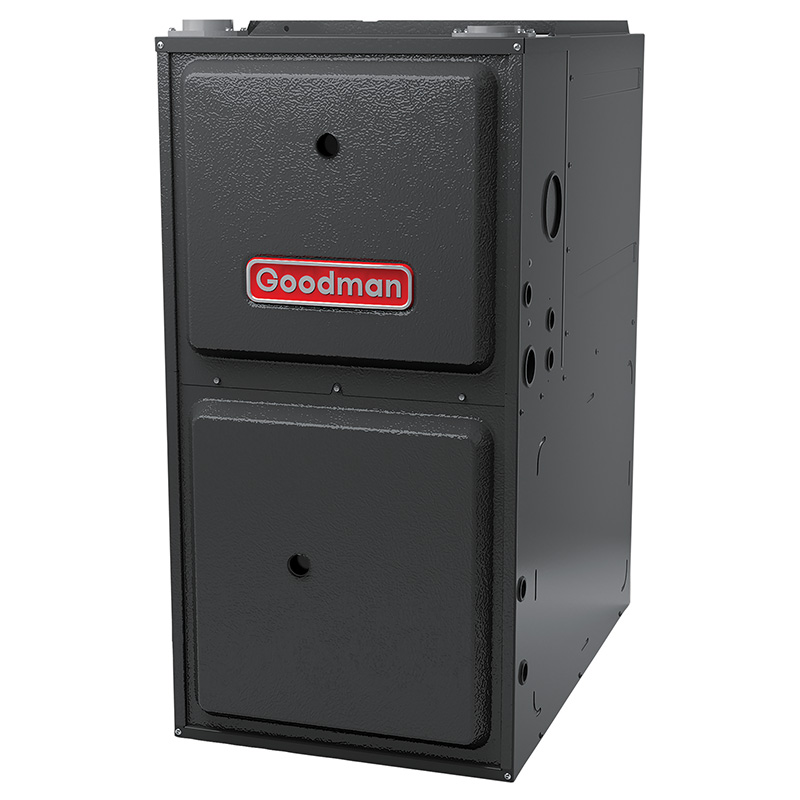
- 97% AFUE modulating gas furnace for near-maximum fuel efficiency
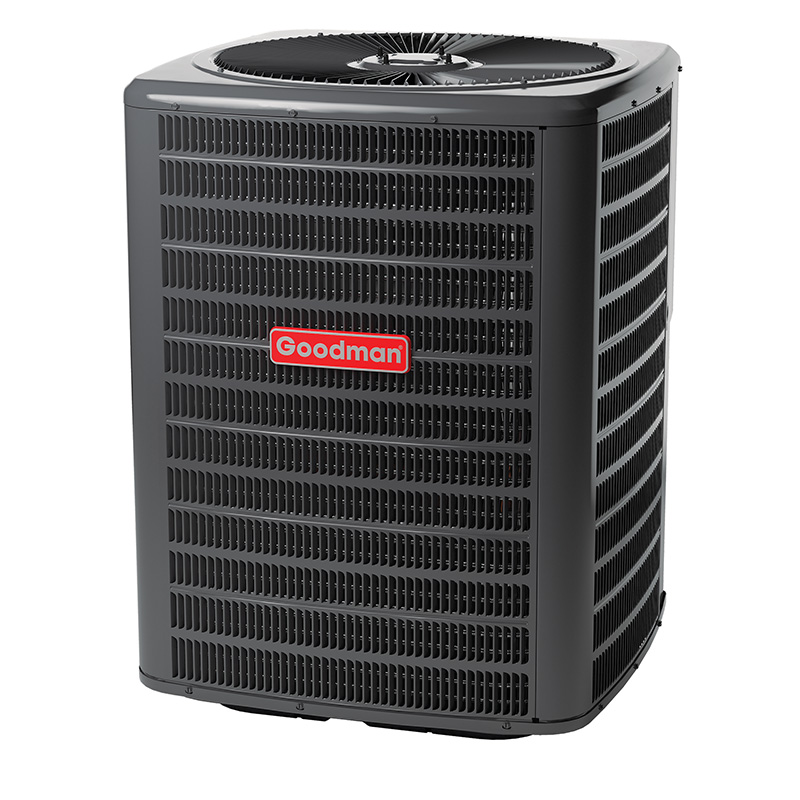
- 16 SEER2 variable-speed cooling optimized for steady comfort and humidity control
- R-32 refrigerant with lower global-warming potential than R-410A
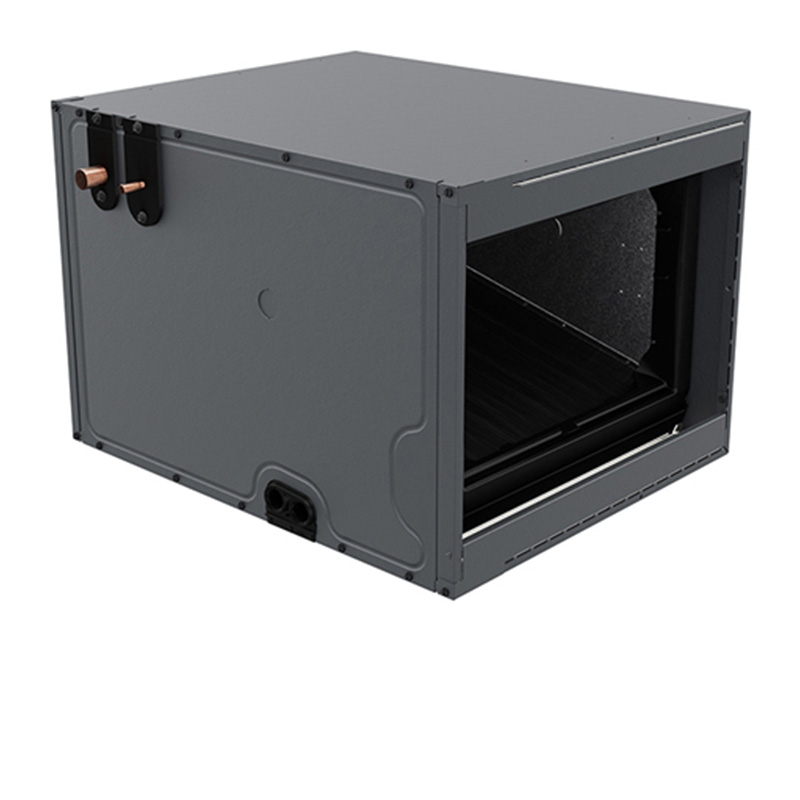
- Horizontal configuration designed for attic, crawlspace, or side-discharge installs
- Modulating gas valve adjusts heat output in small steps to reduce temperature swings
- 2.5-ton capacity sized for roughly 1,200 to 1,600 sq ft depending on climate and insulation
About this system
The Goodman GLXS5BA3010D pairs a 2.5-ton, 16 SEER2 variable-speed air conditioner with a 60,000 BTU, 97% AFUE modulating gas furnace in a horizontal configuration, making it a strong candidate for attic or crawlspace installations where vertical placement is not practical. The R-32 refrigerant charge runs at lower global-warming potential than the R-410A it replaces, and the modulating gas valve combined with a variable-speed air handler allows the system to ramp output up or down in fine increments rather than cycling hard on and off. That behavior tends to produce steadier indoor temperatures, better humidity control, and quieter operation compared to single-stage equipment.
At 97% AFUE, nearly all the gas combustion goes toward useful heat, which is among the highest efficiencies available in residential furnaces. The 16 SEER2 rating sits in the mid-efficiency tier for cooling, meaningfully above the federal minimums now in effect for most U.S. climate zones but not at the top of the market. The horizontal configuration is specific hardware, so buyers should confirm duct orientation and clearances with their installer before purchase. This system suits homeowners who want real efficiency gains over builder-grade equipment, operate in a climate where both heating and cooling loads matter, and are working within a budget that excludes premium-brand pricing.
This system delivers genuinely high furnace efficiency and variable-speed comfort technology at a price well below Carrier, Trane, and Lennox equivalents, which makes it a reasonable choice for cost-conscious buyers who vet their installer carefully. Goodman's real-world reliability record is mixed, with capacitor failures and evaporator coil issues appearing regularly in owner feedback, and compressor longevity running shorter on average than premium brands. The value proposition holds if installation is done right; it weakens considerably if it is not.
Overall score is the average of the five ratings above.
What we like
- 97% AFUE is among the highest available, cutting heating fuel costs substantially versus standard-efficiency furnaces
- Modulating and variable-speed operation improves humidity control and reduces hot and cold spots compared to single-stage systems
- Priced roughly 15 to 25 percent below comparable Carrier, Trane, and Lennox configurations
- R-32 refrigerant is a more environmentally responsible choice and is increasingly supported by service technicians
- Horizontal orientation fills a specific installation need that not all systems accommodate
Trade-offs
- Dual-run capacitors are the most commonly reported failure, typically appearing within the first decade at a repair cost of roughly $300 to $600
- Evaporator coil leaks appear in a meaningful share of owner reviews, which can be a costly mid-life repair
- Compressor lifespan averages 10 to 14 years versus 15 to 20 years for premium brands, raising long-term replacement risk
- A minority of owners report refrigerant leaks within the first year, most often traced to installation or initial charge quality rather than the equipment itself
What homeowners and pros say about Goodman
Homeowners who track their Goodman systems online tend to land in two camps. Those who had a clean installation by a skilled technician often report years of trouble-free operation and praise the lower upfront cost. Those who ran into problems frequently point to the same documented failure modes: a dead dual-run capacitor that stranded them on a hot weekend, or an evaporator coil that started leaking refrigerant a few years in. On ConsumerAffairs, Goodman scores around 2.5 out of 5, though that platform skews heavily toward people with complaints, so it reflects the worst-case population more than the average owner. Google dealer reviews across installation companies tend to land around 3.8 out of 5, where affordability is consistently the most cited reason buyers chose the brand.
HVAC technicians who work on Goodman equipment regularly offer a consistent take: the brand is serviceable and the parts are widely available, but installation quality is the single biggest determinant of how long any unit lasts. They note that capacitor replacements are routine and inexpensive, while compressor replacements are where the math on a value-brand purchase can get harder, since Goodman compressors average roughly 10 to 14 years of service life compared to 15 to 20 years on premium-brand equipment. For this specific system, the 97% AFUE modulating furnace represents genuinely capable technology at the price point, and pros generally view it favorably for budget-conscious buyers who are not cutting corners on the install itself.
Sources: ConsumerAffairs Goodman owner reviews, AHRI Directory of Certified Product Performance, U.S. DOE appliance and equipment efficiency standards, Goodman product specification sheets.
What it costs to run
At 16 SEER2, cooling this 2.5-ton system for a typical 1200-hour cooling season at the U.S. average electricity rate of $0.17/kWh works out to roughly $382 per year in cooling, about $75 less per year than a minimum-efficiency 13.4 SEER2 unit of the same size. Your real cost depends on your climate and local rate.
Method: (30,000 BTU/hr ÷ 16 SEER2) × 1200 hours ÷ 1000 × $0.17/kWh. Rate source: U.S. EIA average; cooling hours: moderate-climate estimate.
How it compares
| Brand | Comparable model | SEER2 | Stage | Price position |
|---|---|---|---|---|
| Goodman | GLXS5BA3010D | 16 | Variable / Modulating | Value pick |
| Carrier | Performance 16 Series (24ACC6) | 16 | Single-stage | Typically 15 to 25 percent more than Goodman |
| Trane | XR16 Series | 16 | Single-stage | Typically 15 to 25 percent more than Goodman |
| Lennox | Merit ML16XC1 Series | 16 | Single-stage | Typically 15 to 25 percent more than Goodman |
Competitor rows are comparable single-stage units at similar efficiency; price is relative position, not a quote.
Questions about this system
Why does the horizontal configuration matter, and can this unit be installed vertically instead?
Horizontal models have a coil and drain pan oriented for side airflow, which is engineered specifically for attic or crawlspace installations where the air handler lies on its side. Installing a horizontal-only configuration in a vertical application risks condensate drainage problems and potential water damage. Confirm the orientation requirement with your installer before ordering.
What does R-32 refrigerant mean for my service costs going forward?
R-32 is a single-component refrigerant that is easier to recover and recharge than blended refrigerants, and it is increasingly stocked by HVAC distributors. Service costs should be comparable to or slightly lower than R-410A going forward, though you will want to confirm your local technicians carry it before scheduling any future service calls.
How often do Goodman capacitors actually fail, and what does that repair typically cost?
Dual-run capacitor failure is the most commonly documented issue in Goodman owner feedback, often appearing somewhere in the 5 to 10 year range. It is generally a straightforward repair in the $300 to $600 range including a service call, so while it is an inconvenience it is not a catastrophic expense.
Does the 97% AFUE furnace really make a noticeable difference on my gas bill?
Compared to an 80% AFUE furnace, a 97% AFUE unit uses roughly 17 percent less gas to produce the same amount of heat. In a climate with meaningful heating loads, that translates to a real annual savings that compounds over time, though the exact dollar amount depends on your local gas rates, home insulation, and how cold your winters get.
What warranty comes with this system, and are there conditions I need to meet to keep it valid?
Goodman typically offers a 10-year parts warranty when the equipment is registered within a specified window after installation, along with a lifetime heat exchanger warranty on the furnace. Registration is usually required within 60 days of install, and the warranty generally requires that work be performed by a licensed HVAC contractor. Review the specific warranty documentation for this model number to confirm current terms, as conditions can change.
Specifications
| Cooling capacity | 2.5 Ton |
| Efficiency | 16 SEER2 |
| Furnace output | 60000 BTU |
| Furnace efficiency | 97% AFUE |
| Configuration | Horizontal |
| Refrigerant | R-32 |
| Model | GLXS5BA3010D |