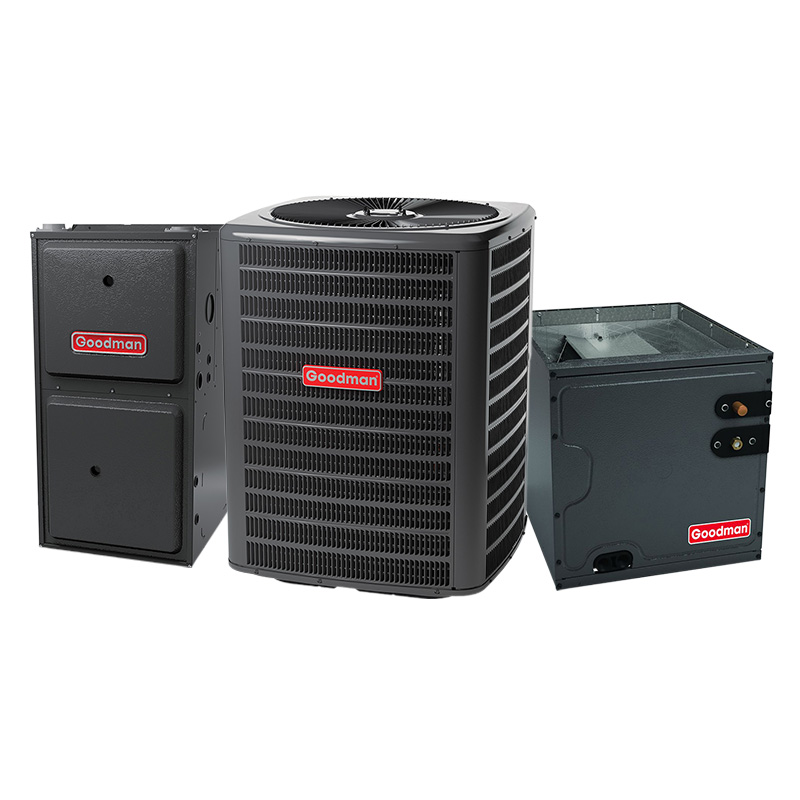
Goodman 2.5 Ton 16 SEER2 AC & Gas Furnace System – Multi-Speed, 80000 BTU Gas Furnace, 92% AFUE, Upflow, R32
View on AC Direct see your lowest price →Check current price on AC Direct →
Key features
- 2.5-ton cooling capacity matched to 80,000 BTU heating for mid-size homes
- 16 SEER2 efficiency rating meets current federal minimums with room to reduce utility costs
- 92% AFUE gas furnace converts 92 cents per fuel dollar into usable heat
- R-32 refrigerant with lower global warming potential than legacy R-410A systems
- Multi-speed blower motor for more even airflow and reduced operating noise versus single-speed
- Upflow configuration suits basement and closet installs with overhead ductwork
About this system
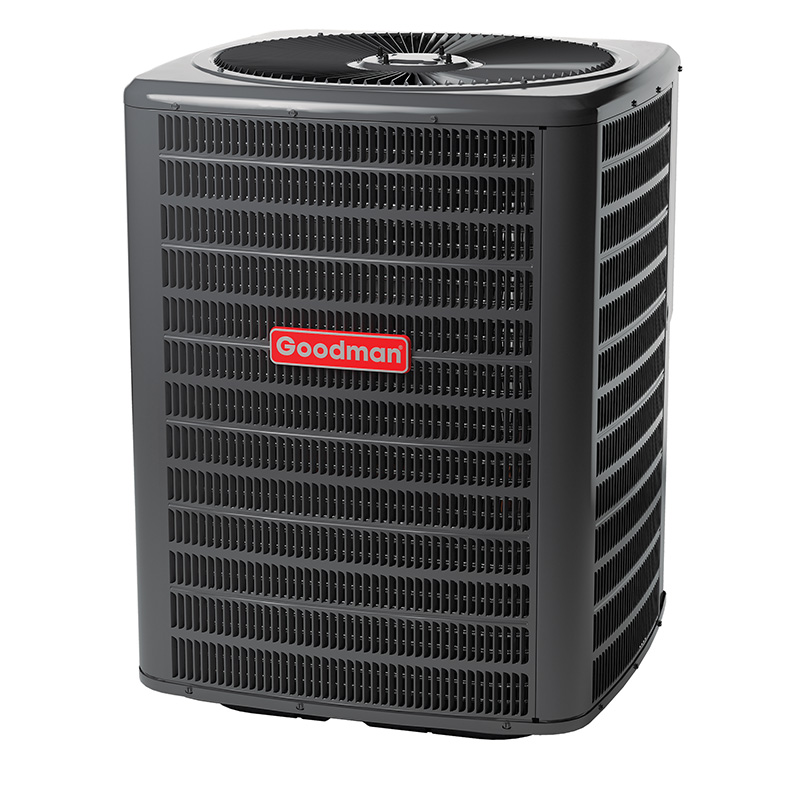
The Goodman GLXS5BA3010D pairs a 2.5-ton, 16 SEER2 single-stage air conditioner with an 80,000 BTU, 92% AFUE upflow gas furnace, making it a competent split system for homes in the 1,200 to 1,800 square foot range that need both heating and cooling replaced at once. The 16 SEER2 rating sits at the practical entry point for mid-efficiency equipment, clearing the federal minimums for most U.S. climate zones and offering a meaningful step up in operating cost versus older 13 or 14 SEER systems. The furnace side runs at 92% AFUE, meaning 92 cents of every dollar spent on gas becomes usable heat, which is a solid but not top-tier efficiency figure.
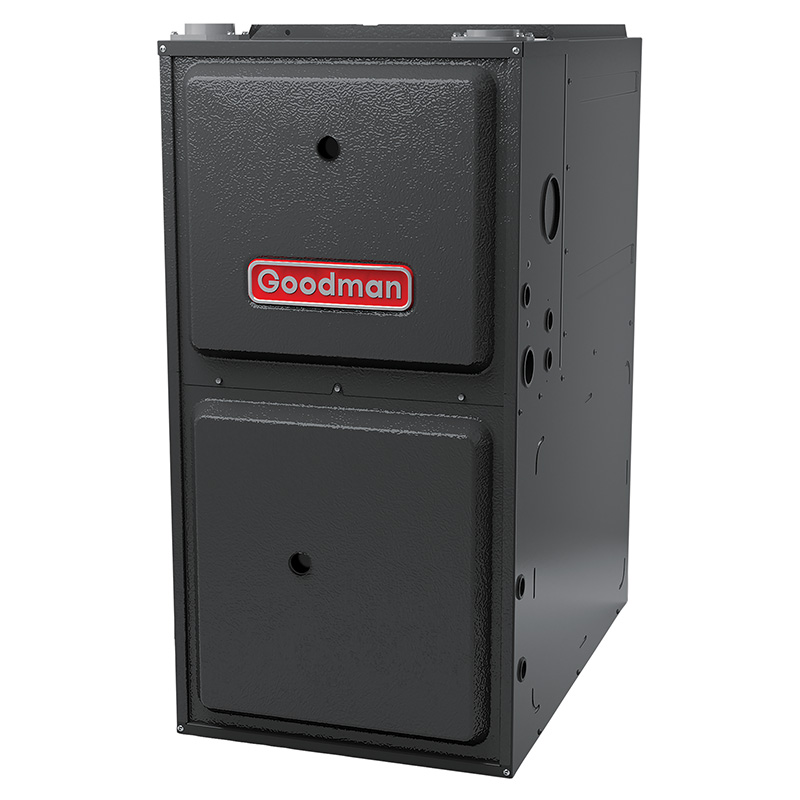
This system uses R-32 refrigerant, a lower global-warming-potential alternative to the R-410A found in older Goodman equipment, putting it in line with the industry’s ongoing refrigerant transition. The multi-speed furnace blower helps even out airflow compared to a strictly single-speed fan, which can reduce hot and cold spots and lower sound levels during operation. The upflow configuration means the furnace discharges conditioned air upward through ductwork above it, the most common setup in homes with a basement or utility closet installation.
This bundle is aimed squarely at budget-conscious buyers who want a complete system from one manufacturer without stepping up to premium-brand pricing. It rewards buyers who hire an experienced installer and stay current on maintenance, and it is a less ideal fit for anyone expecting a hands-off ownership experience over a long horizon.
The GLXS5BA3010D delivers honest mid-efficiency performance at a price point roughly 15 to 25 percent below comparable Carrier, Trane, or Lennox systems, making the upfront math attractive. The trade-off is a documented history of component wear after year 7 and a compressor lifespan that trends shorter than premium brands, so total cost of ownership over 15-plus years is less favorable than the sticker price suggests. Buyers who prioritize low first cost and can budget for periodic repairs will find it a reasonable choice; those who want a low-maintenance system for the long haul should weigh the alternatives carefully.
Overall score is the average of the five ratings above.
What we like
- Purchase price is typically 15 to 25 percent below Trane, Carrier, and Lennox equivalents
- 16 SEER2 rating provides a genuine efficiency upgrade over systems installed before 2015
- 92% AFUE furnace is a solid mid-range efficiency level that suits most climates
- R-32 refrigerant is forward-compatible with the industry's ongoing refrigerant transition
- Multi-speed blower improves comfort and airflow balance compared to basic single-speed units
Trade-offs
- Compressor lifespan averages 10 to 14 years versus 15 to 20 years for premium brands, raising long-run replacement risk
- Dual-run capacitor failures are the most commonly reported repair, typically appearing after year 5 to 7 and costing $300 to $600 per incident
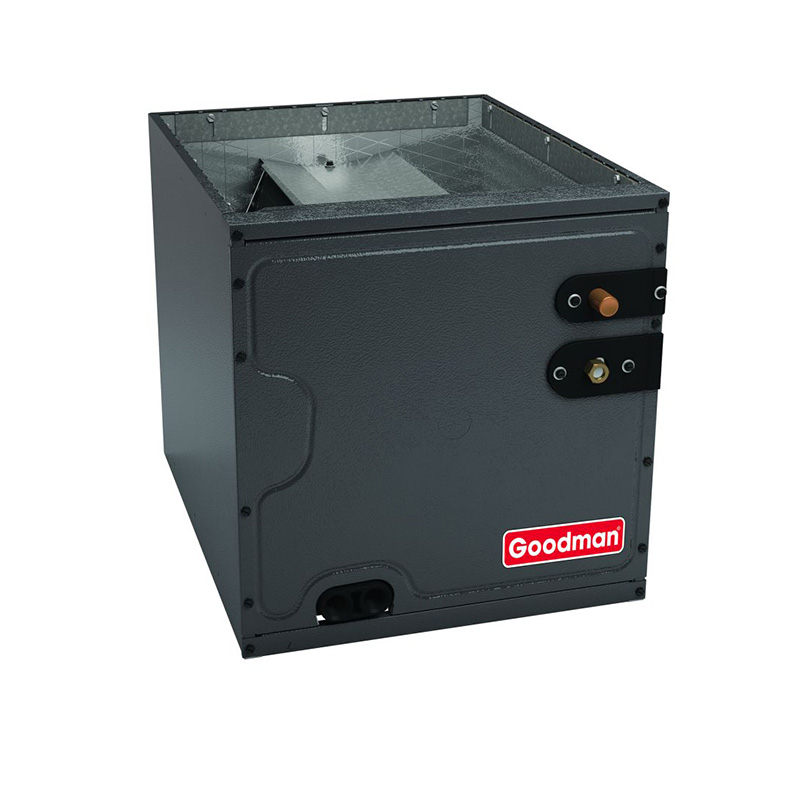
- Evaporator coil leaks appear in a meaningful share of owner reviews and can be costly to address
- A minority of owners have reported refrigerant leaks in the first year, usually tied to install or charge quality rather than the equipment itself
What homeowners and pros say about Goodman
On consumer review platforms, Goodman equipment draws sharply divided reactions. The brand holds roughly 2.5 out of 5 on ConsumerAffairs, a channel that skews toward dissatisfied owners, where the recurring complaint centers on repair costs climbing after approximately year 7 of ownership. At the dealer level, Google reviews average around 3.8 out of 5, and the most common positive note is straightforwardly about price: buyers got a functional system installed for less than competing brands quoted. For this specific system, the dual-run capacitor is the failure mode owners and technicians mention most often, generally a manageable cost when caught during maintenance but frustrating when it causes an unplanned breakdown. Evaporator coil leaks also appear in a meaningful share of longer-term owner accounts, and compressor longevity of 10 to 14 years falls noticeably short of the 15 to 20 years associated with Trane, Carrier, and Lennox at the same efficiency tier.
HVAC technicians who work on Goodman equipment regularly tend to describe it as serviceable but not forgiving of shortcuts. The consistent professional view is that installation quality drives most of the variance in how these systems perform: a well-charged, properly sized, and correctly installed Goodman unit can run reliably for a decade, while a rushed or marginally spec’d install tends to surface problems sooner. For the GLXS5BA3010D specifically, the R-32 refrigerant adds a small layer of complexity in that the servicing technician needs current certification for that refrigerant. Technicians also note that buyers who treat the annual maintenance visit as optional tend to be the same ones reporting early component failures, particularly on the capacitor. The short version is that this system rewards attentive ownership and a good installer, and punishes the assumption that it will run indefinitely without attention.
Sources: ConsumerAffairs Goodman owner reviews, AHRI Directory of Certified Product Performance, U.S. DOE appliance and equipment efficiency standards, Goodman product specification sheets.
What it costs to run
At 16 SEER2, cooling this 2.5-ton system for a typical 1200-hour cooling season at the U.S. average electricity rate of $0.17/kWh works out to roughly $382 per year in cooling, about $75 less per year than a minimum-efficiency 13.4 SEER2 unit of the same size. Your real cost depends on your climate and local rate.
Method: (30,000 BTU/hr ÷ 16 SEER2) × 1200 hours ÷ 1000 × $0.17/kWh. Rate source: U.S. EIA average; cooling hours: moderate-climate estimate.
How it compares
| Brand | Comparable model | SEER2 | Stage | Price position |
|---|---|---|---|---|
| Goodman | GLXS5BA3010D | 16 | Single-stage | Value pick |
| Carrier | Comfort 24ACC6 series | 16 | Single-stage | Typically 15 to 25 percent more than this Goodman system |
| Trane | XR15 series | 15.5 to 16 | Single-stage | Typically 15 to 25 percent more than this Goodman system |
| Lennox | Merit ML14XC1 series | 15.5 to 16 | Single-stage | Typically 15 to 25 percent more than this Goodman system |
Competitor rows are comparable single-stage units at similar efficiency; price is relative position, not a quote.
Questions about this system
Is 16 SEER2 good enough, or should I pay more for a higher-efficiency system?
16 SEER2 is a legitimate mid-efficiency rating that will lower operating costs compared to equipment from 10 or more years ago. Whether stepping up to 18 or 20 SEER2 makes financial sense depends on your local electricity rates, how many cooling hours your climate delivers, and how long you plan to stay in the home. In moderate climates, the payback period on a higher-efficiency unit can exceed seven years, so 16 SEER2 is a defensible choice for many buyers.
What does the R-32 refrigerant mean for me as an owner?
R-32 has a lower global warming potential than the R-410A used in most older systems, and it is part of the HVAC industry's broader shift away from legacy refrigerants. As an owner, the practical impact is minimal day to day, but it does mean technicians servicing the system need to be certified to handle R-32 specifically, so confirm that your service provider is equipped for it before scheduling work.
How worried should I be about the dual-run capacitor failing?
Capacitor failure is the single most commonly reported repair on Goodman equipment and tends to surface after five to seven years of operation. The good news is that it is typically a fast, low-cost fix in the $300 to $600 range when caught promptly. Scheduling annual maintenance visits gives a technician the chance to test the capacitor before it fails and leaves you without cooling in summer.
Will the upflow configuration work in my home?
Upflow means the furnace pulls return air in at the bottom and pushes conditioned air out the top into the supply ductwork above it. This suits basements, utility rooms, and mechanical closets where the duct system runs overhead. If your existing furnace is already an upflow unit, this is a straightforward like-for-like swap; if your home uses a downflow or horizontal configuration, you would need a different model.
How does the 10-year parts warranty actually work, and are there conditions?
Goodman's 10-year parts warranty requires the system to be registered with Goodman within a set window after installation, typically 60 days, and the work must be performed by a licensed contractor. Missing the registration deadline usually drops coverage to five years on parts. The warranty covers parts but not labor, so a compressor replacement under warranty still comes with a potentially significant labor bill.
Specifications
| Cooling capacity | 2.5 Ton |
| Efficiency | 16 SEER2 |
| Furnace output | 80000 BTU |
| Furnace efficiency | 92% AFUE |
| Configuration | Upflow |
| Refrigerant | R-32 |
| Model | GLXS5BA3010D |