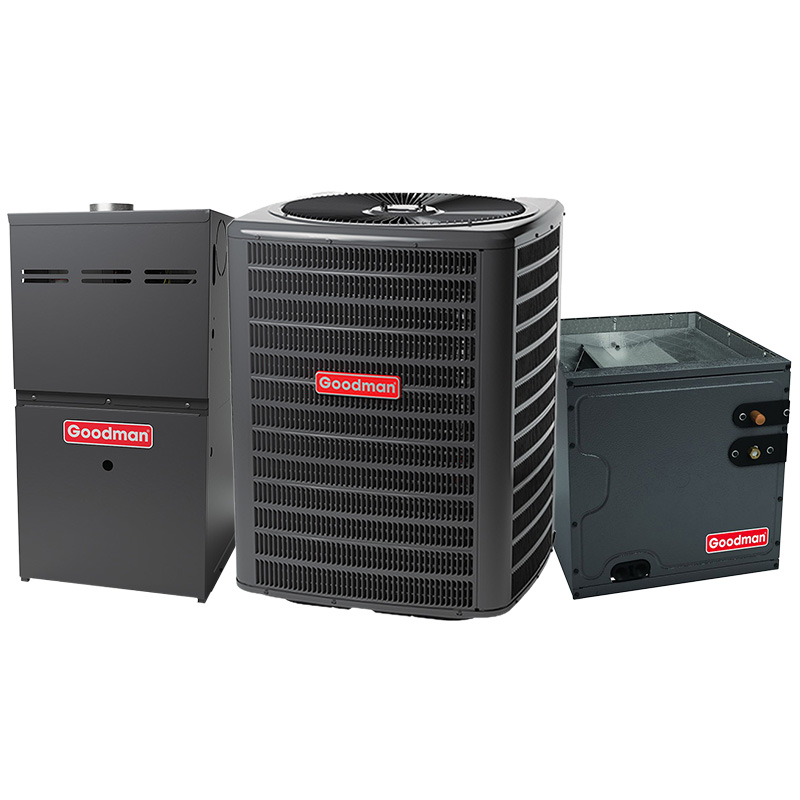
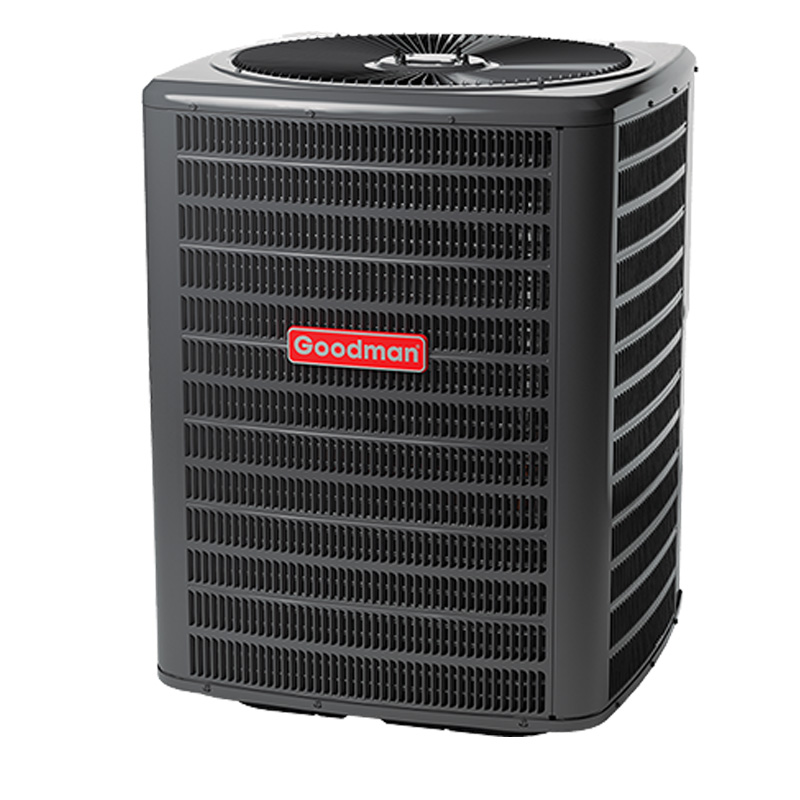
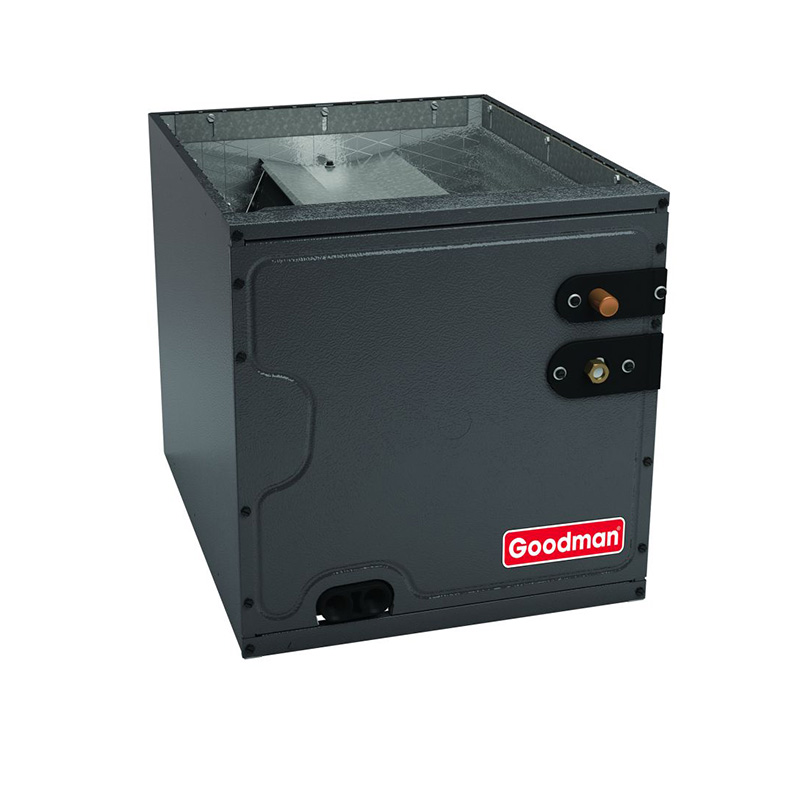
Goodman 2.5 Ton AC And 60000 BTU 80% AFUE Gas Furnace System | 15.2 SEER2 AC | Multi-Speed ECM Low NOx Furnace | Upflow | R32
View on AC Direct see your lowest price →Check current price on AC Direct →
Key features
- 2.5-ton cooling capacity at 15.2 SEER2, meeting current federal minimum efficiency standards
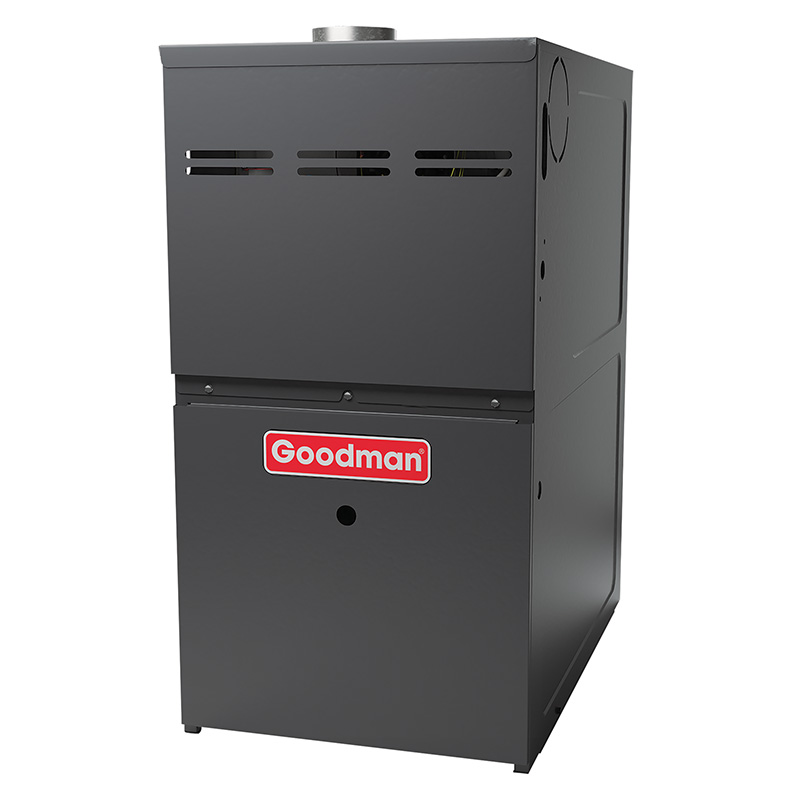
- 60,000 BTU upflow gas furnace at 80% AFUE with multi-speed ECM blower motor
- R-32 refrigerant with lower global warming potential than R-410A
- Multi-speed ECM blower provides quieter, more even airflow compared to single-speed PSC motors
- Upflow configuration suited for basement or main-floor installations with overhead ductwork
- Goodman factory warranty covers parts; compressor and heat exchanger have extended coverage terms
About this system
The Goodman 2.5-ton, 15.2 SEER2 air conditioner paired with a 60,000 BTU 80% AFUE upflow gas furnace is a straightforward, budget-conscious system sized for homes roughly in the 1,200 to 1,600 square foot range, depending on climate zone and insulation quality. The 15.2 SEER2 rating clears the federal minimum efficiency threshold for most U.S. regions and puts this unit in the entry-level tier of modern efficiency — adequate for controlling utility bills without the premium cost of higher-SEER2 variable-speed systems. R-32 refrigerant is a meaningful step forward environmentally, carrying a lower global warming potential than the R-410A it replaces and slightly better thermodynamic efficiency.
The furnace side features a multi-speed ECM (electronically commutated motor) blower, which runs at different speeds to match heating demand rather than hammering on at full blast every cycle. That translates to quieter operation, more even temperatures, and lower blower electricity consumption compared to a standard PSC motor. The 80% AFUE rating means 80 cents of every dollar of gas goes toward heat — efficient enough for mild to moderate climates but worth reconsidering if you are in a very cold region where a 96% AFUE unit could meaningfully cut your annual gas bill. The upflow configuration directs conditioned air upward into overhead ductwork, which fits the majority of basement and closet installations but is not a fit for attic or horizontal applications.
This Goodman system delivers a functional, code-compliant HVAC solution at a price point 15 to 25 percent below comparable Carrier, Trane, and Lennox equipment. You are trading some long-term reliability headroom and brand-tier peace of mind for a lower upfront cost, and the gap shows up most clearly after year seven when repair frequency tends to rise. For budget-focused buyers with a skilled installer, it is a reasonable choice; for those who want to minimize service calls over a 15-plus year horizon, the premium brands are worth the extra cost.
Overall score is the average of the five ratings above.
What we like
- Purchase price runs 15 to 25 percent below comparable Carrier, Trane, and Lennox systems
- ECM multi-speed blower reduces electricity use and improves comfort versus single-speed alternatives
- R-32 refrigerant is more environmentally responsible and is the industry's forward direction
- 15.2 SEER2 meets current federal efficiency minimums, keeping the unit legal and sellable nationwide
- Widespread parts availability and a large installer network make service relatively straightforward
Trade-offs
- 80% AFUE is the lowest efficiency tier available; high-use households in cold climates will pay more in gas versus 90%+ alternatives
- Compressor lifespan averages 10 to 14 years versus 15 to 20 years for premium-brand compressors, raising long-term replacement risk
- Dual-run capacitors are the most frequently reported failure point, and evaporator coil leaks appear in a notable share of owner reviews
- ConsumerAffairs ratings sit around 2.5 out of 5, with recurring reports of repair costs climbing after roughly year seven
What homeowners and pros say about Goodman
Homeowners who have purchased Goodman systems land in two fairly distinct camps. On Google dealer review aggregates, where ratings cluster around 3.8 out of 5, the most common thread is satisfaction with the upfront cost and relief that the system is running without incident. Those reviews tend to come from the first several years of ownership. The picture shifts on complaint-weighted channels like ConsumerAffairs, where Goodman sits near 2.5 out of 5, and the recurring pattern is repair costs accelerating after roughly year seven. Neither number tells the whole story on its own, but together they point to a brand that performs acceptably early in its life and asks more of its owners financially as it ages.
Among HVAC technicians, Goodman is a familiar name for both positive and neutral reasons. The parts are widely stocked, the service calls are predictable, and the failure modes are well-documented. Dual-run capacitors are the repair technicians see most often on these units, a low-cost fix but one that tends to repeat. Evaporator coil leaks appear often enough in owner reviews to be a real consideration, not a rare edge case. The compressor lifespan question is the longer-game concern: averaging 10 to 14 years versus the 15 to 20 years seen in premium brands, this system is more likely to prompt a full replacement decision before a Carrier or Trane equivalent would. For this specific 2.5-ton, 15.2 SEER2 bundle, the R-32 refrigerant and ECM blower motor are genuine upgrades that put it ahead of Goodman’s older entry-level offerings, but the underlying brand track record has not changed.
Sources: ConsumerAffairs Goodman owner reviews, AHRI Directory of Certified Product Performance, U.S. DOE appliance and equipment efficiency standards, Goodman product specification sheets.
What it costs to run
At 15.2 SEER2, cooling this 2.5-ton system for a typical 1200-hour cooling season at the U.S. average electricity rate of $0.17/kWh works out to roughly $403 per year in cooling, about $54 less per year than a minimum-efficiency 13.4 SEER2 unit of the same size. Your real cost depends on your climate and local rate.
Method: (30,000 BTU/hr ÷ 15.2 SEER2) × 1200 hours ÷ 1000 × $0.17/kWh. Rate source: U.S. EIA average; cooling hours: moderate-climate estimate.
How it compares
| Brand | Comparable model | SEER2 | Stage | Price position |
|---|---|---|---|---|
| Goodman | GSX / GMVC 2.5-ton 15.2 SEER2 / 80% AFUE bundle | 15.2 | Single-stage AC / Multi-speed furnace | Value pick |
| Carrier | Comfort 24ACC636 / 58TP 2.5-ton 15.2 SEER2 / 80% AFUE series | 15.2 | Single-stage | Typically 15 to 25 percent more than Goodman |
| Trane | XR15 / S8X1 2.5-ton 15 SEER2 / 80% AFUE series | 15.0 | Single-stage | Typically 15 to 25 percent more than Goodman |
| Lennox | Merit 14ACX / ML180 2.5-ton 15.2 SEER2 / 80% AFUE series | 15.2 | Single-stage | Typically 15 to 25 percent more than Goodman |
Competitor rows are comparable single-stage units at similar efficiency; price is relative position, not a quote.
Questions about this system
Is 15.2 SEER2 going to be efficient enough to see real savings on my electric bill?
15.2 SEER2 meets today's federal minimums and will be noticeably more efficient than equipment from the early 2000s, but it sits at the low end of the current range. If you are replacing a system rated below 14 SEER, you will see meaningful savings. Homeowners replacing a 15 or 16 SEER unit should expect modest improvement at best.
Why does this furnace use 80% AFUE instead of a higher-efficiency model, and does it matter for me?
80% AFUE is the standard-efficiency tier and does not require a secondary condensate drain or PVC venting, which keeps installation simpler and cheaper. It matters most in colder climates with long heating seasons — if you are in the Deep South and run heat for only a few months a year, the cost difference versus a 96% unit is small. In the upper Midwest or Northeast, the annual gas savings from a higher-AFUE furnace can be substantial enough to justify the upgrade cost.
What should I know about the switch to R-32 refrigerant compared to R-410A?
R-32 has a global warming potential roughly 68% lower than R-410A and is the direction most major manufacturers are moving. It is mildly flammable (A2L classification), which means installers need to follow updated handling procedures, but it is not considered a meaningful safety risk in a properly installed residential system. Parts and refrigerant availability are growing quickly as the industry transitions.
What are the most common repairs I should budget for over the life of this system?
Dual-run capacitors are the most frequently reported failure on Goodman AC units, typically costing 300 to 600 dollars to replace and usually a quick fix. Evaporator coil leaks appear in a meaningful share of owner reviews and are a more significant repair. The compressor averages 10 to 14 years of life, so if you plan to stay in the home 15 or more years, budget for a potential compressor replacement or full system swap.
How important is installer quality with a Goodman system specifically?
Critically important. HVAC technicians consistently cite install quality as the single biggest factor in how long a Goodman unit lasts. Improper refrigerant charge, undersized or leaky ductwork, and poor drainage setup are the root causes behind many early failures, including the first-year refrigerant leaks that show up in a minority of owner reports. Choosing an experienced, licensed contractor matters more with a value brand than with a premium one that has tighter factory tolerances built in.
Specifications
| Cooling capacity | 2.5 Ton |
| Efficiency | 15.2 SEER2 |
| Furnace output | 60000 BTU |
| Furnace efficiency | 80% AFUE |
| Configuration | Upflow |
| Refrigerant | R-32 |