Goodman 2.5 Ton AC And 80000 BTU 80% AFUE Gas Furnace System | 15.2 SEER2 AC | Multi-Speed ECM Low NOx Furnace | Downflow | R32
View on AC Direct see your lowest price →Check current price on AC Direct →
Key features
- 15.2 SEER2 cooling efficiency meets federal minimums for most U.S. regions
- 80,000 BTU output at 80% AFUE for moderate-climate heating loads
- Multi-speed ECM blower motor for quieter operation and improved humidity control
- Downflow-only configuration designed for closet or platform installations above conditioned space
- R-32 refrigerant with lower global warming potential than R-410A
- Low NOx burner assembly for compliance in air-quality-regulated areas
About this system
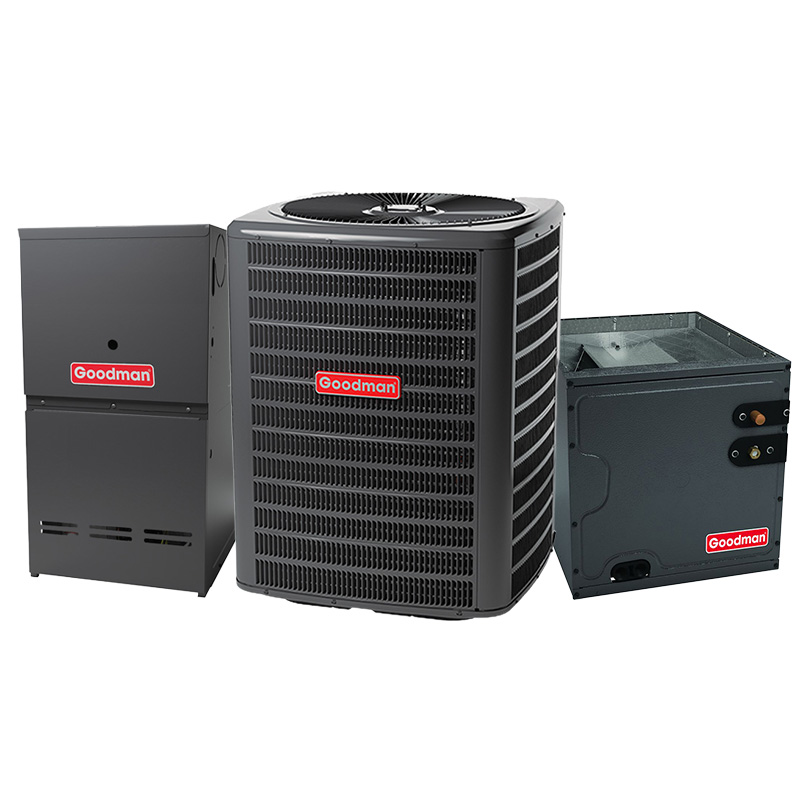
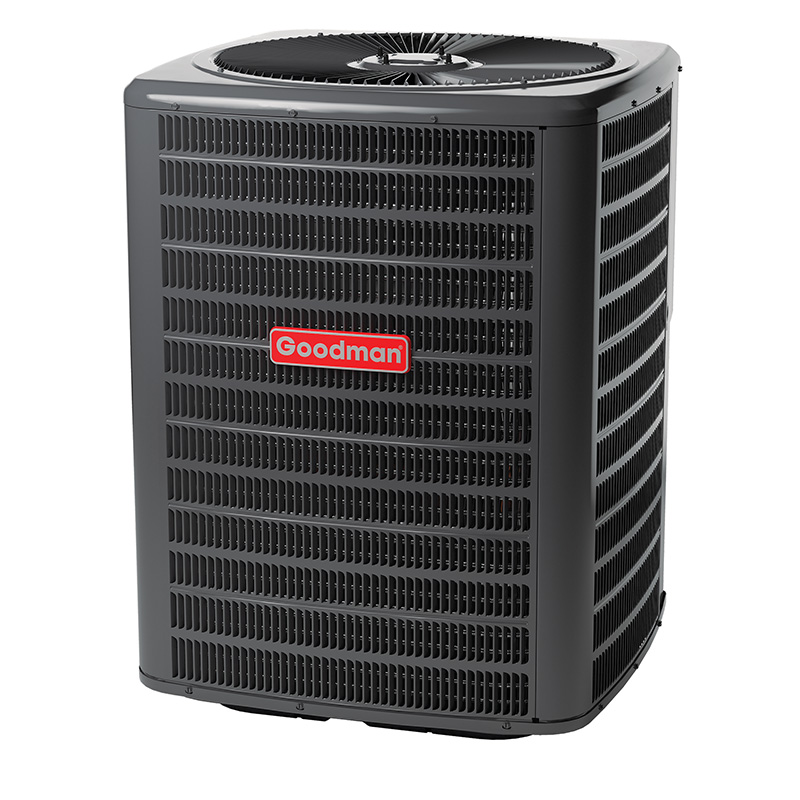
The Goodman 2.5-ton, 15.2 SEER2 air conditioner paired with an 80,000 BTU, 80% AFUE gas furnace is a straightforward split system aimed at homeowners who want reliable climate control without the price premium of top-tier brands. The 2.5-ton cooling capacity suits homes roughly in the 1,200 to 1,600 square foot range, though proper Manual J load calculations by your installer matter far more than any rule-of-thumb sizing. At 15.2 SEER2, the AC clears the federally mandated minimum for most regions but sits at the lower end of the efficiency spectrum, meaning you will not see the utility savings that a 17+ SEER2 variable-speed system can deliver over time.
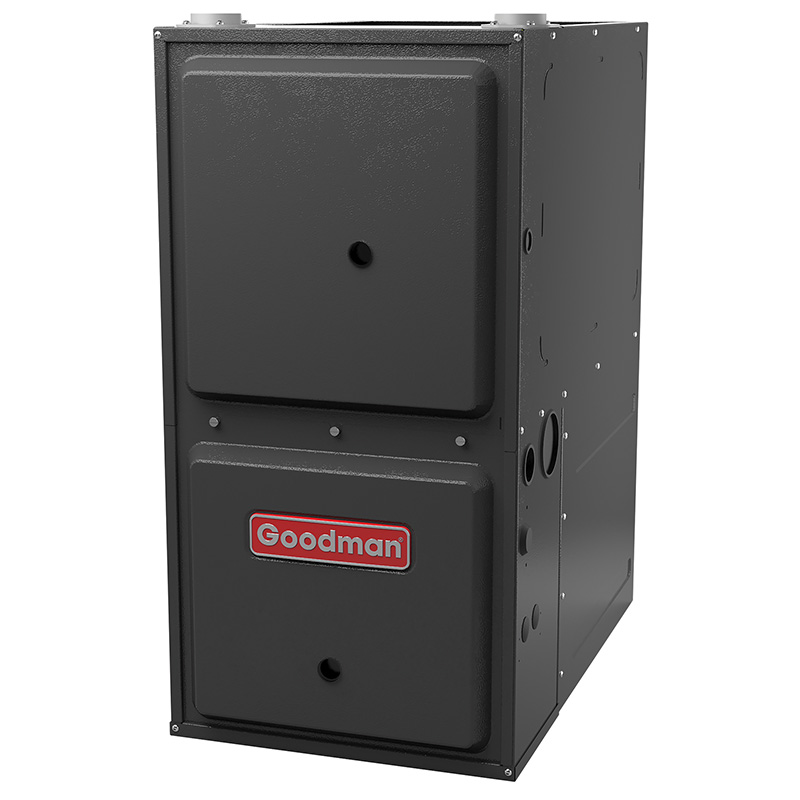
The furnace side runs at 80% AFUE, which means 20 cents of every fuel dollar exits through the flue. That is adequate for mild-to-moderate climates but less competitive than a 96% AFUE condensing furnace in colder regions where heating hours stack up. On the positive side, the multi-speed ECM blower motor delivers better humidity control and quieter low-demand operation than a standard single-speed motor, and Low NOx certification keeps the system compliant in areas with strict air-quality regulations. The downflow configuration is specific: warm air exits at the bottom of the furnace cabinet, making this unit suited for installations in a closet or platform above the living space, not a basement with a standard upflow duct layout. R-32 refrigerant carries a lower global warming potential than the R-410A it replaces, and its slightly higher energy efficiency characteristics contribute to the system’s SEER2 rating.
This Goodman bundle is a competitive entry-level package for buyers prioritizing upfront cost over long-term efficiency or premium longevity. The 15.2 SEER2 and 80% AFUE specs are serviceable but not exceptional, and real-world durability leans heavily on the quality of your installer. Budget-conscious homeowners in moderate climates who commit to regular maintenance will get reasonable service life, while those expecting premium-brand performance at this price point may be disappointed after year seven.
Overall score is the average of the five ratings above.
What we like
- Priced 15 to 25 percent below comparable Carrier, Trane, and Lennox systems, reducing initial outlay
- Multi-speed ECM blower improves comfort and humidity control compared to single-speed alternatives at this price tier
- R-32 refrigerant is lower impact environmentally and increasingly well-supported by service technicians
- Low NOx burner meets strict California and similar regional emissions requirements out of the box
- Capacitors, the most common failure point, are a low-cost repair in the $300 to $600 range when issues arise
Trade-offs
- 80% AFUE wastes one-fifth of fuel input and becomes costly in cold climates with long heating seasons
- Compressor lifespan averages 10 to 14 years versus 15 to 20 years for premium-brand compressors, raising long-term replacement risk
- Evaporator coil leaks are a documented pattern in owner reviews, and repairs can be expensive if discovered outside the parts warranty window
- Downflow-only configuration limits installation locations; incorrect application in an upflow setting will not work without a different model
What homeowners and pros say about Goodman
Homeowners who have lived with Goodman equipment long enough to form an opinion tend to land in one of two camps. Those who had a skilled, thorough installer and kept up with annual maintenance often report years of trouble-free operation and cite the lower purchase price as a genuine win. Those who had a rushed installation or skipped seasonal tune-ups more often end up on complaint channels like ConsumerAffairs, where Goodman scores around 2.5 out of 5 and the recurring frustration is repair bills that start climbing noticeably after roughly year seven. Google dealer reviews paint a more moderate picture at around 3.8 out of 5, with affordability coming up as the most common reason buyers chose the brand in the first place.
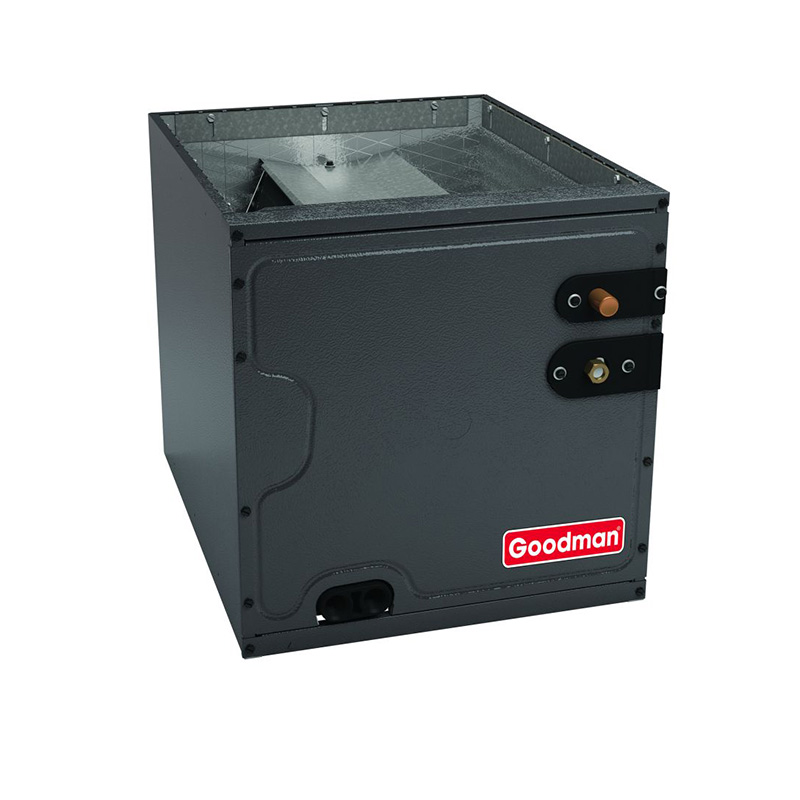
HVAC technicians who service Goodman units in the field are generally familiar with its documented weak spots. Dual-run capacitors are the most common call-out item and are considered a relatively easy, low-cost fix. Evaporator coil leaks show up often enough in owner accounts to be worth asking your installer about coil quality before the job starts. Compressor longevity is the bigger long-term concern: field experience and owner reports suggest Goodman compressors average 10 to 14 years, compared to 15 to 20 years for compressors in Trane, Carrier, or Lennox units. For this specific downflow configuration, technicians also emphasize that getting the installation orientation right from the start is non-negotiable, since improper setup can accelerate wear on every major component in the system.
Sources: ConsumerAffairs Goodman owner reviews, AHRI Directory of Certified Product Performance, U.S. DOE appliance and equipment efficiency standards, Goodman product specification sheets.
What it costs to run
At 15.2 SEER2, cooling this 2.5-ton system for a typical 1200-hour cooling season at the U.S. average electricity rate of $0.17/kWh works out to roughly $403 per year in cooling, about $54 less per year than a minimum-efficiency 13.4 SEER2 unit of the same size. Your real cost depends on your climate and local rate.
Method: (30,000 BTU/hr ÷ 15.2 SEER2) × 1200 hours ÷ 1000 × $0.17/kWh. Rate source: U.S. EIA average; cooling hours: moderate-climate estimate.
How it compares
| Brand | Comparable model | SEER2 | Stage | Price position |
|---|---|---|---|---|
| Goodman | 2.5 Ton 15.2 SEER2 AC / 80K BTU 80% AFUE Downflow ECM Bundle | 15.2 | Single-stage / Multi-speed | Value pick |
| Carrier | Comfort 24ACC636 AC / 58SB Furnace Series | 15.2 | Single-stage | Typically 15 to 25 percent more than this Goodman bundle |
| Trane | XR15 AC / S8B1 80% AFUE Furnace Series | 15.2 | Single-stage | Typically 20 to 30 percent more than this Goodman bundle |
| Lennox | Merit ML15 AC / ML180 80% AFUE Furnace Series | 15.2 | Single-stage | Typically 20 to 30 percent more than this Goodman bundle |
Competitor rows are comparable single-stage units at similar efficiency; price is relative position, not a quote.
Questions about this system
Is downflow the right configuration for my installation, and can I use this furnace in a horizontal or upflow position?
No. This unit is factory-configured for downflow only, meaning the air supply exits at the bottom of the cabinet. It is designed for closet installs or platforms where ductwork runs below the furnace. Using it in a basement upflow or attic horizontal application requires a different model; forcing a downflow unit into another orientation risks improper airflow, safety issues, and voided warranty coverage.
What does 80% AFUE actually cost me compared to a 96% AFUE furnace in a cold climate?
At 80% AFUE, 20% of the gas you pay for exits as exhaust. A 96% AFUE furnace would recover most of that loss. In a climate where you spend $1,200 per year on gas heating, the difference can run $150 to $200 annually, meaning a higher-efficiency furnace can pay back its price premium in five to eight years depending on local gas rates and your heating load.
R-32 is new to me. Is it easy to service, and does it change refrigerant handling for my technician?
R-32 is a single-component refrigerant, which actually makes charging and recovery simpler than R-410A blends. It is mildly flammable (A2L classification), so technicians need R-32-rated equipment and should follow updated safety protocols. Most professional HVAC technicians in the U.S. are already being trained on A2L refrigerants as the industry transitions away from R-410A.
Goodman has mixed reviews online. What are the most common repair issues I should budget for?
The most frequently documented failure is the dual-run capacitor, which typically costs $300 to $600 to replace and is a straightforward repair. Evaporator coil leaks appear in a meaningful share of owner reports and can be substantially more expensive. Compressors on Goodman units tend to average 10 to 14 years of service life, shorter than the 15 to 20 years often seen with premium brands, so it is worth budgeting for a possible compressor or full-unit replacement in that window.
What warranty does this system carry, and what do I need to do to activate it?
Goodman typically offers a 10-year parts warranty on registered units, but registration must be completed within a set window after installation (often 60 days) to qualify for the full term. Unregistered units generally drop to a shorter base warranty. The labor warranty is not covered by Goodman directly; that comes from your installing contractor, so confirm what labor coverage your dealer provides before signing off on the job.
Specifications
| Cooling capacity | 2.5 Ton |
| Efficiency | 15.2 SEER2 |
| Furnace output | 80000 BTU |
| Furnace efficiency | 80% AFUE |
| Configuration | Downflow |
| Refrigerant | R-32 |