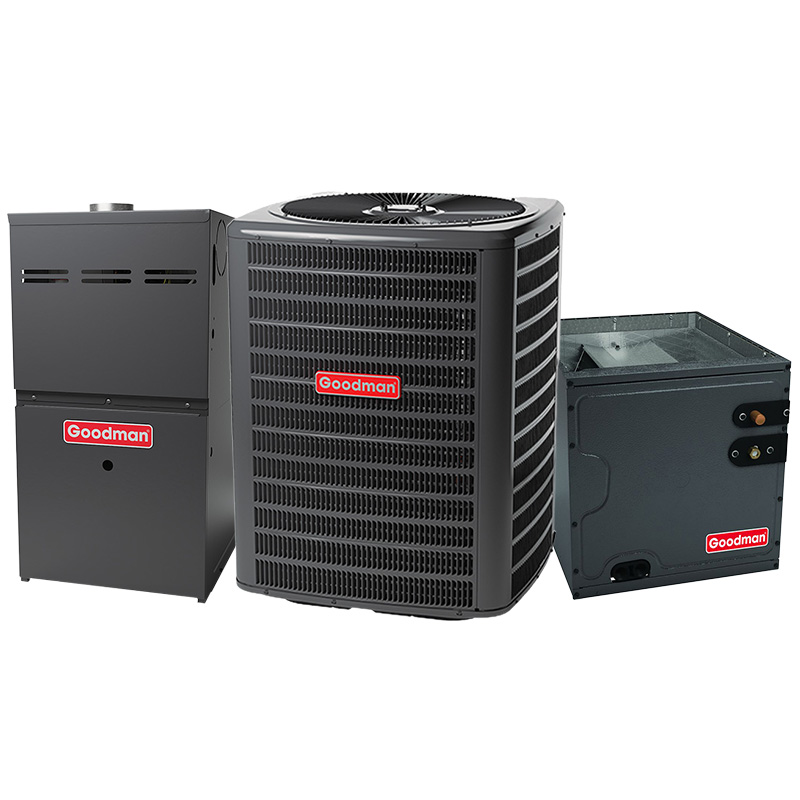
Goodman 2.5 Ton AC And 80000 BTU 80% AFUE Gas Furnace System | 15.2 SEER2 AC | Multi-Speed ECM Low NOx Furnace | Upflow | R32
View on AC Direct see your lowest price →Check current price on AC Direct →
Key features
- 15.2 SEER2 central air conditioner, 2.5-ton cooling capacity
- 80,000 BTU output gas furnace rated at 80% AFUE efficiency
- Multi-speed ECM blower motor for quieter, more even airflow
- Upflow configuration designed for basement or closet installations
- R-32 refrigerant with lower global-warming potential than R-410A
- Low NOx burner design reduces nitrogen oxide emissions
About this system
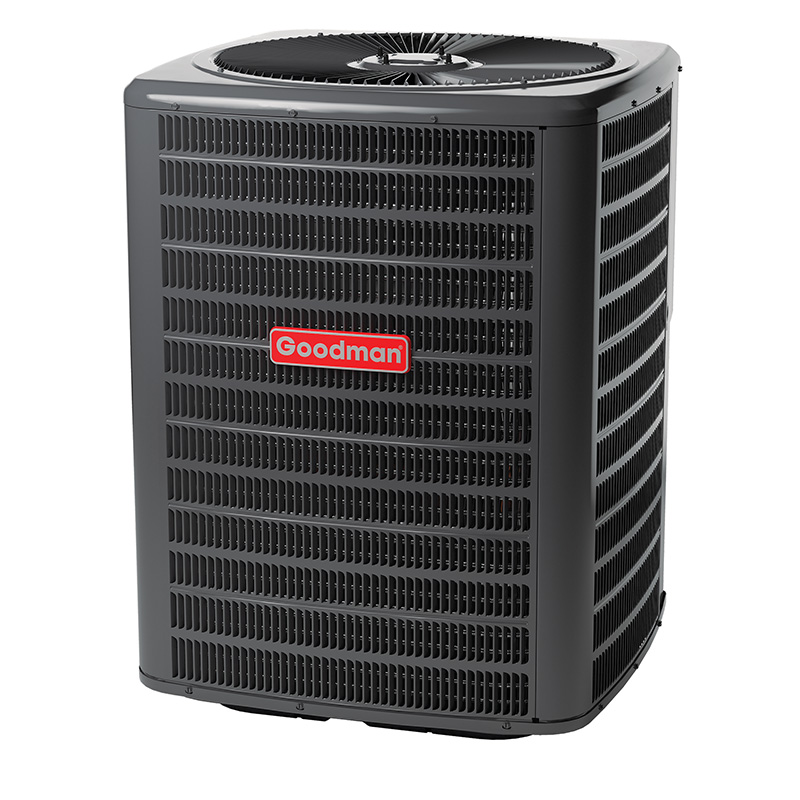
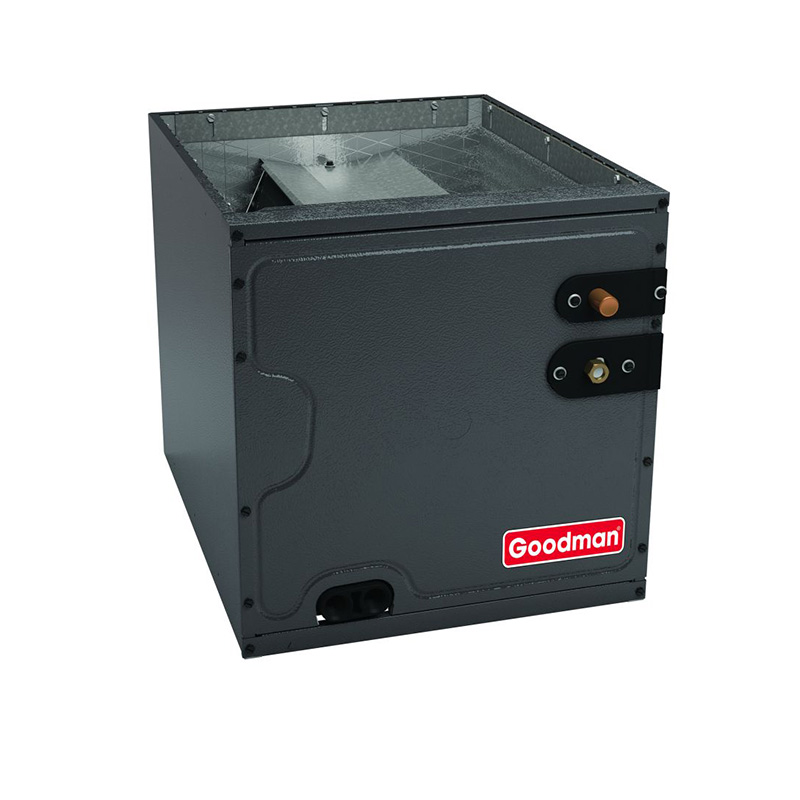
The Goodman 2.5-ton, 15.2 SEER2 air conditioner paired with an 80,000 BTU, 80% AFUE upflow gas furnace is a straightforward split system aimed at homeowners who want reliable year-round comfort without paying premium-brand prices. The 2.5-ton cooling capacity is a common fit for homes roughly in the 1,200 to 1,600 square foot range, though actual sizing should always be confirmed with a Manual J load calculation. At 15.2 SEER2, the AC meets the current federal minimum efficiency standard for most U.S. regions and will run noticeably more efficiently than older 13 or 14 SEER equipment, though it stops short of the higher-efficiency tiers that carry a larger upfront cost.
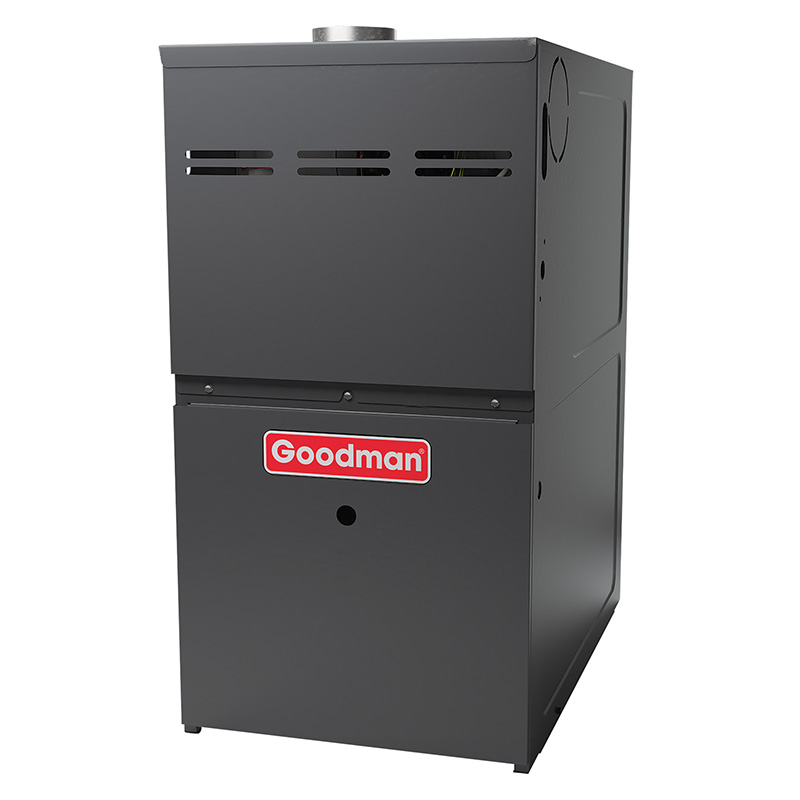
The furnace side runs on R-32 refrigerant in the cooling circuit, a lower global-warming-potential option compared to the older R-410A, which is being phased out industry-wide. The 80% AFUE rating means 80 cents of every dollar in gas becomes usable heat, which is the entry-level efficiency tier for modern furnaces. Homeowners in mild-to-moderate heating climates or those with well-insulated homes often find 80% AFUE adequate, but those in colder regions might want to compare the long-run fuel savings of a 96% or higher AFUE unit before committing. The multi-speed ECM blower motor is a genuine comfort upgrade over single-speed motors, offering quieter operation, more even temperature distribution, and better dehumidification at part-load conditions.
This Goodman system delivers a functional, code-compliant split system at a price point that is genuinely difficult to match from premium brands. The 15.2 SEER2 rating is entry-level efficiency and the 80% AFUE furnace will not minimize gas bills in cold climates, but both are honest, capable performers when properly installed. The biggest variable is installation quality, which Goodman's own track record underscores more than most brands.
Overall score is the average of the five ratings above.
What we like
- Priced roughly 15 to 25 percent below comparable Trane, Lennox, and Carrier systems, leaving budget for a quality install
- R-32 refrigerant is a forward-looking choice as R-410A is phased out industry-wide
- Multi-speed ECM blower improves dehumidification and comfort over single-speed alternatives at this price tier
- Low NOx furnace reduces local air-quality impact, required in some California and other air-quality districts
- Upflow configuration is a widely stocked, technician-familiar setup that keeps future service straightforward
Trade-offs
- 80% AFUE is the lowest efficiency tier available; homeowners in cold climates will pay meaningfully more in annual gas costs versus a 96% AFUE unit
- Dual-run capacitors are the most frequently reported failure point, typically needing replacement within the first 7 to 10 years
- Compressor lifespan averages 10 to 14 years versus 15 to 20 years for premium-brand compressors, raising long-term replacement risk
- A minority of owners report refrigerant leaks and evaporator coil issues, making installer vetting and coil inspection at commissioning especially important
What homeowners and pros say about Goodman
Homeowners who choose Goodman most often point to affordability as the deciding factor, and that pattern holds in Google dealer reviews, where the brand averages around 3.8 out of 5 across hundreds of location-level ratings. Praise for the lower price is consistent, and many owners report years of trouble-free operation when the equipment was installed carefully. On ConsumerAffairs, however, the picture is rougher: Goodman scores around 2.5 out of 5, with the recurring complaint being repair costs that start climbing after roughly year seven. That gap between the two sources is worth understanding: ConsumerAffairs attracts frustrated owners more than satisfied ones, while dealer reviews capture a broader mix. Neither score should be dismissed entirely.
HVAC technicians who work on Goodman equipment regularly tend to flag the same issues that show up in owner reviews. Dual-run capacitors are the most commonly replaced component, a repair that is relatively inexpensive at $300 to $600 but annoys owners who expected more from a newer system. Evaporator coil leaks are a documented pattern in a meaningful share of units, and compressor longevity averages 10 to 14 years, shorter than the 15 to 20 years more commonly associated with Trane, Carrier, or Lennox compressors. A minority of owners also report refrigerant leaks within the first year, which technicians consistently attribute to install or charge errors rather than a factory defect. The consistent pro-technician advice for Goodman buyers is simple: spend what you save on equipment on a genuinely skilled installer, because the margin between a good Goodman install and a poor one is wider than it is for most premium brands.
Sources: ConsumerAffairs Goodman owner reviews, AHRI Directory of Certified Product Performance, U.S. DOE appliance and equipment efficiency standards, Goodman product specification sheets.
What it costs to run
At 15.2 SEER2, cooling this 2.5-ton system for a typical 1200-hour cooling season at the U.S. average electricity rate of $0.17/kWh works out to roughly $403 per year in cooling, about $54 less per year than a minimum-efficiency 13.4 SEER2 unit of the same size. Your real cost depends on your climate and local rate.
Method: (30,000 BTU/hr ÷ 15.2 SEER2) × 1200 hours ÷ 1000 × $0.17/kWh. Rate source: U.S. EIA average; cooling hours: moderate-climate estimate.
How it compares
| Brand | Comparable model | SEER2 | Stage | Price position |
|---|---|---|---|---|
| Goodman | GSX*/GMSS80 Series (this system) | 15.2 | Single-stage | Value pick |
| Carrier | Performance 14 (24ACC6) with 80% AFUE 58SC furnace | 15.2 | Single-stage | Typically 15 to 25 percent more than this system |
| Trane | XR14c with S8X1 80% AFUE furnace | 15.2 | Single-stage | Typically 20 to 30 percent more than this system |
| Lennox | Merit 14ACX with ML180 80% AFUE furnace | 15.2 | Single-stage | Typically 20 to 30 percent more than this system |
Competitor rows are comparable single-stage units at similar efficiency; price is relative position, not a quote.
Questions about this system
Is 15.2 SEER2 going to save me money compared to my old system?
If you are replacing equipment rated at 13 SEER or lower, yes, you will see a noticeable reduction in cooling energy use. If you are coming from a 16 SEER or higher system, the savings difference will be minimal. The bigger efficiency gains at this price point come from fixing duct leaks and ensuring a proper refrigerant charge during installation.
Why is the furnace only 80% AFUE, and should I pay more for a higher-efficiency model?
80% AFUE is the baseline efficiency tier and works adequately in mild climates or well-insulated homes with moderate heating loads. In climates with long, cold winters, a 96% AFUE furnace can cut heating costs by 15 to 20 percent annually, often recouping the price difference within a few years through lower gas bills.
What does the multi-speed ECM blower motor actually do differently?
Unlike a single-speed motor that runs at full blast or not at all, the ECM motor ramps up and down to match demand. This produces quieter operation, more consistent temperatures room to room, and better moisture removal on humid days, all without a large increase in electricity use compared to a standard PSC motor.
The system uses R-32 refrigerant. Will that cause any service problems?
R-32 is becoming common as R-410A is phased out, and most licensed technicians are already trained to handle it. It does require slightly different handling procedures and dedicated tools, so confirm that your service contractor is familiar with R-32 before scheduling routine maintenance or any refrigerant work.
What are the most likely repairs I should budget for over the first 10 years?
Dual-run capacitor replacement is the most commonly reported Goodman repair, typically costing between $300 and $600 and usually a straightforward fix. Evaporator coil leaks and refrigerant issues also show up in owner reviews; having your installer pressure-test the system at commissioning and confirming a correct refrigerant charge can reduce that risk early on.
Specifications
| Cooling capacity | 2.5 Ton |
| Efficiency | 15.2 SEER2 |
| Furnace output | 80000 BTU |
| Furnace efficiency | 80% AFUE |
| Configuration | Upflow |
| Refrigerant | R-32 |