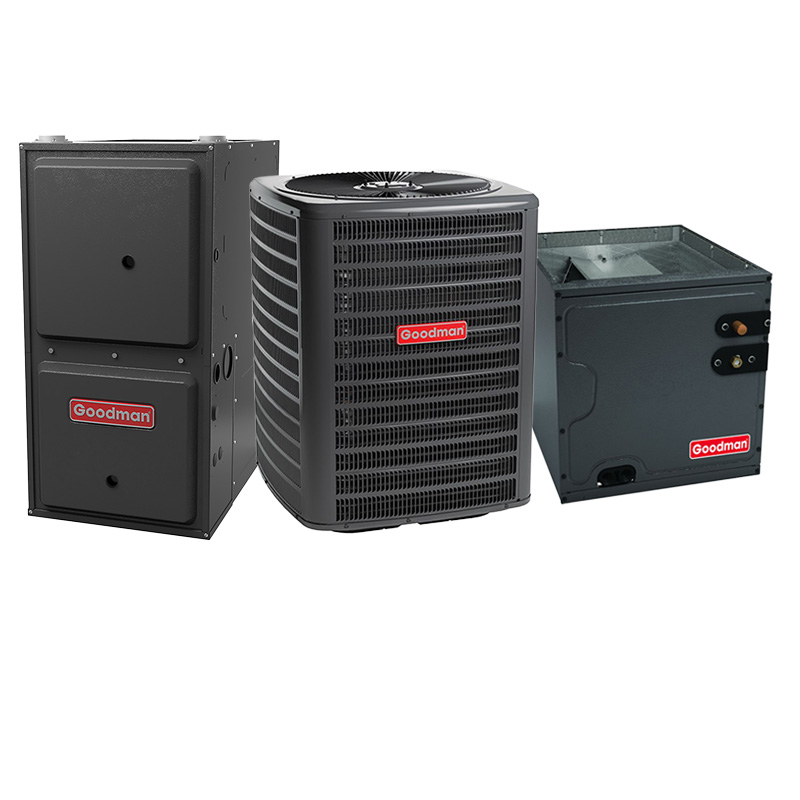
Goodman 2.5 Ton 15.2 SEER2 R32 AC System with 80,000 BTU 80% AFUE Gas Furnace – California & Colorado Ultra Low NOx, Upflow, Multi-Speed ECM
View on AC Direct see your lowest price →Check current price on AC Direct →
Key features
- 15.2 SEER2 cooling efficiency meets 2023+ federal minimums and California/Colorado Ultra Low NOx requirements
- R-32 refrigerant with lower global warming potential than R-410A
- 80,000 BTU 80% AFUE gas furnace in upflow configuration for basement or ground-level installs
- Multi-speed ECM blower motor reduces energy use and sound levels compared to single-speed PSC motors
- Designed for 2.5-ton capacity, suitable for roughly 1,200 to 1,800 sq ft depending on climate and load
- Factory-matched system simplifies AHRI certification and can support utility rebate applications
About this system
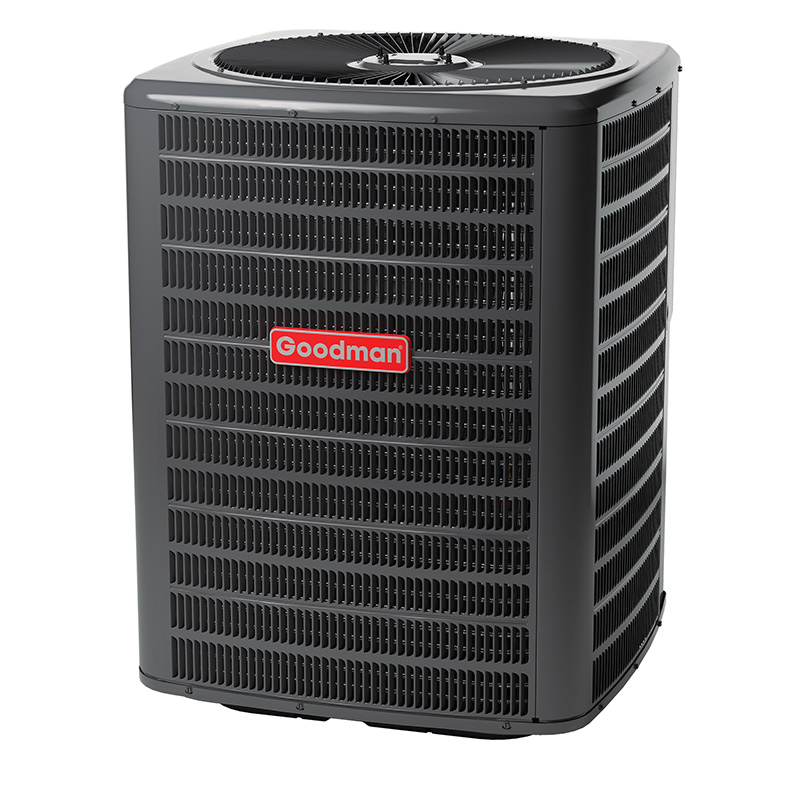
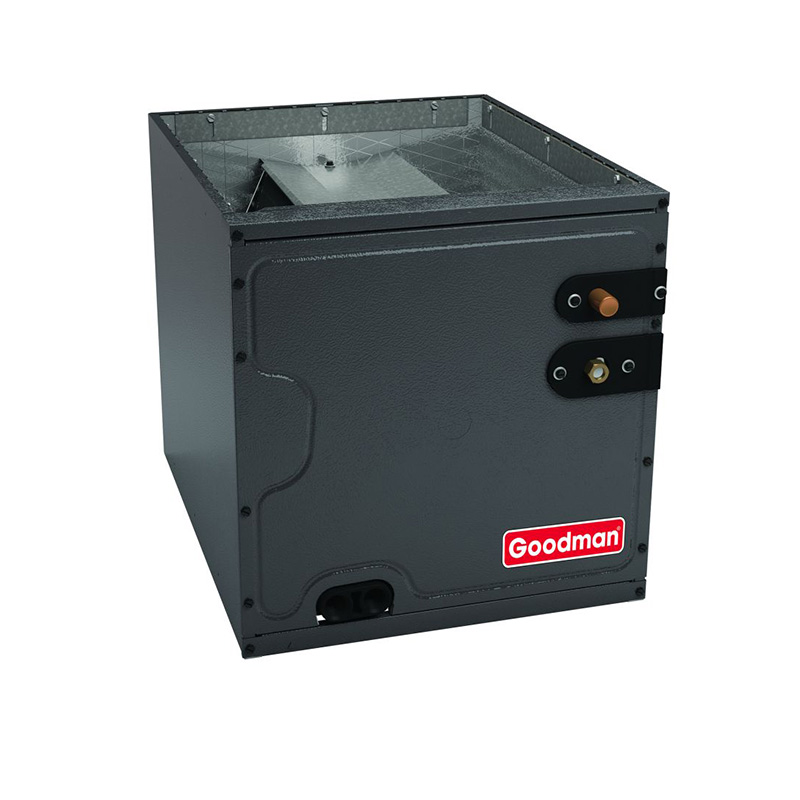
The Goodman 2.5 Ton 15.2 SEER2 R-32 air conditioning system paired with an 80,000 BTU 80% AFUE gas furnace is a entry-to-mid-tier split system built for homes in the 1,200 to 1,800 square foot range, depending on local climate and insulation. The 15.2 SEER2 rating clears the federal minimum for most U.S. regions and satisfies California and Colorado Ultra Low NOx emissions requirements, making this one of the few ready-to-ship configurations legal in those states without additional modification. R-32 refrigerant replaces the older R-410A standard and carries a lower global warming potential, which is increasingly relevant as refrigerant regulations tighten across North America.
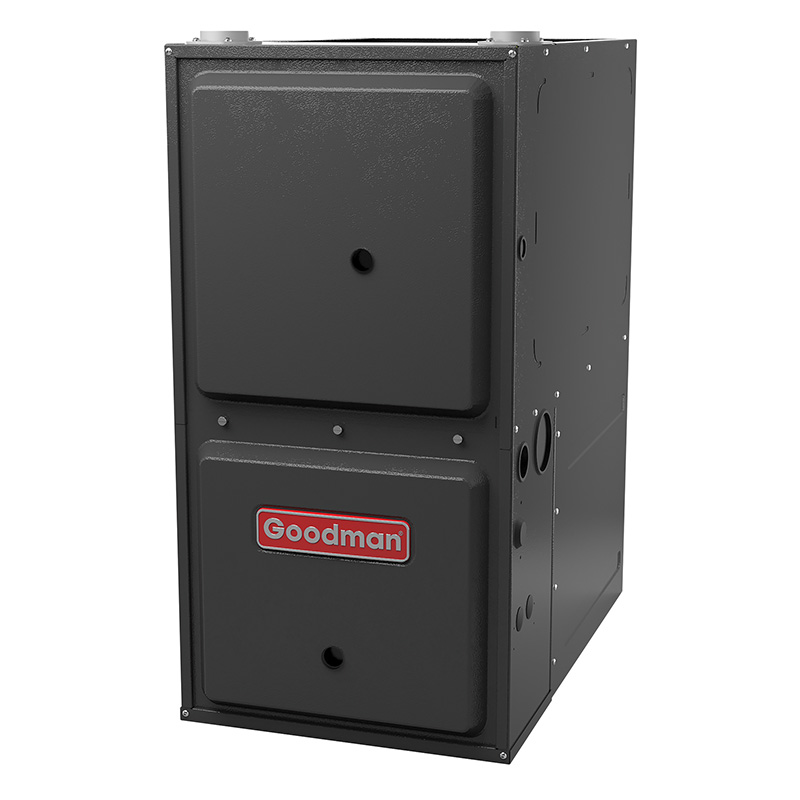
The upflow furnace configuration directs heated air upward through the supply plenum, which suits homes with a basement or ground-level mechanical room feeding ductwork that rises through the living space. The multi-speed ECM blower motor adjusts airflow more precisely than a standard PSC motor, reducing static noise at lower demand and cutting blower electricity consumption compared to single-speed alternatives. At 80% AFUE, roughly 20 cents of every gas dollar exits as exhaust, so this furnace sits at the lower end of efficiency for new installations and is better suited to mild-winter climates or buyers who prioritize lower upfront cost over long-term gas savings. Homeowners in colder climates who run their furnace heavily from October through March will want to weigh the lifetime gas cost difference against a 90% or 96% AFUE alternative before deciding.
This Goodman system delivers a code-compliant, regionally legal solution at a price point noticeably below premium brands, making it a practical choice for budget-conscious buyers who understand they are accepting a shorter expected compressor lifespan and a higher likelihood of mid-life repairs in exchange for lower upfront cost. The 80% AFUE furnace limits long-term gas savings, and reliability outcomes are heavily dependent on who installs and commissions the equipment. It is a fair value, not a best-in-class product.
Overall score is the average of the five ratings above.
What we like
- Priced 15 to 25 percent below comparable Trane, Carrier, and Lennox systems, lowering the barrier to new equipment
- R-32 refrigerant compliance positions the system well for tightening refrigerant regulations
- Ultra Low NOx certification covers California and Colorado, two of the most restrictive markets in the country
- Multi-speed ECM blower improves comfort and reduces operating noise compared to basic single-speed motors
- Factory-matched AHRI rating simplifies permit and rebate paperwork
Trade-offs
- 80% AFUE furnace trails high-efficiency alternatives by 10 to 16 percentage points, increasing annual gas costs in cold climates
- Compressor lifespan averages 10 to 14 years versus 15 to 20 years typical of premium brands, meaning replacement may come sooner
- Documented failure modes include dual-run capacitor failures, evaporator coil leaks, and a minority of early refrigerant leaks often tied to installation quality
- ConsumerAffairs rating of approximately 2.5 out of 5 reflects a recurring pattern of repair costs rising after year 7, signaling higher long-term maintenance budgeting may be needed
What homeowners and pros say about Goodman
Homeowners who have lived with Goodman equipment tend to sort into two camps. Those who had a careful installation from an experienced technician often report years of unremarkable, functional service and point to affordability as the main reason they chose the brand, consistent with Google dealer review scores that cluster around 3.8 out of 5 where value for money is the most cited positive. The other camp surfaces heavily on complaint-weighted channels like ConsumerAffairs, where Goodman’s score sits near 2.5 out of 5, and where the recurring story is a system that ran adequately for six or seven years before repair bills started accumulating. The specific failure modes that appear most often in those accounts are dual-run capacitor failures, evaporator coil refrigerant leaks, and compressor wear that arrives earlier than owners expected.
HVAC technicians who work on Goodman equipment regularly tend to describe it as workable but not forgiving. They note that the brand’s reputation leans heavily on how cleanly the system is commissioned at startup, including proper refrigerant charge, airflow balancing, and electrical connections, because the equipment has less margin for a sloppy install than a premium unit might. For this R-32 system specifically, technicians flag that R-32’s A2L flammability classification adds a procedural step at every refrigerant service, and that any first-year refrigerant leak is almost always a charge or connection issue at install rather than a factory problem. The bottom line from the field is that Goodman gives you a functional system at a real cost savings, but the savings are most durable when paired with a skilled installer and a realistic maintenance budget for the back half of the system’s life.
Sources: ConsumerAffairs Goodman owner reviews, AHRI Directory of Certified Product Performance, U.S. DOE appliance and equipment efficiency standards, Goodman product specification sheets.
What it costs to run
At 15.2 SEER2, cooling this 2.5-ton system for a typical 1200-hour cooling season at the U.S. average electricity rate of $0.17/kWh works out to roughly $403 per year in cooling, about $54 less per year than a minimum-efficiency 13.4 SEER2 unit of the same size. Your real cost depends on your climate and local rate.
Method: (30,000 BTU/hr ÷ 15.2 SEER2) × 1200 hours ÷ 1000 × $0.17/kWh. Rate source: U.S. EIA average; cooling hours: moderate-climate estimate.
How it compares
| Brand | Comparable model | SEER2 | Stage | Price position |
|---|---|---|---|---|
| Goodman | GSXH5 / GMVC8 Series (this system) | 15.2 | Single-stage / Multi-speed | Value pick |
| Carrier | Comfort 24ACC6 / 58TP Series | 15.2 | Single-stage | Typically 15 to 25 percent more than this Goodman system |
| Trane | XR15 / S8X1 Series | 15.2 | Single-stage | Typically 15 to 25 percent more than this Goodman system |
| Lennox | Merit ML15XC1 / ML180 Series | 15.2 | Single-stage | Typically 15 to 25 percent more than this Goodman system |
Competitor rows are comparable single-stage units at similar efficiency; price is relative position, not a quote.
Questions about this system
Is this system actually legal to install in California and Colorado, or do I need extra parts?
This specific configuration carries the Ultra Low NOx certification required by California's SCAQMD and Colorado air quality rules, so it ships ready for installation in those states without additional burner modifications. Always confirm your local jurisdiction's current NOx threshold with your installer before purchasing, as rules can update.
My house is in a cold climate. Is the 80% AFUE furnace going to cost me a lot more to run than a 96% model?
In a climate where you run the furnace four to six months a year, the gap between 80% and 96% AFUE translates to roughly 16 cents wasted per dollar of gas at 80% versus about 4 cents at 96%. Over a full heating season that difference can add up to meaningful annual savings, and a high-efficiency furnace often pays back the price premium within several years in cold regions. If you are in a mild-winter area with short heating seasons, the payback period stretches considerably and the 80% unit is easier to justify.
What repairs should I budget for over the life of this system?
The most commonly reported failure on Goodman equipment is the dual-run capacitor, typically a straightforward repair in the $300 to $600 range. Evaporator coil leaks and refrigerant leaks show up in a meaningful share of owner reports, with early leaks often pointing to installation issues rather than a factory defect. Compressors on Goodman units average 10 to 14 years, so budgeting for a possible compressor replacement or full system swap in that window is prudent.
Does R-32 refrigerant affect what I should tell my HVAC technician at service time?
Yes. R-32 is mildly flammable (A2L classification), so technicians need to follow updated handling procedures and some older recovery equipment is not rated for it. Most current service trucks are equipped appropriately, but it is worth confirming your technician has R-32 certified recovery equipment before scheduling a refrigerant service call.
Will an upflow furnace work if my ductwork runs through the attic instead of the basement?
Upflow configurations are designed to discharge air from the top of the unit, which works well when supply ducts run upward from a basement or ground-level closet. If your ducts drop down from an attic or run horizontally, you would typically need a downflow or horizontal configuration instead. Confirm your duct layout with your installer before ordering to avoid a costly configuration mismatch.
Specifications
| Cooling capacity | 2.5 Ton |
| Efficiency | 15.2 SEER2 |
| Furnace output | 80,000 BTU |
| Furnace efficiency | 80% AFUE |
| Configuration | Upflow |
| Refrigerant | R-32 |