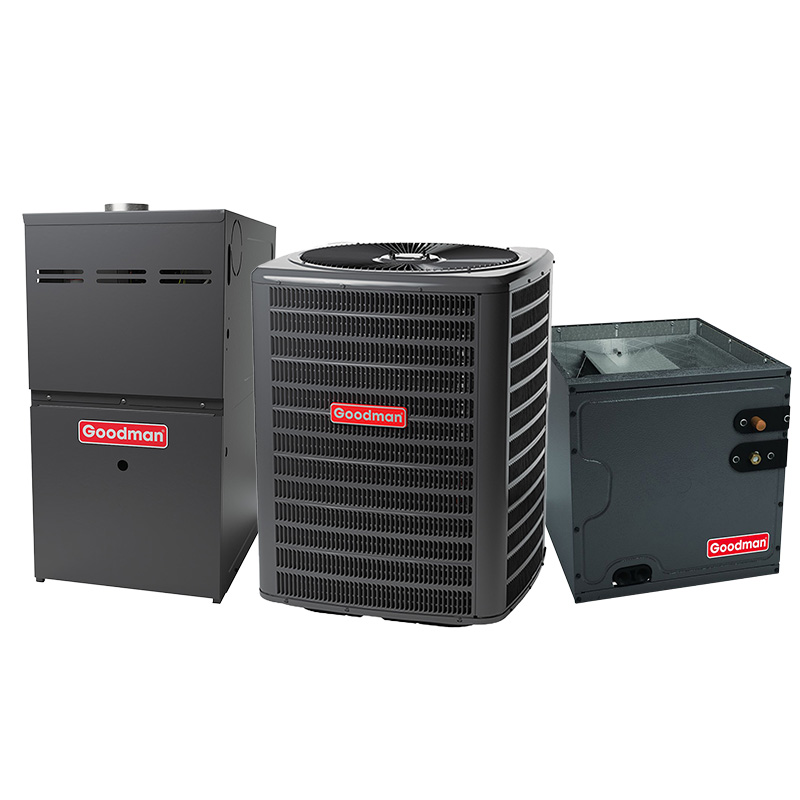
Goodman 2.5 Ton Dual Fuel Hybrid Heat Pump System – 60000 BTU California Low NOx Gas Furnace, 80% AFUE, 14.5 SEER2, Upflow, R32
View on AC Direct see your lowest price →Check current price on AC Direct →
Key features
- Dual fuel hybrid operation: heat pump handles mild conditions, gas furnace takes over in colder temps
- 14.5 SEER2 cooling efficiency, meeting current federal minimum standards
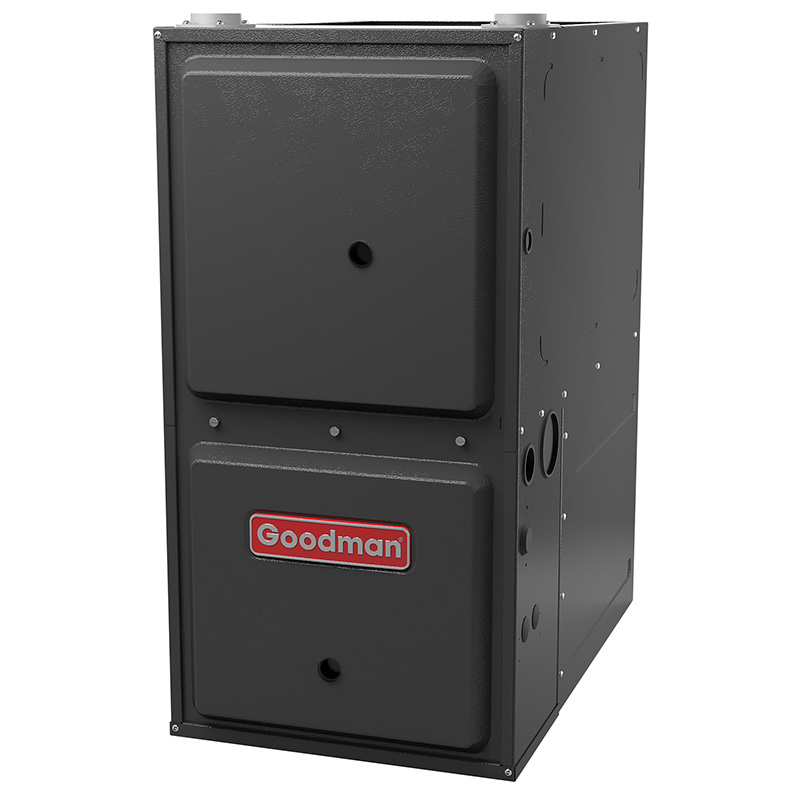
- 80% AFUE upflow gas furnace, 60,000 BTU heating capacity
- R-32 refrigerant with lower global warming potential than R-410A
- Upflow configuration designed for basement or ground-level mechanical room installs
- Matched Goodman system eligible for full manufacturer warranty when registered
About this system
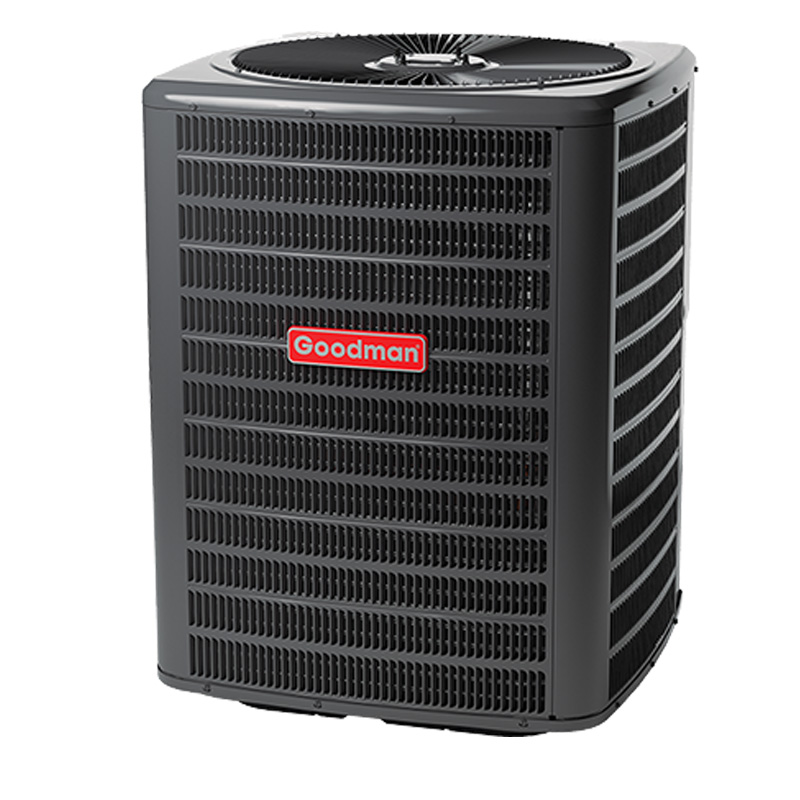
The Goodman 2.5 Ton Dual Fuel Hybrid Heat Pump System pairs a 14.5 SEER2 heat pump with a 60,000 BTU, 80% AFUE upflow gas furnace in a single matched package. The dual fuel setup is the core appeal here: the system automatically switches between electric heat pump operation and gas heat depending on outdoor temperatures, letting the heat pump carry the load during mild weather and handing off to the furnace when efficiency would otherwise drop. For homes in mixed climates where winters get genuinely cold but not brutal, this arrangement can reduce annual heating costs compared to a straight gas system or a cold-climate heat pump alone.
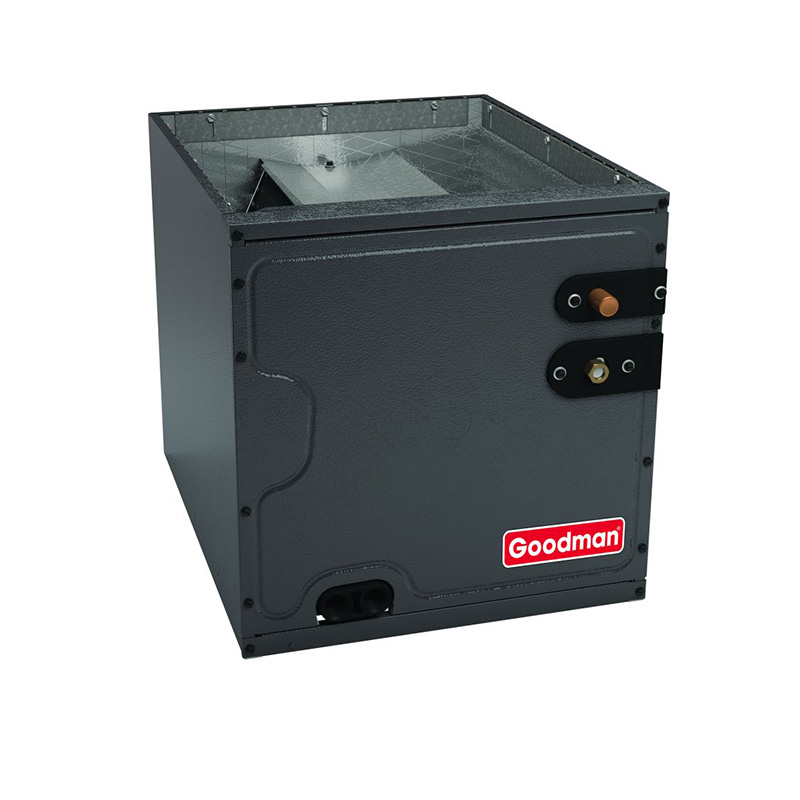
The R-32 refrigerant is a practical forward-looking choice. R-32 has a lower global warming potential than the R-410A it replaces and is becoming the standard across the industry, so technicians and parts availability should remain solid for the life of this system. The upflow configuration means warm or conditioned air exits the top of the air handler, making it a natural fit for systems installed in a basement, crawl space, or ground-level mechanical room where ductwork runs up through the floor system. At 80% AFUE, the furnace side returns 80 cents of heat for every dollar of gas burned, which sits at the entry level of efficiency and means this is not the right match for homeowners prioritizing maximum gas savings.
This system is best suited for moderate-sized homes in climate zones 4 through 6 where both heating and cooling loads are real but neither is extreme. Budget-focused buyers who want a dual fuel setup without paying Trane or Carrier prices will find the value proposition straightforward, provided they invest in a skilled installer, which matters more with Goodman than with premium brands.
This system delivers a functional dual fuel hybrid setup at a price point that undercuts Carrier, Trane, and Lennox by a meaningful margin, and the R-32 refrigerant keeps it current. The trade-offs are real though: 80% AFUE is the floor of gas efficiency, compressor longevity trails premium brands, and Goodman's track record puts a premium on hiring an experienced installer rather than the cheapest bidder.
Overall score is the average of the five ratings above.
What we like
- Dual fuel hybrid logic reduces operating costs in mixed climates compared to gas-only or heat-pump-only systems
- R-32 refrigerant is industry-forward and serviceable by most current technicians
- Purchase price typically 15 to 25 percent below comparable Carrier, Trane, and Lennox configurations
- 14.5 SEER2 meets federal efficiency standards and qualifies the system for many utility rebate programs
- Matched factory system simplifies warranty claims and reduces compatibility guesswork
Trade-offs
- 80% AFUE is the lowest efficiency tier for gas furnaces; a 96% AFUE alternative pays back in gas savings over time
- Compressor lifespan averages 10 to 14 years versus 15 to 20 years typical of premium brands
- Documented evaporator coil leaks and dual-run capacitor failures are recurring themes in owner feedback
- A minority of owners report refrigerant leaks within the first year, most traced to installation or charge issues rather than equipment defects
What homeowners and pros say about Goodman
Homeowners who chose Goodman equipment consistently point to the lower purchase price as the reason they bought, and that pattern holds for dual fuel configurations like this one. On ConsumerAffairs, where the audience skews heavily toward people with problems to report, Goodman sits at roughly 2.5 out of 5 stars, with the recurring complaint being repair bills that start climbing after about year seven. Google dealer reviews tell a different story, averaging around 3.8 out of 5 across hundreds of location-level reviews, where buyers who got a solid install and kept up with maintenance tend to be satisfied. The gap between those two scores reflects something real: Goodman equipment is more sensitive to the quality of the original installation than premium brands are, and owners who skimped on the contractor often end up funding the savings gap through service calls.
HVAC technicians who work on Goodman equipment regularly cite dual-run capacitor failures as the most predictable repair on these systems, typically a low-cost fix but one that comes up more often than on Trane or Carrier equipment. Evaporator coil leaks also appear in a meaningful share of owner feedback, and compressor longevity on Goodman units tends to average 10 to 14 years compared to the 15 to 20 years technicians associate with premium brands. For a dual fuel system specifically, a small minority of owners have reported refrigerant leaks within the first year, which technicians almost always trace back to installation or initial charge problems rather than a factory defect. The honest takeaway is that this system can perform well and deliver real value, but the outcome depends more on who installs it and how it is maintained than is true of the brands it undercuts on price.
Sources: ConsumerAffairs Goodman owner reviews, AHRI Directory of Certified Product Performance, U.S. DOE appliance and equipment efficiency standards, Goodman product specification sheets.
What it costs to run
At 14.5 SEER2, cooling this 2.5-ton system for a typical 1200-hour cooling season at the U.S. average electricity rate of $0.17/kWh works out to roughly $422 per year in cooling, about $35 less per year than a minimum-efficiency 13.4 SEER2 unit of the same size. Your real cost depends on your climate and local rate.
Method: (30,000 BTU/hr ÷ 14.5 SEER2) × 1200 hours ÷ 1000 × $0.17/kWh. Rate source: U.S. EIA average; cooling hours: moderate-climate estimate.
How it compares
| Brand | Comparable model | SEER2 | Stage | Price position |
|---|---|---|---|---|
| Goodman | 2.5 Ton Dual Fuel Hybrid – 60K BTU 80% AFUE Upflow / 14.5 SEER2 R-32 | 14.5 | Single-stage | Value pick |
| Carrier | Performance Series Dual Fuel (25HCE3 heat pump paired with 59SC5 80% AFUE furnace) | 15.0–16.0 | Single-stage | Typically 15 to 25 percent more than Goodman |
| Trane | XR15 Dual Fuel (XR15 heat pump paired with S8X1 80% AFUE furnace) | 15.0 | Single-stage | Typically 15 to 25 percent more than Goodman |
| Lennox | Merit Series Dual Fuel (14HPX heat pump paired with ML180 80% AFUE furnace) | 14.3–15.0 | Single-stage | Typically 15 to 25 percent more than Goodman |
Competitor rows are comparable single-stage units at similar efficiency; price is relative position, not a quote.
Questions about this system
At what outdoor temperature does this system switch from the heat pump to the gas furnace?
The balance point is typically set by the installer during commissioning, often somewhere between 35 and 45 degrees Fahrenheit, depending on your local climate and your home's heating load. Below that point the furnace carries the heat because gas becomes more cost-effective than running the heat pump in very cold air. Getting that balance point dialed in correctly is one reason installer experience matters a lot with dual fuel systems.
Is 80% AFUE going to cost me significantly more to run than a higher-efficiency furnace?
On a 60,000 BTU furnace running moderate hours, the gap between 80% and 96% AFUE can add up to a few hundred dollars annually depending on your local gas rates and how cold your winters get. Because this is a hybrid system and the heat pump handles milder days, the furnace runs fewer total hours than in a gas-only setup, which softens the efficiency penalty somewhat but does not eliminate it.
What are the most common repairs I should budget for over the first ten years?
Dual-run capacitor failure is the most frequently reported issue on Goodman equipment and is typically a straightforward repair in the 300 to 600 dollar range. Evaporator coil leaks appear in a meaningful share of owner reviews and are more expensive to address. Keeping up with annual maintenance, including refrigerant charge checks, reduces the odds of both.
Does this system qualify for the federal energy efficiency tax credit?
The heat pump component may qualify for the 25C federal tax credit if it meets the required efficiency thresholds in effect at the time of installation, but the 80% AFUE furnace on its own does not meet the 97% AFUE threshold the credit requires for gas furnaces. You should verify current IRS guidance and consult your tax advisor before purchasing based on credit eligibility.
Why does Goodman's reliability reputation vary so much depending on where you read reviews?
Goodman scores around 2.5 out of 5 on ConsumerAffairs, a channel where dissatisfied owners are far more likely to post, with repair cost complaints clustering after year 7. Google dealer reviews sit closer to 3.8 out of 5, where affordability draws consistent praise. Both data points are real: the equipment is more price-sensitive than premium brands and its long-term performance leans heavily on installation quality and whether the first few years of service catch developing issues early.
Specifications
| Cooling capacity | 2.5 Ton |
| Efficiency | 14.5 SEER2 |
| Furnace output | 60000 BTU |
| Furnace efficiency | 80% AFUE |
| Configuration | Upflow |
| Refrigerant | R-32 |