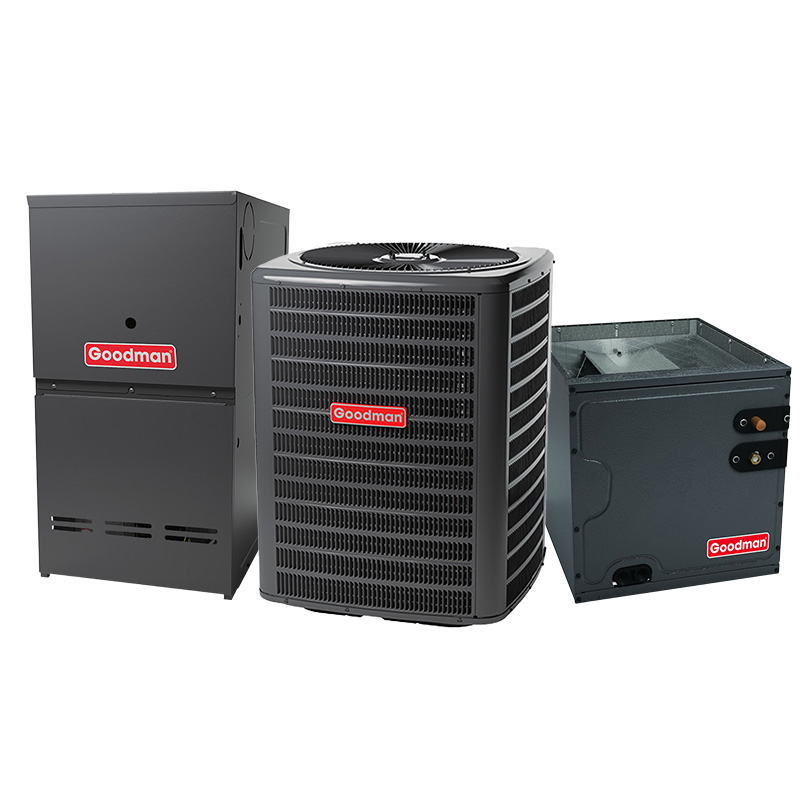
Goodman 2.5 Ton Dual Fuel Hybrid Heat Pump System – 60000 BTU California Low NOx Two Stage Gas Furnace, 80% AFUE, Downflow, 14.5 SEER2, R32
View on AC Direct see your lowest price →Check current price on AC Direct →
Key features
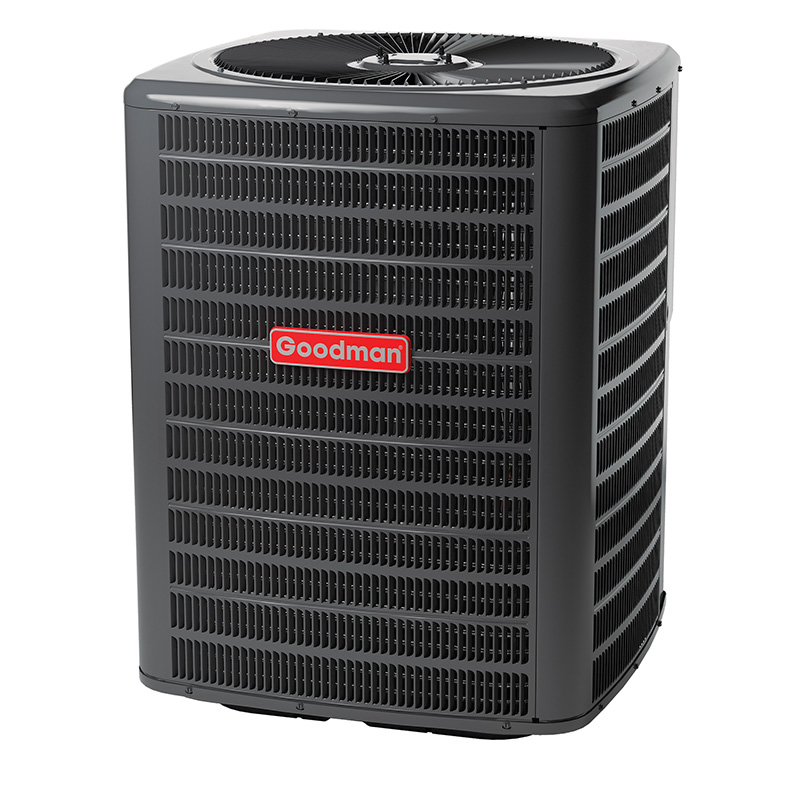
- 14.5 SEER2 rated heat pump for baseline cooling and heating efficiency
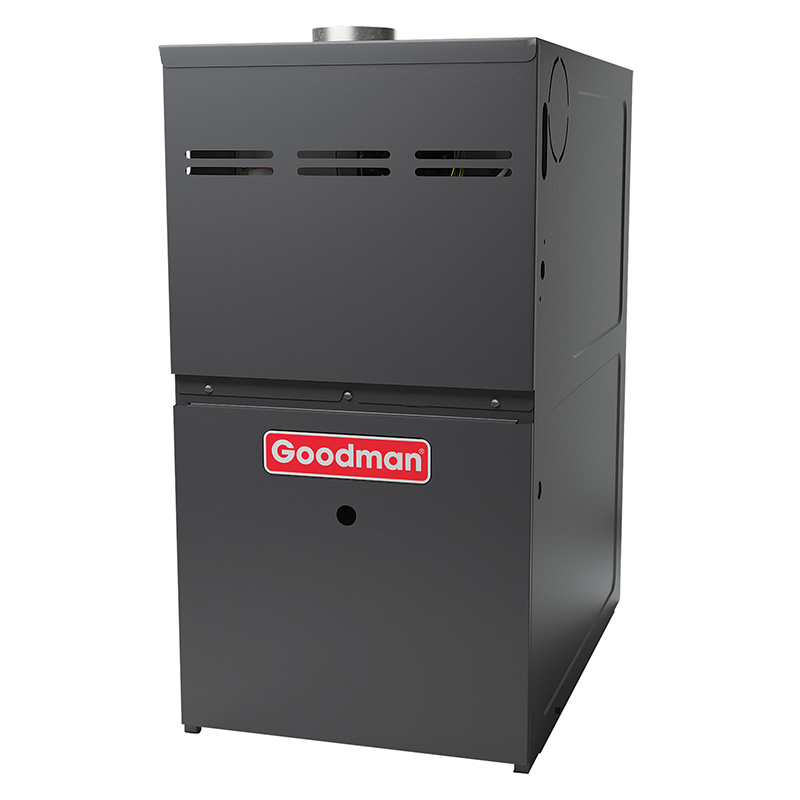
- 60,000 BTU two-stage gas furnace with 80% AFUE in downflow configuration
- Dual fuel hybrid design automatically switches between electric and gas heat
- California Low NOx certified for installation in regulated air quality districts
- R-32 refrigerant with lower global warming potential than R-410A
- Two-stage furnace operation reduces temperature swings and short cycling
About this system
The Goodman 2.5-ton dual fuel hybrid system pairs a 14.5 SEER2 heat pump with a 60,000 BTU two-stage gas furnace rated at 80% AFUE, giving you two heating sources under one roof. In mild weather the heat pump carries the load efficiently; when temperatures drop below the heat pump’s balance point, the furnace takes over automatically. That switchover logic is what makes a dual fuel setup attractive in climates with genuine winters but also long shoulder seasons where electric heating makes more sense than burning gas. The California Low NOx certification means the furnace meets the stricter nitrogen oxide emissions limits required in California air quality districts, so this unit ships ready for installation in those regulated counties.
The downflow configuration routes heated or cooled air downward from the furnace, which is standard for systems installed on a raised platform in a closet or utility room, or above a crawlspace with ductwork running below. R-32 refrigerant has a lower global warming potential than the R-410A it replaces and is increasingly common in new equipment as regulations phase out older blends. Two-stage heating on the furnace means it runs at a reduced fire rate most of the time, cycling to full capacity only when demand calls for it, which smooths out temperature swings and can reduce short-cycling noise compared with a single-stage unit. This system suits a homeowner in a mid-sized home in a climate zone with meaningful cold spells who wants the flexibility of both fuel types without moving to a premium brand price point.
This system offers a practical entry point into dual fuel heating at a price point well below comparable Carrier, Trane, or Lennox packages. The specs are honest rather than impressive: 14.5 SEER2 and 80% AFUE clear the threshold for new equipment but leave efficiency gains on the table compared with higher-tier options. Goodman's real track record shows the equipment can deliver a decade or more of service when installed correctly, but that 'when installed correctly' caveat carries more weight with Goodman than with premium brands.
Overall score is the average of the five ratings above.
What we like
- Priced roughly 15 to 25 percent below comparable Carrier, Trane, and Lennox dual fuel systems
- Two-stage furnace operation improves comfort and reduces temperature swings versus single-stage
- California Low NOx certification makes it a legal choice in restrictive air quality districts
- R-32 refrigerant is compatible with the current regulatory direction and lower in GWP
- Dual fuel logic reduces operating costs during shoulder seasons when electricity beats gas on cost
Trade-offs
- 80% AFUE is the lowest efficiency tier available; upgrading to 96% AFUE would meaningfully lower gas bills over time
- Dual-run capacitors are the most commonly reported failure point and can be expected in the 7-to-10-year window
- Compressor lifespan averages 10 to 14 years versus 15 to 20 for premium brands, shortening the long-term value picture
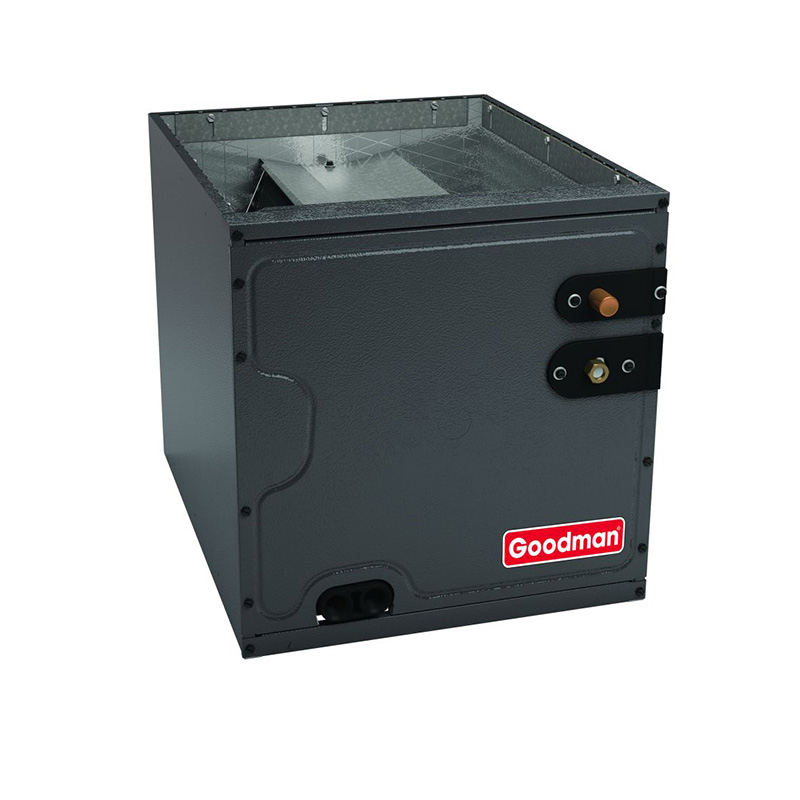
- Evaporator coil leaks appear in a meaningful share of owner reports, and a small minority experience refrigerant issues within the first year
What homeowners and pros say about Goodman
Goodman sits at a 3.8 out of 5 on Google dealer reviews, where the most consistent praise from buyers is straightforward: the price is competitive and the equipment does what it is supposed to do when a competent crew installs it. On ConsumerAffairs, which skews toward people who had problems, the rating sits around 2.5 out of 5, and the pattern in those complaints is telling. Repair costs tend to climb after roughly year seven, which lines up with the documented failure modes. Dual-run capacitors are the most commonly reported issue and are generally a low-cost fix in the 300 to 600 dollar range, but evaporator coil leaks and early refrigerant issues also show up with enough regularity that experienced HVAC technicians flag them as known risks rather than flukes. The compressor picture is the starkest long-run trade-off: Goodman compressors average 10 to 14 years in real-world use, compared with 15 to 20 for premium brands, which matters a great deal when you are deciding whether the upfront savings hold over the life of the system.
Among HVAC installers, the consensus on Goodman for a dual fuel system like this one is that the equipment itself is adequate, and that outcome depends heavily on installation quality. Technicians consistently say a Goodman unit installed carefully and commissioned correctly will outperform a premium unit put in sloppily, which is true of most HVAC equipment but feels especially true here given the brand’s tighter tolerance for shortcuts. For this specific dual fuel configuration, proper balance point setup and correct refrigerant charge at startup are the two factors installers point to most often as protecting against the first-year refrigerant leak complaints that appear in the owner record. The California Low NOx furnace adds a layer of regulatory complexity that is straightforward for experienced California installers but worth discussing with your contractor before the job starts.
Sources: ConsumerAffairs Goodman owner reviews, AHRI Directory of Certified Product Performance, U.S. DOE appliance and equipment efficiency standards, Goodman product specification sheets.
What it costs to run
At 14.5 SEER2, cooling this 2.5-ton system for a typical 1200-hour cooling season at the U.S. average electricity rate of $0.17/kWh works out to roughly $422 per year in cooling, about $35 less per year than a minimum-efficiency 13.4 SEER2 unit of the same size. Your real cost depends on your climate and local rate.
Method: (30,000 BTU/hr ÷ 14.5 SEER2) × 1200 hours ÷ 1000 × $0.17/kWh. Rate source: U.S. EIA average; cooling hours: moderate-climate estimate.
How it compares
| Brand | Comparable model | SEER2 | Stage | Price position |
|---|---|---|---|---|
| Goodman | 2.5-Ton Dual Fuel Hybrid Heat Pump with 60K BTU Two-Stage 80% AFUE Downflow Furnace | 14.5 | Two-stage | Value pick |
| Carrier | Performance Series Dual Fuel (25HCE / 59SP5) | 15.0 | Single-stage | Typically 15 to 25 percent more than Goodman |
| Trane | XR15 Dual Fuel with S8X1 Gas Furnace | 15.0 | Single-stage | Typically 15 to 25 percent more than Goodman |
| Lennox | Merit Series ML15XP1 Dual Fuel with ML180 Gas Furnace | 15.0 | Single-stage | Typically 15 to 25 percent more than Goodman |
Competitor rows are comparable single-stage units at similar efficiency; price is relative position, not a quote.
Questions about this system
How does the dual fuel system decide when to use the heat pump versus the gas furnace?
The system uses a balance point setting, typically configured by the installer, that tells it at what outdoor temperature to switch from the heat pump to the gas furnace. Below that threshold, usually somewhere between 30 and 40 degrees Fahrenheit depending on your local utility rates and climate, the furnace takes over because it becomes more cost-effective or because the heat pump can no longer extract enough heat from outdoor air efficiently.
Is the California Low NOx rating required everywhere in California, or only in certain areas?
Low NOx requirements apply specifically within South Coast AQMD and some other California air quality management districts. If you are outside those jurisdictions the certification is not required, but it does not hurt anything to have it. Check with your local building department before purchasing if you are unsure whether your county requires it.
What does a downflow configuration mean for my installation, and can I use this in an attic?
A downflow furnace discharges conditioned air out the bottom, which means ductwork must run below the unit. This works well in a closet with a crawlspace beneath or on a raised platform over floor-level ducts. It is not suited for an attic installation, where an upflow or horizontal configuration is typically needed.
How serious are the evaporator coil leak reports for Goodman, and am I likely to encounter one?
Coil leaks do appear in a meaningful share of owner reviews across Goodman's product line, though not in the majority of units. They tend to surface in the five-to-ten-year range. Keeping the coil clean, changing filters on schedule, and ensuring proper refrigerant charge at installation all reduce the risk, but it is a real trade-off to weigh against the lower upfront price.
Does switching to R-32 refrigerant affect how my HVAC technician services the system?
R-32 requires technicians to use equipment rated for mildly flammable refrigerants, since R-32 carries an A2L flammability classification. Most newer service equipment handles it, but you should confirm your service provider has the right tools and certification before scheduling maintenance or repairs. This is increasingly standard in the industry but worth asking about upfront.
Specifications
| Cooling capacity | 2.5 Ton |
| Efficiency | 14.5 SEER2 |
| Furnace output | 60000 BTU |
| Furnace efficiency | 80% AFUE |
| Configuration | Downflow |
| Refrigerant | R-32 |