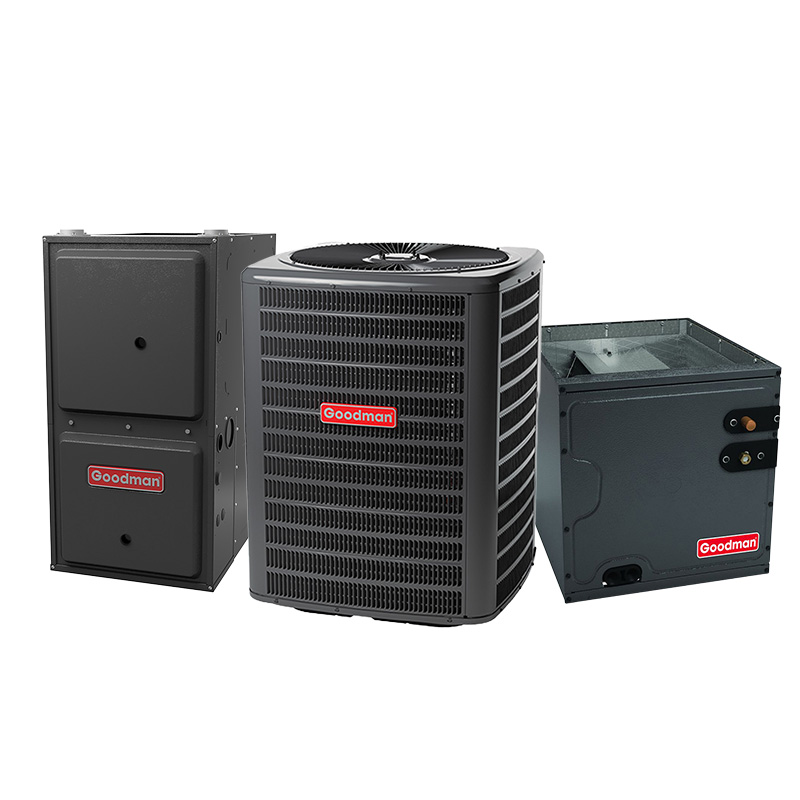
Goodman 2.5 Ton Dual Fuel Hybrid Heat Pump System – 60000 BTU California Ultra-Low NOx Gas Furnace, 80% AFUE, 14.5 SEER2, Upflow, R32
View on AC Direct see your lowest price →Check current price on AC Direct →
Key features
- Dual fuel hybrid operation: heat pump handles mild weather, gas furnace activates in deep cold
- 14.5 SEER2 cooling efficiency, meeting current federal minimums with modest energy savings
- 60,000 BTU gas furnace at 80% AFUE, upflow configuration for basement or closet installs
- R-32 refrigerant, lower GWP than R-410A and compliant with evolving regulations
- California Ultra-Low NOx rated, meeting SCAQMD and similar air district requirements
- Compatible with most standard 24V thermostats capable of dual fuel or fossil fuel kit control
About this system
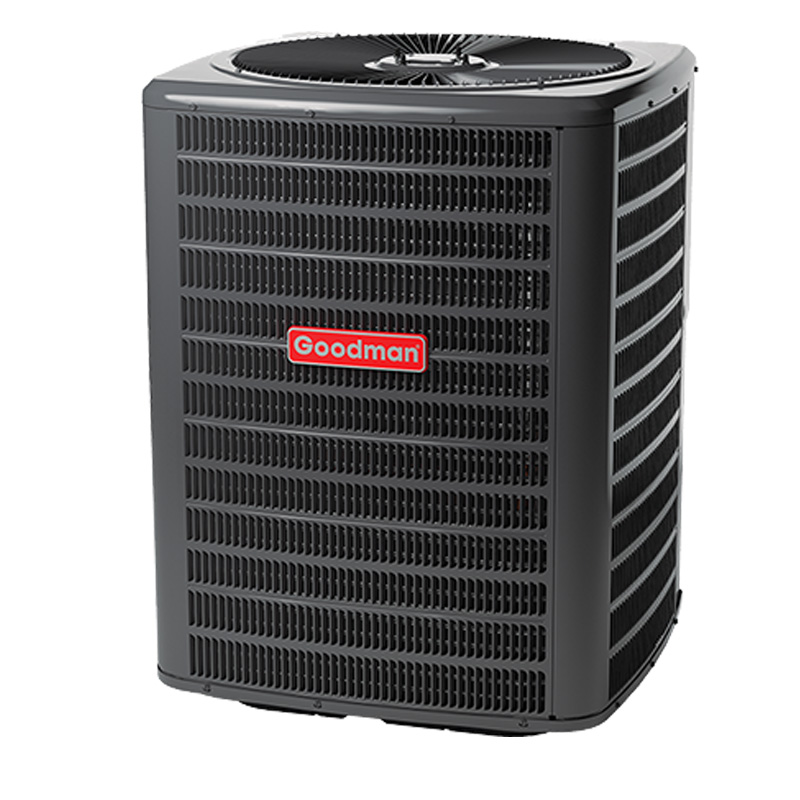
The Goodman 2.5-ton dual fuel hybrid heat pump system pairs a 14.5 SEER2 heat pump with a 60,000 BTU upflow gas furnace rated at 80% AFUE, using R-32 refrigerant throughout. A dual fuel setup is purpose-built for climates where winters occasionally dip below the heat pump’s efficient operating range: the system runs on electricity when outdoor temps are mild and automatically switches to gas heat when conditions call for it. That balance can lower annual energy costs compared to a straight gas furnace, though the savings depend heavily on local electricity and gas rates.
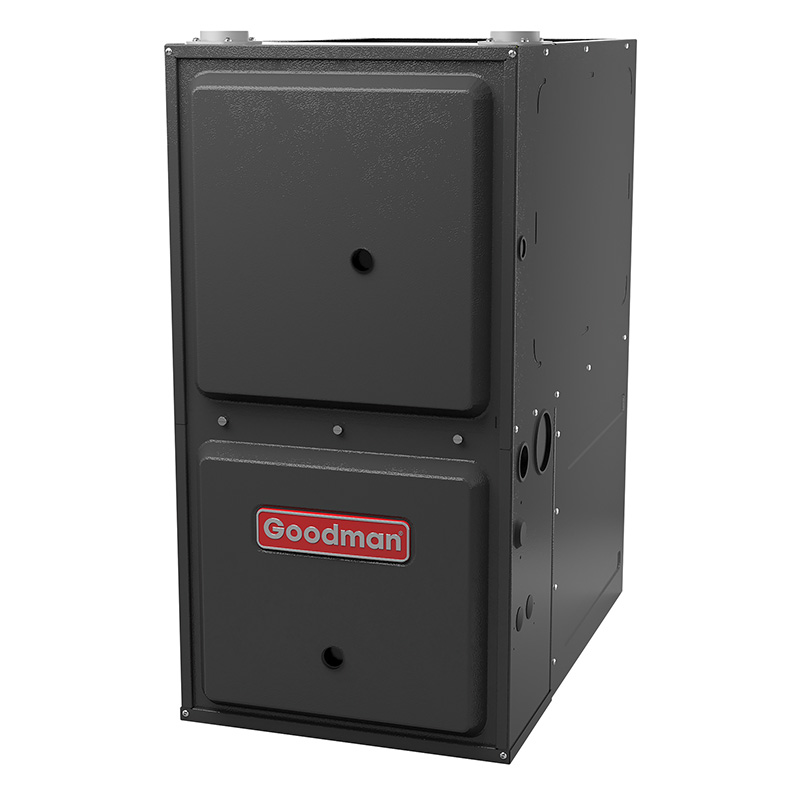
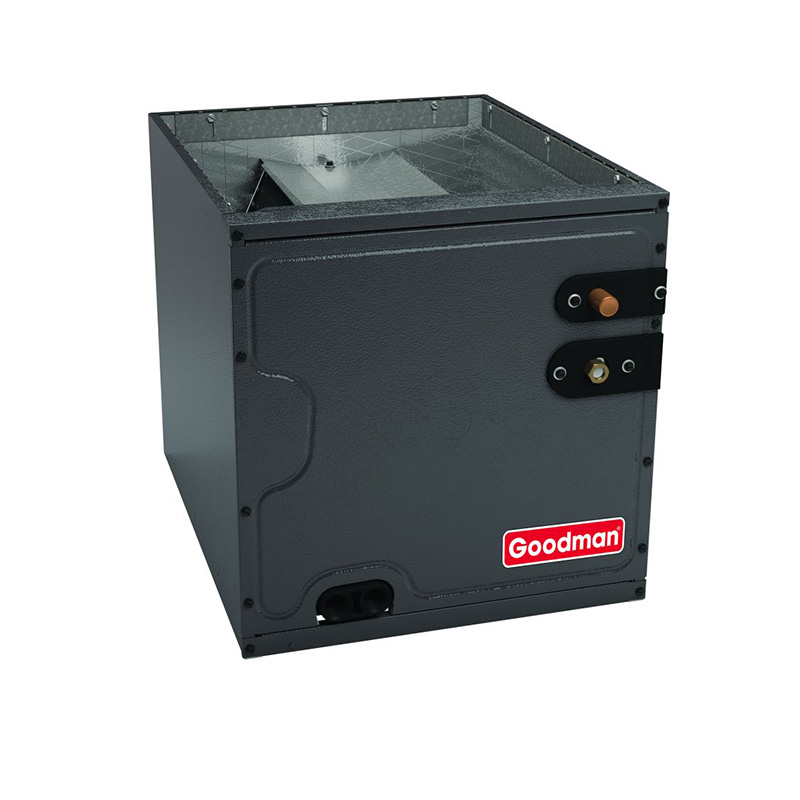
R-32 is a lower global-warming-potential refrigerant that is becoming standard across the industry as R-410A phases out. The upflow configuration means conditioned air exits the top of the air handler, making it the right fit for a furnace installed in a basement, utility closet, or crawl space that feeds ductwork above. At 80% AFUE, roughly one in five therms of gas is lost as exhaust, which is code-minimum efficiency in most regions and a meaningful step below the 95%-plus AFUE ratings available on higher-end condensing furnaces. Buyers in mild-to-moderate climates who heat mainly with the heat pump and use the furnace as a backup may find the 80% AFUE trade-off acceptable given the lower purchase price.
This system is a practical fit for budget-conscious homeowners in mixed climates, rental property owners, and anyone replacing aging equipment without plans for a major energy upgrade. It is less compelling in northern climates where the gas furnace carries most of the heating load all winter, because the efficiency gap between 80% and 95% AFUE adds up over hundreds of furnace hours annually.
This Goodman dual fuel system delivers a functional hybrid heating solution at a price point well below comparable Carrier, Trane, and Lennox systems, and R-32 keeps it current with refrigerant regulations. The 80% AFUE furnace and entry-level SEER2 rating mean ongoing energy costs will be higher than mid-tier alternatives, and Goodman's documented track record shows reliability is closely tied to how well the system is installed and maintained. Buyers who prioritize upfront cost over long-term efficiency will find real value here; those in cold climates who will lean heavily on the furnace should weigh the efficiency trade-off carefully.
Overall score is the average of the five ratings above.
What we like
- Purchase price is typically 15 to 25 percent below comparable Carrier, Trane, and Lennox dual fuel systems
- Dual fuel design delivers genuine efficiency gains over straight gas heat in moderate climates
- R-32 refrigerant is forward-compatible with current and near-term regulatory requirements
- California Ultra-Low NOx certification opens the system to buyers in strict air district regions
- Upflow furnace configuration integrates cleanly with typical basement or closet duct systems
Trade-offs
- 80% AFUE is code-minimum efficiency; homeowners in colder climates will pay meaningfully more in gas costs than with a 95%+ condensing furnace
- Dual-run capacitors are Goodman's most commonly reported failure, typically appearing after several years of use
- Compressor lifespan averages 10 to 14 years versus 15 to 20 years reported for premium-brand compressors
- Evaporator coil leaks appear in a notable share of owner reviews, and a minority of owners report refrigerant leaks within the first year, often traced to install or initial charge issues
What homeowners and pros say about Goodman
Homeowners who choose Goodman equipment most often point to the upfront price as the deciding factor, and that sentiment shows up clearly in Google dealer reviews, which average around 3.8 out of 5 across hundreds of reviews per location. Praise for affordability is the most consistent theme. The picture gets more complicated over time: ConsumerAffairs scores sit around 2.5 out of 5, a channel that skews toward owners motivated to post by a frustrating experience, and the recurring complaint is repair costs climbing after roughly year seven. For a dual fuel system like this one, that pattern is worth taking seriously, because you have both refrigerant-side and gas-side components that can need attention as the system ages.
HVAC technicians tend to treat Goodman as a workable brand whose longevity depends heavily on the quality of the installation. Dual-run capacitor failures are the most commonly cited repair, usually a quick and low-cost fix but a sign that the electrical side of these systems benefits from periodic inspection. More significant issues, including evaporator coil leaks and compressor wear, show up in owner accounts often enough to factor into long-term ownership expectations. Goodman compressors are documented to average roughly 10 to 14 years, compared to 15 to 20 years for premium brands, which may influence the calculus for buyers who plan to stay in a home for the long term. For a rental property, a replacement installation, or a budget-limited primary residence in a moderate climate, the value proposition is genuine; for a new construction project or a forever home in a demanding climate, the longer track record of premium brands carries more weight.
Sources: ConsumerAffairs Goodman owner reviews, AHRI Directory of Certified Product Performance, U.S. DOE appliance and equipment efficiency standards, Goodman product specification sheets.
What it costs to run
At 14.5 SEER2, cooling this 2.5-ton system for a typical 1200-hour cooling season at the U.S. average electricity rate of $0.17/kWh works out to roughly $422 per year in cooling, about $35 less per year than a minimum-efficiency 13.4 SEER2 unit of the same size. Your real cost depends on your climate and local rate.
Method: (30,000 BTU/hr ÷ 14.5 SEER2) × 1200 hours ÷ 1000 × $0.17/kWh. Rate source: U.S. EIA average; cooling hours: moderate-climate estimate.
How it compares
| Brand | Comparable model | SEER2 | Stage | Price position |
|---|---|---|---|---|
| Goodman | Dual Fuel Hybrid Heat Pump System (this unit) | 14.5 | Single-stage | Value pick |
| Carrier | Performance Series Dual Fuel (e.g., 25HCB6 heat pump with 59SC5 furnace pairing) | 15.0-16.0 | Single-stage | Typically 15 to 25 percent more than this Goodman system |
| Trane | XR15 heat pump with S8X1 80% AFUE furnace dual fuel pairing | 15.0 | Single-stage | Typically 15 to 25 percent more than this Goodman system |
| Lennox | Merit Series ML14XP1 heat pump with ML180 80% AFUE furnace dual fuel pairing | 15.0 | Single-stage | Typically 15 to 25 percent more than this Goodman system |
Competitor rows are comparable single-stage units at similar efficiency; price is relative position, not a quote.
Questions about this system
How does the dual fuel system decide when to switch from heat pump to gas heat?
Most dual fuel setups use a balance point temperature, typically set between 30 and 40 degrees Fahrenheit, at which gas heat becomes more cost-effective or necessary than the heat pump. A compatible dual fuel thermostat or fossil fuel kit controls the switchover automatically. Your installer should set this balance point based on your local climate and current utility rates.
Is 80% AFUE good enough, or should I upgrade to a higher-efficiency furnace?
80% AFUE meets current federal minimums and is adequate if the gas furnace will serve mainly as a backup when temperatures drop below the heat pump's range. If you live in a region with long, cold winters where the furnace runs hundreds of hours annually, a 95% or higher AFUE condensing furnace can reduce gas bills enough to offset the higher purchase price over time.
What does R-32 refrigerant mean for me as an owner?
R-32 has a lower global-warming potential than the R-410A it replaces and is compatible with the regulatory direction the HVAC industry is heading. From a practical standpoint, service costs and refrigerant availability should remain stable for the foreseeable future, and technicians are increasingly familiar with handling it.
What are the most common repairs on Goodman systems and what do they cost?
Dual-run capacitor failures are the most frequently reported issue on Goodman equipment and are generally inexpensive to fix, typically in the 300 to 600 dollar range including labor. Evaporator coil leaks are a more serious and costly repair. A minority of owners also report refrigerant leaks within the first year, which are usually linked to installation or initial charge problems rather than a defect in the equipment itself.
Does this system meet California air quality requirements?
Yes, the furnace carries a California Ultra-Low NOx rating, which satisfies the stricter NOx emission limits enforced by SCAQMD and several other California air districts. If you are in a California air district that has banned standard NOx furnaces, this rating is required for a legal installation.
Specifications
| Cooling capacity | 2.5 Ton |
| Efficiency | 14.5 SEER2 |
| Furnace output | 60000 BTU |
| Furnace efficiency | 80% AFUE |
| Configuration | Upflow |
| Refrigerant | R-32 |