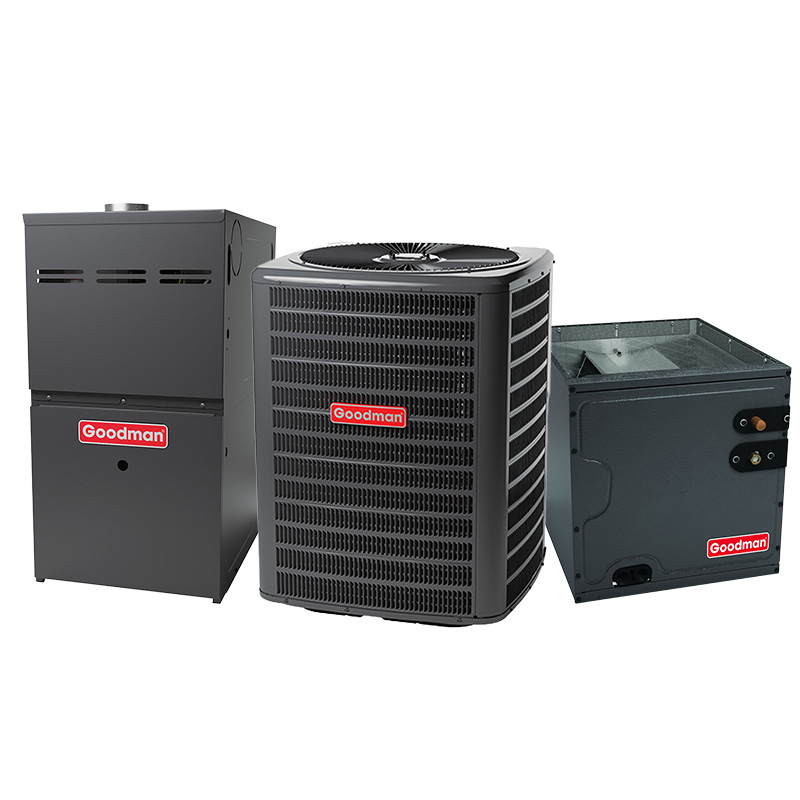
Goodman 2.5 Ton Dual Fuel Hybrid Heat Pump System – 80000 BTU Gas Furnace, 80% AFUE, 15.2 SEER2, Upflow, R32
View on AC Direct see your lowest price →Check current price on AC Direct →
Key features
- Dual fuel hybrid operation: heat pump runs by default, gas furnace activates when outdoor temps make electric heat inefficient
- 15.2 SEER2 cooling efficiency, meeting current federal minimums for most U.S. climate regions
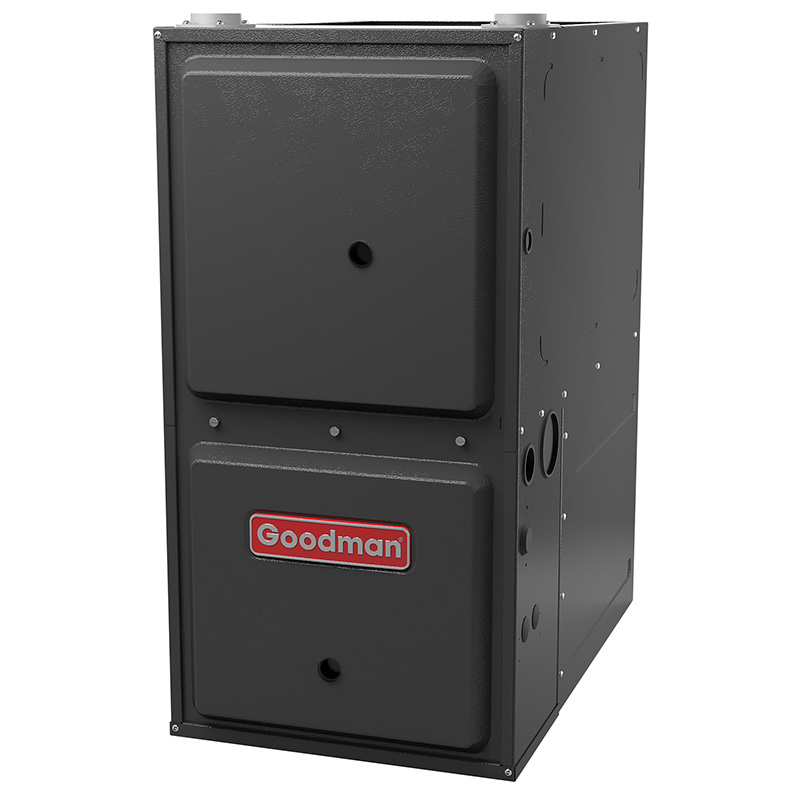
- 80,000 BTU gas furnace at 80% AFUE, upflow configuration for basement or closet installations
- R-32 refrigerant with approximately one-third the global warming potential of R-410A
- 2.5-ton capacity suited to roughly 1,200 to 1,600 sq ft depending on insulation and climate zone
- Goodman's 10-year parts warranty registered within 60 days of install, with compressor coverage included
About this system
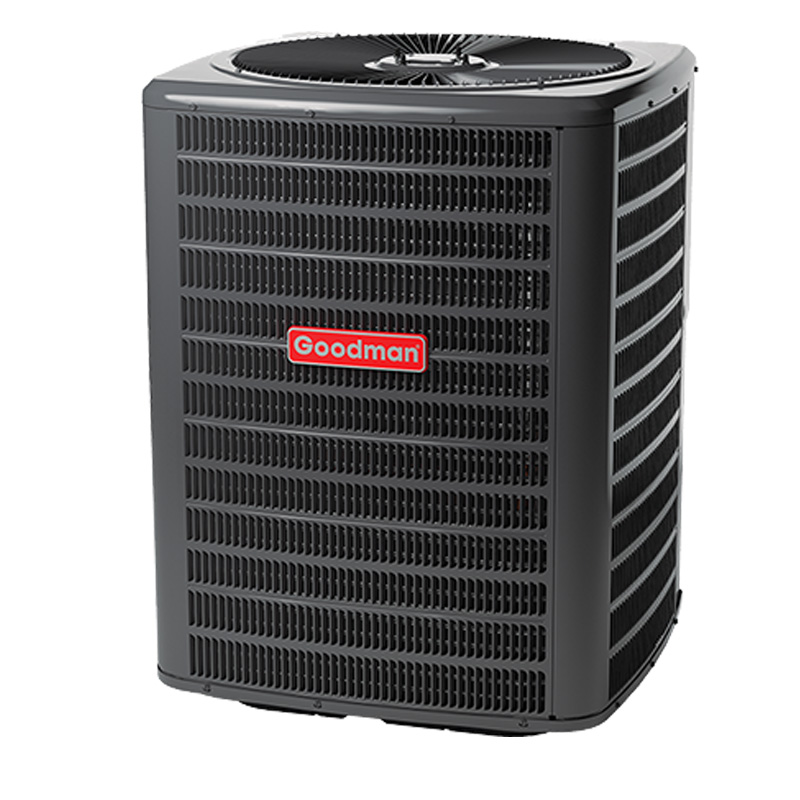
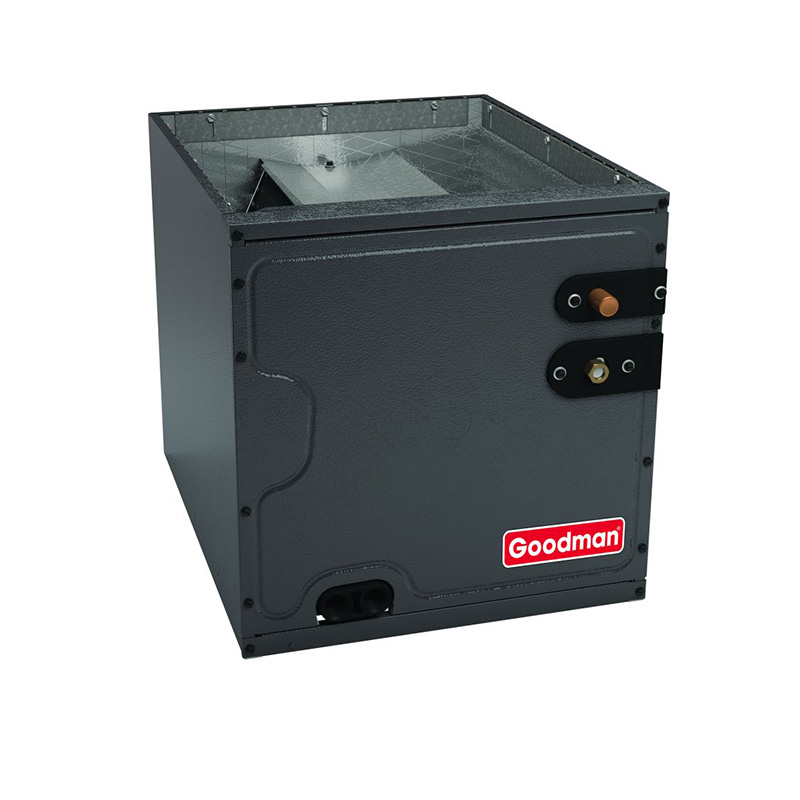
The Goodman 2.5-ton dual fuel hybrid system pairs a 15.2 SEER2 heat pump with an 80,000 BTU, 80% AFUE gas furnace in an upflow configuration, giving you two heating sources in one package. On mild days the heat pump handles heating at a lower operating cost than gas; when temperatures drop and the heat pump loses efficiency, the furnace takes over automatically. That switchover logic is what makes a dual fuel system attractive in climates with genuine winter cold but also long shoulder seasons where electric heat still makes economic sense.
The 15.2 SEER2 rating clears the federal minimum efficiency standard for most U.S. regions but sits at the lower end of the current market, which now extends to the low-20s. The 80% AFUE furnace means one in five units of gas energy exits as exhaust rather than heat, a real operating cost consideration over the furnace’s lifespan compared with 95% or 96% AFUE alternatives. R-32 refrigerant is a meaningful forward-looking choice: it has roughly one-third the global warming potential of the R-410A it displaces and is becoming the industry standard. The upflow configuration requires installation in a basement, utility closet, or crawlspace where air enters from the bottom and discharges upward into ductwork, so confirm your existing layout matches before purchasing.
This system is most likely to suit a homeowner replacing aging equipment in an established home with existing upflow ductwork, a mixed-fuel utility setup, and a budget that prioritizes lower upfront cost over premium-brand longevity margins. It is less suited to new construction targeting high-efficiency incentives or homeowners in the coldest climates who need a high-AFUE furnace to keep heating bills in check.
This Goodman dual fuel package delivers a functional hybrid heating solution at a price point that can be 15 to 25 percent below comparable Carrier, Trane, or Lennox configurations, making it accessible for budget-conscious replacements. The 15.2 SEER2 and 80% AFUE specs are serviceable but not standout, and the brand's real-world track record shows reliability that leans heavily on installer quality rather than inherent build margin. It earns its place in the market as a value option, not a premium one.
Overall score is the average of the five ratings above.
What we like
- Lower upfront cost than comparable Carrier, Trane, or Lennox dual fuel systems by a meaningful margin
- Dual fuel logic automatically optimizes between electric and gas heat, reducing operating costs across seasons
- R-32 refrigerant is a more future-ready choice than R-410A for long-term serviceability and environmental impact
- Upflow design integrates cleanly into the most common existing residential ductwork layouts
- 10-year parts warranty (registered) provides reasonable coverage for a value-tier system
Trade-offs
- 80% AFUE furnace loses 20% of gas energy as exhaust; a 95%+ AFUE unit would cut heating bills noticeably in cold climates
- Dual-run capacitors are the most frequently reported failure point, typically needing replacement around or before year 7
- Compressor lifespan averages 10 to 14 years versus 15 to 20 years for premium brands, shortening the effective equipment life
- A minority of owners have reported refrigerant leaks in the first year, most tied to install quality, making contractor selection critical
What homeowners and pros say about Goodman
On Google dealer reviews, Goodman equipment averages around 3.8 out of 5 across hundreds of location-level reviews, with affordability consistently cited as the main reason buyers chose the brand. On ConsumerAffairs, a channel that draws disproportionately from people who had problems, the brand sits at roughly 2.5 out of 5, and the recurring complaint is repair costs that start climbing after about year 7. For a dual fuel system like this one, that pattern matters because you have both a heat pump and a furnace to maintain. The most commonly reported hardware failure across Goodman units is the dual-run capacitor, a relatively inexpensive fix in the 300 to 600 dollar range but one that shows up with enough frequency that proactive servicing makes sense. Evaporator coil leaks also appear in a meaningful share of long-term owner accounts, and compressors on Goodman equipment tend to average 10 to 14 years of service life, which is shorter than the 15 to 20 years owners of Trane or Carrier equipment more often report.
HVAC technicians who work on Goodman equipment frequently note that install quality is the single biggest variable in how long one of these systems lasts. A well-configured dual fuel system with correct refrigerant charge, proper airflow balance, and accurate balance-point programming can perform reliably for a decade or more. A rushed or under-spec’d install amplifies the brand’s known weak points, particularly the first-year refrigerant leak issue that owners and technicians alike attribute mostly to charging errors rather than factory defects. For this specific system, the R-32 refrigerant adds a layer of consideration: confirm your installing contractor has hands-on experience with A2L refrigerants and the appropriate recovery equipment before signing a contract. The takeaway from owner and pro feedback together is consistent: this is a system where the contractor you choose matters at least as much as the equipment itself.
Sources: ConsumerAffairs Goodman owner reviews, AHRI Directory of Certified Product Performance, U.S. DOE appliance and equipment efficiency standards, Goodman product specification sheets.
What it costs to run
At 15.2 SEER2, cooling this 2.5-ton system for a typical 1200-hour cooling season at the U.S. average electricity rate of $0.17/kWh works out to roughly $403 per year in cooling, about $54 less per year than a minimum-efficiency 13.4 SEER2 unit of the same size. Your real cost depends on your climate and local rate.
Method: (30,000 BTU/hr ÷ 15.2 SEER2) × 1200 hours ÷ 1000 × $0.17/kWh. Rate source: U.S. EIA average; cooling hours: moderate-climate estimate.
How it compares
| Brand | Comparable model | SEER2 | Stage | Price position |
|---|---|---|---|---|
| Goodman | Dual Fuel Hybrid Heat Pump System (this unit) | 15.2 | Single-stage | Value pick |
| Carrier | Performance Series Dual Fuel (25HCB3 heat pump with 58SB furnace) | 15.2 | Single-stage | Typically 15 to 25 percent more than this Goodman system |
| Trane | XR15 Dual Fuel System (XR15 heat pump with S8B1 furnace) | 15.0 | Single-stage | Typically 15 to 25 percent more than this Goodman system |
| Lennox | Merit Series Dual Fuel (14HPX heat pump with ML180 furnace) | 15.1 | Single-stage | Typically 15 to 25 percent more than this Goodman system |
Competitor rows are comparable single-stage units at similar efficiency; price is relative position, not a quote.
Questions about this system
At what outdoor temperature does the system switch from heat pump to gas furnace?
The switchover temperature, often called the balance point, is typically set during installation by the technician based on your local climate and utility rates. For most homes it falls somewhere between 30 and 40 degrees Fahrenheit, though your installer can adjust it. Getting this setting right is important for keeping operating costs low, so confirm your contractor understands dual fuel controls before the job.
Is 80% AFUE good enough, or should I pay more for a 96% AFUE furnace in this system?
In mild climates where the furnace runs relatively few hours per year, the efficiency gap matters less and the 80% unit can be cost-effective over the system's life. In colder climates where the furnace carries a heavy load from November through March, a 95% or 96% AFUE furnace can pay back the price difference in fuel savings within a few years. Run a simple fuel cost estimate for your climate zone before committing.
How common are the capacitor failures I keep reading about in Goodman reviews?
Dual-run capacitors are the most frequently reported failure in Goodman equipment, with many owners seeing a replacement need somewhere around or before year 7. The repair typically costs between 300 and 600 dollars and is a quick service call, not a catastrophic failure. Asking your service contract to include annual capacitor checks is a practical way to catch the issue before it causes a breakdown.
Does R-32 refrigerant change anything about servicing or contractor availability?
R-32 requires technicians to hold standard EPA Section 608 certification, the same as R-410A, but some older service vehicles and recovery equipment may need updating. It is mildly flammable (A2L class), so technicians need to follow specific handling procedures. Most established HVAC contractors are already equipped or becoming equipped for R-32, but it is worth confirming your chosen contractor has experience with it before scheduling service.
What does the 10-year warranty actually cover, and are there conditions I need to meet?
Goodman's 10-year parts warranty covers the compressor and functional parts when the system is registered online within 60 days of installation. If you miss the registration window, coverage drops to 5 years on parts. The warranty covers parts only, not labor, so you will still pay a technician for any repair visit. Some dealers offer extended labor warranties separately, which is worth asking about given the brand's documented reliability profile.
Specifications
| Cooling capacity | 2.5 Ton |
| Efficiency | 15.2 SEER2 |
| Furnace output | 80000 BTU |
| Furnace efficiency | 80% AFUE |
| Configuration | Upflow |
| Refrigerant | R-32 |