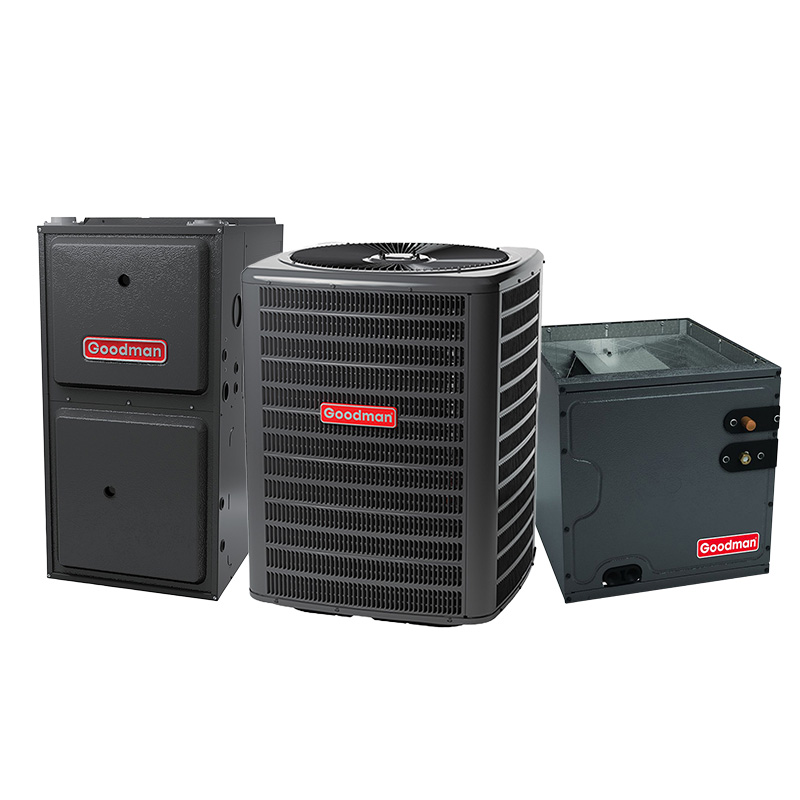
Goodman 2.5 Ton Dual Fuel Hybrid Heat Pump System – 80000 BTU Gas Furnace, 96% AFUE, 14.5 SEER2, Upflow, R32
View on AC Direct see your lowest price →Check current price on AC Direct →
Key features
- Dual fuel hybrid operation: heat pump in mild weather, 96% AFUE gas furnace when temps drop
- 14.5 SEER2 cooling efficiency, above federal minimum for modest seasonal energy savings
- R-32 refrigerant with lower global-warming potential than outgoing R-410A
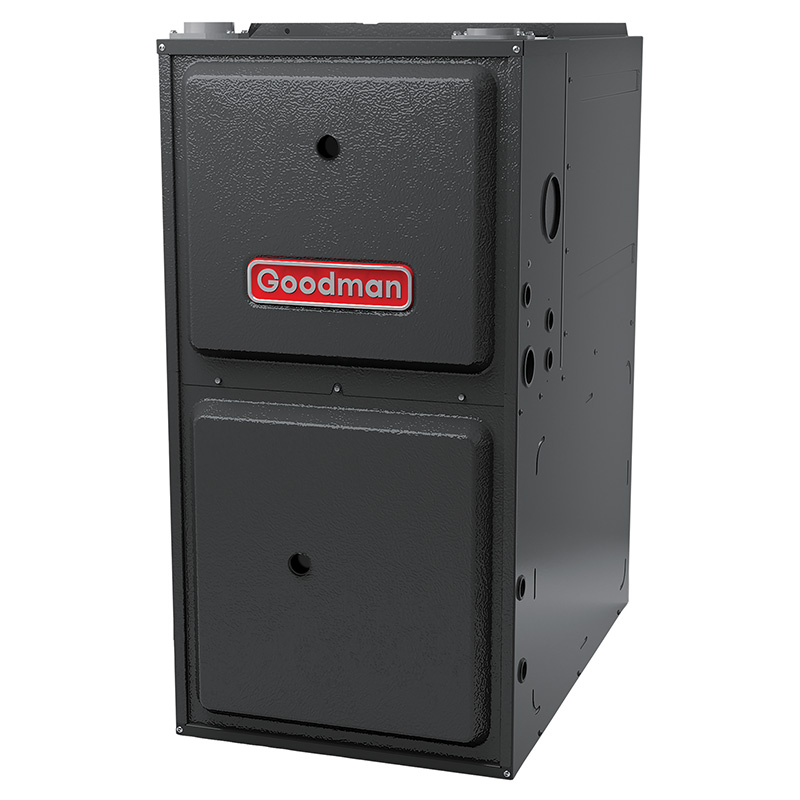
- 80,000 BTU furnace output in upflow configuration for basement or utility closet installs
- 96% AFUE qualifies for federal energy efficiency tax credits in many cases
- Priced 15 to 25 percent below comparable Carrier, Trane, and Lennox systems
About this system
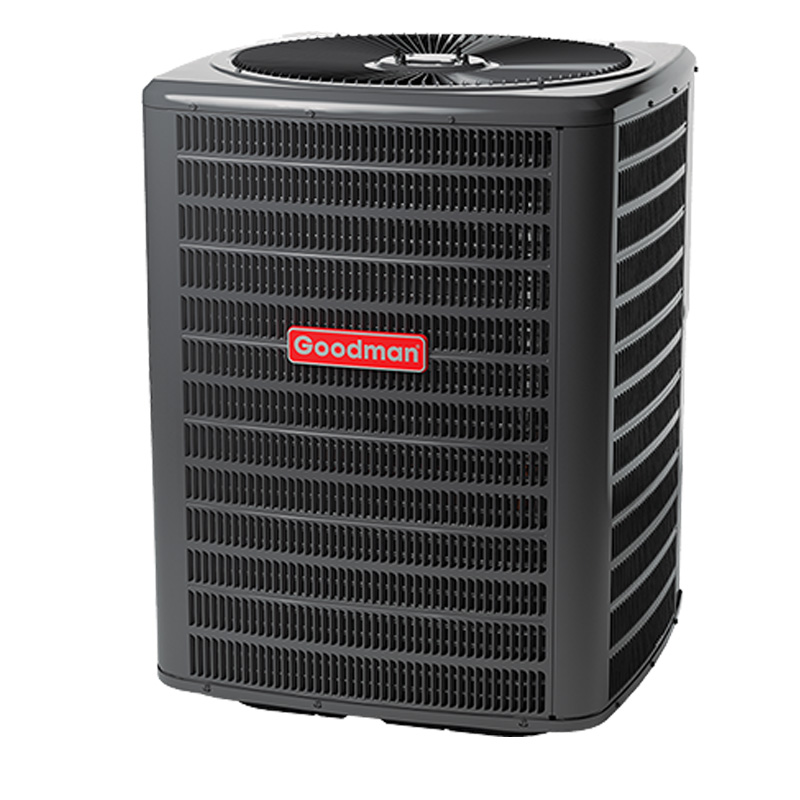
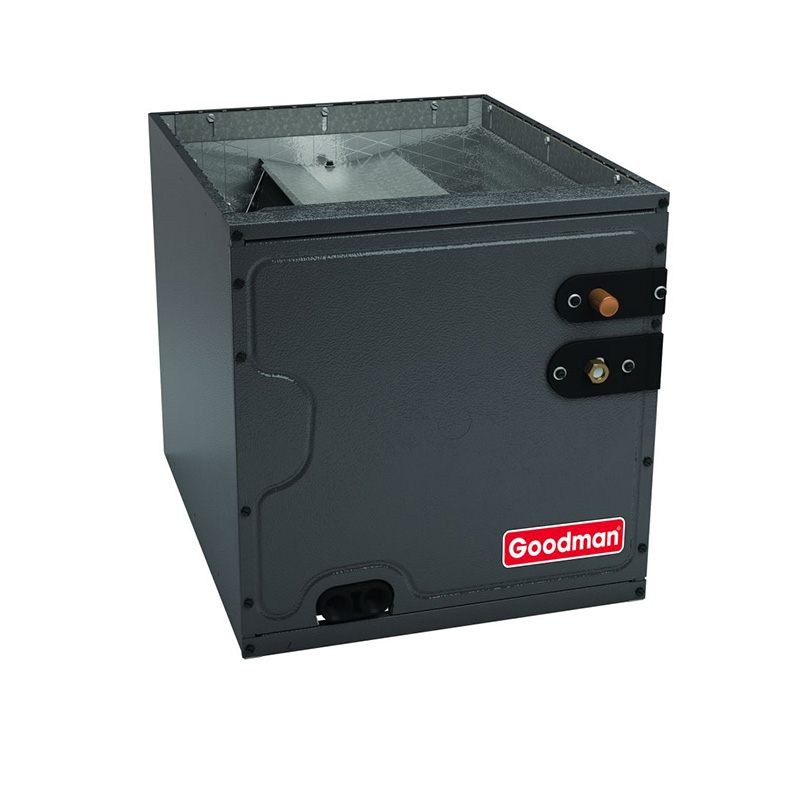
The Goodman 2.5-ton dual fuel hybrid heat pump system pairs a 14.5 SEER2 heat pump with an 80,000 BTU, 96% AFUE upflow gas furnace. The hybrid setup is the key selling point: in mild weather the heat pump handles heating at a fraction of the fuel cost of running gas, and when outdoor temperatures drop below the heat pump’s efficient operating range, the furnace takes over automatically. For homeowners in mixed-climate regions who already have a gas line and want to reduce utility bills without going all-electric, this configuration is a practical middle ground.
The 96% AFUE rating means the furnace converts 96 cents of every gas dollar into usable heat, placing it in the upper tier of gas efficiency and qualifying it for federal tax credits in many situations. The 14.5 SEER2 cooling rating is a step above the federal minimum and delivers meaningful seasonal savings compared to entry-level equipment, though it sits well below premium variable-speed systems in the 18 to 20 SEER2 range. R-32 refrigerant is a lower global-warming-potential option compared to the older R-410A it replaces, and it is increasingly standard across the industry. The upflow configuration suits homes with a furnace installed in a basement or utility closet where air is distributed upward into the duct system.
Goodman positions this system at 15 to 25 percent below comparable Trane, Lennox, and Carrier offerings, which makes the up-front cost genuinely attractive. That savings comes with trade-offs: compressor and coil longevity trends below premium brands, and long-term performance depends heavily on a quality installation. Buyers comfortable with the brand’s value-tier positioning and who vet their installer carefully will get the most out of this system.
The Goodman 2.5-ton dual fuel hybrid system delivers genuine efficiency at a competitive price point, making it a sensible choice for budget-conscious buyers in climates that see both hot summers and cold winters. The 96% AFUE furnace and hybrid heat pump logic are strong features, but documented failure patterns, particularly capacitor failures, evaporator coil leaks, and compressor lifespans shorter than premium brands, mean you should factor potential repair costs into the long-term math. Install quality will determine more about this system's lifespan than anything Goodman stamps on the nameplate.
Overall score is the average of the five ratings above.
What we like
- 96% AFUE furnace is among the most efficient gas heating options available
- Hybrid operation reduces gas consumption during mild shoulder seasons
- R-32 refrigerant is a forward-looking, lower-impact refrigerant choice
- Up-front cost runs 15 to 25 percent less than Trane, Lennox, or Carrier equivalents
- 14.5 SEER2 provides a meaningful step above minimum-efficiency cooling
Trade-offs
- Dual-run capacitor failures are the most commonly reported issue, typically surfacing within 5 to 10 years
- Evaporator coil leaks appear in a notable share of owner reports and can be costly to address
- Compressor lifespan averages 10 to 14 years versus 15 to 20 years for premium-brand competitors
- A minority of owners report refrigerant leaks within the first year, generally tied to installation or initial charge issues
What homeowners and pros say about Goodman
Homeowners who buy Goodman equipment tend to cite the same thing: the price made it possible to replace a failed system without taking on significant debt. On Google dealer reviews, which aggregate to around 3.8 out of 5 stars across hundreds of location reviews, affordability is the praise that comes up most consistently. The complaints that surface on ConsumerAffairs, where Goodman scores closer to 2.5 out of 5, tend to cluster around repair costs that start climbing after roughly year 7, which tracks with the brand’s documented compressor lifespan of 10 to 14 years compared to 15 to 20 years for premium competitors. For this dual fuel hybrid system specifically, the hybrid operation adds complexity that amplifies the importance of getting the installation right the first time.
HVAC technicians are generally familiar with Goodman equipment and note that the most predictable service call involves dual-run capacitors, a relatively straightforward and low-cost repair in the 300 to 600 dollar range that becomes more likely after the first several years of use. Evaporator coil leaks are a more serious concern that appears in a meaningful share of owner reports and can be expensive to resolve. A small but documented group of owners have reported refrigerant leaks within the first year, and technicians consistently point to installation or initial charge quality as the cause rather than a factory defect. The consensus among pros is that a well-installed Goodman will serve a typical homeowner adequately for a decade, but the ceiling on longevity is lower than what premium brands have demonstrated in the field.
Sources: ConsumerAffairs Goodman owner reviews, AHRI Directory of Certified Product Performance, U.S. DOE appliance and equipment efficiency standards, Goodman product specification sheets.
What it costs to run
At 14.5 SEER2, cooling this 2.5-ton system for a typical 1200-hour cooling season at the U.S. average electricity rate of $0.17/kWh works out to roughly $422 per year in cooling, about $35 less per year than a minimum-efficiency 13.4 SEER2 unit of the same size. Your real cost depends on your climate and local rate.
Method: (30,000 BTU/hr ÷ 14.5 SEER2) × 1200 hours ÷ 1000 × $0.17/kWh. Rate source: U.S. EIA average; cooling hours: moderate-climate estimate.
How it compares
| Brand | Comparable model | SEER2 | Stage | Price position |
|---|---|---|---|---|
| Goodman | 2.5-Ton Dual Fuel Hybrid (this system) | 14.5 | Single-stage | Value pick |
| Carrier | Performance 14 Heat Pump (24PAB) with gas furnace | 14.3 to 15.2 | Single-stage | Typically 15 to 25 percent more than this Goodman system |
| Trane | XR14c Heat Pump with S8X1 gas furnace | 14.3 to 15.1 | Single-stage | Typically 15 to 25 percent more than this Goodman system |
| Lennox | Merit ML14XC1 Heat Pump with ML196E gas furnace | 14.3 to 15.0 | Single-stage | Typically 15 to 25 percent more than this Goodman system |
Competitor rows are comparable single-stage units at similar efficiency; price is relative position, not a quote.
Questions about this system
How does the system decide when to use the heat pump versus the gas furnace?
A dual fuel thermostat or the system's control board monitors outdoor temperature and compares operating costs. When the heat pump can heat efficiently (typically above 35 to 40 degrees Fahrenheit depending on setup), it runs. Below that balance point, or when demand exceeds what the heat pump can cover, the gas furnace takes over. The switchover temperature can often be adjusted during commissioning.
Is 14.5 SEER2 efficient enough, or should I spend more for a higher-rated unit?
14.5 SEER2 is a solid mid-range rating that outperforms the federal minimum and will provide real energy savings over older equipment. Upgrading to an 18 or 20 SEER2 variable-speed system costs significantly more up front and typically takes many years to recover that premium through utility savings in a 2.5-ton application. For most buyers in this system's price category, 14.5 SEER2 is a reasonable stopping point.
What maintenance should I plan for given Goodman's documented failure patterns?
Dual-run capacitors are the most commonly reported failure on Goodman equipment, usually showing up after year 5 to 7, and a replacement typically runs 300 to 600 dollars including labor. Having an HVAC technician inspect and test capacitors at each annual tune-up is inexpensive and can catch a weakening capacitor before it strands you. Asking your installer about an extended parts warranty is also worth considering.
Does this system work with my existing gas line and ductwork?
The upflow furnace configuration requires the air handler to sit below the duct system, which suits most basement or ground-level utility closet installs. Your existing gas line and ductwork may be compatible, but a licensed HVAC contractor needs to verify gas line sizing, duct capacity for the 2.5-ton load, and electrical service before installation. Do not assume existing infrastructure will carry over without a load calculation.
What warranty does Goodman provide, and what does it actually cover?
Goodman's standard registered warranty is 10 years on parts including the compressor, heat exchanger, and coils when registered within a set window after installation. The warranty covers parts but not labor, which is where most repair costs accumulate. Read the terms carefully, as coverage can be voided by improper installation or use of non-authorized refrigerants, and labor costs for a compressor or coil replacement can easily exceed the part value itself.
Specifications
| Cooling capacity | 2.5 Ton |
| Efficiency | 14.5 SEER2 |
| Furnace output | 80000 BTU |
| Furnace efficiency | 96% AFUE |
| Configuration | Upflow |
| Refrigerant | R-32 |