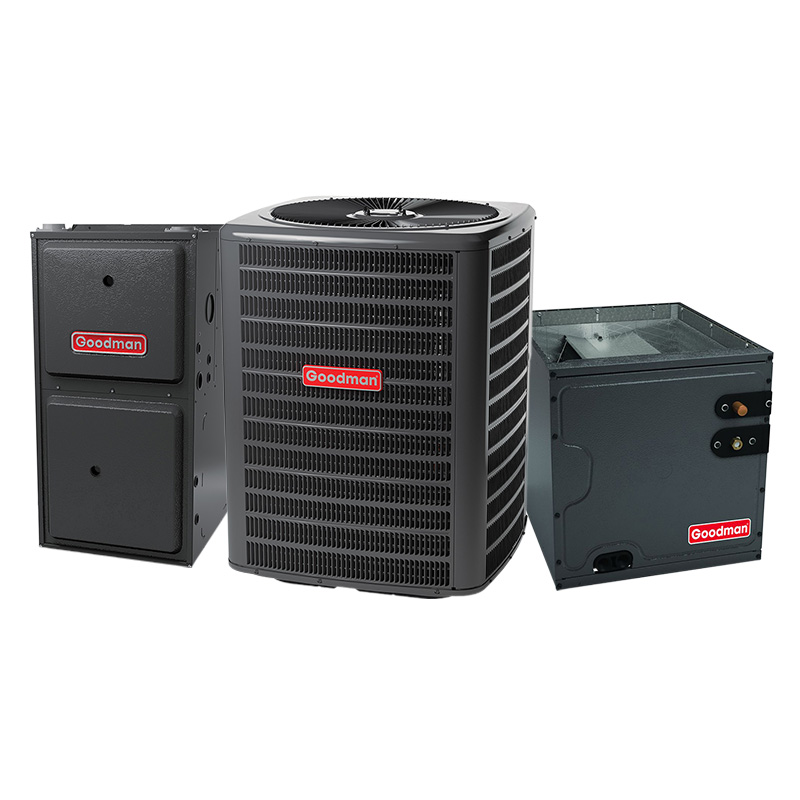
Goodman 2 Ton 14.3 SEER2 AC & Gas Furnace System – Multi-Speed, 40000 BTU Gas Furnace, 92% AFUE, Upflow, R32
View on AC Direct see your lowest price →Check current price on AC Direct →
Key features
- 2-ton cooling capacity, 14.3 SEER2 efficiency rating
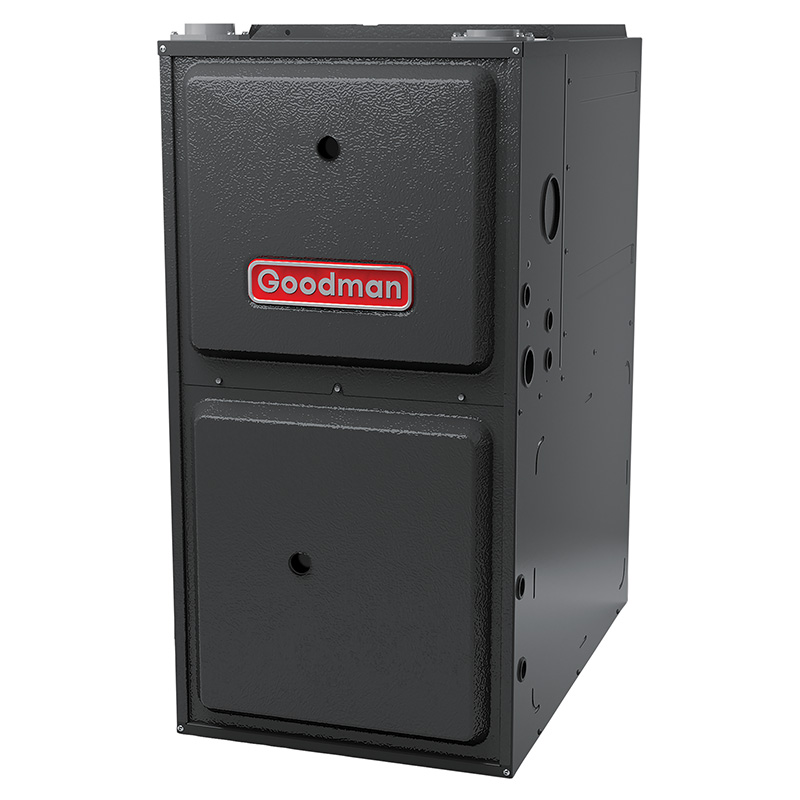
- 40,000 BTU upflow gas furnace at 92% AFUE
- Multi-speed blower motor for improved air distribution
- R-32 refrigerant with lower global warming potential than R-410A
- Single-stage compressor operation for straightforward serviceability
- Compatible with standard thermostat wiring and most existing duct systems
About this system
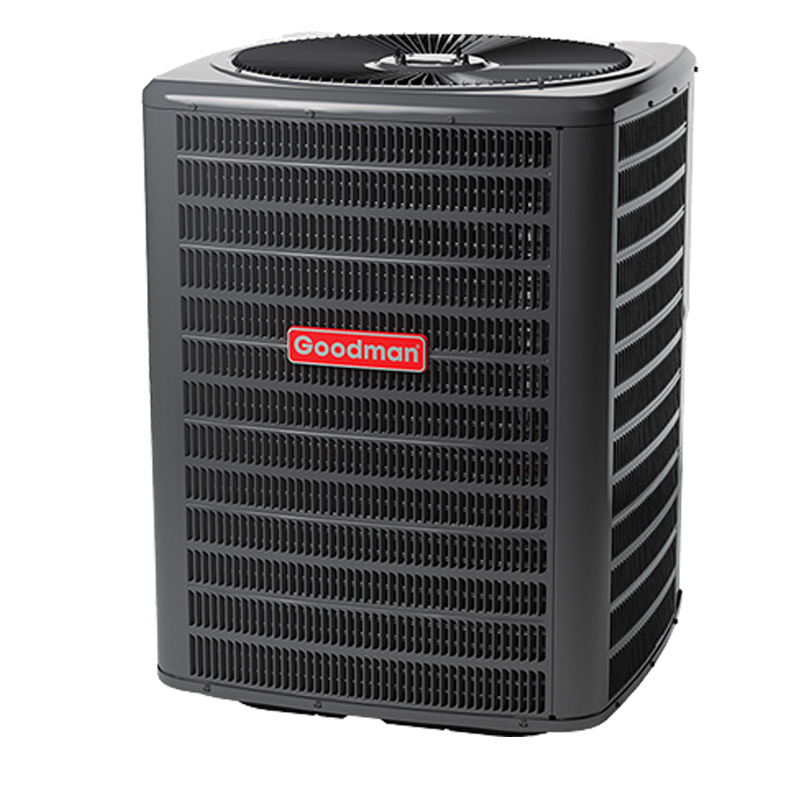
The Goodman GLXS4BA2410 pairs a 2-ton, 14.3 SEER2 single-stage air conditioner with a 40,000 BTU upflow gas furnace rated at 92% AFUE. That efficiency combination sits at the entry-level threshold for modern comfort equipment: the AC just clears the current federal minimum in most climate zones, while the 92% AFUE furnace converts 92 cents of every dollar of gas into usable heat, leaving roughly 8% out the flue. For smaller homes under about 1,000 square feet in moderate climates, this output sizing is appropriate and avoids the short-cycling problems that come with oversizing.
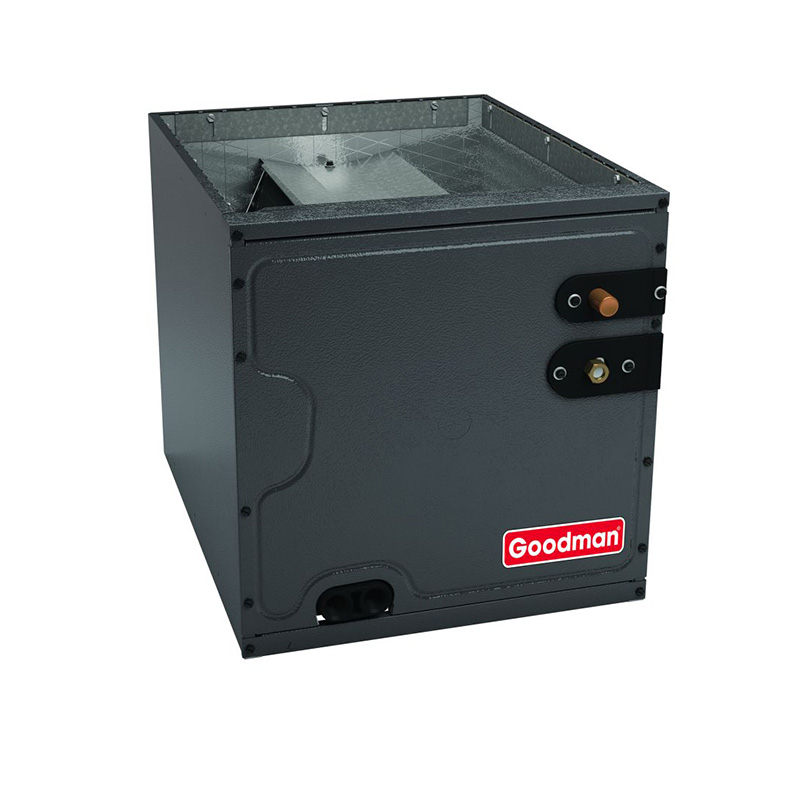
The system uses R-32 refrigerant, a lower-global-warming-potential option that is increasingly common as the industry moves away from R-410A. The upflow configuration means the furnace discharges conditioned air upward through the duct system, which suits homes where the air handler sits in a basement or a lower-level utility closet with ducts running through the floors above. The multi-speed furnace blower offers modest improvements in humidity management and air distribution compared to a single-speed-only blower, though it is not the same as a variable-speed motor. This is a straightforward, budget-conscious system suited to homeowners who want reliable replacement equipment without paying premium-brand prices.
The Goodman GLXS4BA2410 is a serviceable entry-level system that delivers acceptable efficiency at a noticeably lower upfront cost than comparable Carrier, Trane, or Lennox equipment. It performs as advertised when installed correctly, but the brand's documented history of capacitor failures, evaporator coil leaks, and shorter average compressor lifespan means ongoing maintenance costs can erode that initial savings over a decade of ownership. Buyers who prioritize low purchase price and are comfortable with a higher chance of repair calls in years 7 through 14 will find it a reasonable choice.
Overall score is the average of the five ratings above.
What we like
- Purchase price runs roughly 15 to 25 percent below comparable Carrier, Trane, and Lennox systems
- 92% AFUE furnace meaningfully reduces gas consumption versus 80% AFUE alternatives
- R-32 refrigerant is more environmentally responsible and increasingly well-supported by technicians
- Single-stage design is simple to diagnose and repair, with widely available parts
- Multi-speed blower improves humidity control and comfort compared to single-speed-only units
Trade-offs
- Dual-run capacitors are the most frequently reported failure point, typically requiring a repair call and $300 to $600 in costs
- Evaporator coil leaks appear in a meaningful share of owner reports, a potentially expensive fix outside warranty
- Average compressor lifespan of 10 to 14 years trails the 15 to 20 years typical of premium brands
- A minority of owners report refrigerant leaks within the first year, most often traceable to install or initial charge issues
What homeowners and pros say about Goodman
Homeowners who have lived with Goodman equipment reflect the split that shows up in the brand’s ratings: a ConsumerAffairs score of around 2.5 out of 5 and a more moderate Google dealer average of roughly 3.8 out of 5. The ConsumerAffairs number is complaint-skewed by design, and the recurring theme there is repair costs that start climbing after roughly year seven. The Google dealer scores lean positive, with affordability cited most often as the reason buyers chose Goodman in the first place. For this 2-ton system specifically, that pattern holds: owners who get a clean installation and stay current on annual maintenance tend to report years of uneventful operation, while those who encounter problems most often point to the documented failure modes the brand is known for.
HVAC technicians generally describe Goodman as straightforward to work on, with parts that are widely available and a design that does not require proprietary tools or unusual diagnostic steps. The failure modes they flag most often align with what owners report: dual-run capacitors are the most common service call, usually a low-cost fix but one that can repeat over the system’s life; evaporator coil leaks show up in a meaningful share of older units; and compressors on Goodman equipment tend to average 10 to 14 years, noticeably shorter than the 15 to 20 years technicians associate with premium brands. Refrigerant leaks appearing within the first year are also documented in a minority of units, most of which trace back to installation or initial charge quality rather than a factory defect. The consistent professional advice is that install quality matters more with Goodman than with premium brands, making contractor selection at least as important as the equipment itself.
Sources: ConsumerAffairs Goodman owner reviews, AHRI Directory of Certified Product Performance, U.S. DOE appliance and equipment efficiency standards, Goodman product specification sheets.
What it costs to run
At 14.3 SEER2, cooling this 2-ton system for a typical 1200-hour cooling season at the U.S. average electricity rate of $0.17/kWh works out to roughly $342 per year in cooling, about $23 less per year than a minimum-efficiency 13.4 SEER2 unit of the same size. Your real cost depends on your climate and local rate.
Method: (24,000 BTU/hr ÷ 14.3 SEER2) × 1200 hours ÷ 1000 × $0.17/kWh. Rate source: U.S. EIA average; cooling hours: moderate-climate estimate.
How it compares
| Brand | Comparable model | SEER2 | Stage | Price position |
|---|---|---|---|---|
| Goodman | GLXS4BA2410 | 14.3 | Single-stage | Value pick |
| Carrier | Comfort Series (24ACC4) | 14.3 | Single-stage | Typically 15 to 25 percent more than Goodman |
| Trane | XR14 Series | 14.3 | Single-stage | Typically 15 to 25 percent more than Goodman |
| Lennox | Merit Series (14ACX) | 14.3 | Single-stage | Typically 15 to 25 percent more than Goodman |
Competitor rows are comparable single-stage units at similar efficiency; price is relative position, not a quote.
Questions about this system
Is a 2-ton unit the right size for my home?
Two tons of cooling is generally appropriate for homes between roughly 800 and 1,100 square feet in average climates, though proper sizing depends on insulation, window area, ceiling height, and local climate. A licensed HVAC contractor should perform a Manual J load calculation before installation to confirm the fit, since an oversized unit will short-cycle and leave humidity problems even if the temperature drops quickly.
What does 14.3 SEER2 actually mean for my electricity bill?
SEER2 is the newer, more real-world-accurate efficiency rating. A 14.3 SEER2 unit is at the lower end of today's market but still more efficient than equipment manufactured before 2006. You will see moderate electricity savings compared to old equipment, but not the same bill reductions you would get from a 17 or 18 SEER2 system. For a 2-ton unit running in a moderate climate, the practical difference between 14 and 17 SEER2 is meaningful but not dramatic on an annual basis.
The specs say R-32 refrigerant. Will local technicians be able to service it?
R-32 adoption is growing rapidly as the industry phases out R-410A, and most HVAC service companies are now certified to handle it. That said, it is worth confirming with your local technician before purchase, particularly in rural areas where some smaller shops may not yet stock R-32 or have completed the handling certification.
What warranty comes with this Goodman system?
Goodman typically offers a 10-year parts limited warranty when the equipment is registered with the brand within a set window after installation, along with a lifetime heat exchanger limited warranty on qualifying furnaces. Failure to register can reduce coverage to five years, so registration immediately after install is important. The warranty covers parts but not labor, which is a common industry practice and means repair costs will still include the technician's time.
How much should I budget for maintenance and potential repairs over the first ten years?
Beyond annual tune-ups, Goodman owners most commonly encounter dual-run capacitor failures, which typically cost between $300 and $600 to repair and can occur more than once over the system's life. Evaporator coil leaks are a less common but more expensive repair, potentially running into the thousands depending on the coil and labor rates in your area. Setting aside a modest annual maintenance reserve and scheduling yearly inspections is the most effective way to catch small issues before they become major ones.
Specifications
| Cooling capacity | 2 Ton |
| Efficiency | 14.3 SEER2 |
| Furnace output | 40000 BTU |
| Furnace efficiency | 92% AFUE |
| Configuration | Upflow |
| Refrigerant | R-32 |
| Model | GLXS4BA2410 |