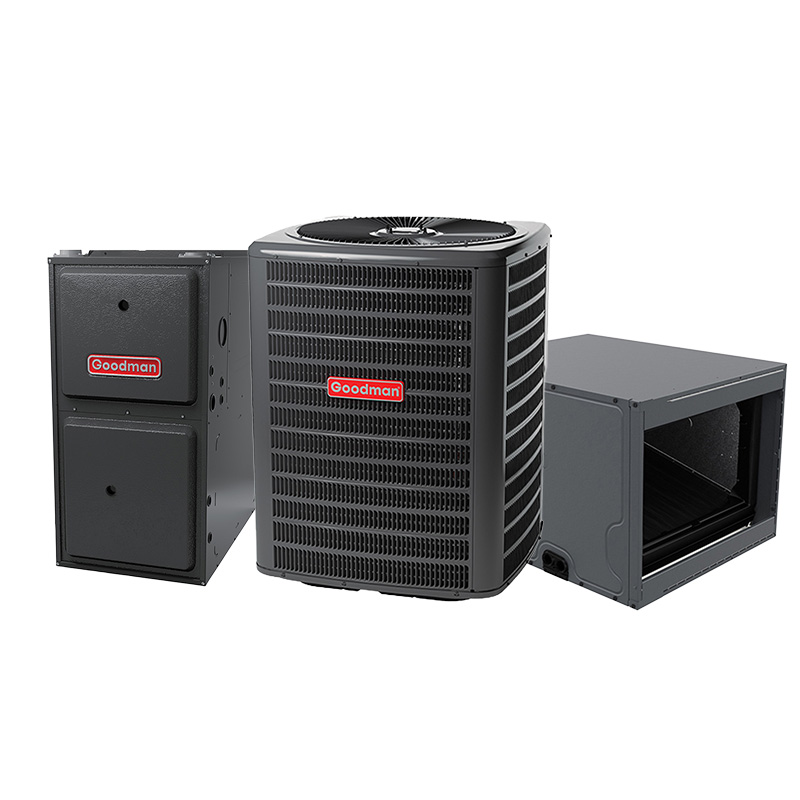
Goodman 2 Ton 14.5 SEER2 Dual Fuel Heat Pump & Gas Furnace Hybrid System – Modulating Variable-Speed, 80000 BTU Gas Furnace, 97% AFUE, Horizontal, R32
View on AC Direct see your lowest price →Check current price on AC Direct →
Key features
- Dual-fuel hybrid operation: switches automatically between heat pump and gas furnace for cost-efficient heating
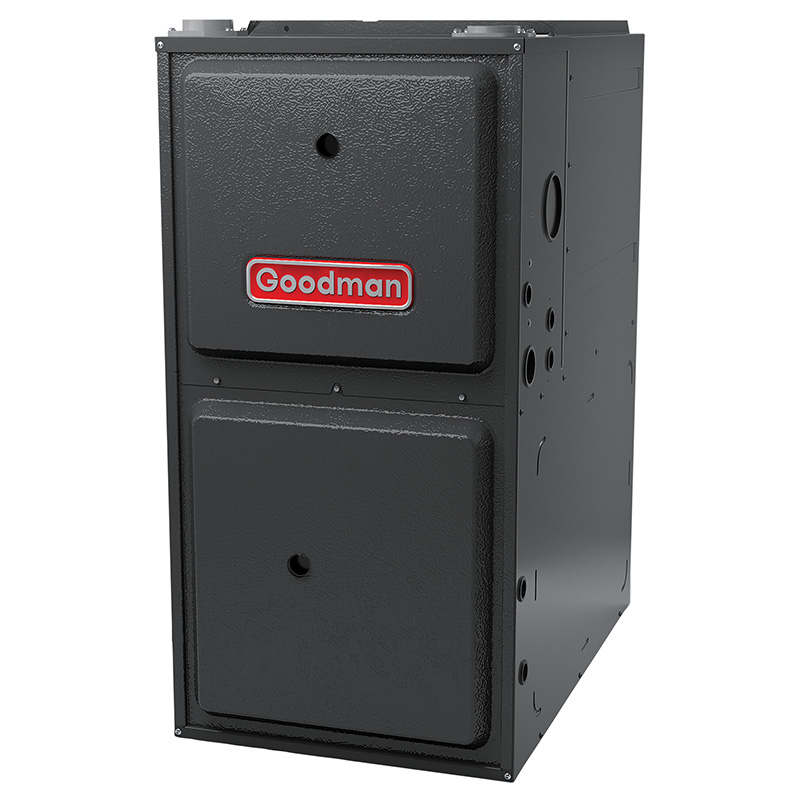
- 97% AFUE modulating gas furnace with 80,000 BTU capacity
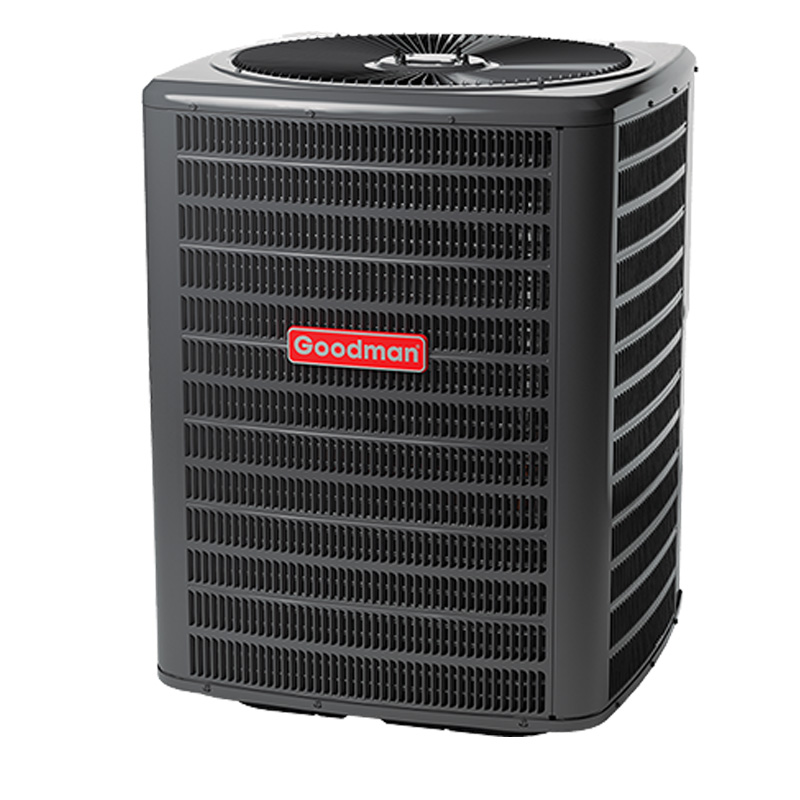
- 14.5 SEER2 variable-speed heat pump using R-32 refrigerant
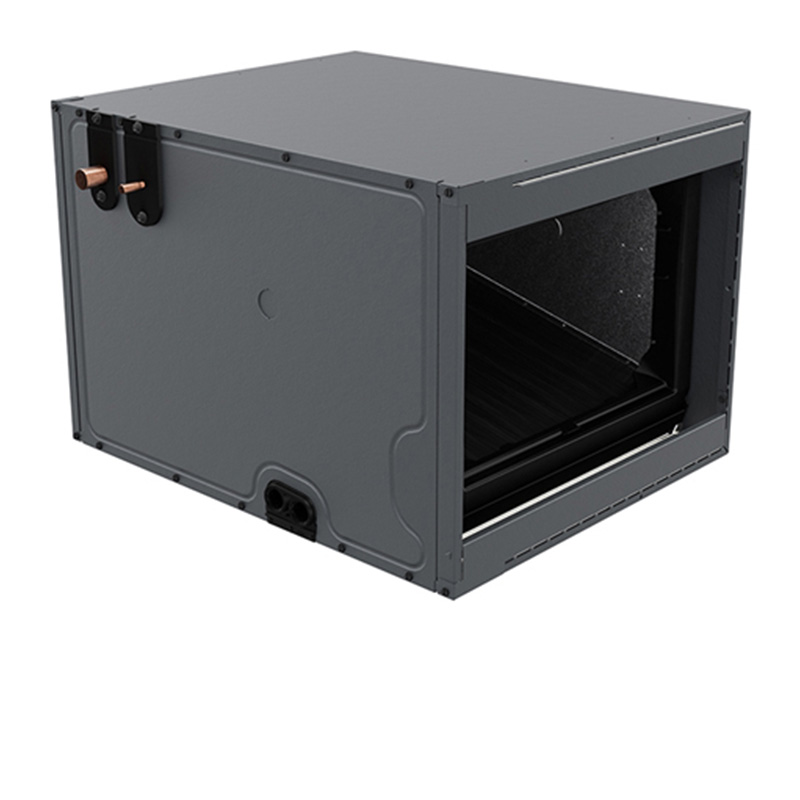
- Horizontal cabinet orientation for attic, crawl space, or side-discharge installations
- Variable-speed blower and modulating gas valve for precise comfort and humidity control
- Priced 15 to 25 percent below comparable Trane, Lennox, and Carrier hybrid systems
About this system
The Goodman GLZS4BA2410 is a 2-ton dual-fuel hybrid system that pairs a 14.5 SEER2 variable-speed heat pump with an 80,000 BTU, 97% AFUE modulating gas furnace in a horizontal configuration. Dual-fuel means the system automatically switches between electric heat-pump operation and gas-furnace heat depending on outdoor temperature and which fuel source is cheaper or more efficient at that moment. For homeowners in mixed climates who already have a gas line, this can meaningfully reduce annual heating costs compared to an electric-only or gas-only system. The R-32 refrigerant charge is a forward-looking choice: R-32 has a lower global-warming potential than R-410A and is increasingly preferred as the industry moves away from older refrigerants.
The modulating gas furnace and variable-speed components allow the system to run at partial capacity most of the time rather than cycling on and off at full blast, which improves comfort, humidity control, and efficiency. A 97% AFUE rating means only 3% of combustion heat escapes up the flue, placing this furnace at the top of the efficiency range for residential gas equipment. The horizontal configuration is designed for attic, crawl space, or closet installs where a vertical unit would not fit, making it a practical option for slab-foundation homes or older construction with limited mechanical-room space. This system suits budget-conscious homeowners who want high-efficiency gas heat, heat-pump cooling, and the flexibility of dual-fuel switching, and who understand that realizing all those benefits depends heavily on professional installation and commissioning.
The Goodman GLZS4BA2410 delivers genuinely high-efficiency dual-fuel performance at a price point that undercuts premium brands by a meaningful margin, making it one of the more accessible paths to a 97% AFUE, variable-speed hybrid system. The trade-off is a documented history of component-level issues, particularly capacitors and evaporator coil leaks, and a compressor lifespan that tends to run shorter than premium competitors. Buyers who invest in quality installation and consider an extended service agreement get the most from this system.
Overall score is the average of the five ratings above.
What we like
- 97% AFUE modulating furnace is among the most efficient residential gas options available
- Dual-fuel switching can reduce annual energy costs in climates with variable fuel prices
- R-32 refrigerant lowers environmental impact compared to older R-410A systems
- Variable-speed operation improves humidity control and comfort during long partial-load runs
- Significantly lower upfront cost than comparable Carrier, Trane, or Lennox hybrid systems
Trade-offs
- Dual-run capacitors are the most commonly reported failure, typically at years 5 to 8 and costing $300 to $600 per incident
- Evaporator coil leaks appear in a meaningful share of owner reports, potentially requiring costly coil replacement
- Compressor longevity averages 10 to 14 years, noticeably shorter than the 15 to 20 years reported for premium brands
- A minority of owners report refrigerant leaks within the first year, which is usually traced to install or initial charge quality rather than the equipment itself
What homeowners and pros say about Goodman
Homeowners who have installed the GLZS4BA2410 or similar Goodman dual-fuel systems tend to split along a clear line: those who had an experienced contractor handle setup report the comfort benefits of variable-speed operation and appreciate the lower purchase price, while those who encountered problems point to repair bills that eroded the upfront savings. Goodman’s documented weak points are specific and worth naming. Dual-run capacitors are the most commonly reported failure, typically a quick fix in the $300 to $600 range but frustrating when it happens repeatedly. Evaporator coil leaks appear in a meaningful share of owner accounts and are considerably more expensive to address. Compressor longevity running 10 to 14 years on average, versus 15 to 20 for premium brands, is the longest-horizon concern for buyers who plan to stay in the home. Goodman scores around 2.5 out of 5 on ConsumerAffairs, a complaint-heavy channel, and around 3.8 out of 5 across Google dealer reviews, where the most repeated praise is that the equipment costs noticeably less than Carrier, Trane, or Lennox alternatives.
HVAC technicians generally describe Goodman as workable equipment that rewards careful installation. Because Goodman’s performance leans heavily on setup quality, a rushed or low-bid install amplifies every reliability risk the brand already carries. Techs who service these units regularly note that the capacitor failures are straightforward calls, but refrigerant leaks in the first year, which do occur in a minority of installs, almost always point back to how the system was charged rather than a factory defect. For this specific horizontal dual-fuel configuration, the installation complexity is higher than a standard split system: PVC condensate venting for the 97% AFUE furnace, proper dual-fuel thermostat programming, and correct R-32 charging all need to be done right the first time. Buyers who budget for a thorough professional install and keep a service plan in place for capacitor and coil monitoring tend to get the most from what is, on paper, a genuinely capable high-efficiency system at an accessible price.
Sources: ConsumerAffairs Goodman owner reviews, AHRI Directory of Certified Product Performance, U.S. DOE appliance and equipment efficiency standards, Goodman product specification sheets.
What it costs to run
At 14.5 SEER2, cooling this 2-ton system for a typical 1200-hour cooling season at the U.S. average electricity rate of $0.17/kWh works out to roughly $338 per year in cooling, about $27 less per year than a minimum-efficiency 13.4 SEER2 unit of the same size. Your real cost depends on your climate and local rate.
Method: (24,000 BTU/hr ÷ 14.5 SEER2) × 1200 hours ÷ 1000 × $0.17/kWh. Rate source: U.S. EIA average; cooling hours: moderate-climate estimate.
How it compares
| Brand | Comparable model | SEER2 | Stage | Price position |
|---|---|---|---|---|
| Goodman | GLZS4BA2410 (Dual-Fuel Hybrid, Modulating/Variable-Speed) | 14.5 | Variable / Modulating | Value pick |
| Carrier | Performance Dual Fuel Series (25HCE6 heat pump paired with 59TP6 furnace) | 15.2 | Two-stage | Typically 15 to 25 percent more than Goodman |
| Trane | XR15 Dual Fuel (4TXR5 heat pump paired with S9X2 furnace) | 15.0 | Two-stage | Typically 15 to 25 percent more than Goodman |
| Lennox | Merit ML14XP1 Dual Fuel (heat pump paired with ML296V furnace) | 14.3 | Single-stage heat pump / variable-speed furnace | Typically 15 to 25 percent more than Goodman |
Competitor rows are comparable single-stage units at similar efficiency; price is relative position, not a quote.
Questions about this system
How does the dual-fuel switching actually work, and do I need to set it manually?
The system uses an outdoor temperature setpoint, sometimes called a balance point, programmed into the thermostat or control board. When outdoor temperatures drop below that point or when gas becomes the cheaper heating option, the system switches from heat-pump operation to the gas furnace automatically. Most installers set this during commissioning; a compatible dual-fuel thermostat is required and must be properly configured for the switching to function as intended.
Is R-32 refrigerant harder to service than R-410A if I need a repair later?
R-32 is becoming more common as R-410A production winds down, and most HVAC technicians in regions with modern equipment are familiar with it. It does require A2L-rated handling procedures because it is mildly flammable, so confirm your service contractor is certified and equipped for R-32 work before you need emergency repairs.
What does the horizontal configuration actually mean for where this unit can be installed?
Horizontal means the air handler section is designed to lie on its side and discharge air horizontally rather than vertically, which suits attics with low clearance, crawl spaces, or closet installations with side-discharge ductwork. It cannot simply be stood upright and used as a vertical unit; the drain pan, coil orientation, and duct connections are all configured for horizontal airflow.
Goodman's ConsumerAffairs score is around 2.5 out of 5. Should that worry me?
ConsumerAffairs skews heavily toward dissatisfied owners who seek an outlet to report problems, so a 2.5 there reflects the brand's real failure points rather than the experience of all owners. The recurring theme in those reviews is repair costs climbing after roughly year 7, which aligns with Goodman's documented compressor and capacitor failure patterns. Google dealer reviews average around 3.8 out of 5, where affordability is the most common positive feedback. A realistic reading is that Goodman performs adequately for most owners but carries higher component-failure risk than premium brands as the system ages.
Does a 97% AFUE furnace require special venting, and what does that mean for a horizontal install?
Yes. A 97% AFUE condensing furnace extracts so much heat from combustion gases that the flue gases exit as a cool, water-laden vapor rather than hot exhaust. This requires PVC or CPVC plastic vent pipe rather than metal flue pipe, and the system also produces condensate that must drain properly. In a horizontal attic install, the installer needs to plan for both the vent pipes exiting through an exterior wall or roof and for a condensate drain routed to an appropriate discharge point, which adds complexity compared to a standard 80% furnace installation.
Specifications
| Cooling capacity | 2 Ton |
| Efficiency | 14.5 SEER2 |
| Furnace output | 80000 BTU |
| Furnace efficiency | 97% AFUE |
| Configuration | Horizontal |
| Refrigerant | R-32 |
| Model | GLZS4BA2410 |