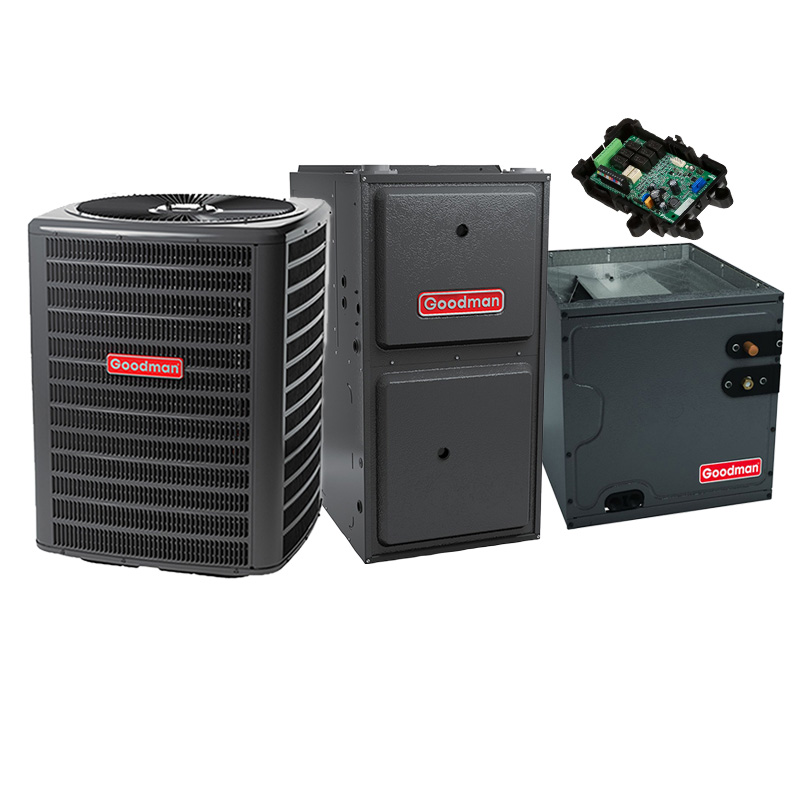
Goodman 2 Ton 14 SEER2 60000 BTU 96% AFUE Gas Furnace With R32 Air Condenser and Coil System – Upflow
View on AC Direct see your lowest price →Check current price on AC Direct →
Key features
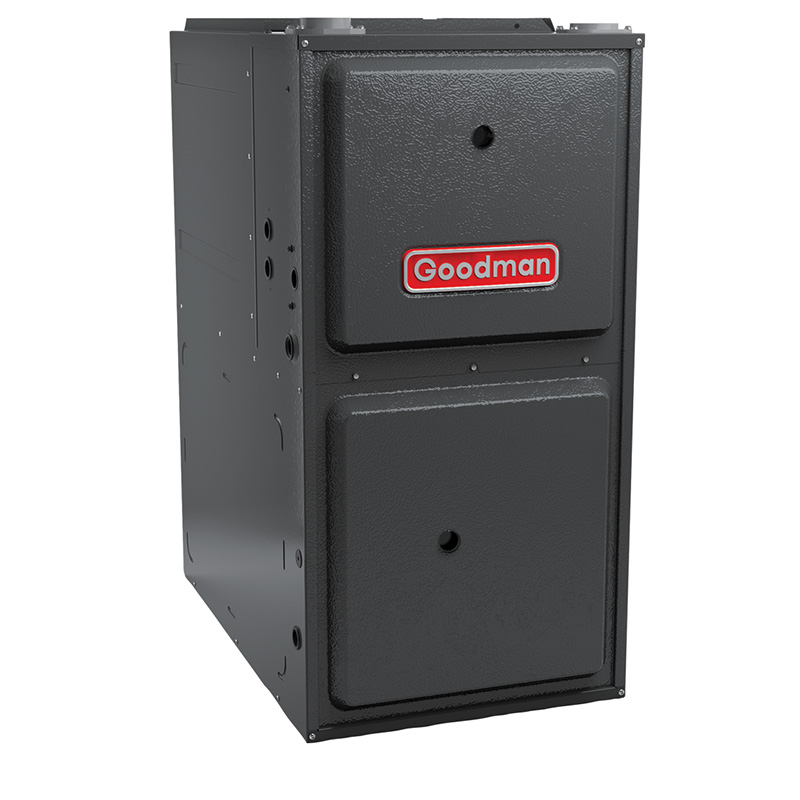
- 96% AFUE upflow gas furnace rated at 60,000 BTU for high-efficiency winter heating
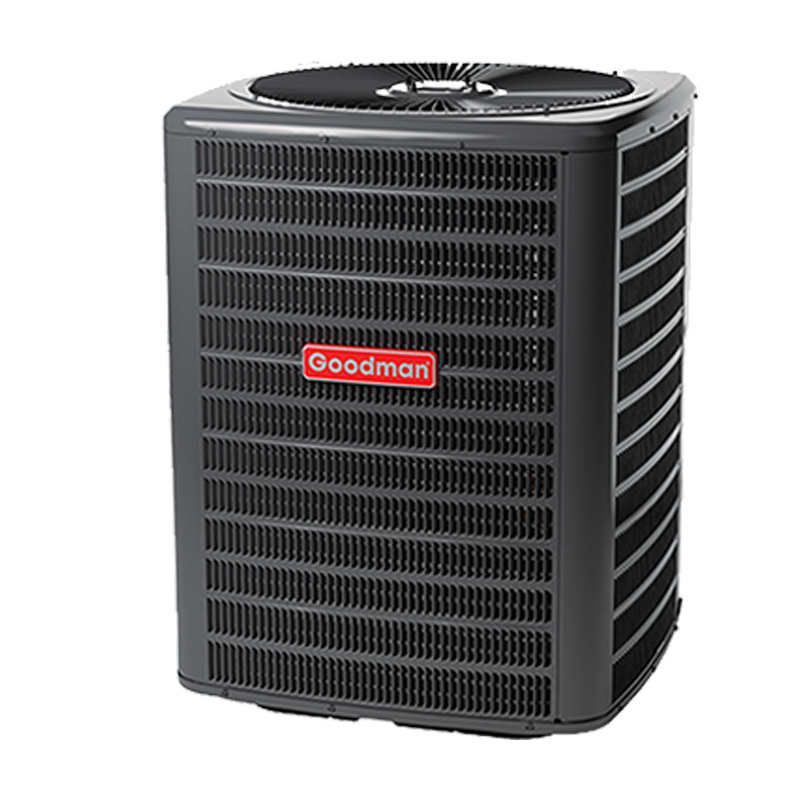
- 14 SEER2 single-stage air condenser sized at 2 tons for cooling loads up to roughly 1,400 sq ft
- R-32 refrigerant with lower global warming potential than outgoing R-410A systems
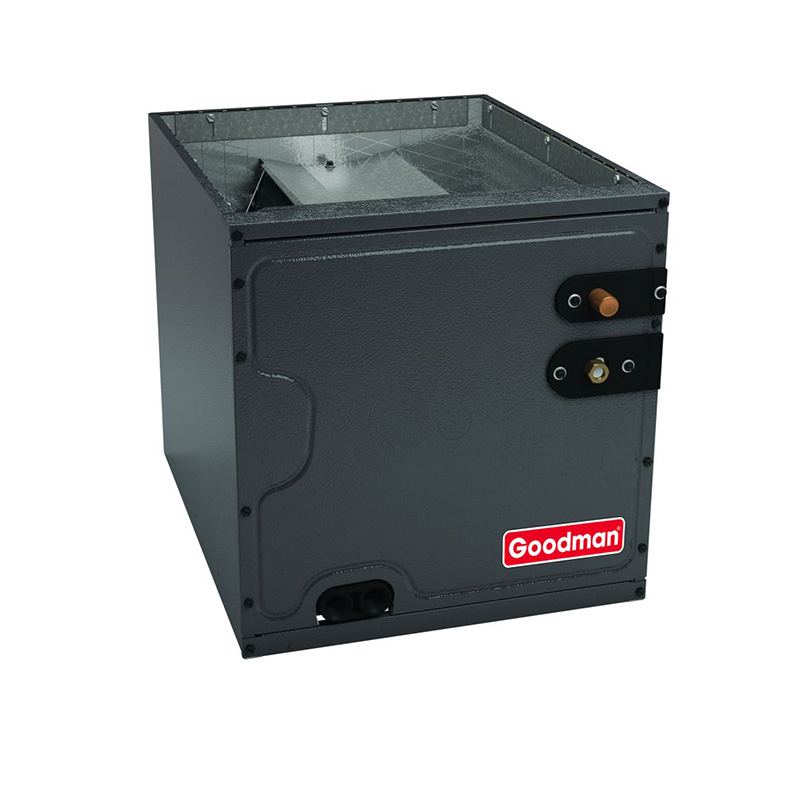
- Matched evaporator coil included, pre-confirmed for refrigerant and airflow compatibility
- Upflow cabinet design for basement or closet installations with overhead duct distribution
- Goodman 10-year parts limited warranty when registered within 60 days of installation
About this system
This Goodman 2-ton, 14 SEER2 package combines a gas furnace rated at 60,000 BTU and 96% AFUE with an R-32 air condenser and matching evaporator coil in an upflow configuration. The 96% AFUE furnace is a high-efficiency unit that converts 96 cents of every fuel dollar into usable heat, which meaningfully cuts winter gas bills compared to the 80% AFUE standard equipment still common in many homes. The 14 SEER2 rating for the cooling side meets the federal minimum for most northern U.S. regions and delivers solid baseline efficiency without the added cost of two-stage or variable-speed technology.
The switch to R-32 refrigerant is a forward-looking design choice. R-32 has a lower global warming potential than the R-410A it replaces and is increasingly common in new residential equipment, so finding a technician certified to handle it is straightforward in most markets. The upflow configuration suits homes where the air handler sits in a basement or utility closet and supply air rises into the living space above. At 2 tons, this system is sized for roughly 900 to 1,400 square feet depending on your climate, insulation, and window load, and a proper Manual J load calculation before purchase is the best way to confirm the fit.
Goodman positions this system as a cost-conscious entry into high-efficiency heating and code-compliant cooling. It suits budget-aware homeowners who want genuine 96% AFUE furnace performance and are comfortable accepting single-stage, on-or-off operation rather than the quieter, more precise comfort of modulating equipment. The trade-off is a lower ceiling on long-term equipment life compared to premium brands at higher price points.
This system delivers real high-efficiency heating at a price point well below comparable Carrier, Trane, and Lennox packages, making it a defensible choice for budget-conscious buyers who pair it with a skilled installer. The single-stage cooling and Goodman's documented reliability ceiling after year 7 are honest limitations buyers should weigh before committing. For a primary residence where installation quality can be controlled and long-term ownership costs are carefully planned for, it earns its place in the market.
Overall score is the average of the five ratings above.
What we like
- 96% AFUE furnace delivers genuine high-efficiency heating and lower gas bills versus 80% AFUE alternatives
- Priced 15 to 25 percent below comparable Carrier, Trane, and Lennox systems, reducing upfront cost
- Matched coil and condenser sold together, simplifying compatibility and reducing selection errors
- R-32 refrigerant is current-generation and serviceable by most certified HVAC technicians
- 10-year parts limited warranty (registered) is competitive for this price tier
Trade-offs
- Single-stage cooling runs at full capacity or not at all, which can mean temperature swings and higher humidity levels compared to two-stage or variable-speed systems
- Compressor longevity averages 10 to 14 years versus 15 to 20 for premium brands, meaning earlier replacement is more likely
- Dual-run capacitor failures are the most commonly reported repair, and evaporator coil leaks appear in a meaningful share of owner reports
- Overall performance is heavily dependent on install quality; a poor installation can shorten equipment life significantly and reduce efficiency gains
What homeowners and pros say about Goodman
Homeowners who report positive experiences with Goodman equipment most often point to the upfront savings, noting on Google dealer reviews (averaging around 3.8 out of 5 across multiple locations) that the system works as advertised when the installation is done right. The complaint picture on ConsumerAffairs is less encouraging, where the brand sits around 2.5 out of 5 and the recurring theme is repair expenses climbing after roughly year 7 of ownership. The two data points are not contradictory: Goodman equipment that is correctly installed and maintained can serve its expected lifespan, while equipment that was rushed into service or put on an improperly matched duct system tends to surface problems earlier.
HVAC technicians frequently flag three specific failure patterns with Goodman residential systems. Dual-run capacitor failures are the most common service call, generally a 300 to 600 dollar repair and considered a manageable maintenance cost rather than a catastrophic one. Evaporator coil leaks appear in a notable share of long-term owner reports and can be more disruptive and expensive to address. Compressor lifespan is the bigger strategic concern: Goodman compressors average roughly 10 to 14 years in the field, which falls short of the 15 to 20 years owners of premium-brand equipment tend to see. For buyers choosing this system, setting aside a modest service reserve and budgeting for a potential compressor replacement in the second decade of ownership is a more realistic ownership plan than assuming trouble-free longevity.
Sources: ConsumerAffairs Goodman owner reviews, AHRI Directory of Certified Product Performance, U.S. DOE appliance and equipment efficiency standards, Goodman product specification sheets.
What it costs to run
At 14 SEER2, cooling this 2-ton system for a typical 1200-hour cooling season at the U.S. average electricity rate of $0.17/kWh works out to roughly $350 per year in cooling, about $15 less per year than a minimum-efficiency 13.4 SEER2 unit of the same size. Your real cost depends on your climate and local rate.
Method: (24,000 BTU/hr ÷ 14 SEER2) × 1200 hours ÷ 1000 × $0.17/kWh. Rate source: U.S. EIA average; cooling hours: moderate-climate estimate.
How it compares
| Brand | Comparable model | SEER2 | Stage | Price position |
|---|---|---|---|---|
| Goodman | GMVC960603BN / GSXH502410 / CAPF series | 14 | Single-stage | Value pick |
| Carrier | Performance 14 / 24ACC6 series with 58MVC furnace | 14-15 | Single-stage | Typically 15 to 25 percent more than this Goodman package |
| Trane | XR14 / S9X1 series | 14-15 | Single-stage | Typically 15 to 25 percent more than this Goodman package |
| Lennox | Merit 14ACX / ML196 series | 14 | Single-stage | Typically 15 to 25 percent more than this Goodman package |
Competitor rows are comparable single-stage units at similar efficiency; price is relative position, not a quote.
Questions about this system
Is 2 tons the right size for my house?
Two tons is generally appropriate for homes between 900 and 1,400 square feet, but that range shifts based on your climate zone, ceiling height, insulation levels, and window area. A licensed HVAC contractor should perform a Manual J load calculation before you purchase; oversizing or undersizing this system will hurt both comfort and efficiency regardless of equipment quality.
What does it cost to service this system if the capacitor fails?
Dual-run capacitor replacement is one of the most commonly reported repairs on Goodman equipment and typically runs in the 300 to 600 dollar range including labor. It is a relatively quick fix, but planning for it as a likely maintenance cost sometime in the first 10 years is realistic.
How do I make sure the 10-year warranty stays valid?
Goodman requires product registration within 60 days of installation to activate the 10-year parts limited warranty; without registration, coverage typically drops to 5 years on parts. Keep your installation receipt and register online promptly after the system is commissioned.
Can any HVAC technician service the R-32 refrigerant in this system?
R-32 requires EPA Section 608 certification, which most licensed HVAC technicians already hold, and it is compatible with standard recovery equipment in many cases, though some older machines need an adapter. Availability of R-32-qualified service in most U.S. markets is not a significant concern, but confirming with your local contractor before purchase is a reasonable precaution in rural areas.
How does this system compare in reliability to Carrier or Trane at a similar efficiency level?
Goodman's ConsumerAffairs rating sits around 2.5 out of 5, with recurring complaints about repair costs rising after roughly year 7, while Google dealer reviews average closer to 3.8 out of 5 where affordability is the most common positive. Compressor lifespan for Goodman tends to average 10 to 14 years compared to 15 to 20 for premium-tier brands, so the lower upfront cost comes with a statistically earlier expected replacement window.
Specifications
| Cooling capacity | 2 Ton |
| Efficiency | 14 SEER2 |
| Furnace output | 60000 BTU |
| Furnace efficiency | 96% AFUE |
| Configuration | Upflow |
| Refrigerant | R-32 |