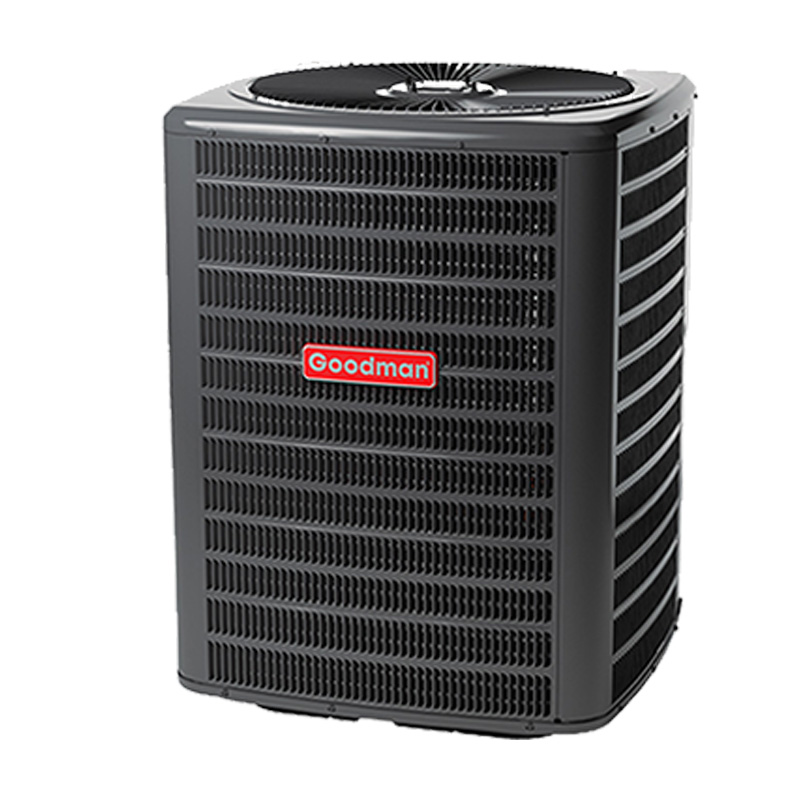
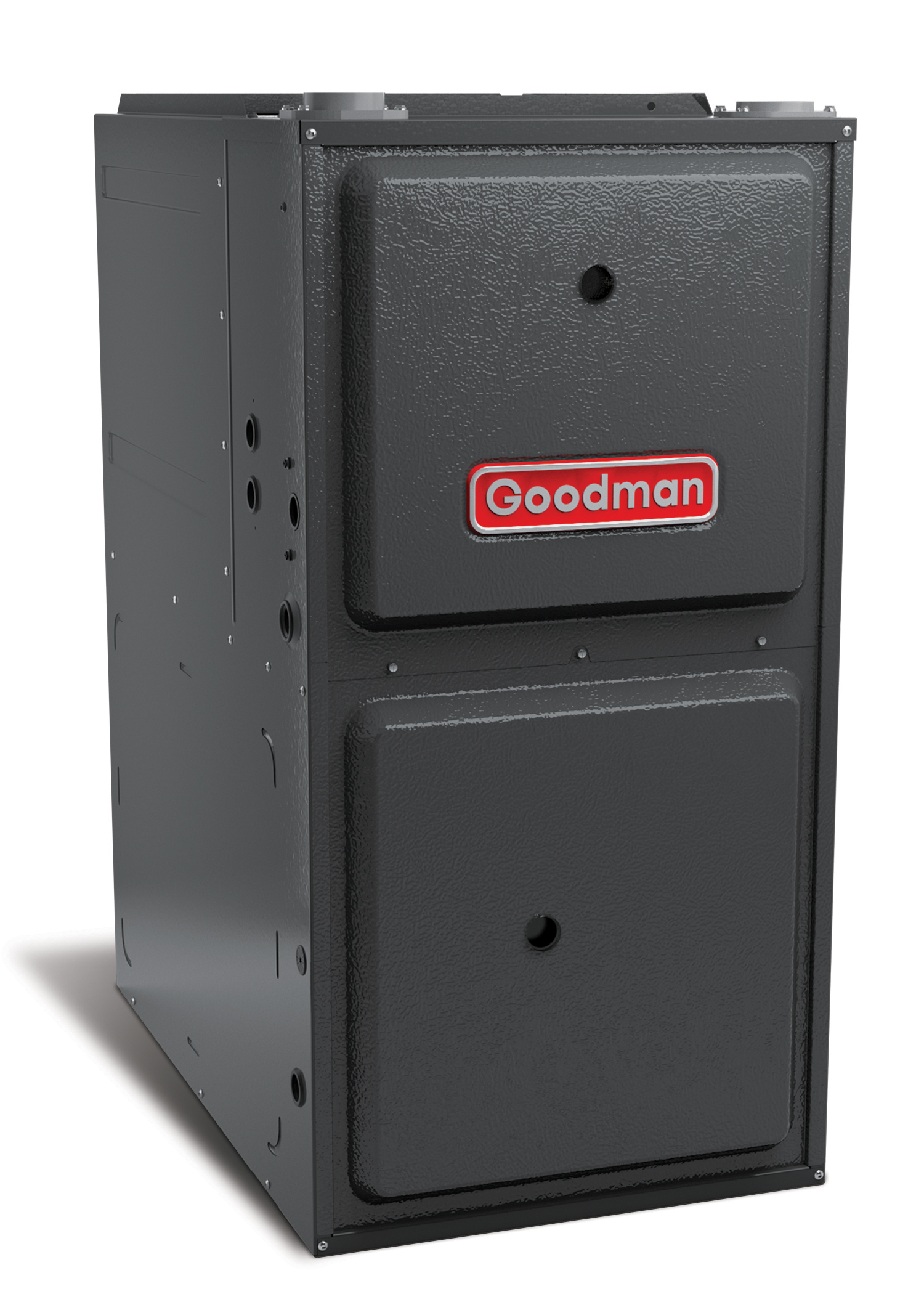
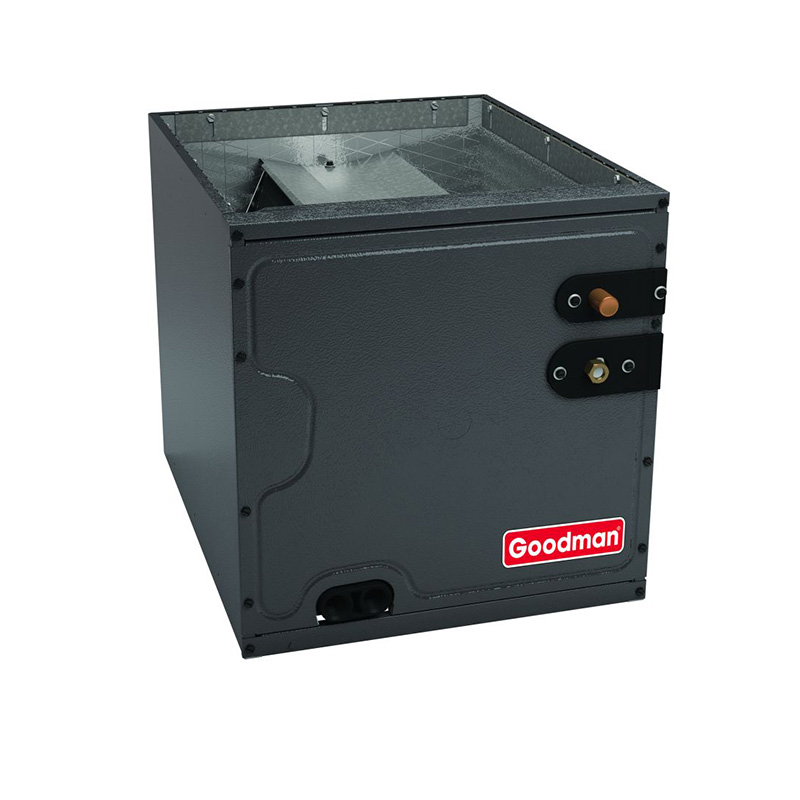
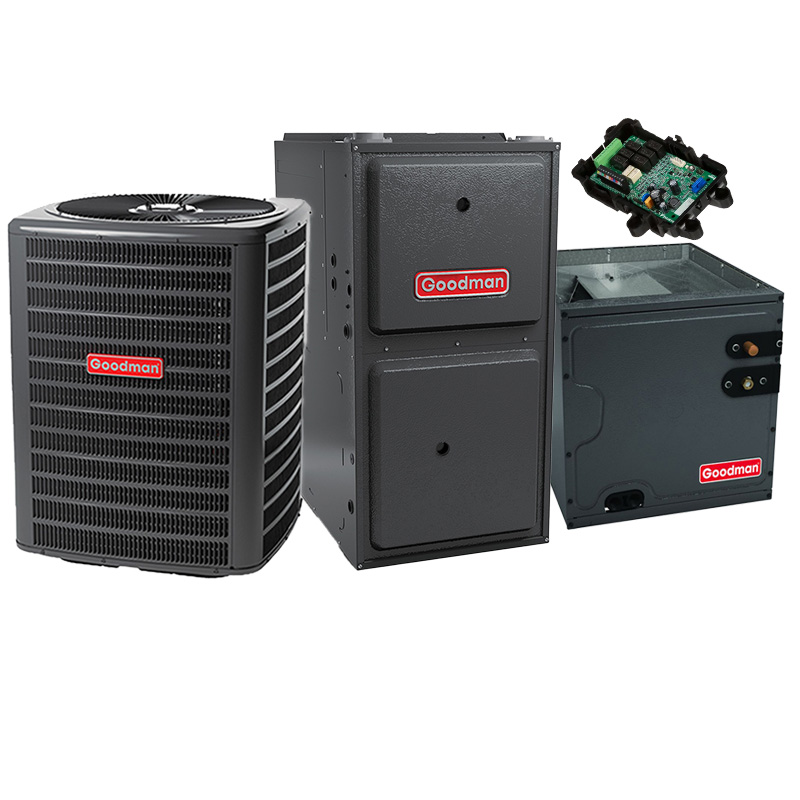
Goodman 2 Ton 14 SEER2 60000 BTU 96% AFUE Two-Stage Gas Furnace With R32 Air Condenser and Coil System – Upflow
View on AC Direct see your lowest price →Check current price on AC Direct →
Key features
- Two-stage 96% AFUE gas furnace reduces fuel consumption and temperature swings versus single-stage units
- 14 SEER2 cooling efficiency meets current federal minimums for most U.S. climate regions
- R-32 refrigerant replaces R-410A with a lower global warming potential
- Upflow configuration suits homes with ductwork routed above the air handler
- Matched coil and condenser sold as a system to simplify compatibility and warranty compliance
- 2-ton capacity suited to smaller homes, roughly 800 to 1,200 square feet depending on load
About this system
This Goodman bundle pairs a 2-ton, 14 SEER2 R-32 air condenser and matched evaporator coil with a 60,000 BTU, 96% AFUE two-stage gas furnace in an upflow configuration. The combination is sized for smaller homes, typically in the 800 to 1,200 square foot range depending on local climate and insulation, and the upflow arrangement means the furnace sits at floor level and discharges conditioned air upward through ductwork above it, which is the most common residential setup in the U.S.
The two-stage furnace runs at a reduced capacity most of the time and only fires at full output on the coldest days. That behavior translates to more even temperatures, quieter operation, and modestly better efficiency compared with a single-stage unit of the same AFUE rating. At 96% AFUE, very little heat goes up the flue. R-32 refrigerant carries a lower global warming potential than the older R-410A it replaces and is increasingly standard in new residential equipment. Buying furnace, condenser, and coil as a matched system simplifies compatibility verification and can satisfy manufacturer warranty requirements that call for a certified combination.
This bundle suits budget-conscious homeowners replacing aging equipment in a smaller home who want a high-efficiency furnace and a code-compliant refrigerant without paying premium-brand prices. It rewards careful installation and regular maintenance more than many competing options, so factoring in a licensed contractor with specific Goodman experience is genuinely important here.
This Goodman system delivers solid efficiency specs at a price point that is hard to beat among name-brand HVAC equipment. The 96% AFUE furnace and two-stage operation are genuine advantages, but the brand's documented history of capacitor failures, evaporator coil leaks, and shorter-than-premium compressor lifespans means ownership costs beyond year seven deserve a realistic look before buying.
Overall score is the average of the five ratings above.
What we like
- 96% AFUE furnace rating keeps heating costs low in cold climates
- Two-stage furnace operation improves comfort and reduces on-off cycling compared with single-stage
- Priced 15 to 25 percent below comparable Trane, Lennox, and Carrier systems
- R-32 refrigerant is forward-looking and complies with current regulatory trends
- Matched system bundle reduces compatibility guesswork and supports full warranty coverage
Trade-offs
- Dual-run capacitors are the most frequently reported failure, typically adding a repair bill in the 300 to 600 dollar range within the first decade
- Evaporator coil leaks appear in a meaningful share of owner reports, a potentially costly repair
- Compressor lifespan averages 10 to 14 years versus 15 to 20 years for premium brands, suggesting earlier replacement
- A minority of owners report refrigerant leaks within the first year, usually tied to installation quality rather than the equipment itself
What homeowners and pros say about Goodman
Homeowners who leave reviews on ConsumerAffairs give Goodman equipment roughly 2.5 out of 5, a score shaped heavily by the platform’s complaint-skewed audience. The recurring theme in those reviews is repair costs that climb after about year seven, with dual-run capacitor failures and evaporator coil leaks cited most often. Capacitor replacements are typically a modest 300 to 600 dollar repair, but coil leaks can be considerably more disruptive. A separate look at Google dealer reviews, which draw a broader cross-section of buyers, produces a score around 3.8 out of 5 across hundreds of reviews per location, where affordability and the value-for-money proposition are the most consistently praised qualities.
HVAC technicians tend to have a more nuanced view of Goodman than consumer review scores suggest. Most will say the equipment itself is serviceable for the price, but they are quick to point out that installation quality is the single biggest variable in how long any Goodman system lasts. They also note that compressors in Goodman condensers tend to average 10 to 14 years of service life, a meaningful gap compared with the 15 to 20 years more commonly seen in premium brands. A small but real share of owners in the first year report refrigerant issues, which technicians generally attribute to installation or charge problems rather than a factory defect. For this two-ton, two-stage bundle specifically, professionals recommend budgeting for a capacitor swap somewhere in the middle years of ownership and scheduling annual coil inspections as a routine precaution.
Sources: ConsumerAffairs Goodman owner reviews, AHRI Directory of Certified Product Performance, U.S. DOE appliance and equipment efficiency standards, Goodman product specification sheets.
What it costs to run
At 14 SEER2, cooling this 2-ton system for a typical 1200-hour cooling season at the U.S. average electricity rate of $0.17/kWh works out to roughly $350 per year in cooling, about $15 less per year than a minimum-efficiency 13.4 SEER2 unit of the same size. Your real cost depends on your climate and local rate.
Method: (24,000 BTU/hr ÷ 14 SEER2) × 1200 hours ÷ 1000 × $0.17/kWh. Rate source: U.S. EIA average; cooling hours: moderate-climate estimate.
How it compares
| Brand | Comparable model | SEER2 | Stage | Price position |
|---|---|---|---|---|
| Goodman | GSZR2 / GMVC96 / CAPF Series | 14 | Two-stage | Value pick |
| Carrier | Performance 14 / 59TP6 Series | 14-15 | Two-stage | Roughly 20 to 25 percent more than this Goodman bundle |
| Trane | XR14 / S9V2 Series | 14-15 | Two-stage (furnace) | Roughly 20 to 25 percent more than this Goodman bundle |
| Lennox | Merit ML14 / ML196V Series | 14 | Two-stage (furnace) | Roughly 15 to 20 percent more than this Goodman bundle |
Competitor rows are comparable single-stage units at similar efficiency; price is relative position, not a quote.
Questions about this system
Does this system qualify for the federal energy efficiency tax credit?
The 96% AFUE furnace meets the efficiency threshold for the federal residential clean energy credit under current IRS guidance, but you should confirm the specific model number qualifies and consult a tax professional since credit rules can change between filing years.
Is R-32 refrigerant safe, and can my existing technician handle it?
R-32 is mildly flammable and classified A2L under refrigerant safety standards, which means it requires technicians trained and certified for A2L handling. Most licensed HVAC contractors are already being trained on it, but confirm that before scheduling service or installation.
What is the actual Goodman warranty on this bundle, and are there conditions I need to know about?
Goodman typically offers a 10-year parts limited warranty on registered residential equipment, but registration must be completed within a set window after installation and the system generally must be installed by a licensed contractor. Failure to register usually drops coverage to five years, so registering promptly matters.
Will a 2-ton system be enough for my house?
Two tons handles roughly 800 to 1,200 square feet in a moderately insulated home in a temperate climate, but actual sizing depends on ceiling height, window area, insulation values, and local design temperatures. A Manual J load calculation by your installer is the only reliable way to confirm the right size before buying.
How does the two-stage furnace actually change day-to-day comfort compared with a single-stage unit?
On most days the furnace runs at its lower stage, which means longer, quieter cycles that distribute heat more evenly and reduce the hot-and-cold swings common with single-stage units that blast on and off. The second stage fires automatically when outdoor temperatures drop far enough that the lower stage cannot keep up.
Specifications
| Cooling capacity | 2 Ton |
| Efficiency | 14 SEER2 |
| Furnace output | 60000 BTU |
| Furnace efficiency | 96% AFUE |
| Configuration | Upflow |
| Refrigerant | R-32 |