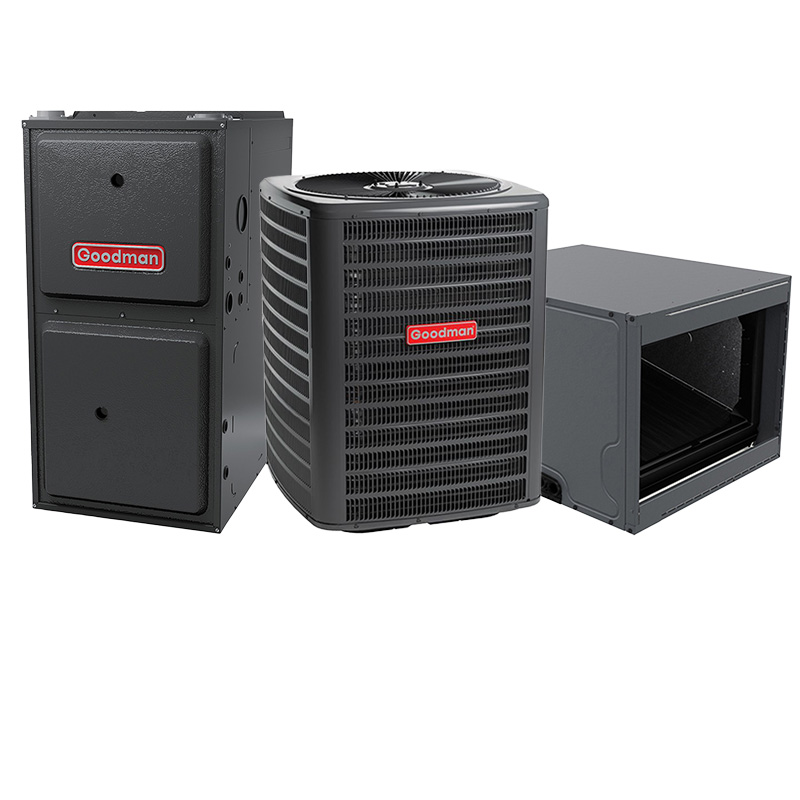
Goodman 2 Ton 14 SEER2 60000 BTU 96% AFUE Two Stage Multi-Speed ECM Gas Furnace System – Horizontal | R32
View on AC Direct see your lowest price →Check current price on AC Direct →
Key features
- 14 SEER2 two-stage cooling with R-32 refrigerant
- 96% AFUE high-efficiency two-stage gas furnace
- Multi-speed ECM blower motor for quieter, more even airflow
- Horizontal configuration for attic, crawlspace, or side-closet installs
- Two-stage compressor reduces short-cycling and improves humidity control
- Priced 15 to 25 percent below comparable Carrier, Trane, and Lennox systems
About this system
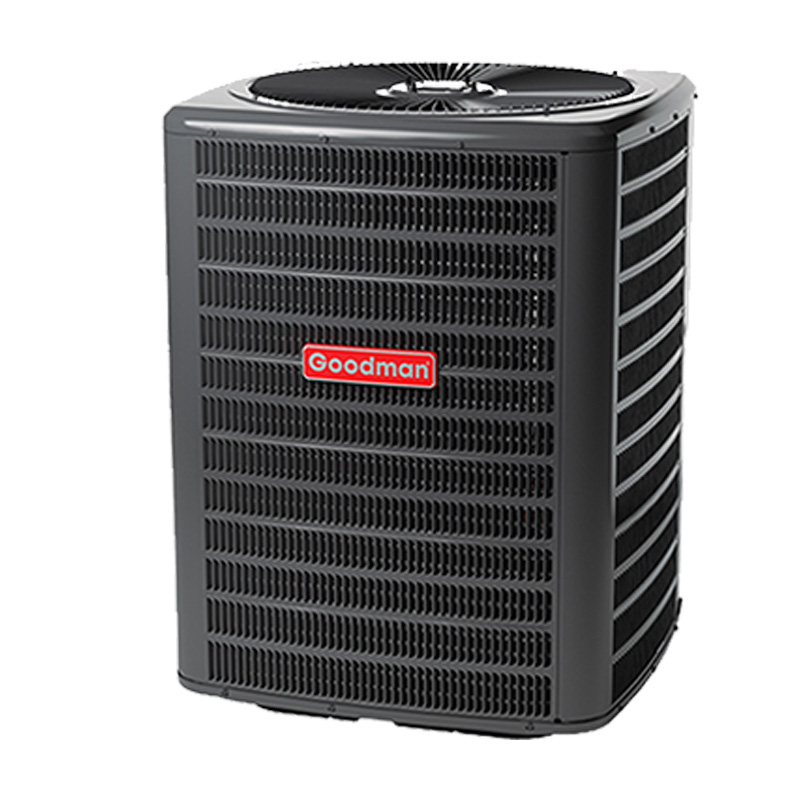
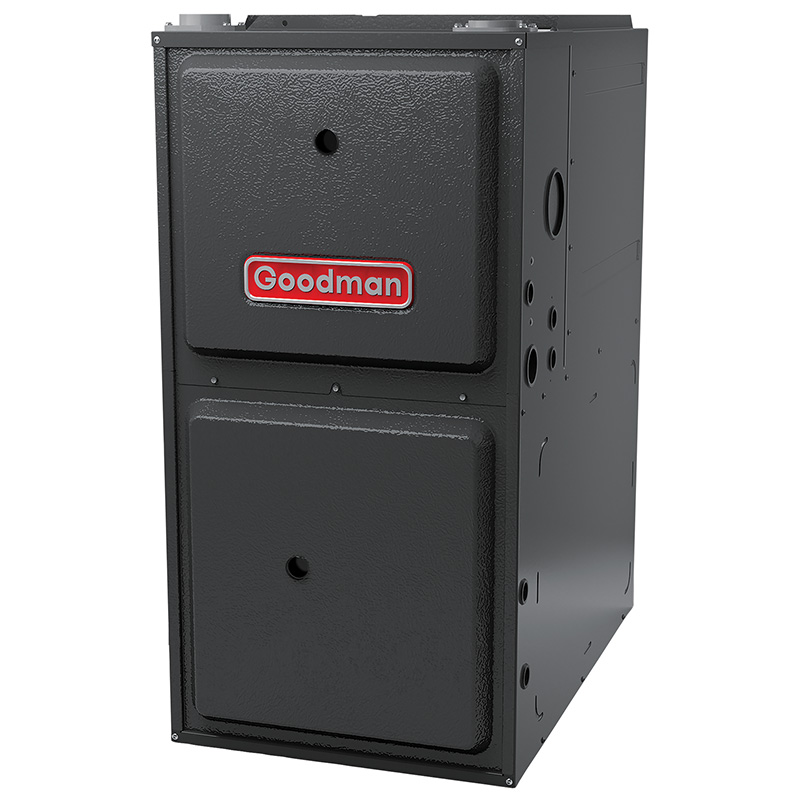
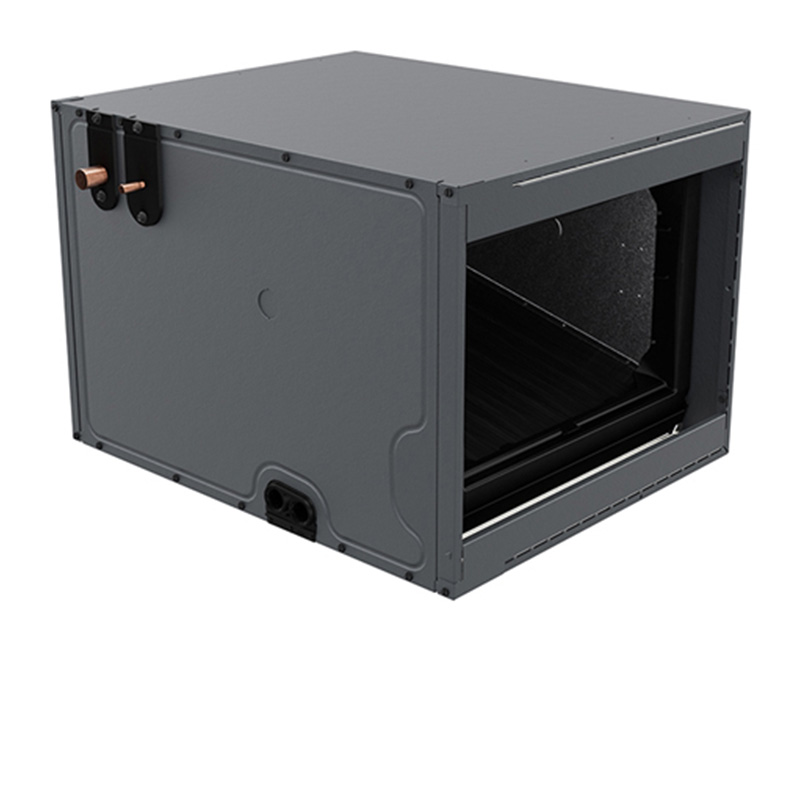
This Goodman 2-ton, 14 SEER2, 96% AFUE horizontal system pairs a two-stage air conditioner with a multi-speed ECM gas furnace in a configuration built for attic, crawlspace, or side-closet installations where vertical units simply will not fit. The 14 SEER2 rating sits at the federal minimum threshold for many Northern climate zones, so it clears the bar without reaching for premium-tier efficiency. The 96% AFUE furnace, however, is a genuine high-efficiency unit, meaning only about four cents of every dollar spent on natural gas escapes as waste heat — a meaningful upgrade over 80% AFUE equipment if you heat frequently or your gas rates are high.
The two-stage compressor and ECM blower motor are the components that separate this system from the most basic entry-level options. Two-stage cooling lets the unit run at a lower capacity on mild days, which reduces short-cycling, keeps humidity more even, and lowers sound levels compared to a single-stage compressor running full blast. The ECM motor adjusts airflow continuously and draws less electricity than a standard PSC motor, which partially offsets the modest SEER2 rating. R-32 refrigerant replaces the older R-410A in this configuration and carries a lower global-warming potential, which is worth noting if equipment longevity through future regulatory cycles matters to you.
This system suits homeowners in moderate climates who want efficient heating, reasonable cooling, and a lower upfront cost than premium brands can offer, and who are willing to prioritize a quality installation to get the most out of the equipment. It is a practical fit for a 600 to 900 square foot zone in a well-insulated home, or as a replacement unit in an existing horizontal duct layout where a like-for-like swap keeps labor costs manageable.
This system delivers a solid combination of high-efficiency heating and two-stage cooling at a price point that is hard to match from premium brands. Its real-world longevity depends heavily on install quality, and owners should budget for the likelihood of capacitor and possibly coil repairs after the first several years. For buyers who want more than a bare-bones unit but are not ready to pay Lennox or Carrier prices, it earns its place.
Overall score is the average of the five ratings above.
What we like
- 96% AFUE furnace delivers genuine fuel savings over 80% AFUE alternatives
- Two-stage compressor improves comfort and humidity control versus single-stage units
- ECM blower motor reduces electrical consumption and runs quieter than PSC motors
- R-32 refrigerant has lower environmental impact than R-410A
- Priced meaningfully below Carrier, Trane, and Lennox at comparable specs, freeing budget for a quality install
Trade-offs
- Dual-run capacitor failures are the most commonly reported repair, typically emerging after several years of use
- Evaporator coil leaks appear in a notable share of owner reports and can be costly to address
- Compressor lifespan averages 10 to 14 years, shorter than the 15 to 20 years typical of premium-brand compressors
- A minority of first-year refrigerant leak reports suggest susceptibility to charge or install errors, so contractor selection matters greatly
What homeowners and pros say about Goodman
Homeowners who have lived with Goodman equipment offer a split picture that tracks closely with the brand’s documented record. On Google dealer reviews, which aggregate to roughly 3.8 out of 5 stars across hundreds of locations, the most consistent praise centers on affordability and the quality of the installing contractor, with many satisfied owners pointing out that their system has run without issue for years when the initial setup was done correctly. On ConsumerAffairs, where the score sits around 2.5 out of 5, the recurring theme is repair costs that begin climbing noticeably after roughly year seven, with dual-run capacitor failures appearing as the most frequently cited service call. Those capacitor repairs are generally in the 300 to 600 dollar range and are not catastrophic, but they do surface more often than owners of premium-brand equipment tend to report.
HVAC technicians who work on Goodman equipment regularly point to two additional documented failure modes that buyers of this horizontal system should keep in mind. Evaporator coil leaks appear in a meaningful share of long-term owner accounts and represent a more expensive repair than a capacitor swap. Compressor longevity, while adequate, tends to land in the 10 to 14 year range on average, which is shorter than the 15 to 20 years that Carrier, Trane, and Lennox compressors more routinely reach. A smaller share of first-year owners have reported refrigerant leaks, and technicians generally attribute those to installation or initial charge issues rather than factory defects, reinforcing the consistent professional view that the installer’s skill level is the single biggest variable in how well and how long a Goodman system performs.
Sources: ConsumerAffairs Goodman owner reviews, AHRI Directory of Certified Product Performance, U.S. DOE appliance and equipment efficiency standards, Goodman product specification sheets.
What it costs to run
At 14 SEER2, cooling this 2-ton system for a typical 1200-hour cooling season at the U.S. average electricity rate of $0.17/kWh works out to roughly $350 per year in cooling, about $15 less per year than a minimum-efficiency 13.4 SEER2 unit of the same size. Your real cost depends on your climate and local rate.
Method: (24,000 BTU/hr ÷ 14 SEER2) × 1200 hours ÷ 1000 × $0.17/kWh. Rate source: U.S. EIA average; cooling hours: moderate-climate estimate.
How it compares
| Brand | Comparable model | SEER2 | Stage | Price position |
|---|---|---|---|---|
| Goodman | 2 Ton 14 SEER2 / 96% AFUE Two-Stage Horizontal R-32 | 14 | Two-stage | Value pick |
| Carrier | Performance 14 Series (24ACC4 / 59SC2) | 14 | Two-stage | 15 to 25 percent higher than this Goodman system |
| Trane | XR14 / XC14 with S9V2 Furnace | 14 | Two-stage | Typically 20 to 30 percent higher than this Goodman system |
| Lennox | Merit ML14XC1 with ML196E Furnace | 14 | Single-stage to two-stage depending on configuration | Generally 20 to 35 percent higher than this Goodman system |
Competitor rows are comparable single-stage units at similar efficiency; price is relative position, not a quote.
Questions about this system
Why does the horizontal configuration matter, and can this system be installed vertically instead?
Horizontal units are engineered specifically for installations where the air handler must lie on its side, such as in attic platforms or tight crawlspaces. Most horizontal-configured units cannot simply be stood upright because the drain pan, coil orientation, and refrigerant flow are designed for that position. Confirm your installation space before purchasing, and have your contractor verify the orientation matches your existing duct layout.
Is 14 SEER2 going to be efficient enough, or should I pay more for a higher SEER2 rating?
14 SEER2 meets current federal minimums for many Northern regions and represents a real improvement over older 13 SEER equipment, but it will cost more to operate annually than a 16 or 18 SEER2 unit. The upgrade to higher SEER2 pays back faster if you live in a hot climate with long cooling seasons. For moderate climates with shorter summers, the payback period on a more expensive high-SEER2 unit often stretches beyond ten years.
What does R-32 refrigerant mean for me as a homeowner?
R-32 is the refrigerant used in this system instead of the older R-410A. It has a lower global-warming potential and is increasingly common as the industry moves away from R-410A. From a practical standpoint, it requires technicians who are certified to handle it, but that is standard for any HVAC contractor working on newer equipment. Serviceability should not be a concern for the foreseeable future.
How concerned should I be about the capacitor and coil failures I keep reading about in Goodman reviews?
Dual-run capacitor failure is the most frequently reported issue with Goodman equipment and is worth factoring into your budget. A capacitor replacement typically runs in the 300 to 600 dollar range, is a quick repair, and is a common wear item across many brands, not just Goodman. Evaporator coil leaks are more significant in cost and show up in a meaningful portion of long-term owner reports, so confirming your warranty coverage for coil parts and keeping up with filter maintenance to protect coil surfaces is worth doing from day one.
Goodman's ConsumerAffairs score is low. Should that change my decision?
ConsumerAffairs ratings for HVAC brands tend to be complaint-skewed, meaning satisfied owners rarely leave reviews while frustrated ones do. Goodman's roughly 2.5 out of 5 score there reflects that bias and is consistent with other value brands on the same platform. The 3.8 out of 5 score seen across Google dealer reviews, where both positive and negative customers weigh in, is a more balanced signal. The honest takeaway is that Goodman equipment produces more repair calls after year seven than premium brands, and that a significant portion of early problems are linked to install quality rather than factory defects.
Specifications
| Cooling capacity | 2 Ton |
| Efficiency | 14 SEER2 |
| Furnace output | 60000 BTU |
| Furnace efficiency | 96% AFUE |
| Configuration | Horizontal |
| Refrigerant | R-32 |