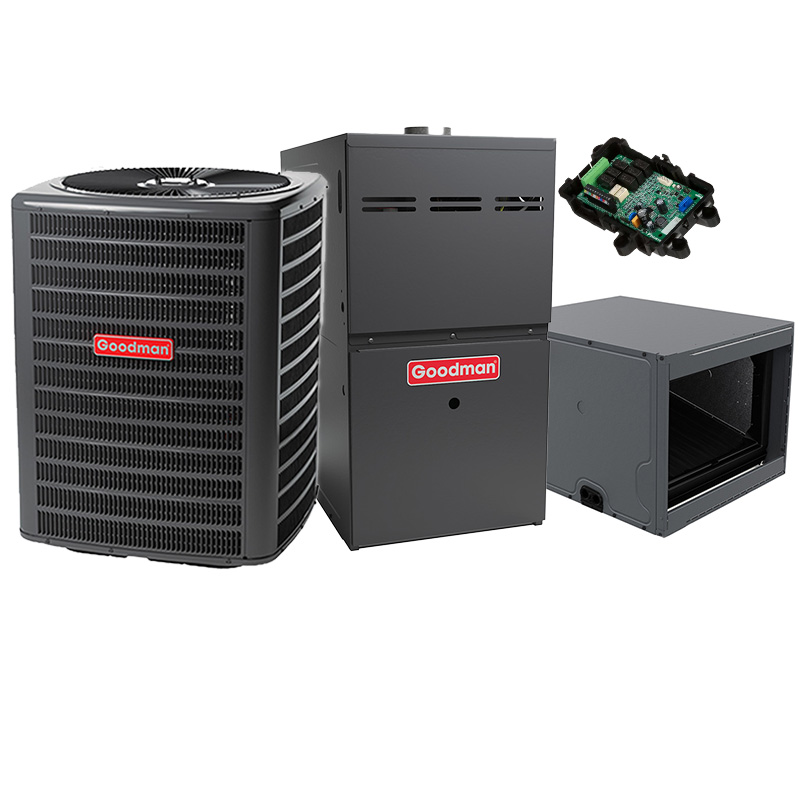
Goodman 2 Ton 14 SEER2 80000 BTU 96% AFUE Two-Stage Gas Furnace With R32 Air Condenser and Coil System – Horizontal
View on AC Direct see your lowest price →Check current price on AC Direct →
Key features
- Horizontal configuration designed for attic, crawlspace, and side-discharge closet installs
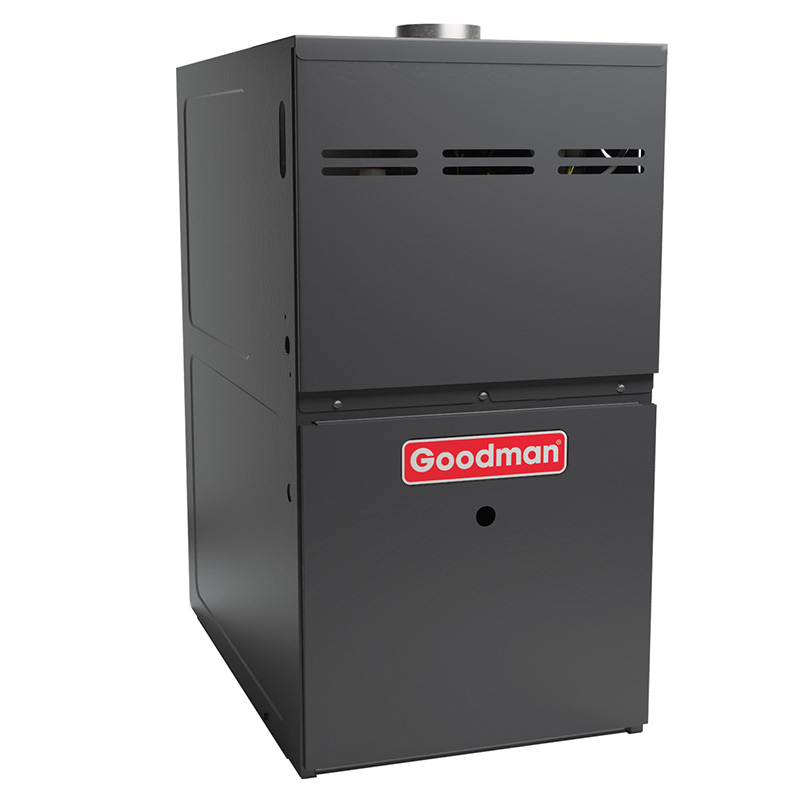
- 96% AFUE two-stage gas furnace with 80,000 BTU output for reduced temperature swing and quieter low-stage operation
- 14 SEER2 cooling efficiency meets current federal minimums and clears the bar in most U.S. climate regions
- R-32 refrigerant with lower global warming potential than R-410A, aligned with evolving EPA and industry standards
- Matched coil and condenser shipped as a system, reducing compatibility guesswork for installing contractors
- Factory-tested refrigerant circuit on the condenser side before shipment
About this system
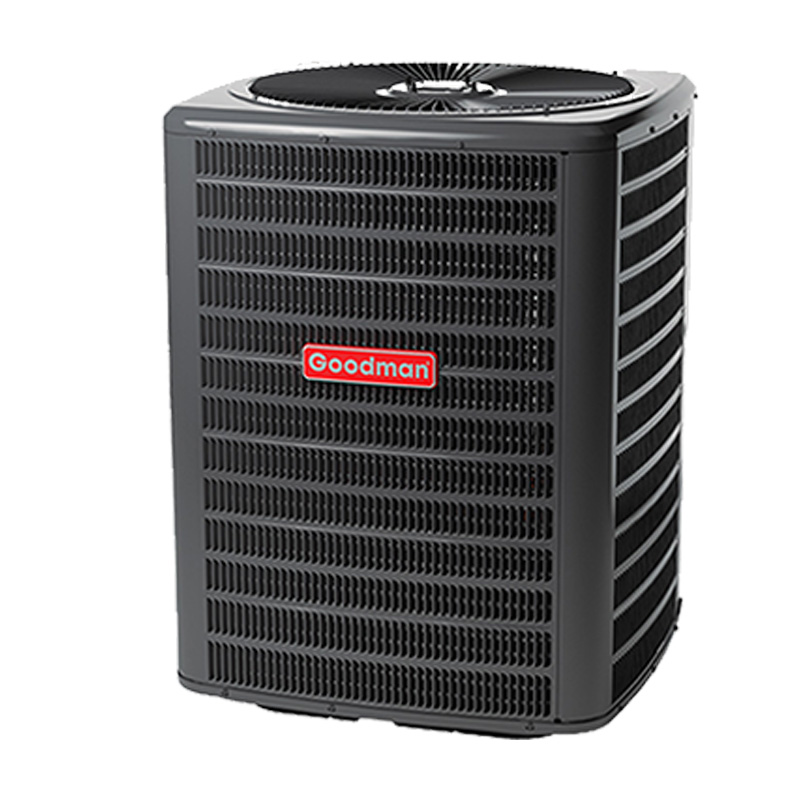
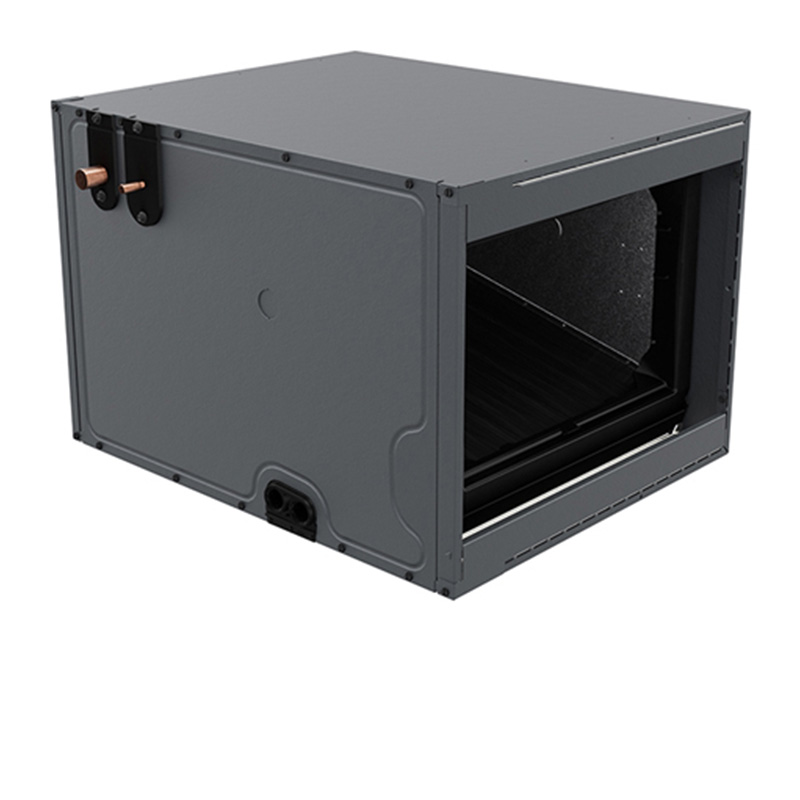
This Goodman system bundles a 2-ton, 14 SEER2 R-32 air condenser and matching evaporator coil with an 80,000 BTU, 96% AFUE two-stage gas furnace configured for horizontal installation. The horizontal orientation is the key detail here: it is aimed at attic, crawlspace, or closet installs where a vertical upflow or downflow unit simply will not fit. If your ductwork feeds from a side-by-side or horizontal air handler position, this configuration saves you from expensive field modifications and keeps the refrigerant and condensate lines running in the right direction from day one.
The two-stage furnace is a meaningful upgrade over single-stage models at this price point. It runs at a lower fire rate during mild weather, which reduces temperature swings, runs more quietly, and slightly improves fuel utilization over a full heating season. Paired with 96% AFUE, almost all of the gas you buy becomes usable heat. The 14 SEER2 rating on the cooling side clears the federal minimum for most U.S. regions and offers a modest efficiency step up from baseline, though it sits at the lower end of mid-efficiency territory. R-32 refrigerant carries a lower global warming potential than R-410A and is increasingly the industry direction, so this system is positioned for regulatory longevity.
This bundle suits a budget-conscious homeowner replacing an aging system in a roughly 900 to 1,200 square foot zone, or a contractor building out a new construction project where first cost matters more than long-term efficiency premiums. It is not the right call for someone prioritizing maximum energy savings or who wants the longest possible compressor lifespan without significant maintenance attention.
This Goodman horizontal system is a straightforward, honest value buy for homeowners who need a working, code-compliant heating and cooling system without stretching the budget toward premium brands. The two-stage furnace and 96% AFUE are genuine strengths at this price tier, but the 14 SEER2 rating is modest and Goodman's documented reliability record means you should budget for potential repair costs after year seven. Install quality will shape how this system performs more than almost any other factor.
Overall score is the average of the five ratings above.
What we like
- Priced roughly 15 to 25 percent below comparable Trane, Carrier, and Lennox systems
- Two-stage furnace operation delivers more consistent comfort and quieter part-load heating than single-stage alternatives
- 96% AFUE is among the higher efficiency tiers available in gas furnaces, minimizing heat waste
- R-32 refrigerant provides a lower environmental footprint and aligns with the industry's regulatory direction
- Horizontal configuration is purpose-built for installations where vertical units are not feasible, avoiding costly field workarounds
Trade-offs
- Compressor lifespan averages 10 to 14 years versus 15 to 20 years typical of premium-brand compressors
- Evaporator coil leaks are a documented recurring issue in owner reviews and can be a costly mid-life repair
- Dual-run capacitors are the most frequently reported failure point, typically requiring service between years 5 and 10
- A minority of owners report refrigerant leaks in the first year, which, while usually an install or charge issue, adds risk if the installing contractor is not meticulous
What homeowners and pros say about Goodman
Homeowners who post about Goodman systems tend to cluster into two camps: those who got a clean install and have run the equipment without drama for years, and those who hit a repair cost in year eight or nine and feel the savings evaporated. That pattern is consistent with what the ratings show. On ConsumerAffairs, where Goodman scores around 2.5 out of 5, the recurring complaint is not failure on day one but rather repair bills climbing after roughly year seven. Google dealer reviews tell a softer story, averaging around 3.8 out of 5, where the most common praise is that the equipment did the job at a price that did not require financing. Neither number is a ringing endorsement, but together they paint an accurate picture of what this brand actually delivers.
HVAC technicians tend to be candid about Goodman in ways that align with the owner data. The dual-run capacitor is the most frequently cited failure point they see on service calls, and while it is typically a 300 to 600 dollar repair, it is common enough that many technicians recommend proactive replacement during a tune-up rather than waiting for a no-cool call in July. Evaporator coil leaks are a more serious documented issue, and compressor longevity averaging 10 to 14 years versus 15 to 20 for premium brands is a real trade-off to weigh against the upfront savings. The consistent pro-level advice is this: the install quality matters more with Goodman than with most other brands, so choosing a thorough, experienced contractor is not optional if you want to land in the good-review camp rather than the complaint camp.
Sources: ConsumerAffairs Goodman owner reviews, AHRI Directory of Certified Product Performance, U.S. DOE appliance and equipment efficiency standards, Goodman product specification sheets.
What it costs to run
At 14 SEER2, cooling this 2-ton system for a typical 1200-hour cooling season at the U.S. average electricity rate of $0.17/kWh works out to roughly $350 per year in cooling, about $15 less per year than a minimum-efficiency 13.4 SEER2 unit of the same size. Your real cost depends on your climate and local rate.
Method: (24,000 BTU/hr ÷ 14 SEER2) × 1200 hours ÷ 1000 × $0.17/kWh. Rate source: U.S. EIA average; cooling hours: moderate-climate estimate.
How it compares
| Brand | Comparable model | SEER2 | Stage | Price position |
|---|---|---|---|---|
| Goodman | 2 Ton 14 SEER2 / 96% AFUE Two-Stage Horizontal Bundle | 14 | Two-stage furnace / single-stage condenser | Value pick |
| Carrier | Performance 14 Series (24ACC4) with 96% AFUE Performance Gas Furnace | 14 | Single-stage condenser / two-stage furnace available | Typically 15 to 25 percent higher than this Goodman bundle |
| Trane | XR14c Condenser with S9X2 Two-Stage Gas Furnace | 14-15 | Single-stage condenser / two-stage furnace | Typically 20 to 30 percent higher than this Goodman bundle |
| Lennox | Merit ML14XC1 Condenser with ML296V Two-Stage Gas Furnace | 14-15 | Single-stage condenser / two-stage furnace | Typically 20 to 30 percent higher than this Goodman bundle |
Competitor rows are comparable single-stage units at similar efficiency; price is relative position, not a quote.
Questions about this system
Is the horizontal configuration only for attics, or can this unit be installed in a basement or utility room?
Horizontal units are most common in attics and crawlspaces, but they can also be installed in utility rooms or basements where the unit lies on its side and ductwork runs to the left or right rather than up or down. The key is that the drain pan and condensate line must be correctly positioned for horizontal flow, which your installer will verify before commissioning.
What does two-stage mean for my heating bills, and is it worth the cost over single-stage?
Two-stage means the furnace fires at a lower capacity during mild weather and ramps to full output only on the coldest days. This tends to produce more even temperatures throughout the house, reduces short-cycling, and can improve seasonal fuel efficiency compared to single-stage. At a 96% AFUE baseline, the fuel savings versus a single-stage 96% AFUE unit are modest, but the comfort improvement is noticeable and generally considered worth the small price difference.
Why does this system use R-32 instead of R-410A, and does that affect maintenance costs?
R-32 has a global warming potential roughly 68 percent lower than R-410A and is increasingly adopted by manufacturers ahead of tightening EPA refrigerant regulations. From a homeowner standpoint, the practical difference is minimal today, but it does mean your technician should be certified and equipped for R-32 handling. Most modern HVAC service companies are already set up for it, so this should not meaningfully affect your service costs.
Goodman has mixed reviews online. Should I be worried about long-term reliability?
Goodman carries roughly a 2.5 out of 5 on ConsumerAffairs, a channel that skews toward complaints, and around 3.8 out of 5 across Google dealer reviews where affordability is the most common praise. The documented weak points are dual-run capacitor failures (a relatively inexpensive fix), evaporator coil leaks, and a compressor lifespan of 10 to 14 years versus 15 to 20 for premium brands. Budgeting for at least one service call in the 7 to 10 year range is a realistic expectation.
What warranty does this Goodman system come with, and what does it actually cover?
Goodman typically offers a 10-year parts warranty when the unit is registered within 60 days of installation by a licensed contractor, covering major components including the compressor, heat exchanger, and coil. The warranty does not cover labor, refrigerant, or diagnostic charges, so out-of-pocket costs for a covered repair can still be significant. Confirm registration requirements with your installer at the time of commissioning.
Specifications
| Cooling capacity | 2 Ton |
| Efficiency | 14 SEER2 |
| Furnace output | 80000 BTU |
| Furnace efficiency | 96% AFUE |
| Configuration | Horizontal |
| Refrigerant | R-32 |