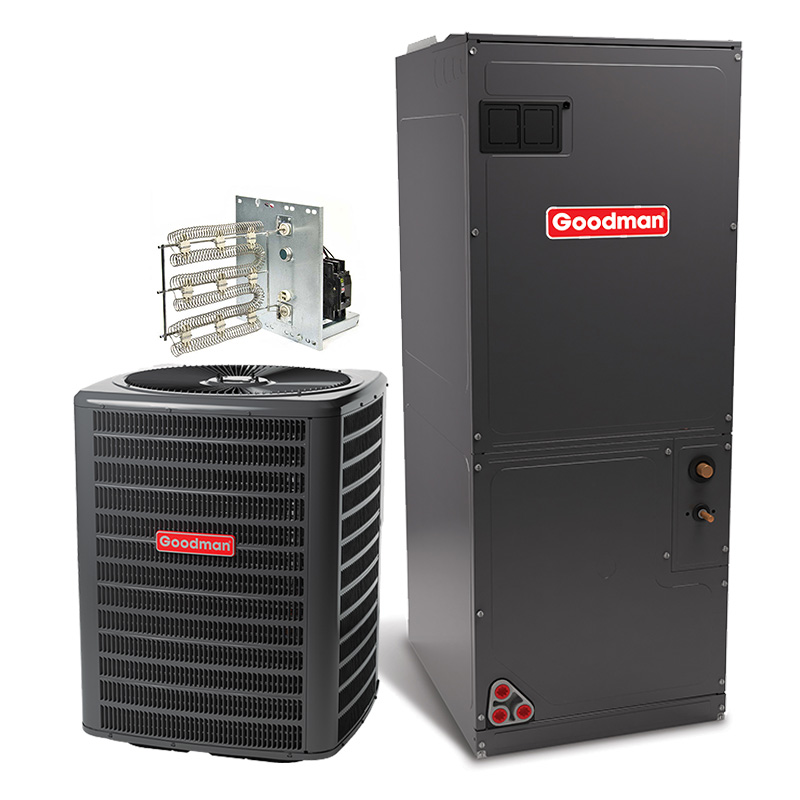
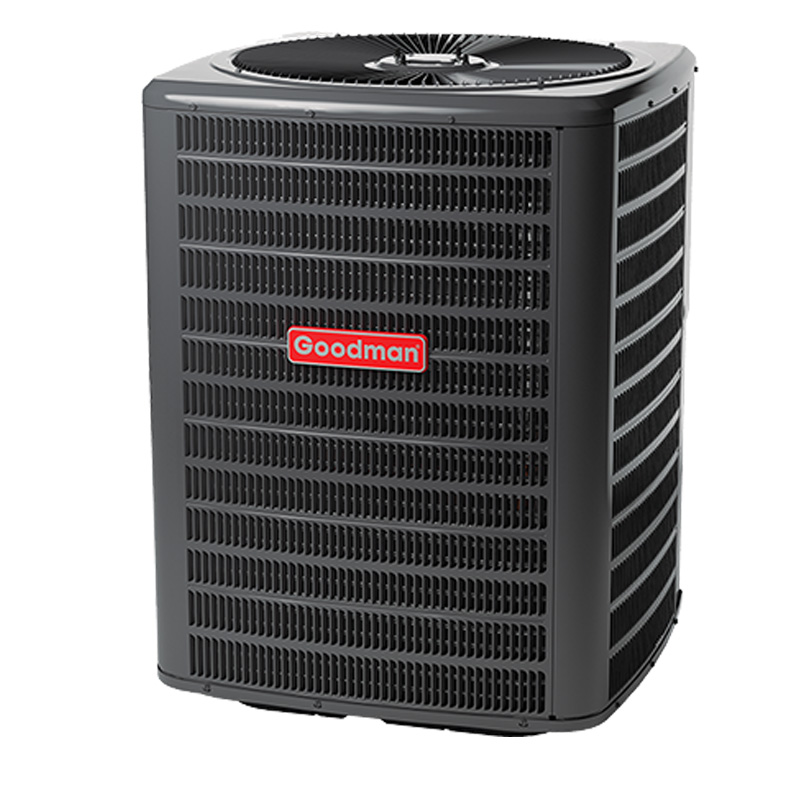
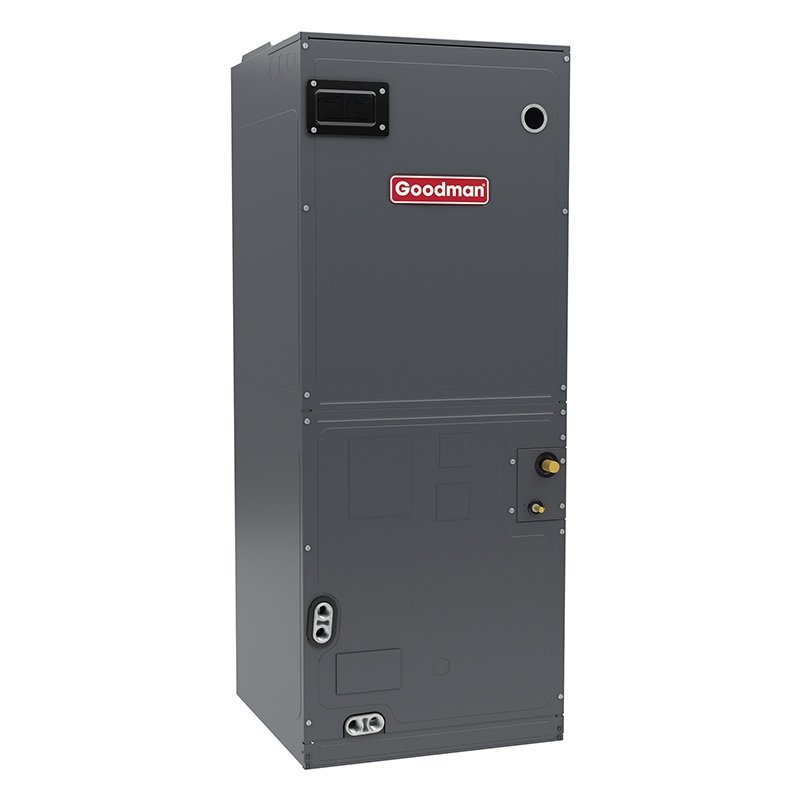
Goodman 2 Ton 14 SEER2 R32 Air Conditioner System With Electric Heat
View on AC Direct see your lowest price →Check current price on AC Direct →
Key features
- 14 SEER2 efficiency rating meets current federal minimum standards
- 2-ton capacity suited for approximately 900 to 1,200 square feet
- R-32 refrigerant with lower global warming potential than R-410A
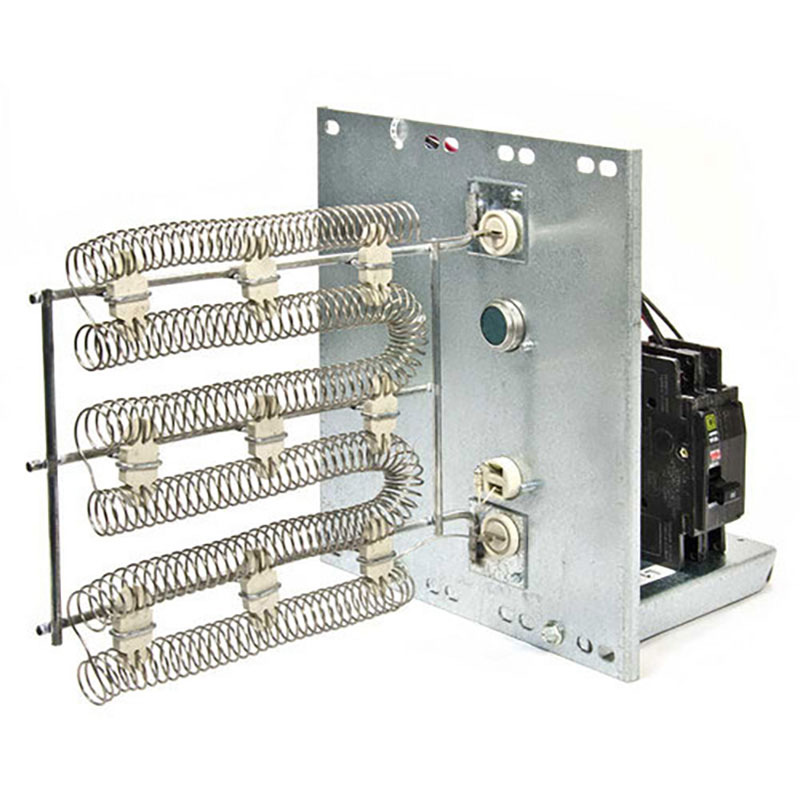
- Integrated electric heat eliminates the need for a gas line
- Single-stage operation with straightforward installation and servicing
- Goodman's limited parts and compressor warranty included at no extra cost
About this system
The Goodman 2-ton 14 SEER2 air conditioner with electric heat is a straightforward, single-stage cooling and electric heating package aimed at homeowners who want reliable temperature control without the premium price tag of upper-tier brands. At 2 tons, it is sized for spaces roughly 900 to 1,200 square feet depending on insulation, climate zone, and ceiling height, making it a common choice for smaller homes, casitas, or additions where a full-size system would be overkill. The electric heat component means no gas line is required, which simplifies installation in all-electric homes or in climates where heating demand is modest.
The 14 SEER2 rating meets the current federal minimum efficiency standard for most U.S. regions, which means it is not an efficiency standout but it is fully compliant and adequate for moderate cooling climates. R-32 refrigerant is a step forward environmentally compared to R-410A: it has a lower global warming potential and requires a smaller refrigerant charge to do the same work, which can slightly reduce leak impact and may lower recharge costs over the system’s life. For buyers who prioritize upfront cost over long-term energy savings, and whose home is already reasonably well insulated, this unit covers the basics without unnecessary complexity.
This Goodman package delivers on its core promise of affordable, code-compliant cooling and electric heat for smaller spaces, and the switch to R-32 is a genuine plus. Trade-offs are real: single-stage efficiency is the bare minimum, and Goodman's documented repair history means budgeting for a capacitor replacement or coil inspection somewhere around year seven is prudent. Buyers who want low upfront cost and are comfortable with that maintenance reality will find reasonable value here.
Overall score is the average of the five ratings above.
What we like
- Priced 15 to 25 percent below comparable Carrier, Trane, and Lennox equipment
- R-32 refrigerant has lower environmental impact and a smaller required charge than R-410A
- No gas line needed, simplifying installation in all-electric homes
- Single-stage design means straightforward diagnosis and lower service call complexity
- Goodman's parts availability is wide, keeping repair costs competitive
Trade-offs
- 14 SEER2 is the regulatory floor, so energy savings versus higher-efficiency units are limited
- Dual-run capacitor failures are the most commonly reported issue, typically appearing in the first decade
- Evaporator coil leaks appear in a meaningful share of owner reviews and can be a costly repair
- Compressor longevity averages 10 to 14 years, notably shorter than the 15 to 20 years seen with premium brands
What homeowners and pros say about Goodman
Homeowners who have lived with a Goodman unit offer a split picture that lines up closely with the brand’s ConsumerAffairs score of roughly 2.5 out of 5 and its Google dealer review average of around 3.8 out of 5. The gap between those two numbers is telling: buyers who found a competent installer and got a clean startup tend to report years of uneventful service, while those who ran into problems describe frustration with repair costs that accumulate after roughly year seven. The most commonly cited hardware issues are dual-run capacitor failures, a repair that is generally quick and affordable, and evaporator coil leaks, which are more disruptive and expensive. The affordability praise that dominates dealer reviews is real, and most owners acknowledge they paid less upfront than they would have for a Trane or Carrier.
HVAC technicians hold a more nuanced view of Goodman specifically in the context of this 2-ton 14 SEER2 package. The switch to R-32 refrigerant draws general approval for its lower charge requirements and reduced environmental footprint, and single-stage units are straightforward to service. The recurring professional caution, however, is that Goodman’s compressors tend to average 10 to 14 years in real-world service, compared to 15 to 20 years seen with premium brands, and that first-year refrigerant leaks in owner reviews are often traceable to install or charge errors rather than factory defects. The consistent professional advice is to prioritize a quality installation over a rock-bottom equipment cost, because with this brand more than most, those two factors together determine the outcome.
Sources: ConsumerAffairs Goodman owner reviews, AHRI Directory of Certified Product Performance, U.S. DOE appliance and equipment efficiency standards, Goodman product specification sheets.
What it costs to run
At 14 SEER2, cooling this 2-ton system for a typical 1200-hour cooling season at the U.S. average electricity rate of $0.17/kWh works out to roughly $350 per year in cooling, about $15 less per year than a minimum-efficiency 13.4 SEER2 unit of the same size. Your real cost depends on your climate and local rate.
Method: (24,000 BTU/hr ÷ 14 SEER2) × 1200 hours ÷ 1000 × $0.17/kWh. Rate source: U.S. EIA average; cooling hours: moderate-climate estimate.
How it compares
| Brand | Comparable model | SEER2 | Stage | Price position |
|---|---|---|---|---|
| Goodman | 2-Ton 14 SEER2 R-32 with Electric Heat | 14 | Single-stage | Value pick |
| Carrier | Comfort Series (24ACC4) | 14-15 | Single-stage | Typically 15 to 25 percent more than Goodman |
| Trane | XR14c | 14 | Single-stage | Typically 15 to 25 percent more than Goodman |
| Lennox | Merit Series (14ACX) | 14-15 | Single-stage | Typically 15 to 25 percent more than Goodman |
Competitor rows are comparable single-stage units at similar efficiency; price is relative position, not a quote.
Questions about this system
Is 14 SEER2 going to noticeably raise my electric bill compared to a higher-efficiency unit?
A 14 SEER2 system will cost more to run annually than a 16 or 18 SEER2 unit, but the gap depends heavily on local utility rates and how many cooling hours your climate demands. In mild climates with shorter summers the payback period for a higher-efficiency unit is long, making 14 SEER2 a reasonable economic choice; in hot, humid climates with long cooling seasons the savings from a higher-rated unit accumulate faster.
What is R-32 and is it safe to have in my home?
R-32 is a hydrofluorocarbon refrigerant with a global warming potential roughly one-third that of R-410A, and it requires a smaller charge to operate the same capacity system. It is mildly flammable at high concentrations but is considered safe for residential use under standard installation and ventilation conditions; it is now widely used in residential equipment worldwide.
How often do Goodman capacitors actually fail, and what does it cost to fix?
Dual-run capacitor failure is the most frequently reported repair on Goodman units and tends to show up somewhere between years five and ten of service. The part itself is inexpensive and replacement is typically a straightforward service call, with total costs generally running in the 300 to 600 dollar range including labor.
Does the electric heat in this package replace a furnace, or is it a supplement?
The electric heat strip in this system functions as the primary heat source, not a supplement to a separate furnace. It is practical in climates where heating loads are modest or where gas is unavailable, but electric resistance heat is less efficient than a heat pump or gas furnace in colder climates, which can make winter operating costs higher.
How important is installation quality for a Goodman unit specifically?
HVAC technicians consistently cite installation quality as the single biggest factor in how long a Goodman unit lasts, and some first-year refrigerant leak reports are attributed to improper charging at install rather than equipment defects. Choosing a licensed, experienced installer and verifying the refrigerant charge and airflow are set correctly is especially important with this brand.
Specifications
| Cooling capacity | 2 Ton |
| Efficiency | 14 SEER2 |
| Refrigerant | R-32 |