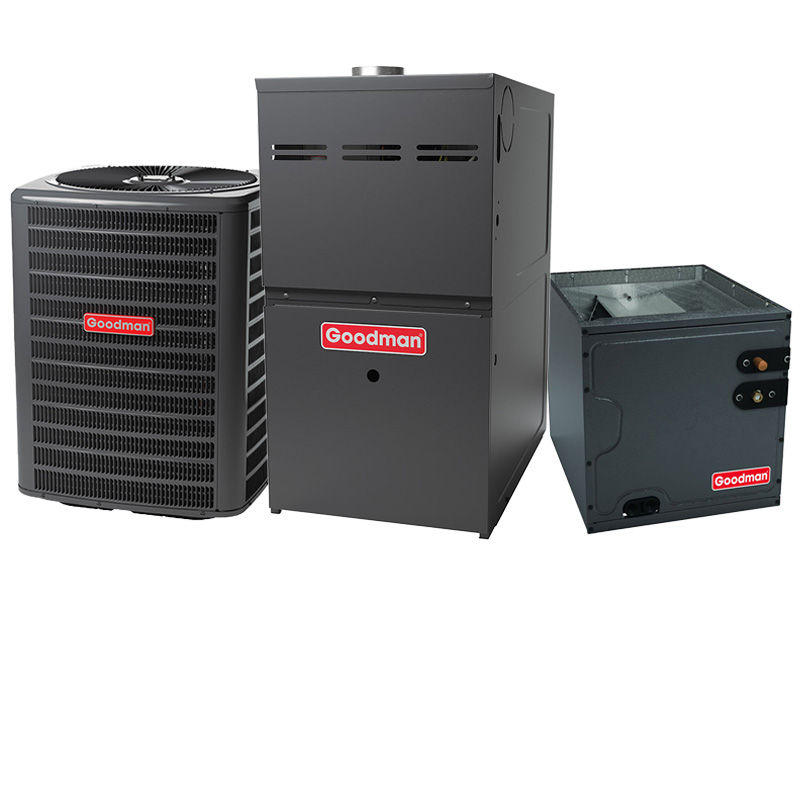
Goodman 2 Ton 15.2 SEER2 60000 BTU 80% AFUE Multi-Speed ECM Gas Furnace System – Upflow | R32
View on AC Direct see your lowest price →Check current price on AC Direct →
Key features
- 15.2 SEER2 cooling efficiency, meeting 2023 federal minimum standards for most U.S. regions
- 60,000 BTU, 80% AFUE multi-speed gas furnace in upflow configuration
- Multi-speed ECM blower motor reduces electricity use and temperature swings vs. single-speed PSC motors
- R-32 refrigerant with lower global warming potential than outgoing R-410A
- 2-ton cooling capacity suited to approximately 900 to 1,200 square feet depending on load
- Goodman 10-year parts limited warranty when registered within 60 days of installation
About this system
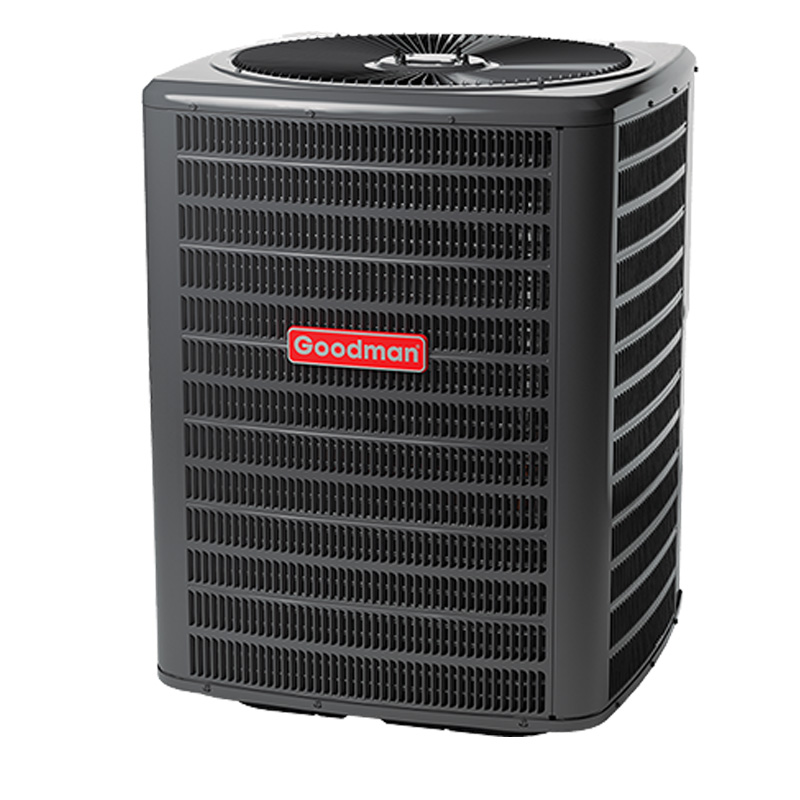
The Goodman 2-ton, 15.2 SEER2 upflow split system pairs a 60,000 BTU, 80% AFUE gas furnace with a matching 2-ton condenser charged with R-32 refrigerant. The 2-ton cooling capacity suits conditioned spaces roughly in the 900-to-1,200 square-foot range, though actual sizing depends on your climate zone, insulation, and window exposure. The 15.2 SEER2 rating lands just above the federal minimum thresholds that took effect in 2023, meaning this system meets current efficiency standards without crossing into the premium tier. Homeowners in moderate climates who prioritize upfront cost over long-run energy savings will find the efficiency-to-price trade-off reasonable.
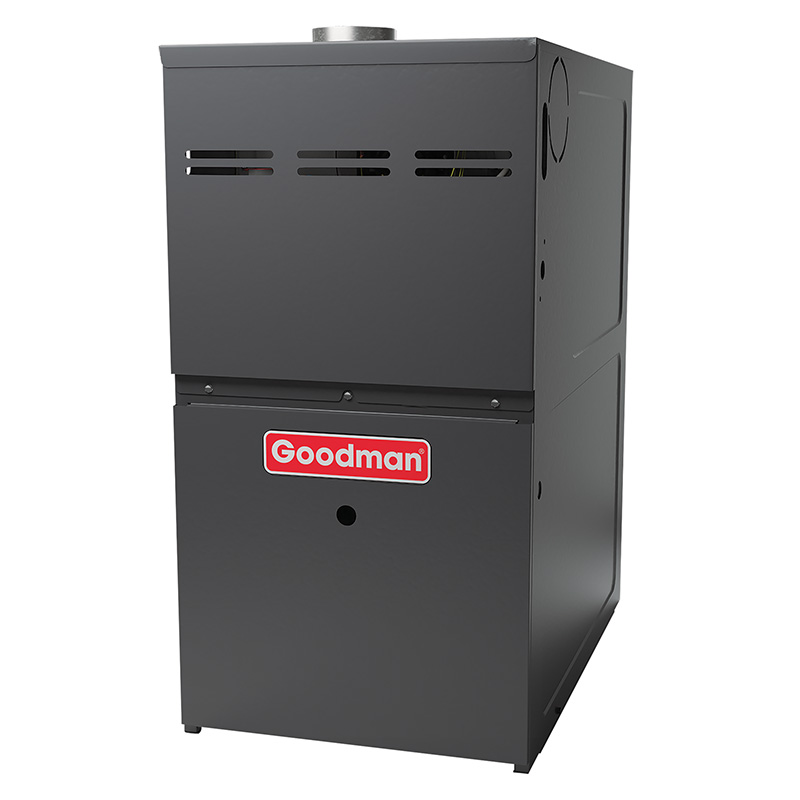
The furnace side runs at 80% AFUE, which means 20 cents of every gas dollar exits as exhaust. That is an honest mid-range figure, not a high-efficiency rating, and it matters most in colder climates where the furnace runs hard for five or more months. The multi-speed ECM blower motor is a genuine advantage over single-speed alternatives: it ramps airflow to match demand, which reduces temperature swings, lowers blower electricity consumption, and moves air more quietly at partial load. The upflow configuration directs warm air upward through floor-level supply, making it the right fit for homes where the furnace sits in a basement or a main-floor utility closet with ductwork running through the ceiling above.
R-32 refrigerant is worth noting for buyers thinking about the long term. It has a lower global warming potential than R-410A and is easier to reclaim and recycle. Most residential HVAC technicians have or are obtaining R-32 certification, so service access should not be a concern in most metro areas, but it is worth confirming with your contractor before purchase.
This system is a straightforward, code-compliant package that delivers honest mid-tier efficiency at a price point noticeably below Carrier, Trane, and Lennox equivalents. The ECM blower is a genuine comfort upgrade, and R-32 future-proofs the refrigerant side, but the 80% AFUE furnace and entry-level SEER2 rating mean running costs will not impress in extreme climates. Long-term satisfaction depends heavily on installation quality and whether minor component failures, particularly capacitors and coil integrity, are caught early.
Overall score is the average of the five ratings above.
What we like
- Purchase price runs roughly 15 to 25 percent below comparable Carrier, Trane, and Lennox systems
- Multi-speed ECM blower provides quieter operation and better humidity control than single-speed units
- R-32 refrigerant is lower-GWP and aligns with the industry's post-R-410A direction
- 10-year parts limited warranty when registered on time is competitive for this price tier
- Wide installer network means competitive labor quotes and accessible service in most markets
Trade-offs
- 80% AFUE leaves real money on the table in cold climates where a 96% furnace would pay back quickly
- 15.2 SEER2 is just above the federal floor, so energy savings versus a premium 17+ SEER2 system will be noticeable over a decade
- Compressor lifespan averages 10 to 14 years based on documented brand experience, shorter than the 15 to 20 years typical of premium brands
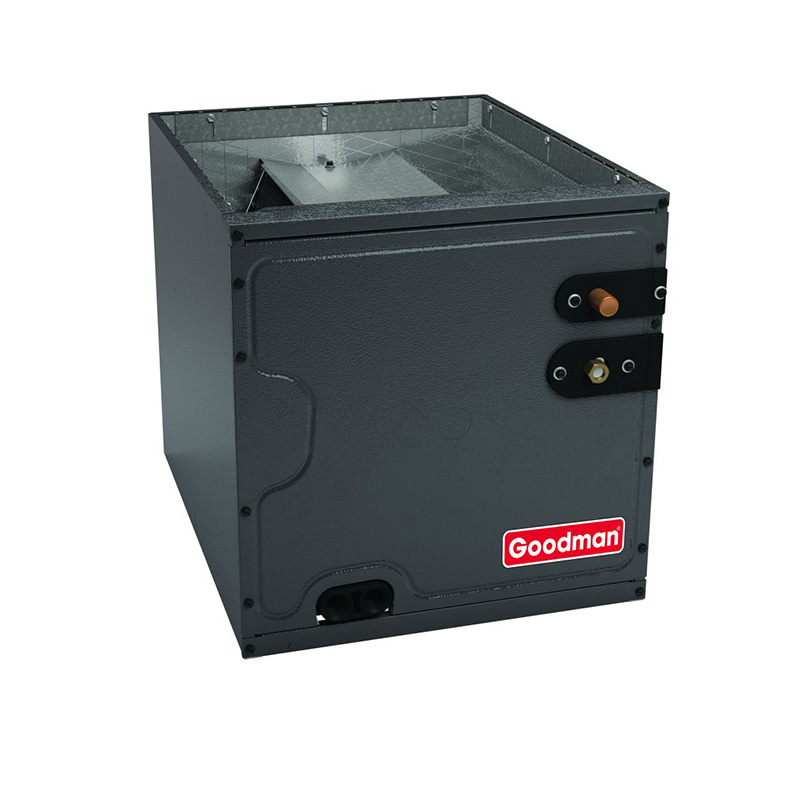
- Dual-run capacitor failures and evaporator coil leaks are the most commonly reported repair issues, and outcomes vary with installation quality
What homeowners and pros say about Goodman
Homeowners who report satisfaction with Goodman equipment consistently point to one thing: the price. Google dealer reviews across Goodman installers average around 3.8 out of 5, and the most common thread in positive feedback is that buyers got a functional, code-compliant system installed for significantly less than competing quotes from Carrier or Trane dealers. For buyers who weighed first cost heavily and had a skilled installer, the equipment has generally performed without drama in the early years. The picture on ConsumerAffairs is harsher, around 2.5 out of 5, though that platform skews toward people motivated to write by a bad experience. The recurring complaint in that channel is repair costs rising after roughly year seven, which tracks with the documented compressor lifespan of 10 to 14 years and the brand’s known susceptibility to dual-run capacitor failures.
HVAC technicians who work on Goodman equipment regularly tend to hold a pragmatic view. The capacitor failures are considered a nuisance rather than a catastrophe since parts are inexpensive and the repair is straightforward. The more cautionary notes involve evaporator coil integrity and the small but real share of units that show refrigerant issues in the first year, which most pros attribute to installation or charge errors rather than a factory defect. That distinction matters: technicians and experienced buyers alike emphasize that Goodman’s performance ceiling is set largely by who installs it and how carefully the startup is done. A careful install by an experienced technician closes much of the gap between this brand and a premium alternative; a rushed or careless one can make those ConsumerAffairs scores feel very relevant, very quickly.
Sources: ConsumerAffairs Goodman owner reviews, AHRI Directory of Certified Product Performance, U.S. DOE appliance and equipment efficiency standards, Goodman product specification sheets.
What it costs to run
At 15.2 SEER2, cooling this 2-ton system for a typical 1200-hour cooling season at the U.S. average electricity rate of $0.17/kWh works out to roughly $322 per year in cooling, about $43 less per year than a minimum-efficiency 13.4 SEER2 unit of the same size. Your real cost depends on your climate and local rate.
Method: (24,000 BTU/hr ÷ 15.2 SEER2) × 1200 hours ÷ 1000 × $0.17/kWh. Rate source: U.S. EIA average; cooling hours: moderate-climate estimate.
How it compares
| Brand | Comparable model | SEER2 | Stage | Price position |
|---|---|---|---|---|
| Goodman | GSXH5/GMVC8 Series (this system) | 15.2 | Single-stage | Value pick |
| Carrier | Comfort 14 Series (24ACC4) | 15.2 | Single-stage | Typically 15 to 25 percent more than this Goodman package |
| Trane | XR15 Series | 15.0-16.0 | Single-stage | Typically 15 to 25 percent more than this Goodman package |
| Lennox | Merit 14ACX Series | 15.2 | Single-stage | Typically 15 to 25 percent more than this Goodman package |
Competitor rows are comparable single-stage units at similar efficiency; price is relative position, not a quote.
Questions about this system
Is 2 tons the right size for my home, and what happens if it is slightly oversized?
Two tons is generally appropriate for conditioned spaces between 900 and 1,200 square feet in a typical climate, but the only reliable answer comes from a Manual J load calculation performed for your specific home. An oversized unit short-cycles, meaning it satisfies the thermostat before completing a full dehumidification cycle, which leaves the space feeling clammy even when the temperature is met.
Does my contractor need special certification to work with R-32 refrigerant?
Yes. R-32 is an A2L refrigerant, which is mildly flammable, and EPA Section 608 certification covers handling it. Most licensed HVAC technicians in metro areas already hold or are obtaining the additional A2L training required. Confirm this with your installer before signing a contract, especially in rural areas where the certification is less common.
What does the 80% AFUE rating mean for my gas bill compared to a high-efficiency furnace?
It means 80 cents of every dollar of gas becomes usable heat; 20 cents exits through the flue. A 96% AFUE furnace wastes only 4 cents per dollar. In a climate where you spend 1,200 dollars per year on heating, that difference is roughly 192 dollars annually, so in a colder region the payback on a high-efficiency unit can be relatively short.
What are the most common repairs I should budget for, and how much do they typically cost?
Dual-run capacitor failures are the most frequently reported issue on Goodman equipment and typically run 300 to 600 dollars including labor, making them one of the less painful repairs. Evaporator coil leaks are more expensive and show up in a meaningful share of owner reviews; refrigerant leaks in the first year are often tied to installation or initial charge issues rather than the equipment itself.
How do I make sure the 10-year parts warranty stays valid?
Goodman requires product registration within 60 days of installation to receive the 10-year parts limited warranty; without registration it defaults to a shorter period. Installation must also be performed by a licensed HVAC contractor. Keep the installation invoice and registration confirmation on file, as you will need them to support any warranty claim.
Specifications
| Cooling capacity | 2 Ton |
| Efficiency | 15.2 SEER2 |
| Furnace output | 60000 BTU |
| Furnace efficiency | 80% AFUE |
| Configuration | Upflow |
| Refrigerant | R-32 |