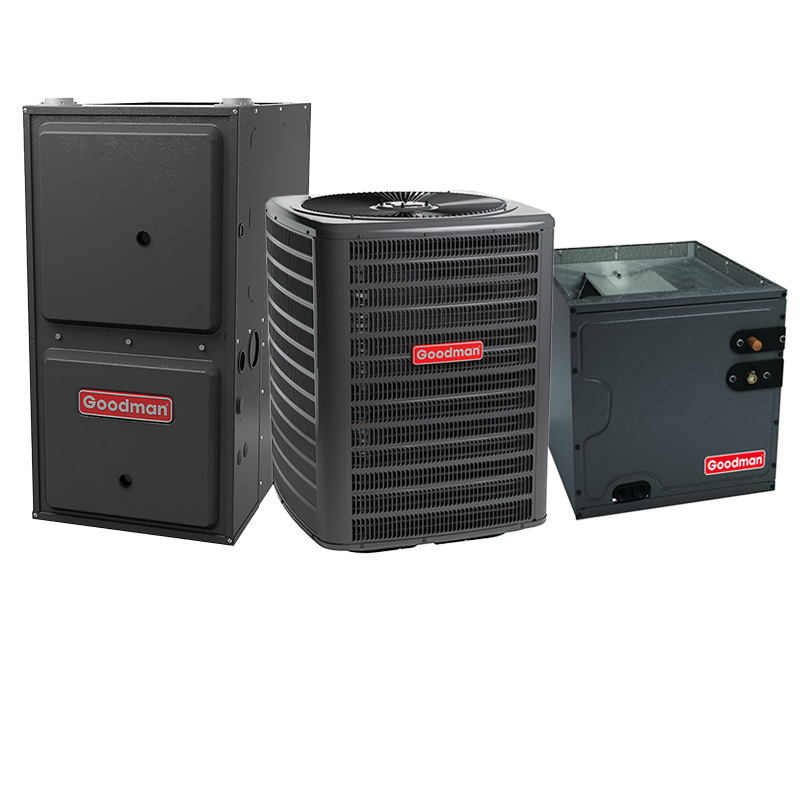
Goodman 2 Ton 15.2 SEER2 R32 AC System with 60,000 BTU 96% AFUE Gas Furnace – California & Colorado Ultra Low NOx, Upflow, Multi-Speed ECM
View on AC Direct see your lowest price →Check current price on AC Direct →
Key features
- 15.2 SEER2 single-stage cooling efficiency, meeting 2023 federal minimums with modest headroom
- 96% AFUE upflow gas furnace, high-efficiency tier with utility rebate eligibility in many regions
- Multi-speed ECM blower motor for improved humidity control and lower blower operating costs
- R-32 refrigerant, lower global warming potential than R-410A and aligned with the industry phase-out timeline
- California and Colorado Ultra Low NOx certified, no additional hardware required in regulated markets
- 2-ton / 60,000 BTU sizing suited to smaller conditioned spaces, roughly 800 to 1,200 square feet in moderate climates
About this system
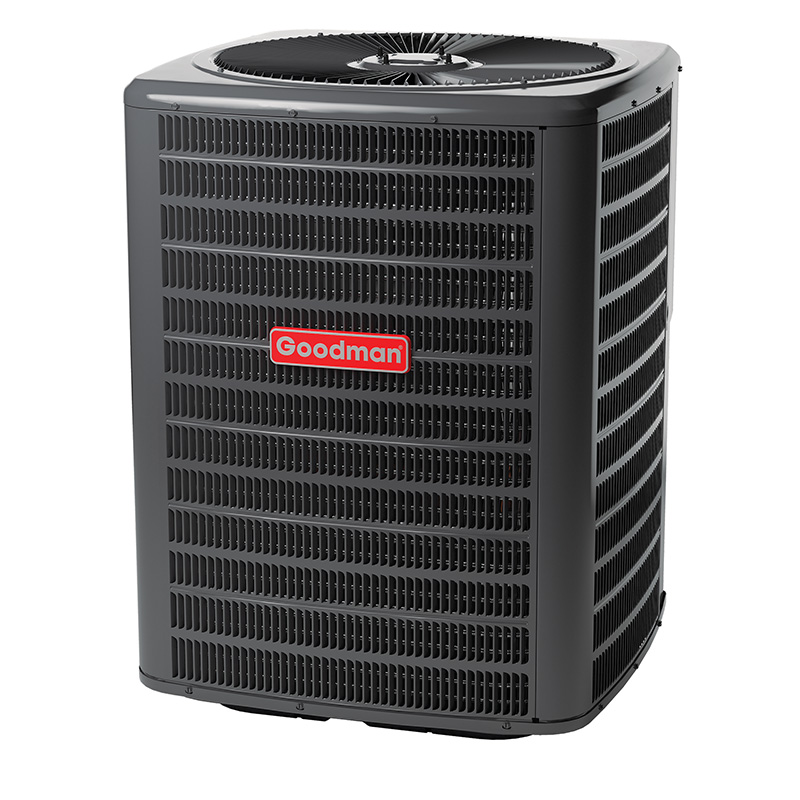
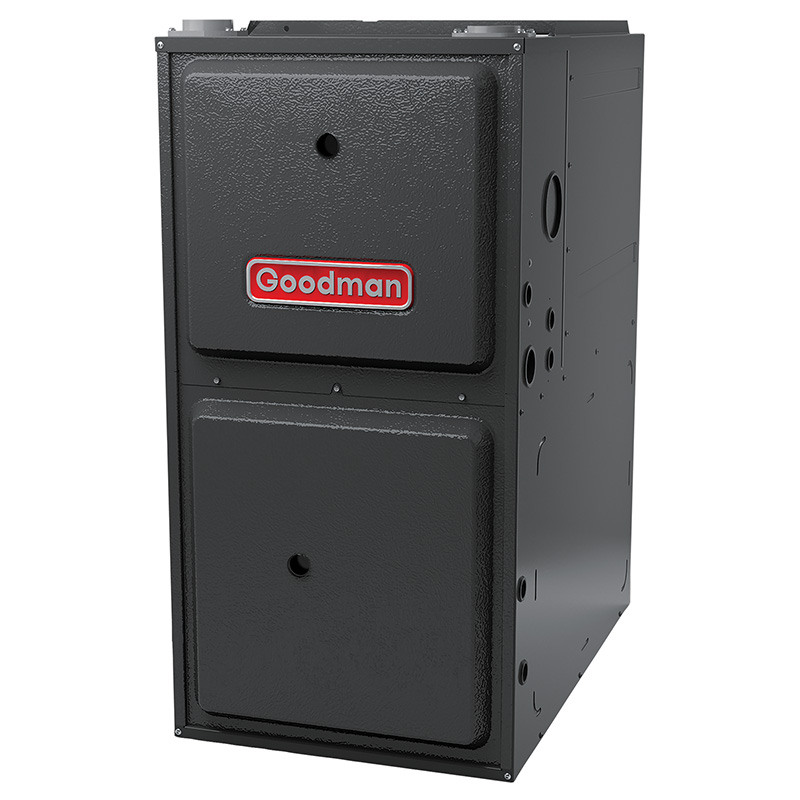
The Goodman 2-ton 15.2 SEER2 system pairs a single-stage R-32 air conditioner with a 60,000 BTU, 96% AFUE upflow gas furnace, making it a practical whole-system replacement for smaller homes, condos, or well-insulated spaces up to roughly 1,000 to 1,200 square feet depending on your climate zone. The 96% AFUE rating means the furnace converts 96 cents of every dollar of gas into usable heat, landing it firmly in the high-efficiency tier and qualifying it for many utility rebates. The multi-speed ECM blower motor adjusts airflow more precisely than a standard PSC motor, which improves dehumidification, reduces hot and cold spots, and cuts blower electricity use compared with single-speed alternatives.
This configuration carries California and Colorado Ultra Low NOx certification, so it meets the strict nitrogen oxide emission limits required in those states without any add-on hardware. R-32 refrigerant has a lower global warming potential than R-410A and is increasingly the industry standard as R-410A is phased out, which should make future service refrigerant easier to source. The upflow cabinet orientation suits the majority of forced-air installs where the furnace sits in a basement, closet, or utility room with ductwork running upward into the living space. Buyers who need counterflow or horizontal mounting will need a different configuration.
This Goodman bundle delivers a legitimate high-efficiency heating and cooling system at a price point that undercuts major competitors by 15 to 25 percent, which is its clearest strength. The trade-off is a documented history of mid-lifecycle component failures and compressor longevity that typically falls short of premium brands. If install quality is high and the warranty is registered promptly, it is a reasonable choice for budget-conscious buyers who accept that maintenance costs may rise after year seven.
Overall score is the average of the five ratings above.
What we like
- Price typically 15 to 25 percent below comparable Trane, Lennox, and Carrier systems
- 96% AFUE furnace qualifies for utility rebates in many states and meaningfully cuts annual gas bills
- ECM multi-speed blower reduces electricity consumption and improves comfort compared with single-speed motors
- R-32 refrigerant is lower-impact and future-friendly as R-410A is phased out of new equipment
- Ultra Low NOx compliance is built in, avoiding permit issues in California and Colorado without extra cost
Trade-offs
- Dual-run capacitors are the most frequently reported failure, typically adding a 300 to 600 dollar repair call within the first decade
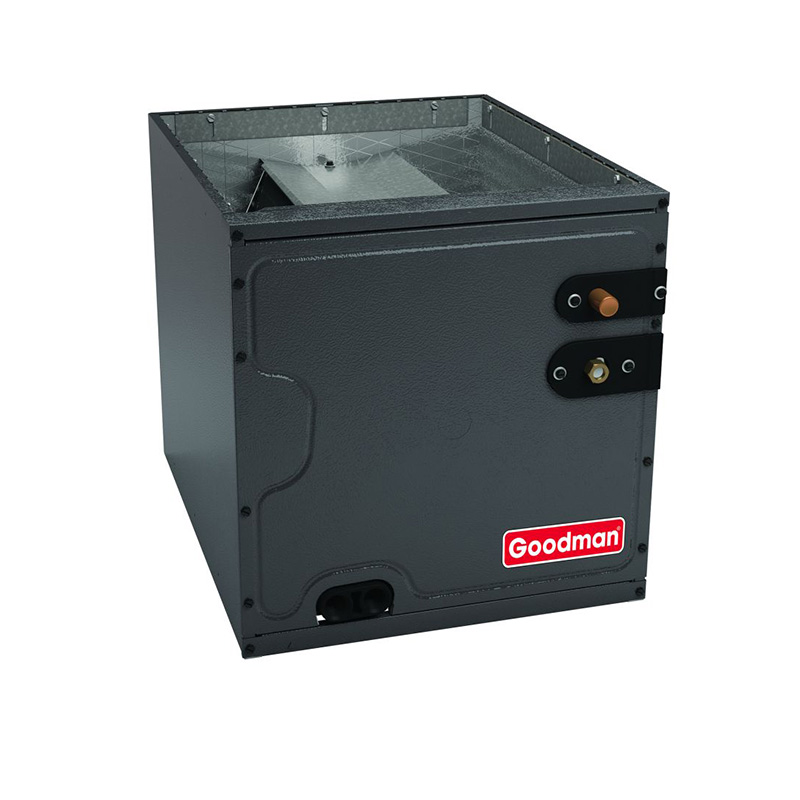
- Evaporator coil leaks appear in a meaningful share of owner reviews, a more disruptive and expensive repair than a capacitor swap
- Compressor lifespan averages 10 to 14 years versus 15 to 20 years for premium-brand compressors, so total lifecycle cost can narrow the upfront savings
- Single-stage cooling means the compressor runs at full capacity or not at all, which is less efficient at partial-load conditions than two-stage or variable-speed alternatives
What homeowners and pros say about Goodman
Homeowners who post about their Goodman systems tend to split into two camps. Those who had a careful installation by an experienced technician often report years of unremarkable, reliable service and point to the upfront cost savings as the main reason they would buy Goodman again. On ConsumerAffairs, however, where the platform draws disproportionately from people with problems to report, the brand scores around 2.5 out of 5, and the recurring theme in those complaints is that repair bills start stacking up after roughly year seven, with capacitor failures, evaporator coil leaks, and compressor issues appearing most often. Google dealer reviews, which capture a broader and less complaint-skewed sample, land closer to 3.8 out of 5, where affordability is the most frequently mentioned positive.
HVAC technicians who work on Goodman equipment regularly tend to describe it as serviceable rather than exceptional, and nearly all of them say that install quality matters more than brand when it comes to how long any system lasts. The specific failure modes they flag most often with this brand are dual-run capacitor burnouts (a low-cost fix but an annoyance), evaporator coil refrigerant leaks (a more involved repair), and compressors that tend to reach end of life somewhere in the 10 to 14 year range rather than the 15 to 20 years more commonly seen with premium-brand compressors. For a 2-ton R-32 system like this one, pros often note that a clean refrigerant charge at startup is especially important, since a small share of owners have reported refrigerant leaks within the first year that traced back to installation rather than a factory defect.
Sources: ConsumerAffairs Goodman owner reviews, AHRI Directory of Certified Product Performance, U.S. DOE appliance and equipment efficiency standards, Goodman product specification sheets.
What it costs to run
At 15.2 SEER2, cooling this 2-ton system for a typical 1200-hour cooling season at the U.S. average electricity rate of $0.17/kWh works out to roughly $322 per year in cooling, about $43 less per year than a minimum-efficiency 13.4 SEER2 unit of the same size. Your real cost depends on your climate and local rate.
Method: (24,000 BTU/hr ÷ 15.2 SEER2) × 1200 hours ÷ 1000 × $0.17/kWh. Rate source: U.S. EIA average; cooling hours: moderate-climate estimate.
How it compares
| Brand | Comparable model | SEER2 | Stage | Price position |
|---|---|---|---|---|
| Goodman | GSXH5 / GMVC96 Series (this system) | 15.2 | Single-stage | Value pick |
| Carrier | Comfort 24ACC6 with 58TP Series furnace | 15.2 | Single-stage | Typically 15 to 25 percent more than this Goodman system |
| Trane | XR15 with S9X1 Series furnace | 15.0–15.5 | Single-stage | Typically 15 to 25 percent more than this Goodman system |
| Lennox | Merit ML14XC1 with ML196E Series furnace | 15.2 | Single-stage | Typically 15 to 25 percent more than this Goodman system |
Competitor rows are comparable single-stage units at similar efficiency; price is relative position, not a quote.
Questions about this system
Does this system qualify for the federal energy tax credit?
The 96% AFUE furnace meets the IRS Section 25C efficiency threshold for a gas furnace credit, and the 15.2 SEER2 AC unit is at the minimum efficiency level, so the AC portion may or may not qualify depending on current IRS guidance and whether it meets any combined efficiency requirements. You should verify the current credit rules with a tax professional or the ENERGY STAR product list before purchasing specifically for the credit.
Is R-32 refrigerant hard to find for service, and is it more dangerous than R-410A?
R-32 is mildly flammable (classified A2L), which means technicians need to follow specific handling protocols, but it is already widely stocked by HVAC distributors and is becoming more common as R-410A is phased out. Most licensed HVAC technicians in 2024 and beyond are trained to handle A2L refrigerants, so service availability should not be a practical concern in most markets.
What size home is a 2-ton system actually right for?
A rough rule of thumb is 400 to 600 square feet per ton in moderate climates, which puts 2 tons at roughly 800 to 1,200 square feet, but actual sizing depends on your climate zone, insulation levels, window area, and ceiling height. You should have a licensed HVAC contractor perform a Manual J load calculation before purchasing, because an oversized or undersized system will perform poorly regardless of brand.
How do I make sure the Goodman warranty is actually valid?
Goodman requires that the equipment be registered online within a specific window after installation, typically within 60 days, to receive the extended parts warranty rather than the shorter base warranty. The installation must also be performed by a licensed HVAC contractor, and some warranty claims require proof of annual maintenance, so keeping service records from day one is important.
The reviews mention capacitor failures. Can I do anything to reduce that risk?
Dual-run capacitor failure is the single most common repair reported on Goodman AC units, and while it is usually a straightforward 300 to 600 dollar fix, you can reduce the likelihood by ensuring the system is properly charged at install, that airflow is not restricted, and that the unit is not running in extreme heat conditions beyond its design range. Some owners and technicians also opt to replace the capacitor proactively at around year five or six as a low-cost preventive measure.
Specifications
| Cooling capacity | 2 Ton |
| Efficiency | 15.2 SEER2 |
| Furnace output | 60,000 BTU |
| Furnace efficiency | 96% AFUE |
| Configuration | Upflow |
| Refrigerant | R-32 |