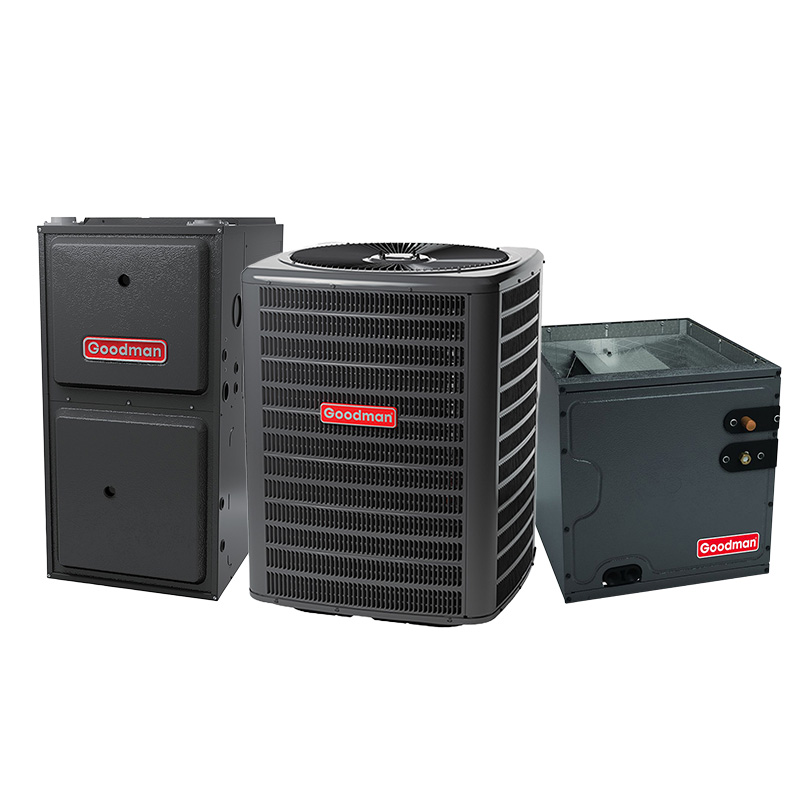
Goodman 2 Ton 15.2 SEER2 AC & Gas Furnace System – Modulating Variable-Speed, 60000 BTU Gas Furnace, 97% AFUE, Upflow, R32
View on AC Direct see your lowest price →Check current price on AC Direct →
Key features
- 97% AFUE modulating gas furnace reduces heating waste to roughly 3 percent
- 15.2 SEER2 variable-speed cooling meets and exceeds federal efficiency minimums for most U.S. regions
- Variable-speed blower delivers quieter operation and more consistent temperatures than single-stage systems
- R-32 refrigerant has a lower global warming potential than the R-410A it replaces
- Upflow configuration designed for basement or ground-level closet installations with overhead ductwork
- 60,000 BTU heating capacity suited for homes typically in the 1,200 to 1,800 square foot range depending on climate and insulation
About this system
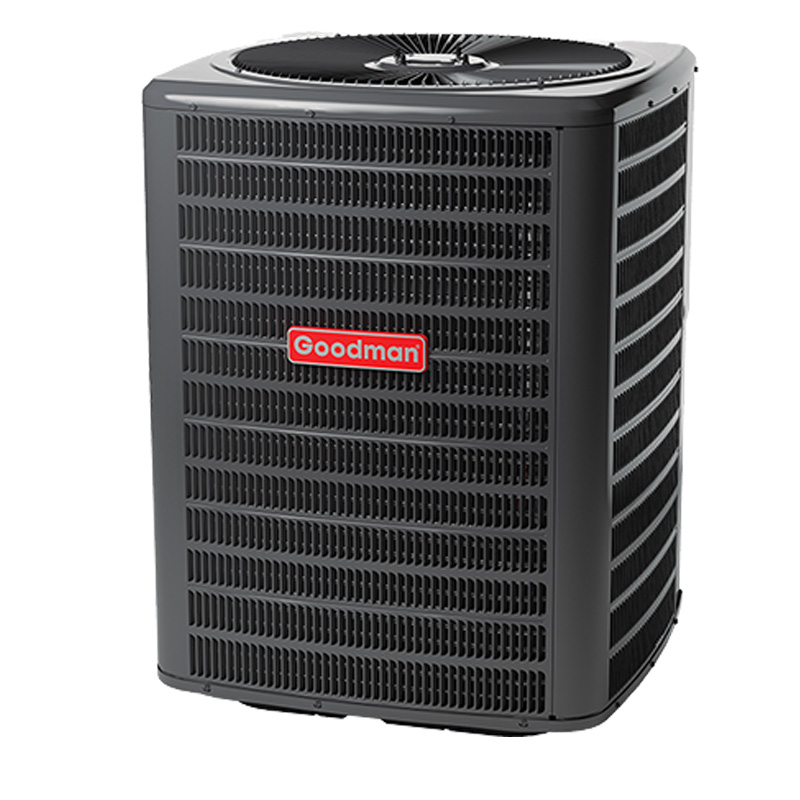
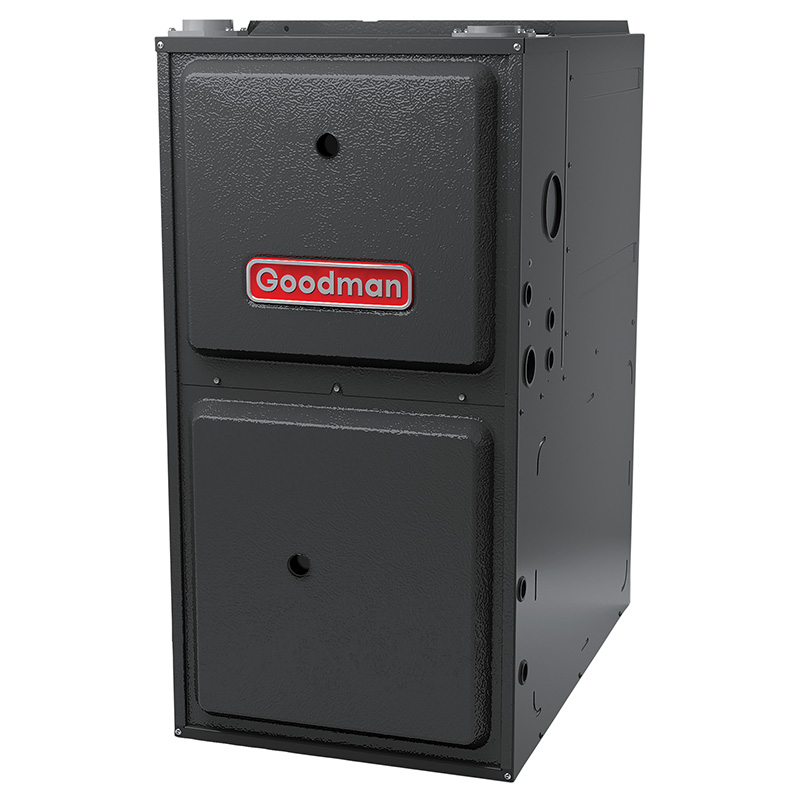
The Goodman GLXS5BA2410D pairs a 2-ton, 15.2 SEER2 variable-speed air conditioner with a 60,000 BTU, 97% AFUE modulating gas furnace in an upflow configuration. The 97% AFUE rating means only 3 cents of every dollar spent on gas escapes as waste heat, putting this furnace at the top of the efficiency tier and making it a strong candidate for climates where heating costs dominate the annual energy bill. The 15.2 SEER2 cooling rating clears the federal minimum for most U.S. regions with enough room to produce real savings over a single-stage unit, though it sits at the entry point of the mid-efficiency band rather than the upper end.
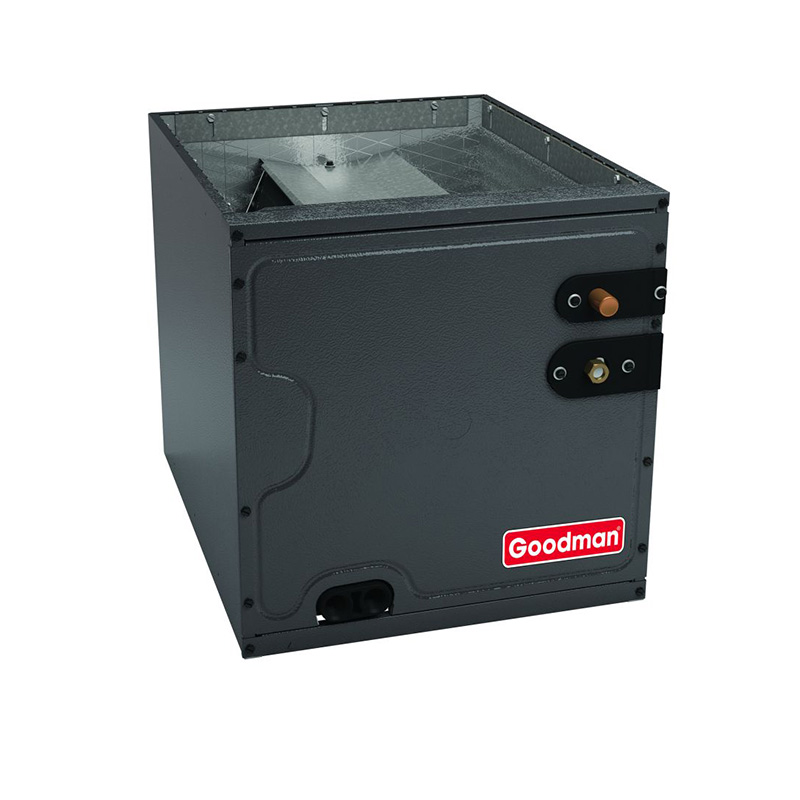
The modulating furnace and variable-speed air handler are the features that separate this system from Goodman’s base offerings. Modulating heat output and variable blower speed together mean the system runs at lower capacity most of the time, holding indoor temperatures more evenly and running longer, quieter cycles instead of blasting on and off. That behavior also helps with humidity control in cooling mode. The R-32 refrigerant charge is lower in global warming potential than the R-410A it replaces, and while that matters less to a homeowner today, it does reflect where the industry is heading on refrigerant regulations. Upflow configuration suits a basement or closet installation where supply air rises into the living space above.
This system fits a budget-conscious homeowner who wants genuine high-efficiency heating without paying premium-brand prices, and who either has a qualified installer they trust or is willing to vet one carefully. Because Goodman’s real-world longevity tracks closely with installation quality, choosing this system means the contractor selection matters as much as the equipment itself.
This system delivers genuinely high-efficiency heating and respectable cooling performance at a price point that undercuts comparable Carrier, Trane, and Lennox equipment by 15 to 25 percent. The trade-off is a brand with a mixed reliability record and a compressor lifespan that tends to run shorter than premium competitors, so the savings make most sense for buyers who treat the cost difference as a buffer for potential repairs down the road. Installation quality is not optional here; it is the single largest variable in how long and well this system performs.
Overall score is the average of the five ratings above.
What we like
- 97% AFUE puts heating efficiency among the best available at any price point
- Modulating and variable-speed operation improves comfort and humidity control compared to single-stage alternatives
- R-32 refrigerant is forward-looking as regulations phase out higher-GWP refrigerants
- Lower purchase price versus Trane, Lennox, and Carrier frees budget for a quality installation or a service contract
- 15.2 SEER2 cooling will produce meaningful energy savings over older or minimum-efficiency replacements
Trade-offs
- Dual-run capacitors are the most frequently reported failure, typically appearing within the first several years and costing $300 to $600 to repair
- Evaporator coil leaks appear in a meaningful share of owner reviews and can be a more expensive repair
- Compressor lifespan averages 10 to 14 years, noticeably shorter than the 15 to 20 years commonly seen on premium brands
- A minority of owners report refrigerant leaks in the first year, most often traced to install or charge issues rather than factory defects
What homeowners and pros say about Goodman
Homeowners who share their experience with Goodman online tend to split along a familiar line. On dealer review platforms, where Google aggregates scores across hundreds of location-level reviews, Goodman equipment earns around 3.8 out of 5 stars, and the most common reason people are satisfied is straightforward: they paid less than a neighbor who bought a Trane or Carrier and the system is cooling and heating the house. On complaint-focused channels like ConsumerAffairs, the score drops to roughly 2.5 out of 5, and the pattern in the negative reviews is consistent: systems that ran fine for the first several years start generating repair bills after year seven, with dual-run capacitor failures and evaporator coil leaks showing up repeatedly in those accounts. Neither data point tells the whole story on its own, but together they suggest a brand that delivers on its value promise early and asks more of owners as the system ages.
HVAC technicians who work on Goodman equipment regularly tend to have a pragmatic view of it. Most will say that a Goodman installed correctly by an experienced technician outperforms a premium brand installed carelessly, and they point to capacitor replacements as a routine call rather than a catastrophe. Where professionals express more caution is on compressor longevity: Goodman compressors averaging 10 to 14 years in the field versus 15 to 20 for top-tier brands is a real gap, and it influences whether a service-minded technician recommends Goodman for a client who wants to set it and forget it for two decades. For the specific system here, the modulating furnace and variable-speed components add complexity that makes a knowledgeable installer even more important than it is on a basic single-stage setup, and first-year refrigerant leak reports in the owner community are a reminder that R-32 charging requires a technician who has already been trained on A2L systems.
Sources: ConsumerAffairs Goodman owner reviews, AHRI Directory of Certified Product Performance, U.S. DOE appliance and equipment efficiency standards, Goodman product specification sheets.
What it costs to run
At 15.2 SEER2, cooling this 2-ton system for a typical 1200-hour cooling season at the U.S. average electricity rate of $0.17/kWh works out to roughly $322 per year in cooling, about $43 less per year than a minimum-efficiency 13.4 SEER2 unit of the same size. Your real cost depends on your climate and local rate.
Method: (24,000 BTU/hr ÷ 15.2 SEER2) × 1200 hours ÷ 1000 × $0.17/kWh. Rate source: U.S. EIA average; cooling hours: moderate-climate estimate.
How it compares
| Brand | Comparable model | SEER2 | Stage | Price position |
|---|---|---|---|---|
| Goodman | GLXS5BA2410D | 15.2 | Variable | Value pick |
| Carrier | Comfort 15 Series (25HCE / 59TP6) | 15+ | Two-stage | Typically 15 to 25 percent more than Goodman |
| Trane | XR15 / S9X2 Series | 15+ | Two-stage | Typically 15 to 25 percent more than Goodman |
| Lennox | Merit 14ACX / ML296V Series | 15+ | Two-stage / Variable | Typically 15 to 25 percent more than Goodman |
Competitor rows are comparable single-stage units at similar efficiency; price is relative position, not a quote.
Questions about this system
What does the modulating furnace actually do differently from a two-stage or single-stage unit?
A modulating furnace adjusts its flame output in small increments rather than simply switching between high and low, so it almost always runs at a level matched to what the home needs at that moment. The result is fewer temperature swings, longer quieter run cycles, and better humidity control compared to single-stage or even two-stage furnaces. The variable-speed blower works alongside this to move air at the appropriate rate for each output level.
Is R-32 refrigerant safe and easy to service?
R-32 is mildly flammable (classified A2L), which means it requires technicians who are trained and equipped for A2L refrigerants. It is not a drop-in replacement for R-410A, so your service contractor needs to confirm they handle R-32 before you book installation or future repairs. Availability is growing as more equipment ships with R-32, but it is worth confirming your local market is up to speed.
How concerned should I be about the dual-run capacitor failure reports?
Capacitor failures are the most commonly documented issue with Goodman equipment, but they are also among the least expensive HVAC repairs, typically running $300 to $600 with a service call. Keeping a service contract or having a trusted technician's number on hand makes this a manageable inconvenience rather than a crisis, and some installers replace the capacitor proactively at each annual tune-up.
What size home is a 2-ton, 60,000 BTU system right for?
As a rough starting point, 2 tons of cooling covers approximately 1,200 to 1,600 square feet in a moderate climate, though a proper Manual J load calculation by your installer is the only reliable way to confirm sizing for your specific home, insulation level, and climate zone. The 60,000 BTU furnace falls in a similar range for heating. Oversizing or undersizing both hurt comfort and long-term reliability, so resist the urge to skip the load calculation.
Does Goodman's warranty cover parts if my contractor does not register the equipment?
Goodman requires product registration within a set window after installation to receive the extended warranty terms; without registration, coverage typically falls back to a shorter base warranty period. Your installer should register the equipment on your behalf at the time of installation, but it is worth confirming they did so and keeping a copy of the registration confirmation for your records.
Specifications
| Cooling capacity | 2 Ton |
| Efficiency | 15.2 SEER2 |
| Furnace output | 60000 BTU |
| Furnace efficiency | 97% AFUE |
| Configuration | Upflow |
| Refrigerant | R-32 |
| Model | GLXS5BA2410D |