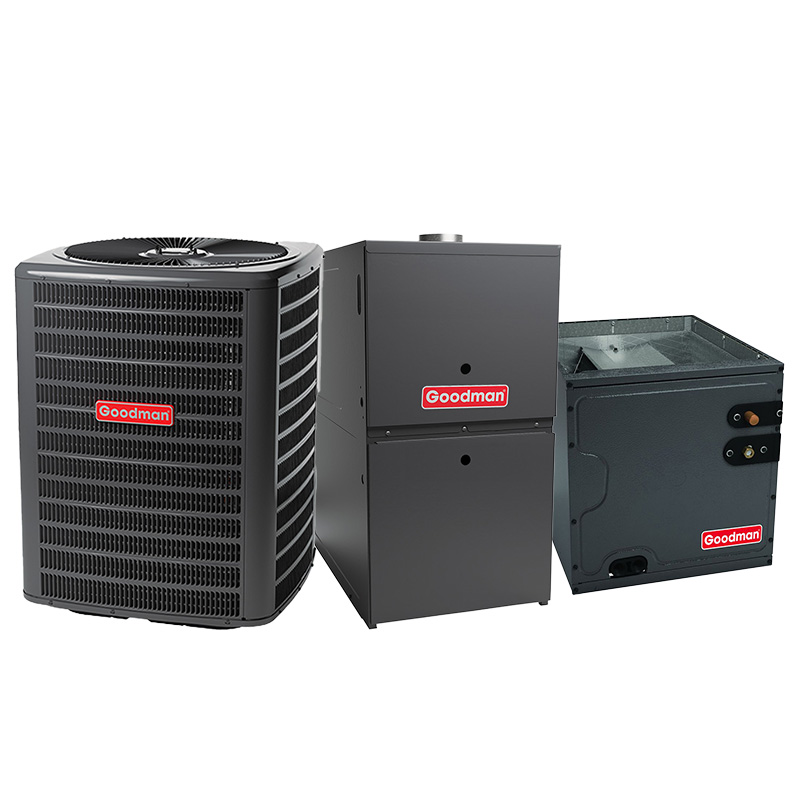
Goodman 2 Ton 16 SEER2 AC & Gas Furnace System – Two Stage Variable-Speed, 60000 BTU Gas Furnace, 80% AFUE, Upflow, R32
View on AC Direct see your lowest price →Check current price on AC Direct →
Key features
- Two-stage compressor reduces short cycling and improves dehumidification
- Variable-speed air handler delivers quieter, more consistent airflow
- 16 SEER2 cooling efficiency meets or exceeds regional federal minimums
- R-32 refrigerant with roughly 68% lower global warming potential than R-410A
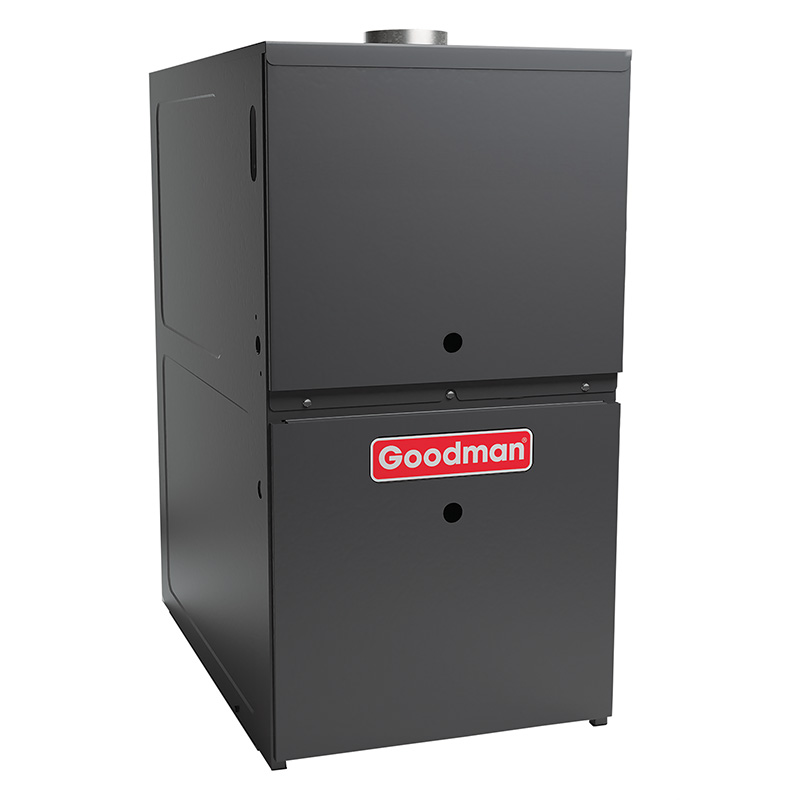
- 60,000 BTU upflow furnace rated at 80% AFUE for functional heating efficiency
- Priced approximately 15 to 25 percent below comparable Trane, Lennox, and Carrier systems
About this system
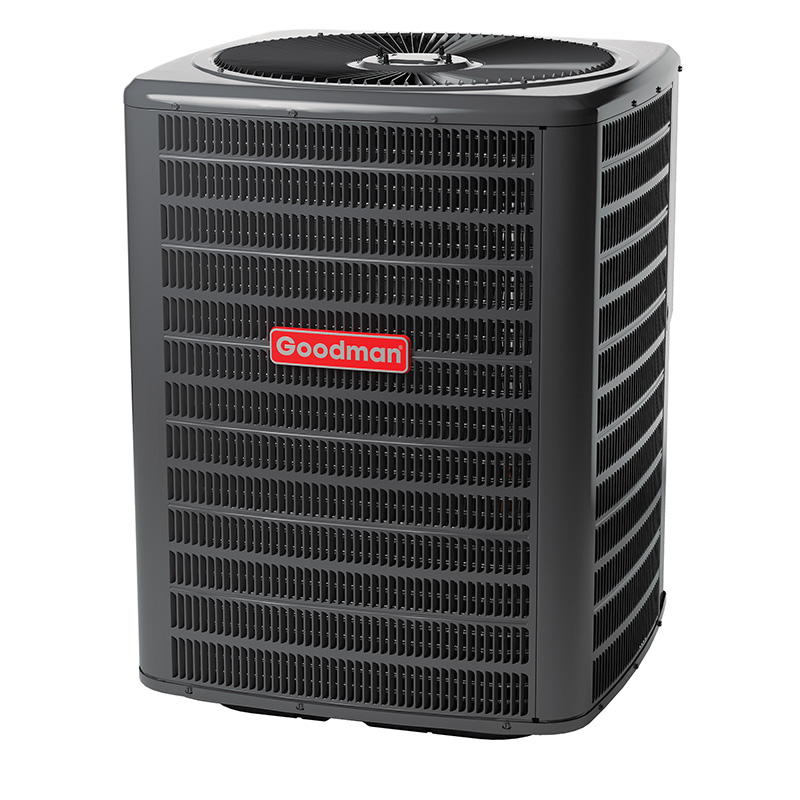
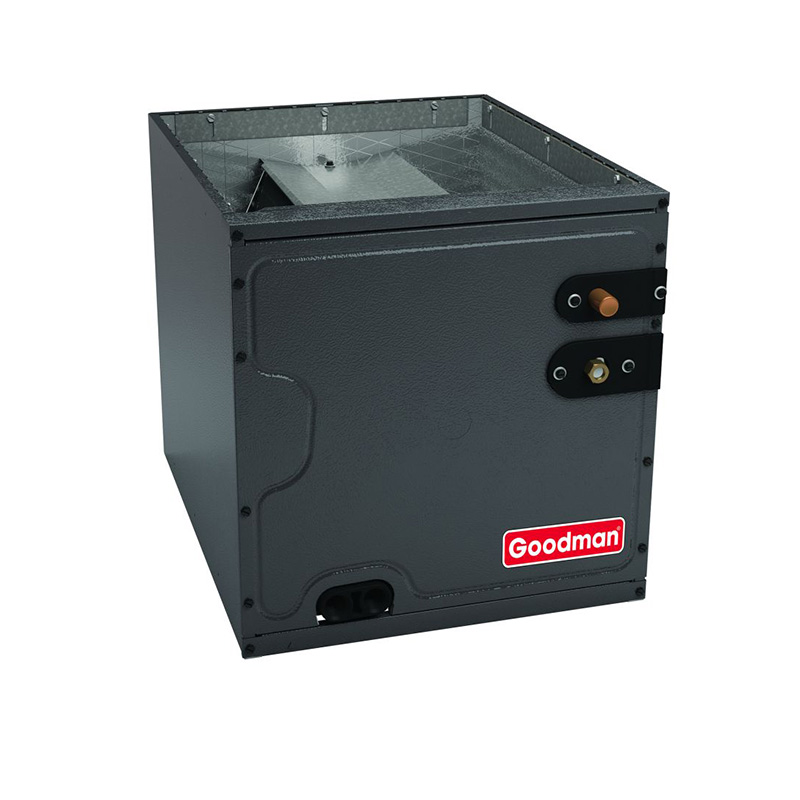
The Goodman 2-ton 16 SEER2 two-stage, variable-speed gas furnace system pairs a 2-ton R-32 cooling unit with a 60,000 BTU, 80% AFUE upflow furnace. The two-stage compressor runs at a lower capacity most of the time, reducing short cycling and improving humidity control compared to single-stage equipment, while the variable-speed air handler adjusts airflow continuously for quieter, more even temperatures. At 16 SEER2, the cooling efficiency clears the federal minimum for most U.S. regions and earns a modest step up in energy savings without reaching premium territory.
R-32 refrigerant is a meaningful forward-looking choice: it carries a global warming potential roughly two-thirds lower than the R-410A it replaces, and it is the refrigerant direction the industry is moving toward. The 80% AFUE furnace converts eight dollars of every ten in gas to heat, which is functional but not high-efficiency; homeowners in colder climates or with high heating loads should weigh whether a 96% AFUE unit would recover its cost premium over time. The upflow configuration suits homes with the furnace in a basement or ground-level closet with ductwork above.
This system is well suited to budget-conscious buyers replacing aging equipment in mild to moderate climates who want more comfort capability than a basic single-stage setup but are not ready to pay for a premium brand. It is also a reasonable fit for rental properties or spec builds where first cost matters more than maximum longevity.
This system delivers genuine two-stage comfort features and a low purchase price, making it a sensible choice for homeowners replacing equipment on a tight budget. The trade-off is a documented history of component failures past year seven and a compressor lifespan that trails premium brands by several years. If you budget for a maintenance plan and choose a skilled installer, it can serve well; if you expect set-it-and-forget-it reliability, the premium brands have a stronger track record.
Overall score is the average of the five ratings above.
What we like
- Two-stage operation noticeably improves humidity control versus single-stage at a similar price point
- Variable-speed blower reduces energy use during fan-only and partial-load operation
- R-32 refrigerant is more environmentally responsible and increasingly well-supported by technicians
- Priced substantially below Carrier, Trane, and Lennox equivalents, freeing budget for installation quality or a service contract
- Upflow configuration is straightforward for the most common residential furnace placement scenarios
Trade-offs
- Dual-run capacitors are the most commonly reported failure point, typically surfacing within the first several years
- Evaporator coil leaks appear in a meaningful share of owner reviews and can be costly to repair
- Compressor longevity averages 10 to 14 years versus 15 to 20 years for premium brands, meaning earlier replacement costs
- 80% AFUE is functional but not high-efficiency; gas-heavy households in cold climates will pay more annually to operate than with a 96% unit
What homeowners and pros say about Goodman
Homeowners who share feedback on Goodman equipment tend to cluster at the extremes. On Google dealer reviews, the brand averages around 3.8 out of 5, and the most consistent praise is straightforward: buyers got working, functional equipment at a price that undercut the name-brand alternatives by a noticeable margin. On ConsumerAffairs, the score drops to roughly 2.5 out of 5, a channel that attracts frustrated owners more than satisfied ones, and the recurring complaint is repair costs that climb steeply after roughly the seventh year of ownership. For a system like this one, that pattern is worth taking seriously rather than dismissing as outlier noise.
HVAC technicians who work on Goodman equipment regularly point to dual-run capacitors as the most commonly replaced component, a failure that usually runs between 300 and 600 dollars to fix and is more an inconvenience than a catastrophe. More significant are evaporator coil leaks, which show up in a meaningful share of owner reports and carry much higher repair bills. Compressor lifespan is the other honest concern: Goodman compressors tend to average 10 to 14 years in real-world use, compared to 15 to 20 years seen with Trane, Lennox, and Carrier equipment. Technicians are consistent on one point: Goodman’s performance ceiling is heavily dependent on the quality of the installation. A careful, experienced installer who pressure-tests the line set, verifies the refrigerant charge, and commissions the system properly will get far better results from this equipment than a rushed one, and that is more true here than it is with the premium brands.
Sources: ConsumerAffairs Goodman owner reviews, AHRI Directory of Certified Product Performance, U.S. DOE appliance and equipment efficiency standards, Goodman product specification sheets.
What it costs to run
At 16 SEER2, cooling this 2-ton system for a typical 1200-hour cooling season at the U.S. average electricity rate of $0.17/kWh works out to roughly $306 per year in cooling, about $59 less per year than a minimum-efficiency 13.4 SEER2 unit of the same size. Your real cost depends on your climate and local rate.
Method: (24,000 BTU/hr ÷ 16 SEER2) × 1200 hours ÷ 1000 × $0.17/kWh. Rate source: U.S. EIA average; cooling hours: moderate-climate estimate.
How it compares
| Brand | Comparable model | SEER2 | Stage | Price position |
|---|---|---|---|---|
| Goodman | This system: 2T 16 SEER2 Two-Stage/Variable-Speed, 60K BTU 80% AFUE | 16 | Two-stage / Variable-speed blower | Value pick |
| Carrier | Performance 16 series (split system + gas furnace bundle) | 16 | Two-stage | Typically 15 to 25 percent more than this Goodman system |
| Trane | XR16 / S8X1 furnace bundle | 16 | Single-stage to two-stage depending on configuration | Typically 15 to 25 percent more than this Goodman system |
| Lennox | Merit 16ACX / ML180 furnace bundle | 16 | Single-stage | Typically 15 to 25 percent more than this Goodman system |
Competitor rows are comparable single-stage units at similar efficiency; price is relative position, not a quote.
Questions about this system
Is 2 tons the right size for my home, and how do I know before buying?
A proper Manual J load calculation is the only reliable way to confirm sizing. Two tons generally covers roughly 900 to 1,300 square feet in average construction, but insulation levels, window area, ceiling height, and climate all shift that range. An oversized system short cycles and degrades humidity control; undersizing leaves the unit running continuously on hot days.
What does the two-stage compressor actually do for comfort compared to a single-stage unit?
A two-stage compressor runs at a lower capacity, typically around 65 to 70 percent, during mild weather and only ramps to full capacity when conditions demand it. The result is longer, steadier cooling cycles that pull more moisture from the air, reducing that clammy feeling that single-stage systems can leave behind. It also tends to run more quietly during those lower-stage cycles.
How serious are the evaporator coil leak issues reported by some Goodman owners?
Coil leaks are a documented complaint in owner reviews and are not trivial to fix, often requiring refrigerant recovery, coil replacement, and a new charge, costs that can run into the thousands depending on labor rates. Goodman's parts warranty covers the coil itself, but labor is your expense after the first year unless you purchase a labor warranty from your dealer. This is one reason why choosing an experienced installer who pressure-tests and carefully charges the system matters more than it might with a premium brand.
R-32 refrigerant is new to me. Can any HVAC technician work on it?
R-32 requires technicians to be EPA 608 certified, the same credential already required for R-410A work, but some older equipment and recovery machines may need upgrading to handle it safely. The refrigerant is mildly flammable, classified A2L, so technicians need to follow updated handling procedures. Availability and technician familiarity are growing quickly as the industry transitions, but in rural areas you should confirm local service capability before buying.
Should I upgrade to a 96% AFUE furnace instead of going with the 80% AFUE included here?
If you heat your home heavily, live in a cold climate with long winters, and plan to stay in the home for many years, a 96% AFUE unit can recover its cost premium through lower gas bills over time. For mild climates, smaller homes, or shorter ownership horizons, the 80% AFUE unit is often the more practical financial choice. Running your estimated annual heating hours and local gas rates through a simple payback calculation is the clearest way to decide.
Specifications
| Cooling capacity | 2 Ton |
| Efficiency | 16 SEER2 |
| Furnace output | 60000 BTU |
| Furnace efficiency | 80% AFUE |
| Configuration | Upflow |
| Refrigerant | R-32 |