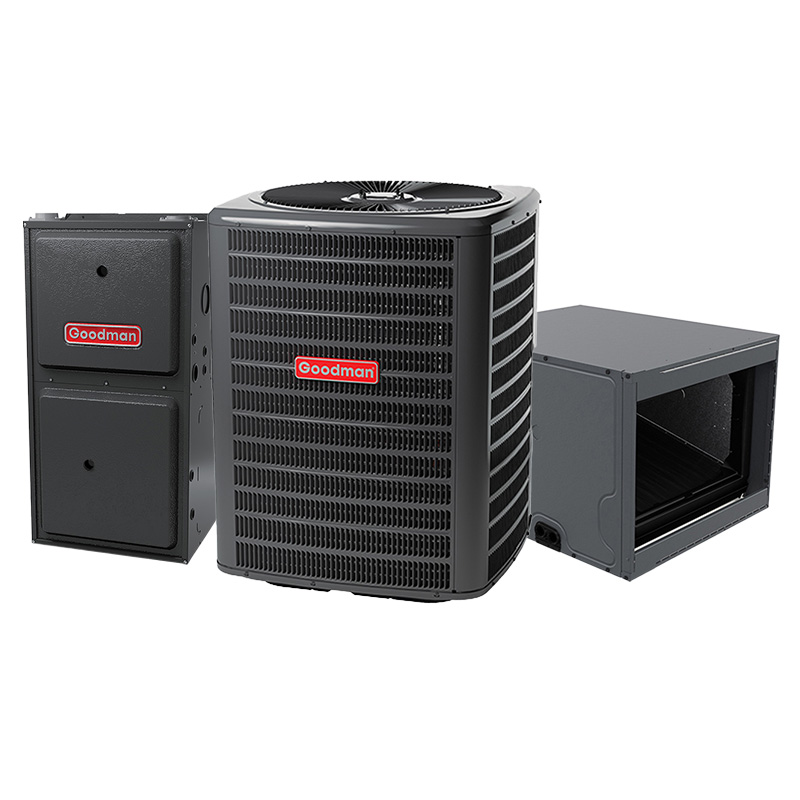
Goodman 2 Ton 17.2 SEER2 AC With 80000 BTU 96% AFUE 2-Stage Variable-Speed ECM Gas Furnace System – Horizontal | 2-Stage High Efficiency AC | R32
View on AC Direct see your lowest price →Check current price on AC Direct →
Key features
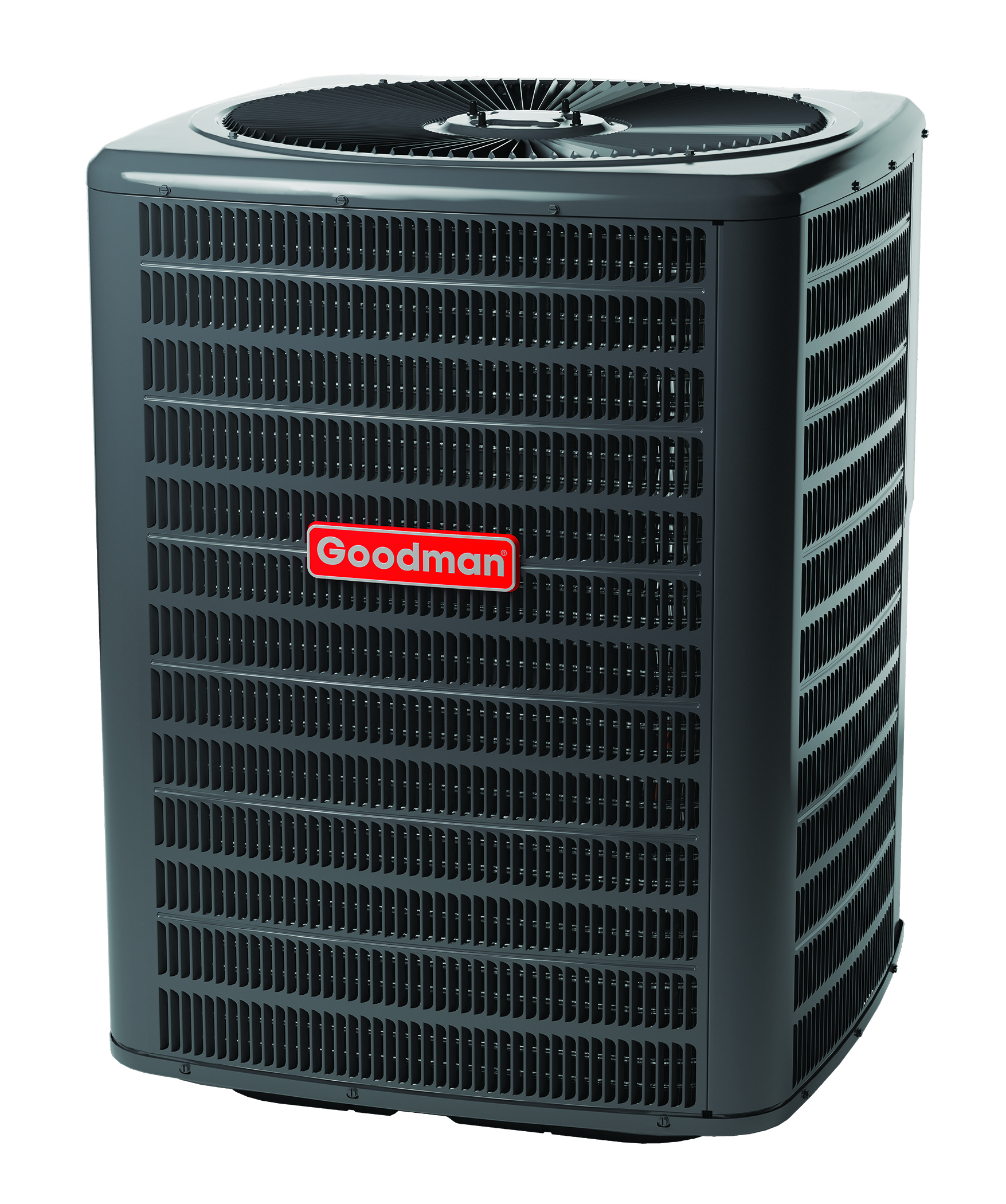
- 2-ton two-stage compressor rated at 17.2 SEER2 using R-32 refrigerant
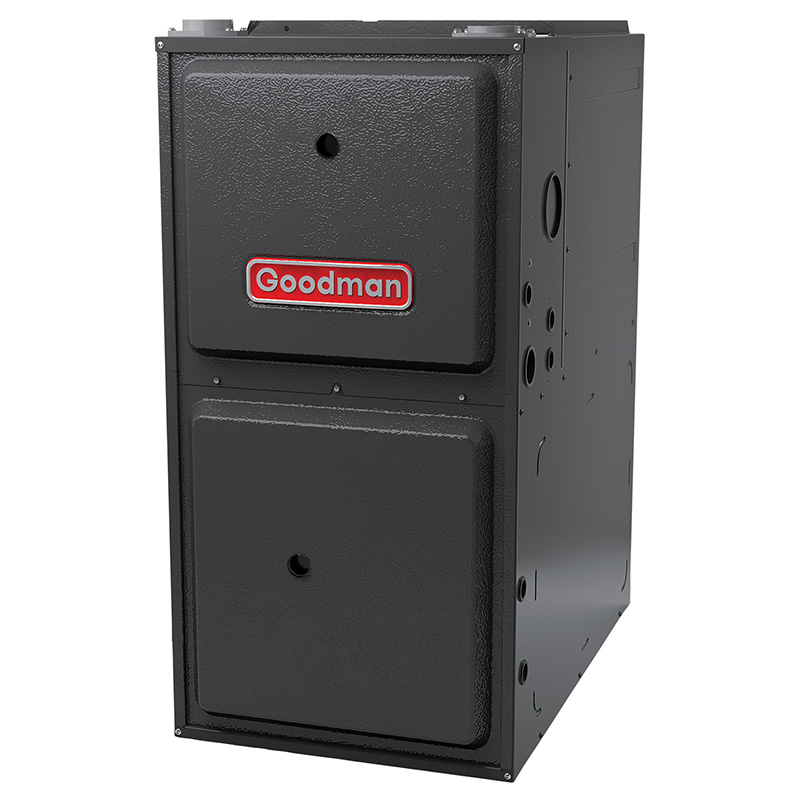
- 80,000 BTU gas furnace with 96% AFUE two-stage burner operation
- Variable-speed ECM blower motor for quiet, efficient airflow management
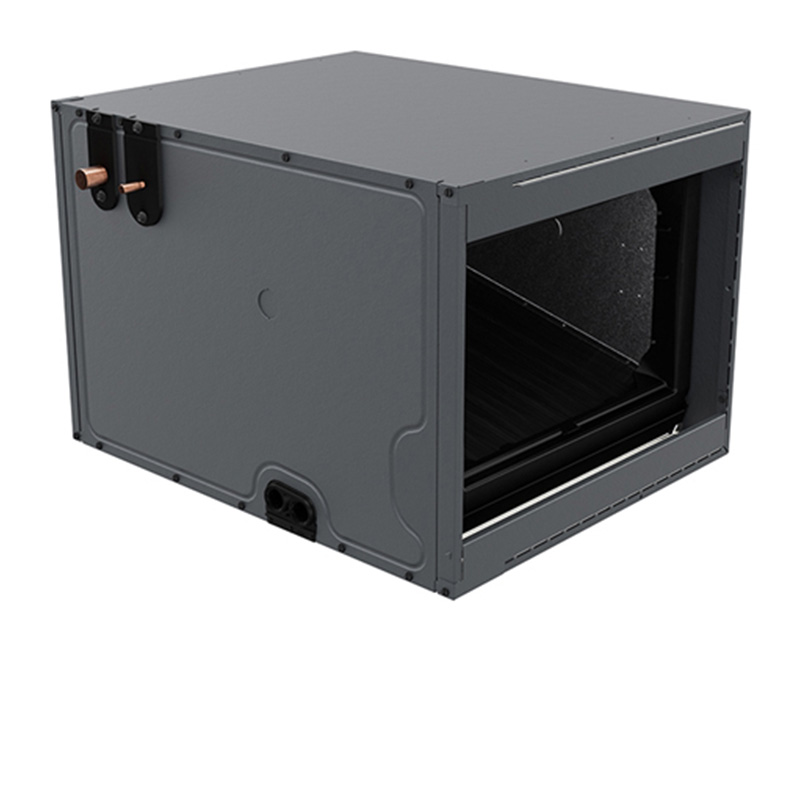
- Horizontal configuration only, suited to attic or crawlspace installations
- Two-stage cooling and heating for improved humidity control and comfort
- R-32 refrigerant: lower global-warming potential than R-410A, requires certified technician handling
About this system
The Goodman GLXT7CA2410 pairs a 2-ton, 17.2 SEER2 two-stage central air conditioner with an 80,000 BTU, 96% AFUE two-stage variable-speed ECM gas furnace in a horizontal configuration, making it a strong candidate for attic or crawlspace installations where upflow units simply will not fit. The R-32 refrigerant charge is both lower in global-warming potential than the outgoing R-410A and slightly more efficient at heat transfer, which is part of how this unit reaches its efficiency rating without moving to a fully variable-speed compressor. For a home in the 800 to 1,200 square foot range with a well-sealed envelope, this system can meaningfully cut heating and cooling bills compared to older 13 or 14 SEER equipment.
The two-stage compressor and two-stage furnace burner each run at a reduced capacity on mild days and ramp up only when conditions demand it. That translates to longer, steadier run cycles, better humidity control in summer, and quieter operation versus single-stage alternatives. The variable-speed ECM blower motor adjusts airflow continuously, adding further comfort and reducing electricity draw at the air handler. The horizontal-only configuration is a genuine constraint: this system requires a licensed installer comfortable with horizontal duct connections, proper slope for condensate drainage, and correct refrigerant charging for R-32, which has slightly different handling requirements than R-410A. Quality installation is not optional here; it is the primary determinant of how this system performs over its lifespan.
This system delivers genuinely high efficiency and solid comfort features at a price point well below comparable Trane, Lennox, or Carrier configurations, making the upfront value case easy to understand. The trade-off is that Goodman's documented reliability record, particularly past the seven-year mark, means lower long-term confidence than premium brands, and the horizontal-only layout adds install complexity that amplifies that risk if the job is not done carefully. Buyers who prioritize day-one savings and can commit to preventive maintenance will find it competitive; buyers who want the lowest total 15-year cost of ownership should weigh the reliability gap honestly.
Overall score is the average of the five ratings above.
What we like
- 17.2 SEER2 rating qualifies for energy efficiency rebates in many utility programs
- 96% AFUE furnace recovers nearly all combustion heat, cutting gas bills noticeably over older 80% units
- Two-stage operation improves summer humidity control compared to single-stage systems
- ECM variable-speed blower reduces fan electricity consumption by a meaningful margin over PSC motors
- Purchase price typically runs 15 to 25 percent below equivalent Carrier, Trane, or Lennox systems
Trade-offs
- Dual-run capacitors are the most frequently reported failure point and often appear before year 10, though the repair cost is typically modest at 300 to 600 dollars
- Evaporator coil leaks appear in a meaningful share of owner reports and are a more expensive fix than capacitors
- Compressor lifespan averages 10 to 14 years versus 15 to 20 years for premium-brand compressors, which affects total lifecycle cost
- Horizontal configuration demands precise condensate slope and careful refrigerant charging; a rushed or inexperienced install is the fastest path to early failures
What homeowners and pros say about Goodman
Homeowners who chose Goodman equipment most often point to the upfront savings as the deciding factor, and the Google dealer review average of around 3.8 out of 5 reflects genuine satisfaction in the early years of ownership. The ConsumerAffairs picture is less encouraging, sitting near 2.5 out of 5, and the pattern there is telling: complaints tend to cluster around year seven and beyond, when repair bills start arriving. The most commonly documented failure on Goodman equipment is the dual-run capacitor, which is genuinely a low-stakes fix in the 300 to 600 dollar range that most homeowners can handle quickly with a good service technician. Evaporator coil leaks and refrigerant issues are the complaints that draw more frustration, both because of the cost and because they can take multiple visits to resolve properly.
HVAC technicians who work on Goodman equipment regularly tend to say the same thing: the brand performs well when it is installed correctly and maintained consistently, and it underperforms when either of those things is skipped. For this specific system, the horizontal configuration and R-32 refrigerant mean the install is more demanding than a standard upflow R-410A job, so the quality of whoever puts it in matters even more than usual. Compressor longevity averaging 10 to 14 years versus the 15 to 20 years associated with Trane, Carrier, or Lennox is a real gap that shows up in total cost-of-ownership math over a long ownership period, though it is largely offset if the initial price difference goes toward a dedicated maintenance budget. The two-stage, ECM-blower configuration does give this system a genuine comfort and efficiency advantage over entry-level single-stage Goodman units, which is worth noting for buyers stepping up from basic equipment.
Sources: ConsumerAffairs Goodman owner reviews, AHRI Directory of Certified Product Performance, U.S. DOE appliance and equipment efficiency standards, Goodman product specification sheets.
What it costs to run
At 17.2 SEER2, cooling this 2-ton system for a typical 1200-hour cooling season at the U.S. average electricity rate of $0.17/kWh works out to roughly $285 per year in cooling, about $80 less per year than a minimum-efficiency 13.4 SEER2 unit of the same size. Your real cost depends on your climate and local rate.
Method: (24,000 BTU/hr ÷ 17.2 SEER2) × 1200 hours ÷ 1000 × $0.17/kWh. Rate source: U.S. EIA average; cooling hours: moderate-climate estimate.
How it compares
| Brand | Comparable model | SEER2 | Stage | Price position |
|---|---|---|---|---|
| Goodman | GLXT7CA2410 | 17.2 | Two-stage | Value pick |
| Carrier | Comfort 17 (24ACC7) | 17 | Two-stage | Typically 15 to 25 percent more than Goodman |
| Trane | XR17 | 17 | Two-stage | Typically 15 to 25 percent more than Goodman |
| Lennox | Merit 17 (ML17XC1) | 17 | Two-stage | Typically 15 to 25 percent more than Goodman |
Competitor rows are comparable single-stage units at similar efficiency; price is relative position, not a quote.
Questions about this system
Does the horizontal configuration affect anything beyond the physical orientation of the unit?
Yes, in a few practical ways. Condensate drainage must be sloped correctly to prevent standing water and microbial growth inside the cabinet. Duct connections and refrigerant line routing are also more constrained in tight attic spaces, so the installer needs to plan access for future service calls. If any of those details are done carelessly, you will feel it in performance and potentially in early component failures.
Is R-32 refrigerant harder or more expensive to service than R-410A?
R-32 requires a technician with specific certification and compatible recovery equipment, which most established HVAC companies already have or are acquiring as the industry transitions. It is mildly flammable, so handling and storage protocols differ from R-410A. Refrigerant cost is currently comparable, though availability varies by region, so confirm your local service companies are equipped before purchasing.
What does the two-stage compressor actually change about day-to-day comfort compared to a single-stage unit?
On a mild day the compressor runs at its lower stage, cycling less frequently and running longer. Longer run cycles pull more humidity out of the air and distribute conditioned air more evenly through the home. You are less likely to experience the short-cycle blast of cold air followed by a hot, humid pause that single-stage systems can produce.
Goodman gets mixed reviews online. How worried should I be about reliability on this specific system?
Goodman's ConsumerAffairs score sits around 2.5 out of 5, driven heavily by owners dealing with repair costs after roughly year seven, while Google dealer reviews average closer to 3.8 out of 5, where the most common praise is affordability. The documented weak points are dual-run capacitors, which are a relatively inexpensive fix, and evaporator coil leaks, which are not. Compressor lifespan averaging 10 to 14 years versus 15 to 20 years for premium brands is a real difference. Annual preventive maintenance, particularly checking capacitors and refrigerant charge, is your best tool for catching problems early.
What warranty does this system carry, and are there any conditions I need to meet to keep it valid?
Goodman typically offers a 10-year parts limited warranty on registered systems, which requires registration within a set window after installation and, in most cases, installation by a licensed HVAC contractor. Failure to register usually drops coverage to five years. The warranty covers parts but not labor, so a compressor replacement under warranty still carries a service call and labor cost. Confirm the exact current terms on Goodman's website at the time of purchase, as coverage details can change.
Specifications
| Cooling capacity | 2 Ton |
| Efficiency | 17.2 SEER2 |
| Furnace output | 80000 BTU |
| Furnace efficiency | 96% AFUE |
| Configuration | Horizontal |
| Refrigerant | R-32 |
| Model | GLXT7CA2410 |