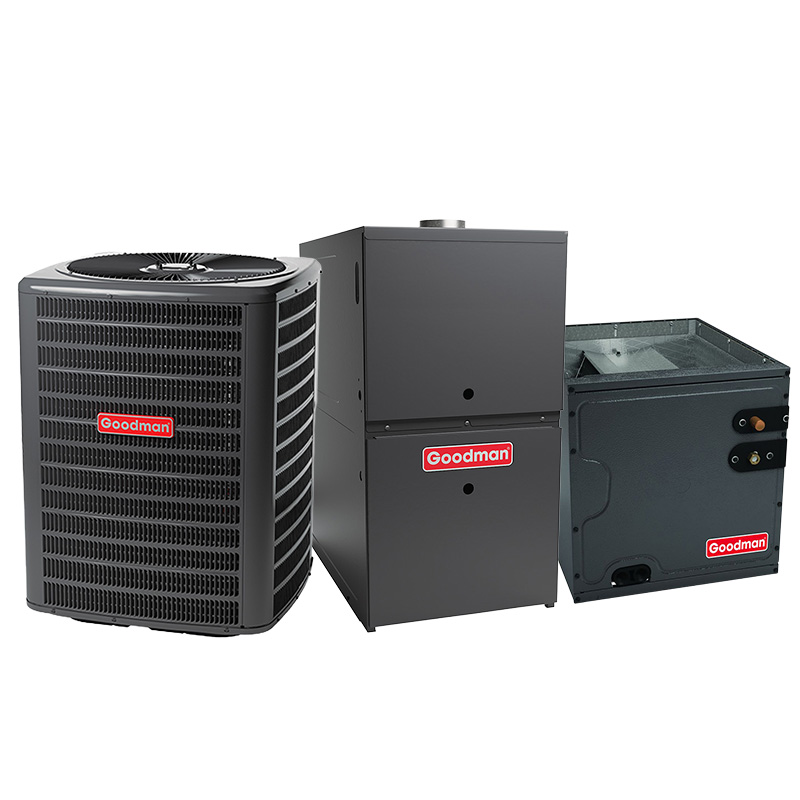
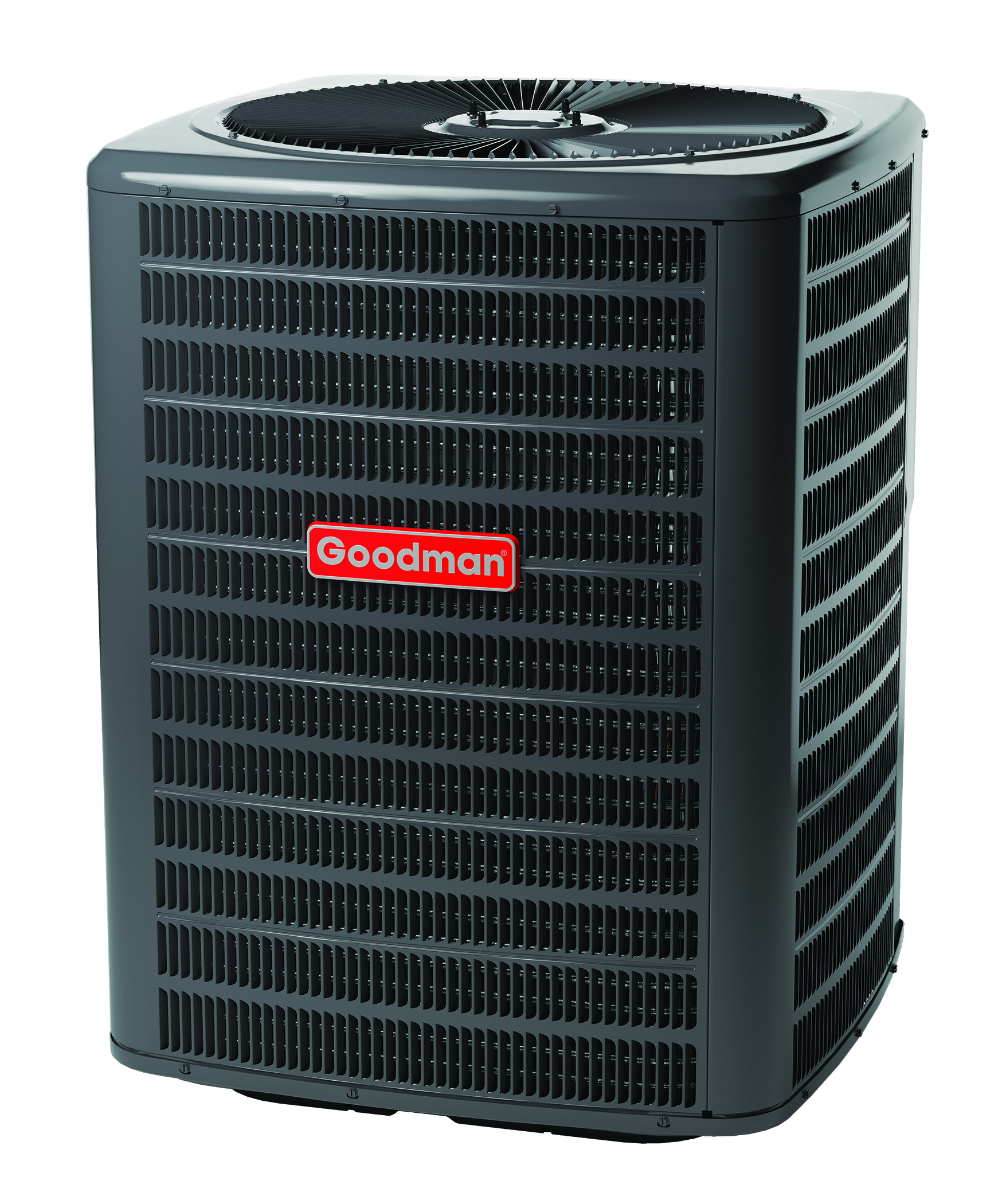
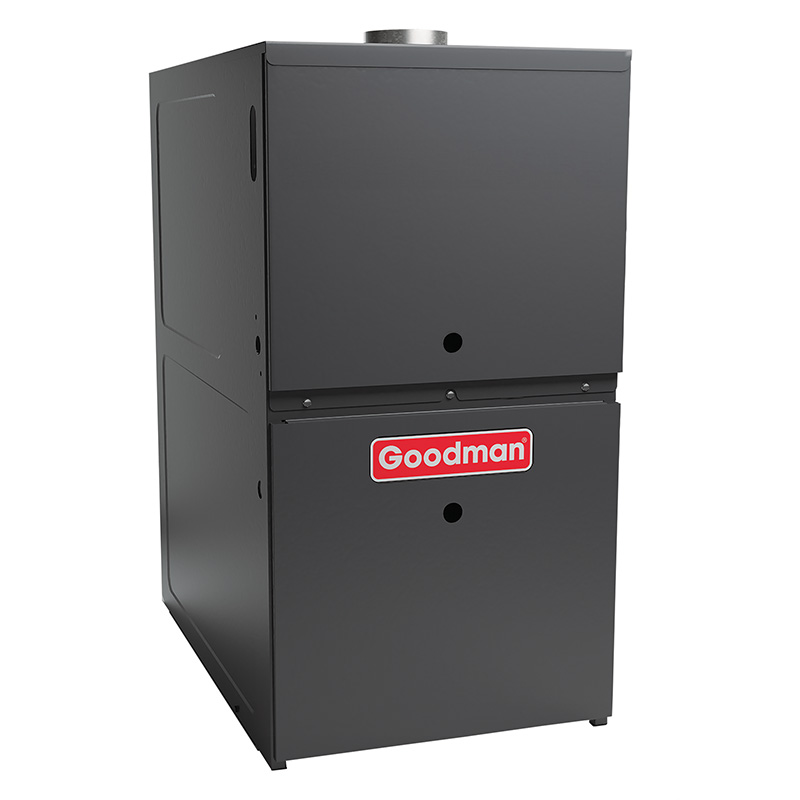
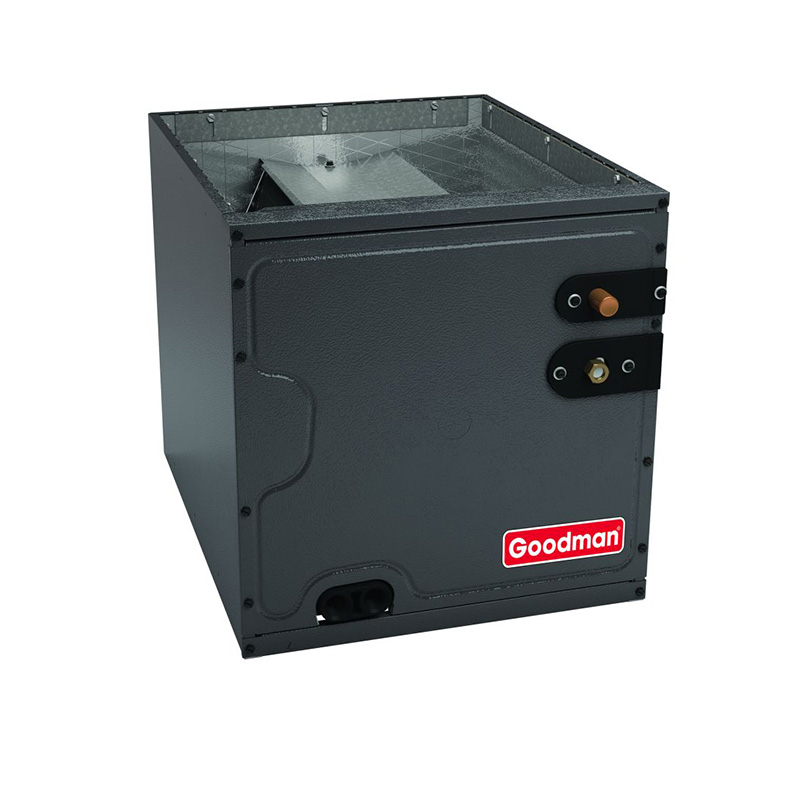
Goodman 2 Ton 17.2 SEER2 Dual Fuel Hybrid Heat Pump System – Two Stage Heat Pump & Two Stage Variable Speed 60000 BTU Gas Furnace, 80% AFUE, Upflow, R32
View on AC Direct see your lowest price →Check current price on AC Direct →
Key features
- 17.2 SEER2 two-stage heat pump with R-32 refrigerant for upper-mid efficiency
- 80% AFUE two-stage gas furnace, 60,000 BTU, upflow configuration
- Dual-fuel hybrid operation automatically selects heat pump or gas heat by outdoor temp
- Variable-speed furnace blower for quieter, more consistent airflow and dehumidification
- R-32 refrigerant: lower global-warming potential than legacy R-410A
- Designed to meet federal energy-efficiency tax credit eligibility thresholds
About this system
The Goodman 2-ton 17.2 SEER2 dual-fuel hybrid system pairs a two-stage R-32 heat pump with a two-stage, variable-speed 80% AFUE gas furnace in an upflow configuration. Dual-fuel means the system automatically switches between electric heat-pump operation and gas furnace heat depending on outdoor temperatures and fuel costs, which can meaningfully reduce heating bills in climates where natural gas is cheap but winters occasionally dip below the heat pump’s efficient operating range. At 2 tons and 60,000 BTU on the gas side, this is sized for smaller to mid-sized homes, typically in the 800 to 1,400 square-foot range depending on insulation and climate zone.
The 17.2 SEER2 rating places this unit in the upper-mid efficiency tier. It clears the new federal minimums comfortably and qualifies for the federal energy-efficiency tax credit threshold in most regions, though buyers should confirm current IRS guidance. R-32 refrigerant has a lower global-warming potential than the R-410A it replaces, and its higher energy density means slightly smaller refrigerant charges. The two-stage compressor and variable-speed furnace blower work together to run longer, quieter cycles at partial capacity most of the time, which improves dehumidification and temperature consistency compared to a single-stage system. That said, this is not a fully variable inverter-driven system, so it does not modulate as finely as a premium inverter unit would.
This configuration suits budget-conscious homeowners in mixed-climate regions who want the operating flexibility of dual fuel without the price tag of a Trane, Carrier, or Lennox equivalent. Install quality is critical with any heat pump system, and especially so with dual-fuel setups, where the changeover logic must be correctly configured. Choosing a certified, experienced installer is arguably the most important decision you will make with this purchase.
The Goodman 2-ton 17.2 SEER2 dual-fuel system delivers genuine efficiency and fuel-switching flexibility at a price point that undercuts comparable Carrier, Trane, and Lennox systems by roughly 15 to 25 percent. The trade-off is a brand track record that shows compressors averaging 10 to 14 years and recurring owner complaints about repair costs after year seven, so this system rewards buyers who budget for maintenance and prioritize a strong installer over a strong brand name. It is a legitimate value play, not a premium one.
Overall score is the average of the five ratings above.
What we like
- 17.2 SEER2 rating clears federal efficiency thresholds and offers real operating-cost savings over single-stage systems
- Dual-fuel logic gives homeowners flexibility to run whichever energy source is cheaper on a given day
- Two-stage compressor and variable-speed blower deliver noticeably better humidity control than single-stage alternatives
- R-32 refrigerant is more environmentally responsible and future-proofed compared to R-410A systems
- Purchase price typically 15 to 25 percent below comparable Trane, Carrier, and Lennox configurations
Trade-offs
- Compressors average 10 to 14 years versus 15 to 20 years for premium-brand units, meaning earlier replacement is a realistic scenario
- Dual-run capacitor failures are the most commonly documented repair issue, and while the fix is usually low-cost, they recur
- Evaporator coil leaks appear in a meaningful share of owner reports, a potential mid-life expense
- A minority of owners report refrigerant leaks in year one, typically linked to install or charge issues rather than factory defects, underscoring how much installer quality matters
What homeowners and pros say about Goodman
On Google dealer review pages, Goodman equipment consistently averages around 3.8 out of 5 stars across hundreds of reviews per location, and the pattern is familiar: buyers who got a careful install from a skilled technician tend to be satisfied, while those who did not report frustration within a few years. Affordability is the word that comes up most in positive reviews, and for dual-fuel systems where you are already spending on two pieces of matched equipment, that price gap versus Carrier or Trane is hard to ignore. On ConsumerAffairs, the picture is rougher, with Goodman sitting at roughly 2.5 out of 5, a score that reflects the reality that dissatisfied owners are far more likely to leave reviews on that platform. The recurring theme in those complaints is repair costs climbing after roughly year seven, which lines up with the documented compressor lifespan data of 10 to 14 years versus 15 to 20 years for premium brands.
HVAC technicians who work on Goodman equipment regularly point to the dual-run capacitor as the component most likely to need attention, usually a straightforward and relatively low-cost repair in the 300 to 600 dollar range, but one that seems to recur. Evaporator coil leaks are a more serious documented failure mode and show up in a meaningful share of owner accounts. On a dual-fuel hybrid system specifically, pros also note that a small number of owners report refrigerant leaks in the first year, which they attribute almost universally to install or charge issues rather than factory problems. The professional consensus is consistent: Goodman is a workable, budget-friendly platform that performs well when installed correctly and maintained on schedule, but it rewards owners who treat it as a value tool rather than a set-and-forget premium system.
Sources: ConsumerAffairs Goodman owner reviews, AHRI Directory of Certified Product Performance, U.S. DOE appliance and equipment efficiency standards, Goodman product specification sheets.
What it costs to run
At 17.2 SEER2, cooling this 2-ton system for a typical 1200-hour cooling season at the U.S. average electricity rate of $0.17/kWh works out to roughly $285 per year in cooling, about $80 less per year than a minimum-efficiency 13.4 SEER2 unit of the same size. Your real cost depends on your climate and local rate.
Method: (24,000 BTU/hr ÷ 17.2 SEER2) × 1200 hours ÷ 1000 × $0.17/kWh. Rate source: U.S. EIA average; cooling hours: moderate-climate estimate.
How it compares
| Brand | Comparable model | SEER2 | Stage | Price position |
|---|---|---|---|---|
| Goodman | 2-Ton 17.2 SEER2 Dual Fuel Hybrid (this system) | 17.2 | Two-stage | Value pick |
| Carrier | Performance Series Dual Fuel (25HCB / 59TP6) | 16-17 SEER2 range | Two-stage | Typically 15 to 25 percent more than this Goodman |
| Trane | XR17 Dual Fuel System | 17 SEER2 range | Two-stage | Typically 15 to 25 percent more than this Goodman |
| Lennox | Elite Series XP17 Dual Fuel System | 17 SEER2 range | Two-stage | Typically 15 to 25 percent more than this Goodman |
Competitor rows are comparable single-stage units at similar efficiency; price is relative position, not a quote.
Questions about this system
How does the dual-fuel system decide when to run the heat pump versus the gas furnace?
The system uses a balance-point temperature, typically set between 30 and 40 degrees Fahrenheit, below which gas heat is more efficient and takes over from the heat pump. This crossover point is configured during installation and can often be adjusted to reflect local gas versus electricity prices. Getting this setting right requires a knowledgeable installer who understands both your local fuel costs and your climate.
Is 2 tons and 60,000 BTU the right size for my home?
Two tons is generally appropriate for homes in the 800 to 1,400 square-foot range, but the correct size depends heavily on insulation quality, window area, ceiling height, climate zone, and duct condition. A proper Manual J load calculation by your installer is the only reliable way to confirm sizing. Oversizing a dual-fuel system causes short cycling, poor dehumidification, and accelerated wear.
What does the R-32 refrigerant mean for service and future repairs?
R-32 has a lower global-warming potential than R-410A and is not being phased out under current EPA regulations, so parts and refrigerant should remain available for the foreseeable future. Technicians do need to use equipment rated for R-32, and not every local HVAC company has updated their tools yet, so it is worth confirming your service technician is equipped for it before you need emergency repairs.
What are the most likely repairs I should budget for over the first 10 years?
Based on documented owner experience with Goodman equipment, dual-run capacitor failure is the most common issue and typically costs between 300 and 600 dollars to fix including labor. Evaporator coil leaks are a meaningful secondary concern and can cost significantly more. A small number of owners also report refrigerant leaks in the first year, which in most cases trace back to installation rather than a factory defect.
Does this system qualify for the federal energy-efficiency tax credit?
As of current IRS guidance under the Inflation Reduction Act, heat pumps must meet a minimum efficiency threshold, and 17.2 SEER2 is generally above that bar for split systems, but eligibility also depends on the specific product certification and how the system is installed. You should verify the current eligible product list at energystar.gov and consult a tax professional before claiming any credit.
Specifications
| Cooling capacity | 2 Ton |
| Efficiency | 17.2 SEER2 |
| Furnace output | 60000 BTU |
| Furnace efficiency | 80% AFUE |
| Configuration | Upflow |
| Refrigerant | R-32 |