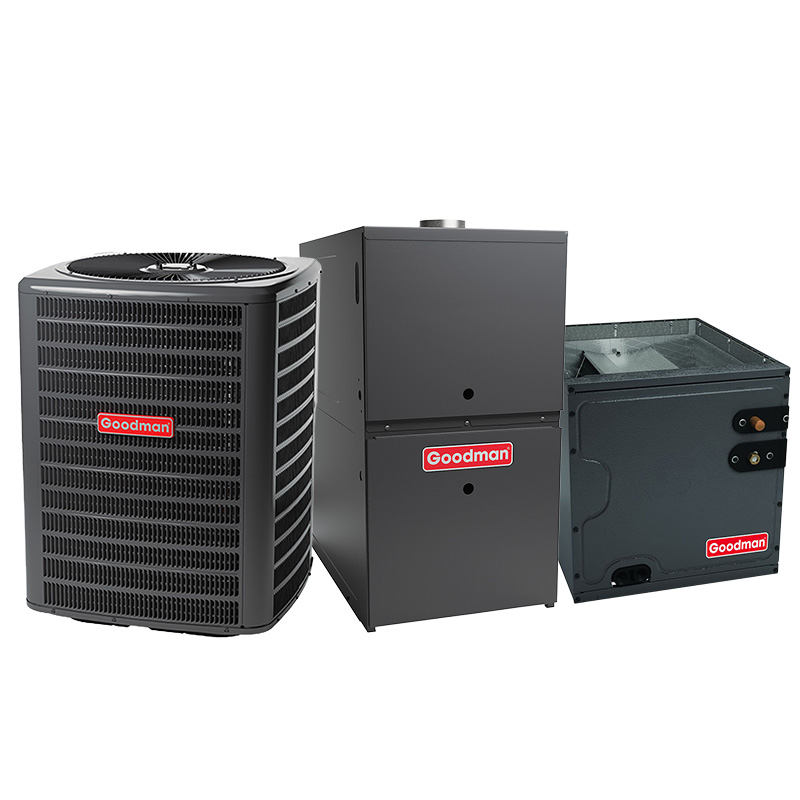
Goodman 2 Ton 17.5 SEER2 Dual Fuel Hybrid Heat Pump System – Two Stage Heat Pump & Two Stage Variable Speed 80000 BTU Gas Furnace, 80% AFUE, Upflow, R32
View on AC Direct see your lowest price →Check current price on AC Direct →
Key features
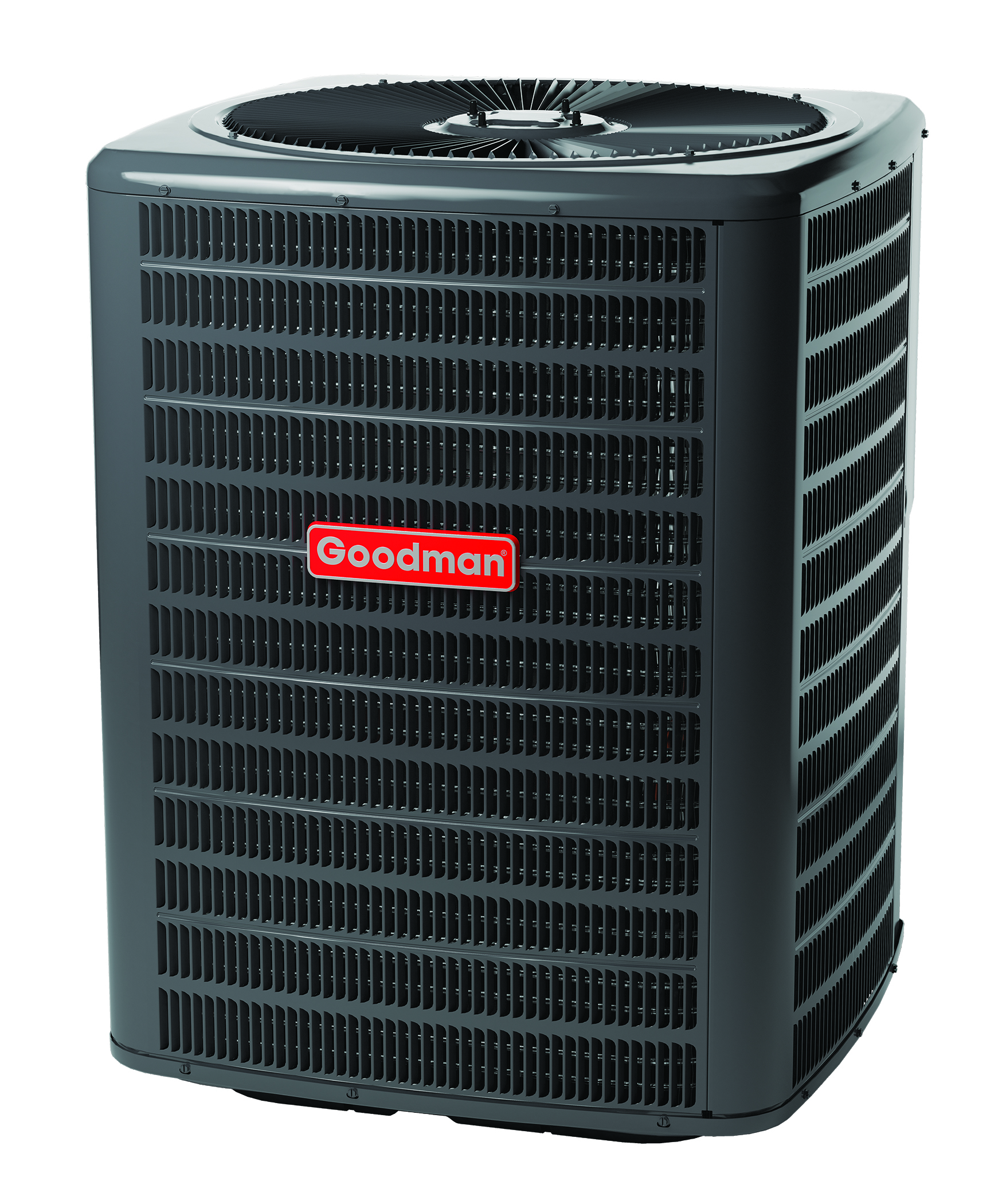
- 17.5 SEER2 two-stage heat pump with R-32 refrigerant for reduced environmental impact
- Dual fuel hybrid design automatically switches between electric heat pump and gas furnace based on outdoor temperature
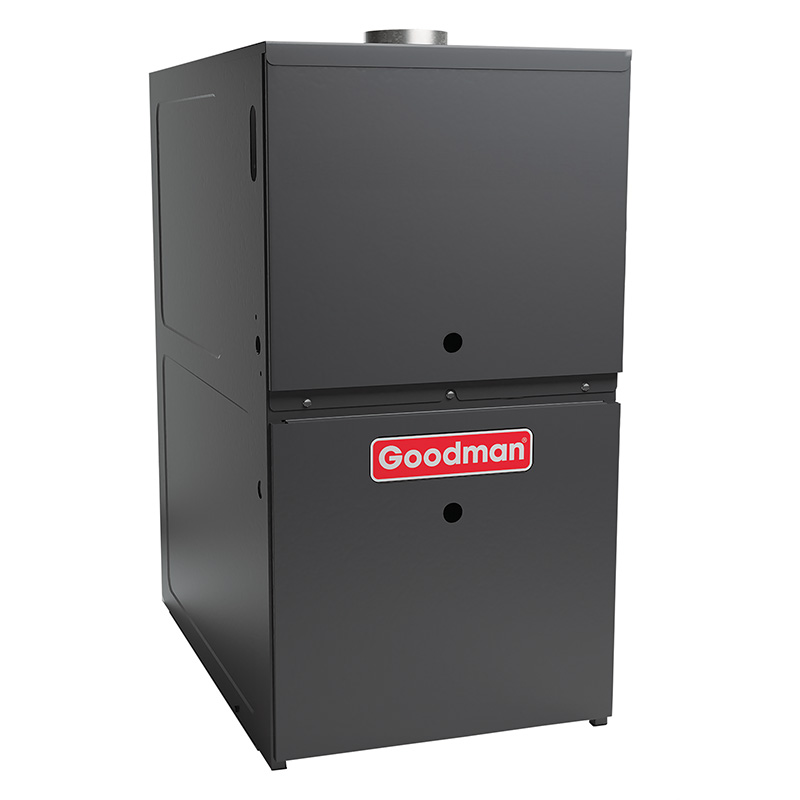
- Two-stage, variable-speed 80,000 BTU gas furnace rated at 80% AFUE
- Upflow configuration for basements and installations with overhead duct systems
- Two-stage compressor reduces short-cycling and improves humidity control versus single-stage units
- Goodman value pricing, typically 15 to 25 percent below comparable Trane, Lennox, and Carrier equipment
About this system
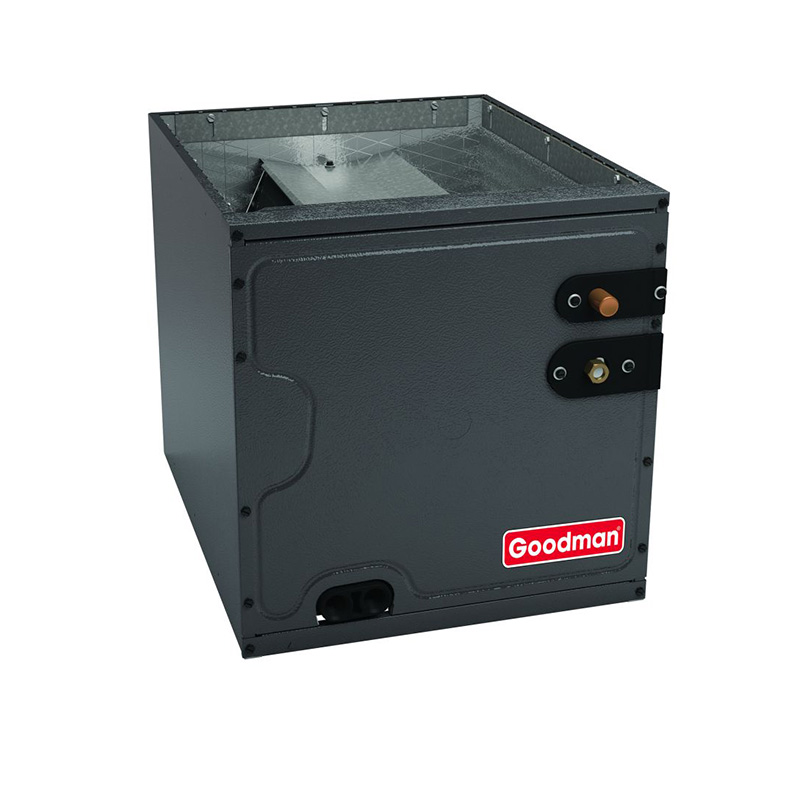
The Goodman 2-ton 17.5 SEER2 dual fuel hybrid system pairs a two-stage R-32 heat pump with a two-stage, variable-speed 80,000 BTU gas furnace rated at 80% AFUE. The hybrid configuration is the core appeal here: the heat pump handles heating efficiently during mild weather, and the furnace takes over automatically when outdoor temperatures drop to a point where gas becomes more cost-effective. For homeowners in mixed or colder climates who already have a gas line, this kind of switchover logic can meaningfully reduce utility bills compared to running a heat pump alone through a hard winter.
The 17.5 SEER2 rating lands solidly in the upper-mid efficiency tier, clearing the federal minimums for most U.S. regions and qualifying for potential energy-efficiency tax credits under current federal guidelines. Two-stage operation on both units allows the system to run at a lower capacity most of the time, reducing short-cycling, evening out indoor temperatures, and cutting humidity better than a single-stage setup. The move to R-32 refrigerant is worth noting: it has a lower global warming potential than the R-410A it replaces and is increasingly the industry standard going forward. At 2 tons, this system is sized for smaller homes or individual zones, typically in the 800 to 1,200 square foot range depending on insulation and climate.
The upflow furnace configuration means the unit pulls air from the bottom and discharges it upward through supply ducts, which suits basements, utility closets, or any installation where ductwork runs above the equipment. Buyers should confirm their existing duct layout matches before ordering, since retrofitting to a different airflow direction adds labor cost and complexity. Overall, this package targets budget-conscious homeowners in transitional climates who want a capable, fuel-flexible system without paying premium-brand prices.
This Goodman dual fuel system delivers genuine efficiency and fuel-switching flexibility at a price point that is hard to match from premium brands. The trade-offs are real: Goodman's documented failure modes, including capacitor failures, evaporator coil leaks, and compressors that tend to top out earlier than premium competitors, mean long-term ownership costs can close the initial price gap. Buyers who invest in a quality installation and budget for a service plan are the most likely to get full value from this system.
Overall score is the average of the five ratings above.
What we like
- Dual fuel hybrid logic reduces heating costs in climates where temperatures regularly swing below heat pump efficiency thresholds
- 17.5 SEER2 rating offers meaningful cooling efficiency and supports federal energy-efficiency tax credit eligibility
- Two-stage operation on both the heat pump and furnace cuts short-cycling and improves comfort and dehumidification
- R-32 refrigerant carries a lower global warming potential than R-410A and aligns with the industry's direction
- Upfront cost is typically 15 to 25 percent below comparable Trane, Lennox, or Carrier dual fuel packages
Trade-offs
- 80% AFUE is the low end of current furnace efficiency; a 96% AFUE unit would recover more heat from every therm of gas over the system's lifetime
- Compressor lifespan averages 10 to 14 years in documented owner experience, shorter than the 15 to 20 years more common with premium brands
- Dual-run capacitor failures are the most frequently reported repair, typically costing 300 to 600 dollars, and tend to appear after several years of use
- Evaporator coil leaks appear in a meaningful share of owner reviews, and a minority of owners report refrigerant leaks within the first year, usually tied to installation or charge issues
What homeowners and pros say about Goodman
Homeowners who buy Goodman equipment tend to split into two camps, and this dual fuel system is no exception. Those who had the unit properly commissioned by an experienced contractor, with refrigerant charge verified and the dual fuel balance point correctly set, generally report solid early performance and appreciate the lower purchase price. Goodman’s Google dealer review average of around 3.8 out of 5 reflects that satisfaction, with affordability cited most often as the reason buyers chose the brand. The ConsumerAffairs picture is harder: Goodman scores roughly 2.5 out of 5 on that platform, a channel that skews toward frustrated owners, and the recurring story there is repair costs that start climbing around year seven and beyond, which is consistent with what the brand’s documented failure modes suggest.
HVAC technicians who work on Goodman equipment regularly point to a few recurring issues worth knowing before you buy this specific system. Dual-run capacitor failures are the most commonly reported repair across Goodman heat pumps, typically a quick fix in the 300 to 600 dollar range but one that can repeat over the system’s life. Evaporator coil leaks appear in a meaningful share of owner accounts and carry a higher repair bill. On the compressor side, Goodman units tend to average 10 to 14 years of service life in documented owner experience, compared to 15 to 20 years that premium brands more commonly achieve. A minority of owners have also reported refrigerant leaks within the first year, which technicians generally attribute to installation or initial charge issues rather than a factory defect. The consistent professional advice: invest in a skilled, licensed installer for this system, because how it is set up matters as much as the hardware itself.
Sources: ConsumerAffairs Goodman owner reviews, AHRI Directory of Certified Product Performance, U.S. DOE appliance and equipment efficiency standards, Goodman product specification sheets.
What it costs to run
At 17.5 SEER2, cooling this 2-ton system for a typical 1200-hour cooling season at the U.S. average electricity rate of $0.17/kWh works out to roughly $280 per year in cooling, about $85 less per year than a minimum-efficiency 13.4 SEER2 unit of the same size. Your real cost depends on your climate and local rate.
Method: (24,000 BTU/hr ÷ 17.5 SEER2) × 1200 hours ÷ 1000 × $0.17/kWh. Rate source: U.S. EIA average; cooling hours: moderate-climate estimate.
How it compares
| Brand | Comparable model | SEER2 | Stage | Price position |
|---|---|---|---|---|
| Goodman | 2 Ton 17.5 SEER2 Dual Fuel Hybrid (This System) | 17.5 | Two-stage heat pump / Two-stage furnace | Value pick |
| Carrier | Performance Series Dual Fuel (25HPB / 59TP6) | 17+ (varies by config) | Two-stage | Typically 15 to 25 percent more than this Goodman package |
| Trane | XR17 Dual Fuel with S9V2 Furnace | 17+ (varies by config) | Two-stage | Typically 15 to 25 percent more than this Goodman package |
| Lennox | Dave Lennox Signature XP17 Dual Fuel with SLP98V Furnace | 17+ (varies by config) | Two-stage / Variable | Typically 15 to 25 percent more than this Goodman package |
Competitor rows are comparable single-stage units at similar efficiency; price is relative position, not a quote.
Questions about this system
At what outdoor temperature does the system switch from the heat pump to the gas furnace?
The switchover temperature, often called the balance point, is typically set during installation and can be adjusted in the thermostat controls. Most installers configure dual fuel systems to switch to gas somewhere between 30 and 40 degrees Fahrenheit, but the right setting depends on your local gas rates versus electricity rates and should be dialed in by your technician at startup.
Does this system qualify for the federal energy-efficiency tax credit?
The heat pump component at 17.5 SEER2 meets the efficiency threshold that current federal guidelines use for the 25C tax credit. You should verify the credit limits and requirements with a tax professional, since the furnace's 80% AFUE rating may not independently qualify for additional credits on its own.
Why is the furnace only 80% AFUE instead of 90% or higher?
In a dual fuel hybrid setup, the furnace runs less frequently than in a conventional gas-only system because the heat pump handles mild-weather heating loads. Some buyers accept the 80% AFUE trade-off because the furnace's reduced run time limits the efficiency penalty in practice. That said, if you live in a very cold climate where the furnace runs heavily, a higher AFUE option would pay back the price difference faster.
How complicated is installation compared to a standard split system?
Dual fuel hybrid systems require a technician to coordinate two separate fuel sources, set the balance point, verify refrigerant charge on the heat pump side, and confirm the control wiring between all components communicates correctly. This is a more involved installation than a standard heat pump or furnace alone, and Goodman equipment in particular is documented to perform significantly better when installed by an experienced technician. Budget for a licensed HVAC contractor with dual fuel experience.
What is the most common repair I should expect, and what does it cost?
Based on documented owner experience with Goodman equipment, dual-run capacitor failure is the most frequently reported issue and typically runs 300 to 600 dollars to repair. Evaporator coil leaks are also reported in a meaningful share of owner reviews and carry a higher repair cost. Keeping up with annual maintenance and enrolling in a service plan can help catch early signs of either problem.
Specifications
| Cooling capacity | 2 Ton |
| Efficiency | 17.5 SEER2 |
| Furnace output | 80000 BTU |
| Furnace efficiency | 80% AFUE |
| Configuration | Upflow |
| Refrigerant | R-32 |