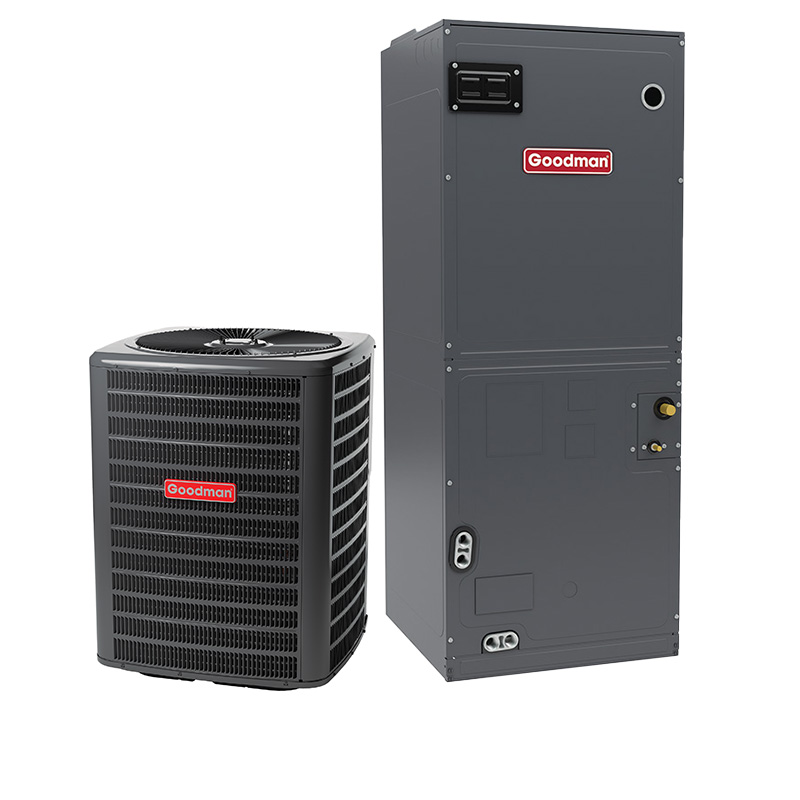
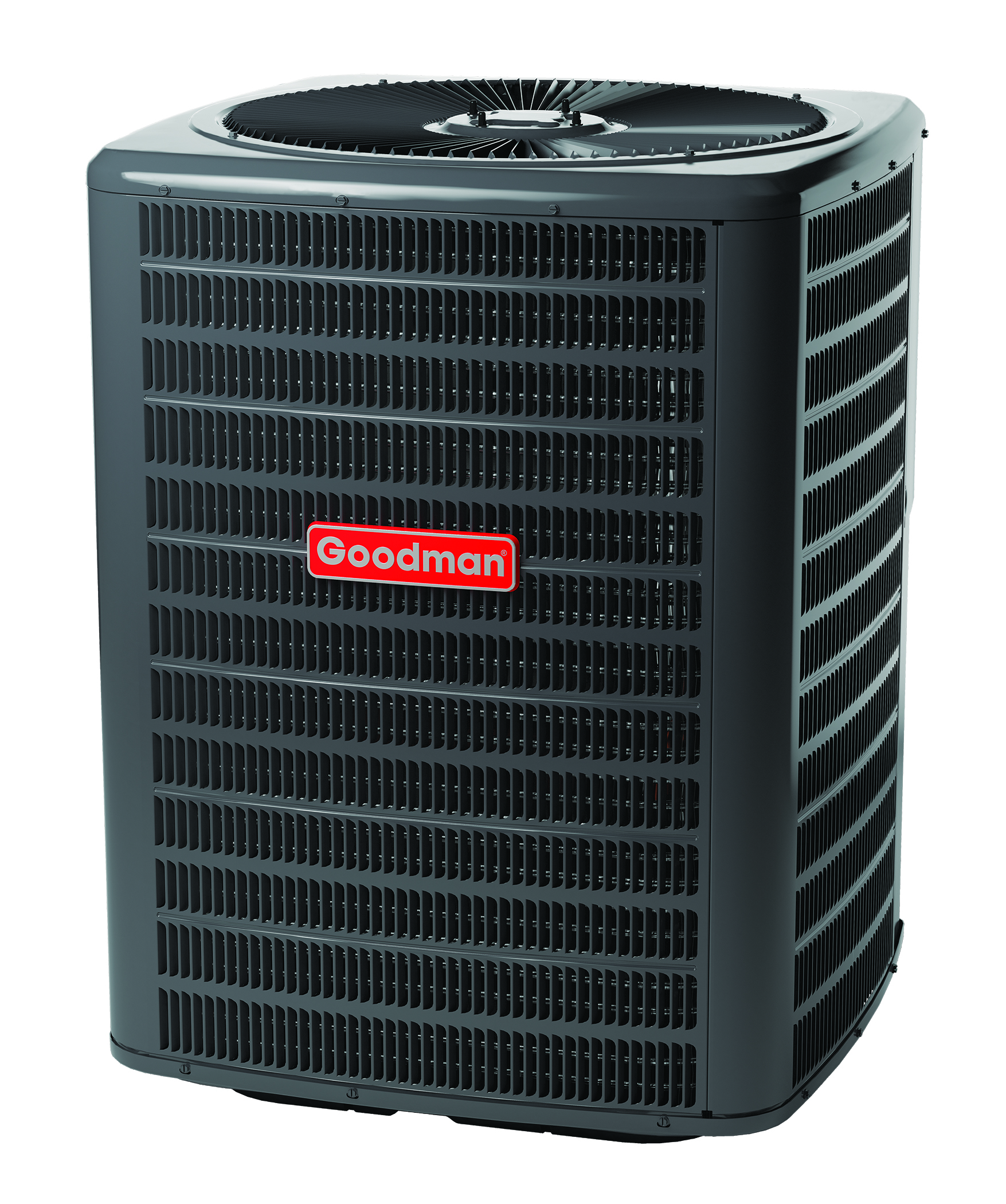
Goodman 2 Ton 17.5 SEER2 R32 High-Efficiency Two Stage Cooling Only System
View on AC Direct see your lowest price →Check current price on AC Direct →
Key features
- 17.5 SEER2 two-stage compressor for reduced humidity and lower operating costs on mild days
- R-32 refrigerant with roughly two-thirds lower global warming potential than R-410A
- Two-stage operation runs at reduced capacity most of the time, cutting short-cycle wear
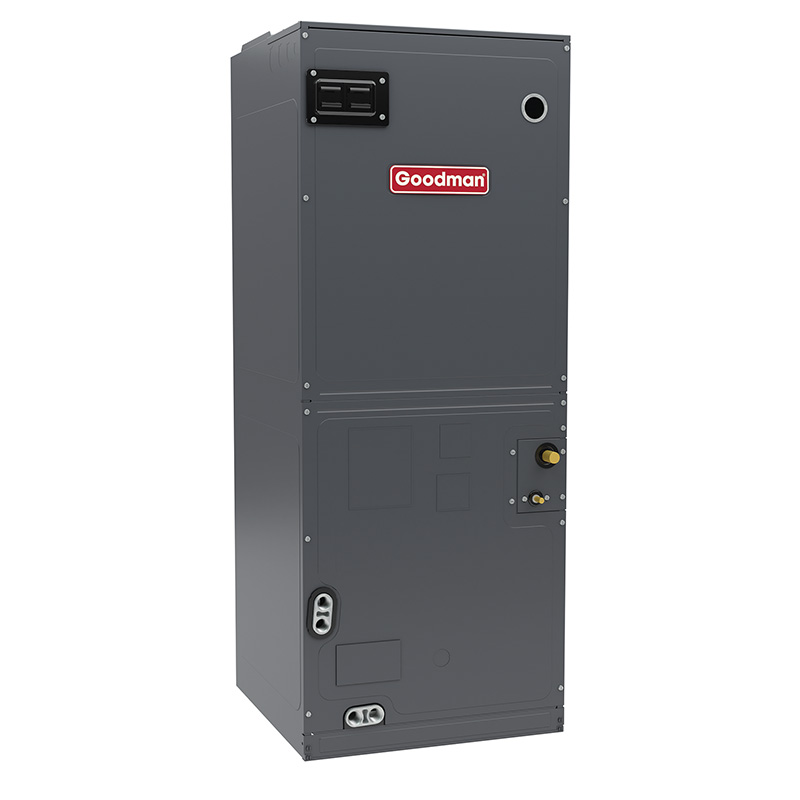
- Cooling-only configuration pairs with a separate air handler or evaporator coil
- Priced approximately 15 to 25 percent below comparable Trane, Lennox, and Carrier units
- Compatible with most programmable and smart thermostats via standard 24V control wiring
About this system
The Goodman 2-ton 17.5 SEER2 two-stage cooling-only system is built for homeowners who want meaningfully above-average efficiency without crossing into premium-brand pricing territory. At 17.5 SEER2, this unit clears the federal minimum by a comfortable margin and qualifies for many utility rebate programs, which can offset a portion of the upfront cost. The two-stage compressor runs at a lower capacity on mild days, reducing short-cycling, cutting humidity better than a single-stage unit, and keeping operating costs lower over a long cooling season.
The switch to R-32 refrigerant is a genuine forward-looking feature. R-32 has a global warming potential roughly two-thirds lower than the R-410A it replaces, and its better thermodynamic properties can support slightly higher real-world efficiency. It is becoming the industry standard, so finding technicians familiar with it will grow easier over time. Because this is a cooling-only system with no furnace component, it pairs with a compatible air handler or coil; buyers need to confirm that match before purchasing, since mismatched coil sizing is one of the more common installation errors on these systems.
This configuration suits moderate climates where a heat pump is unnecessary, or homes that already have gas or electric heat and only need cooling equipment replaced or upgraded. At two tons, it is sized for roughly 900 to 1,200 square feet of well-insulated space, though a proper Manual J load calculation should always guide the final sizing decision.
This system delivers legitimate high-efficiency two-stage cooling at a price point that is hard to match among name-brand equipment. The trade-off is a brand with a mixed long-term reliability record and documented failure modes that buyers should budget for after year seven. It is a reasonable choice when installed correctly by an experienced technician, but it is not a set-and-forget purchase.
Overall score is the average of the five ratings above.
What we like
- 17.5 SEER2 rating is well above minimum standards and supports utility rebate eligibility
- Two-stage operation provides noticeably better humidity control compared to single-stage units
- R-32 refrigerant is lower-impact and increasingly well-supported by technicians
- Purchase price runs 15 to 25 percent below comparable Carrier, Trane, and Lennox equipment
- Two-stage compressor reduces wear during mild weather by running at lower capacity most hours
Trade-offs
- Dual-run capacitor failures are the most commonly reported issue and can begin appearing after year five to seven
- Evaporator coil leaks show up in a meaningful share of long-term owner reports
- Compressor lifespan averages 10 to 14 years versus 15 to 20 years for premium-brand compressors
- A minority of owners report refrigerant leaks within the first year, pointing to sensitivity to install quality
What homeowners and pros say about Goodman
Homeowners who share feedback on Goodman equipment tend to split along a familiar line. Those in the first five to six years of ownership, particularly buyers who prioritized upfront cost, frequently praise the affordability and point out that the equipment cools reliably. That experience lines up with the Google dealer review average of around 3.8 out of 5, where affordability is the most commonly cited positive. The picture shifts in longer-term accounts. ConsumerAffairs carries a much lower score of about 2.5 out of 5, and while that channel skews toward frustrated owners, the recurring theme is repair costs that start climbing after roughly year seven, with dual-run capacitor failures and evaporator coil leaks appearing most often in those complaints.
HVAC technicians who work on Goodman equipment regularly tend to be candid about the brand’s ceiling. The consistent professional view is that install quality is the single biggest variable in how long a Goodman unit lasts, more so than with premium brands that tolerate modest installation imperfections more gracefully. Technicians specifically flag refrigerant charge accuracy and correct coil matching as critical on these systems, citing the documented pattern of first-year refrigerant leaks that trace back to install or charge issues rather than factory defects. Compressor lifespan averaging 10 to 14 years, versus 15 to 20 for Trane or Carrier compressors, is also a point experienced installers raise when a homeowner is weighing the price gap. For this specific two-stage R-32 system, pros note that the two-stage compressor adds a layer of complexity worth discussing with your technician at annual tune-ups.
Sources: ConsumerAffairs Goodman owner reviews, AHRI Directory of Certified Product Performance, U.S. DOE appliance and equipment efficiency standards, Goodman product specification sheets.
What it costs to run
At 17.5 SEER2, cooling this 2-ton system for a typical 1200-hour cooling season at the U.S. average electricity rate of $0.17/kWh works out to roughly $280 per year in cooling, about $85 less per year than a minimum-efficiency 13.4 SEER2 unit of the same size. Your real cost depends on your climate and local rate.
Method: (24,000 BTU/hr ÷ 17.5 SEER2) × 1200 hours ÷ 1000 × $0.17/kWh. Rate source: U.S. EIA average; cooling hours: moderate-climate estimate.
How it compares
| Brand | Comparable model | SEER2 | Stage | Price position |
|---|---|---|---|---|
| Goodman | 2-Ton 17.5 SEER2 R-32 Two-Stage Cooling Only | 17.5 | Two-stage | Value pick |
| Carrier | Performance 17 (24ACC7) Series | 17+ | Two-stage | Typically 15 to 25 percent more than the Goodman |
| Trane | XR17 Series | 17+ | Two-stage | Typically 15 to 25 percent more than the Goodman |
| Lennox | Merit ML17XC2 Series | 17+ | Two-stage | Typically 15 to 25 percent more than the Goodman |
Competitor rows are comparable single-stage units at similar efficiency; price is relative position, not a quote.
Questions about this system
Does this system qualify for the federal energy efficiency tax credit?
To qualify for the 25C residential energy efficiency tax credit, a cooling-only system generally must meet efficiency thresholds set by the IRS and be paired with a qualifying coil. At 17.5 SEER2, this unit is in the range that can qualify, but you should confirm the specific coil and air handler combination meets the published criteria with your installer or a tax professional before purchase.
What air handler or coil does this unit need to be paired with?
Goodman publishes an approved matchup list, and your installer should pull the correct coil or air handler from that list to achieve the rated SEER2 efficiency and keep the warranty intact. Using a mismatched or undersized coil is one of the more common installation errors and can cause early coil failure or refrigerant charge problems.
How does R-32 refrigerant affect service costs compared to R-410A?
R-32 is mildly flammable, so technicians need specific certification to handle it, which is becoming standard as the industry transitions away from R-410A. Refrigerant costs for R-32 are currently comparable to R-410A, and availability is growing. In most markets, service costs should not differ significantly from older R-410A equipment.
What is the realistic lifespan of the compressor in this unit?
Based on the documented Goodman track record, compressors in their two-stage units tend to average 10 to 14 years, which is shorter than the 15 to 20 years commonly seen in premium-brand equipment. Proper installation, correct refrigerant charge, and keeping the outdoor coil clean are the factors most within a homeowner's control for extending that range.
What is the most common repair I should expect to budget for, and how much does it typically cost?
Dual-run capacitor failure is the most frequently reported repair on Goodman equipment, and it typically runs between 300 and 600 dollars including labor. It is generally a straightforward fix when caught promptly, but a failed capacitor left running can stress the compressor, so annual maintenance checks that include capacitor testing are a worthwhile investment.
Specifications
| Cooling capacity | 2 Ton |
| Efficiency | 17.5 SEER2 |
| Refrigerant | R-32 |