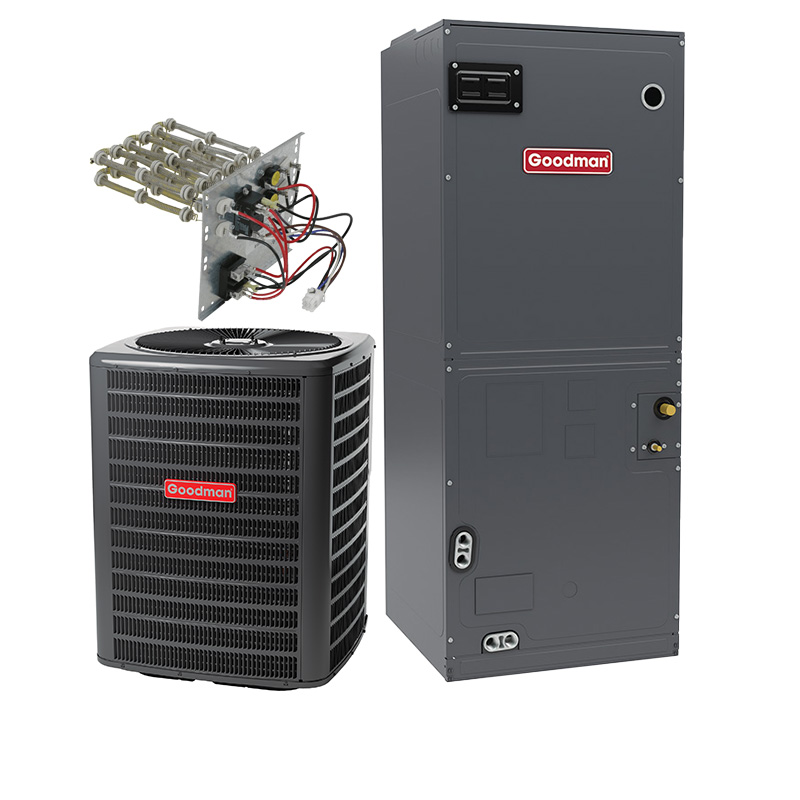
Goodman 2 Ton 17.5 SEER2 R32 Two Stage Cooling Only System With Electric Heat
View on AC Direct see your lowest price →Check current price on AC Direct →
Key features
- 17.5 SEER2 efficiency rating, qualifying for the federal 25C energy tax credit
- Two-stage compressor for improved humidity control and quieter part-load operation
- R-32 refrigerant with roughly 68% lower global warming potential than R-410A
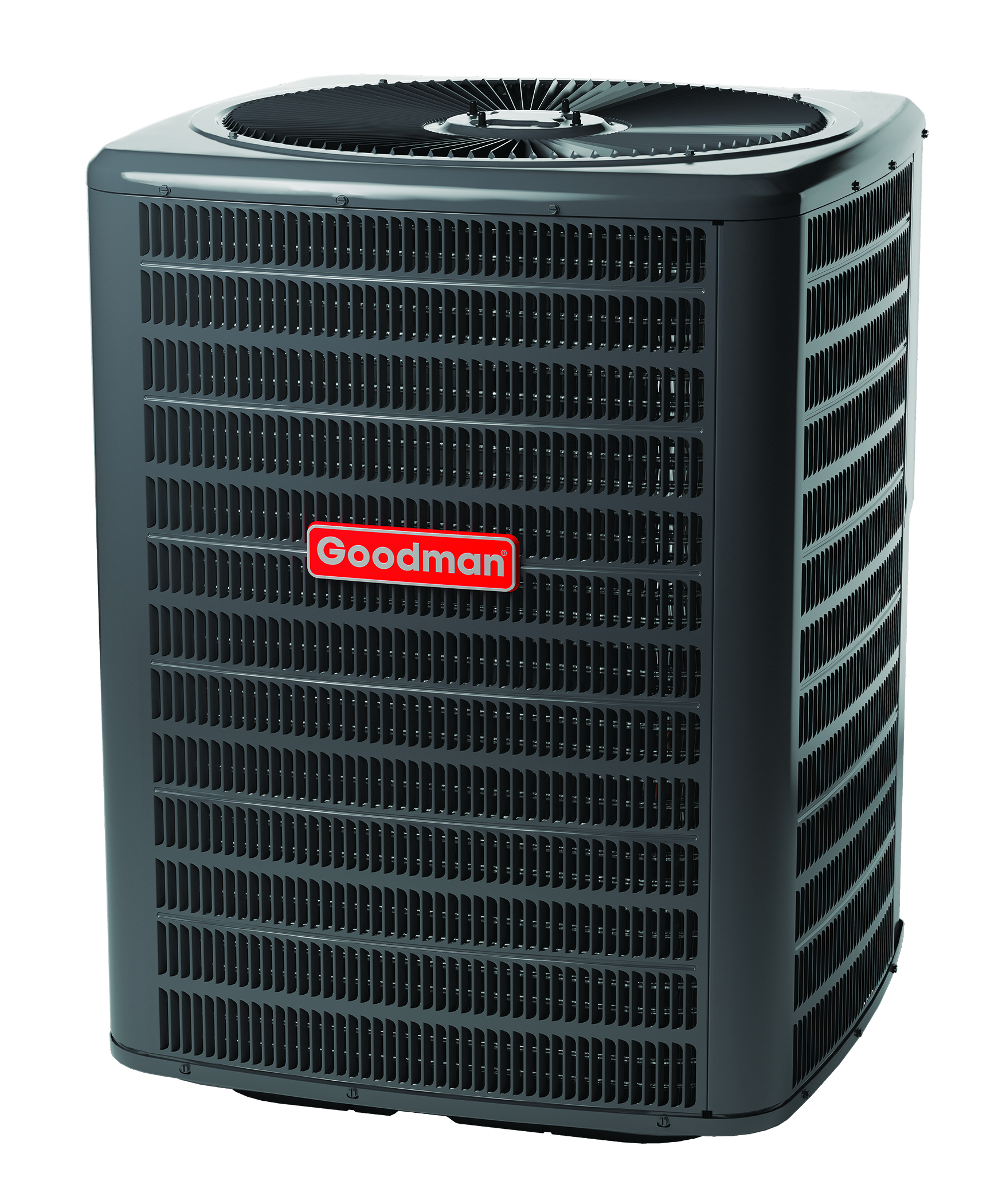
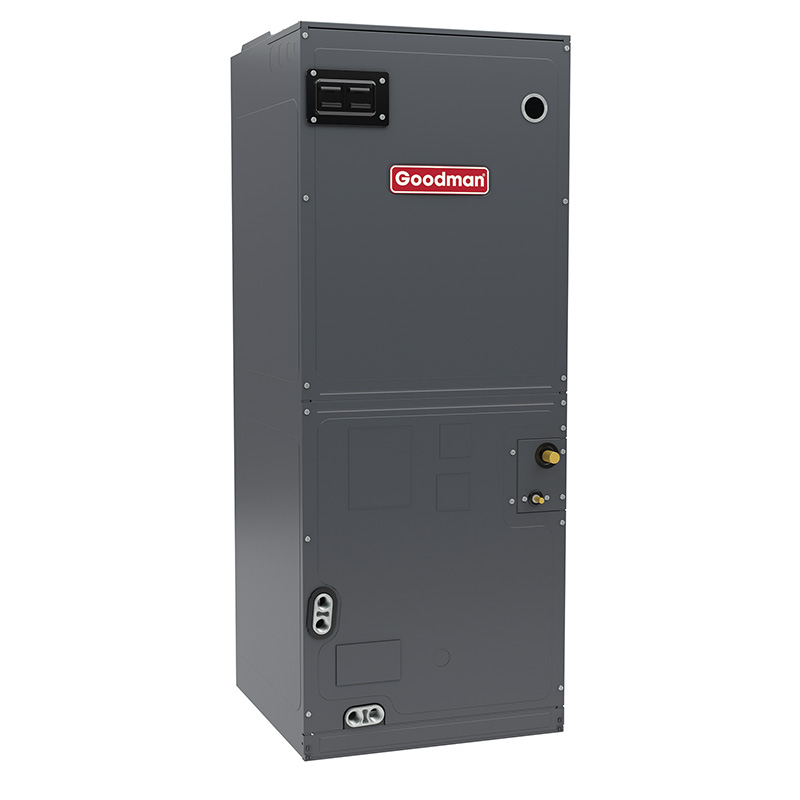
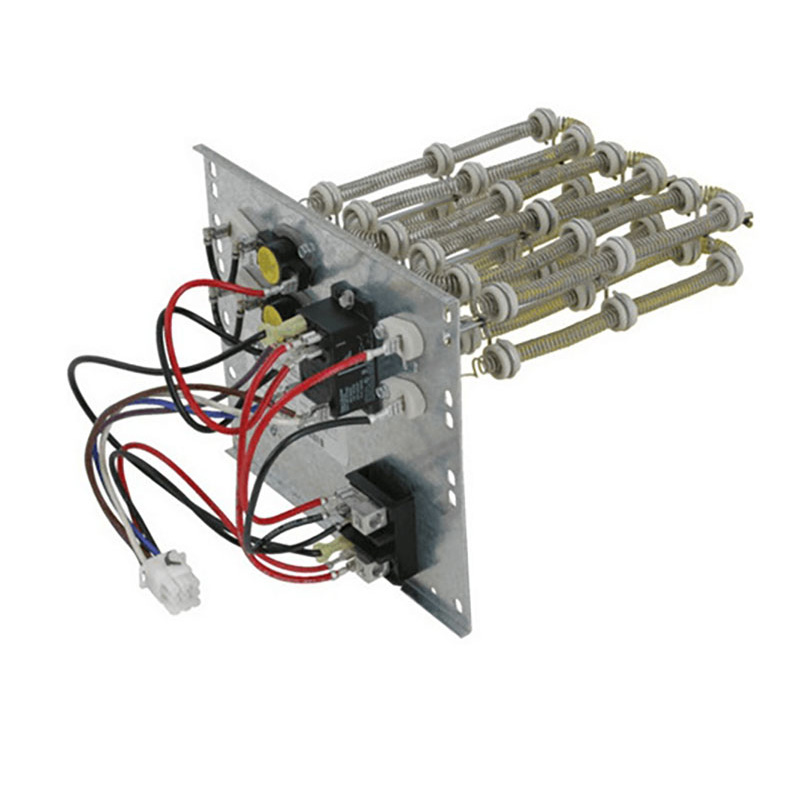
- Cooling-only condensing unit paired with an electric heat air handler, no gas required
- 2-ton capacity suited to homes roughly 800-1,200 sq ft depending on climate and insulation
- Goodman 10-year parts limited warranty when registered within 60 days of installation
About this system
The Goodman 2-ton 17.5 SEER2 two-stage cooling-only system with electric heat is built for smaller homes and tighter floor plans, typically in the 800-to-1,200 square foot range, where a single-stage unit would short-cycle and leave humidity control wanting. Two-stage operation means the compressor runs at a lower capacity on mild days, which keeps the system running longer cycles, pulls more moisture out of the air, and puts less mechanical stress on the compressor over time. The R-32 refrigerant is a meaningful upgrade over older R-410A equipment: it carries a lower global warming potential and, because of its higher energy density, allows manufacturers to use smaller refrigerant charges while maintaining the same cooling output.
At 17.5 SEER2, this unit sits at the upper edge of mid-efficiency territory. It will qualify for the federal 25C tax credit (up to $600 on the outdoor unit) for most homeowners, and it comfortably clears the minimum efficiency thresholds for all U.S. climate zones under the 2023 DOE regional standards. The electric heat side of this package is a straightforward resistance strip arrangement rather than a heat pump, so heating efficiency is not a selling point here. This configuration makes the most sense in mild climates where heating loads are light or where a gas furnace is already handling primary heat and the electric strips serve strictly as backup or supplemental capacity.
This system delivers genuinely competitive efficiency and the comfort benefits of two-stage operation at a price that undercuts Carrier, Trane, and Lennox by a meaningful margin. The trade-offs are real: Goodman's documented failure modes, including dual-run capacitor failures and evaporator coil leaks, mean ongoing maintenance costs can erode some of that upfront savings over a 10-to-15-year horizon. How well it holds up depends heavily on who installs it and how well they charge and commission it.
Overall score is the average of the five ratings above.
What we like
- 17.5 SEER2 is strong efficiency for the price tier, delivering real utility bill savings over a basic 14 SEER2 system
- Two-stage operation meaningfully improves humidity removal compared to single-stage alternatives at similar price points
- R-32 refrigerant is more environmentally responsible and easier to work with in future service calls
- Purchase price typically runs 15-25% below comparable Carrier, Trane, or Lennox two-stage equipment
- 10-year parts warranty (registered) is competitive and matches what premium brands offer on their base lineups
Trade-offs
- Dual-run capacitor failures are the most commonly reported issue, typically adding a $300-$600 repair bill within the first decade
- Evaporator coil leaks appear in a notable share of owner reviews, a potentially costly repair once the system is out of warranty
- Compressor longevity averages 10-14 years versus 15-20 years for premium-brand compressors, shortening the realistic equipment life
- Electric resistance heat is inefficient for primary heating; operating costs in cold climates will be high without a separate heat source
What homeowners and pros say about Goodman
On ConsumerAffairs, Goodman lands around 2.5 out of 5, a score pulled down by owners who found repair costs climbing after roughly year 7, with dual-run capacitor failures and evaporator coil leaks appearing as recurring complaints. Google dealer reviews tell a somewhat friendlier story at around 3.8 out of 5, where the word that comes up most often is simply affordable. For this specific two-stage, R-32 system, the pattern is consistent with what Goodman buyers generally report: the equipment delivers on efficiency and comfort when it is properly installed and maintained, but it asks more of the owner and the installer than premium alternatives do.
HVAC technicians are candid about where the risk lives with Goodman gear. The dual-run capacitor is the most frequently replaced component, a repair that runs $300-$600 and is straightforward enough that most service calls resolve it in under an hour. Evaporator coil leaks are a more expensive problem when they surface, and compressor longevity averaging 10-14 years falls noticeably short of the 15-20-year lifespan technicians associate with Trane or Carrier compressors. On the R-32 side, pros note that the single-component refrigerant is actually easier to work with at recharge time than R-410A blends, which is a small but real service advantage as this refrigerant becomes standard. The consensus among technicians is consistent: a well-installed Goodman performs close to its rated specs for a solid first decade, but the long-term math depends on whether the upfront savings offset the higher probability of mid-life component repairs.
Sources: ConsumerAffairs Goodman owner reviews, AHRI Directory of Certified Product Performance, U.S. DOE appliance and equipment efficiency standards, Goodman product specification sheets.
What it costs to run
At 17.5 SEER2, cooling this 2-ton system for a typical 1200-hour cooling season at the U.S. average electricity rate of $0.17/kWh works out to roughly $280 per year in cooling, about $85 less per year than a minimum-efficiency 13.4 SEER2 unit of the same size. Your real cost depends on your climate and local rate.
Method: (24,000 BTU/hr ÷ 17.5 SEER2) × 1200 hours ÷ 1000 × $0.17/kWh. Rate source: U.S. EIA average; cooling hours: moderate-climate estimate.
How it compares
| Brand | Comparable model | SEER2 | Stage | Price position |
|---|---|---|---|---|
| Goodman | 2-Ton 17.5 SEER2 R-32 Two-Stage Cooling Only with Electric Heat | 17.5 | Two-stage | Value pick |
| Carrier | Comfort 16 / Performance 17 Series (24ACC6) | 16-17 | Single-stage | Typically 15-25% more than this Goodman |
| Trane | XR17 Series | 17 | Two-stage | Typically 15-25% more than this Goodman |
| Lennox | Merit 16ACX Series | 16 | Single-stage | Typically 15-25% more than this Goodman |
Competitor rows are comparable single-stage units at similar efficiency; price is relative position, not a quote.
Questions about this system
Will this system work as my only heat source in winter?
It can, but electric resistance strips are the least efficient form of electric heat, running at roughly 100% efficiency versus 200-300% for a heat pump. In climates with extended cold winters, monthly heating bills will be significantly higher than with a heat pump or gas furnace, so most installers recommend this configuration only where heating is a minor seasonal load.
Why does Goodman have such mixed reviews online, and should I be worried?
Goodman scores around 2.5 out of 5 on ConsumerAffairs, but that platform skews heavily toward owners who had problems. Google dealer reviews average closer to 3.8 out of 5, where affordability is the most frequent positive comment. The honest picture is that Goodman equipment works reliably for many owners but does carry documented failure tendencies, particularly dual-run capacitor failures and evaporator coil leaks, at higher rates than premium brands.
What does two-stage actually do differently compared to a single-stage unit at this price?
A single-stage unit runs at full capacity or not at all, which can lead to short cycling on mild days and less effective humidity removal. Two-stage operation lets the compressor run at a lower output for the majority of hours, resulting in longer run cycles that pull more moisture out of the air and generally feel more comfortable indoors. It also puts less wear on the compressor during those low-demand periods.
Is R-32 refrigerant harder or more expensive to service than R-410A?
R-32 is a single-component refrigerant rather than a blend, which actually makes it more straightforward to recover, recycle, and recharge than R-410A. Most HVAC technicians have transitioned to handling R-32, but it is mildly flammable (classified A2L), so some older equipment and some technicians without updated training require extra handling steps. Parts availability is growing rapidly and should not be a meaningful service concern.
How important is the installer, really, for a Goodman system specifically?
Extremely important, and more so than with premium brands that have tighter factory tolerances and more robust diagnostics built in. A minority of Goodman owners report refrigerant leaks within the first year, and most of those trace back to improper installation or incorrect refrigerant charging rather than a factory defect. Getting a technician who is certified, experienced with R-32, and willing to perform a proper Manual J load calculation before sizing the system is the single biggest factor in long-term reliability.
Specifications
| Cooling capacity | 2 Ton |
| Efficiency | 17.5 SEER2 |
| Refrigerant | R-32 |