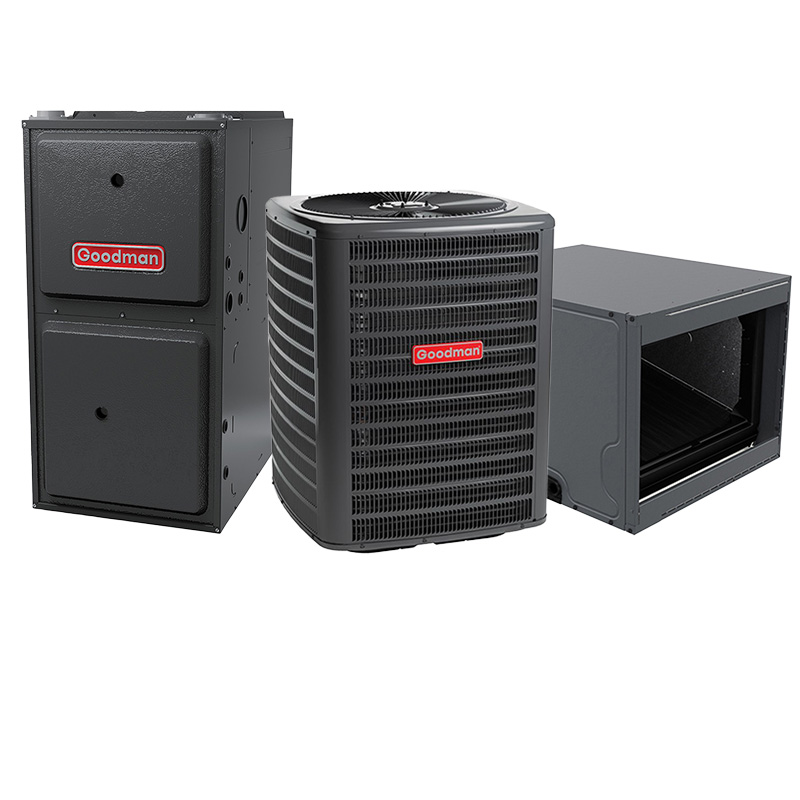
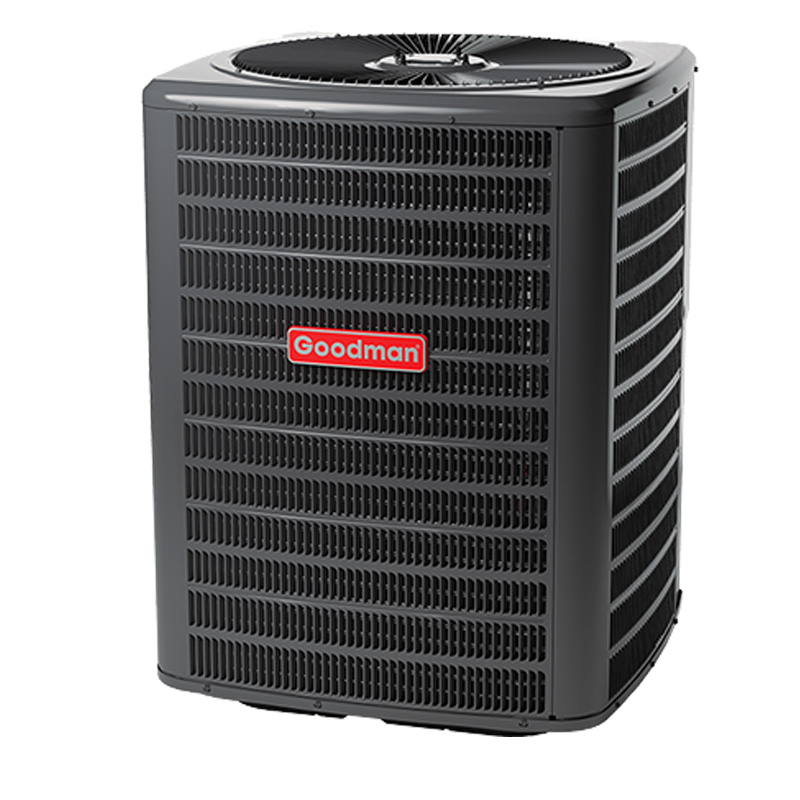
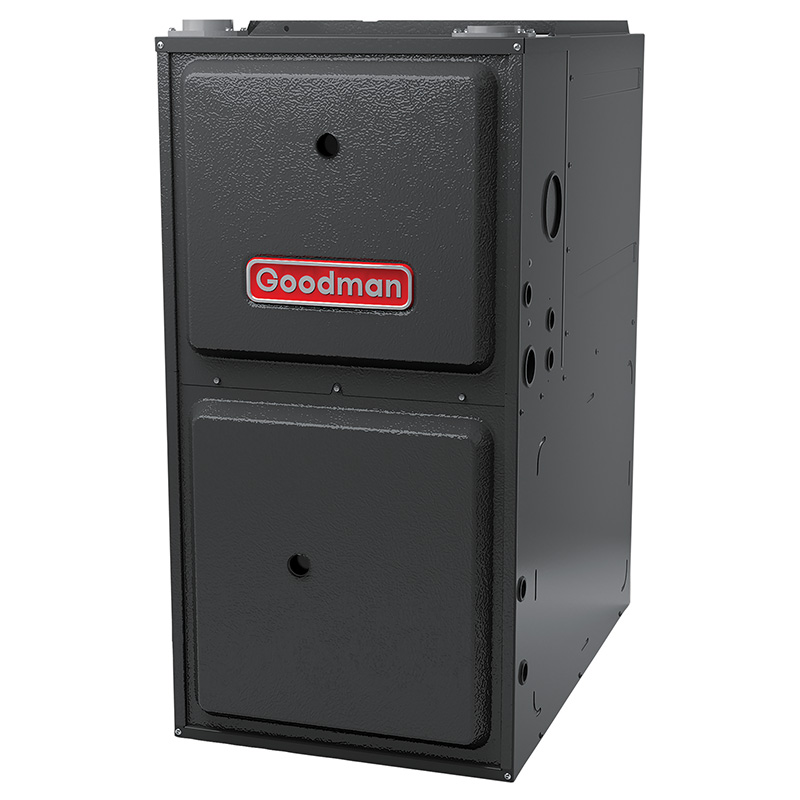
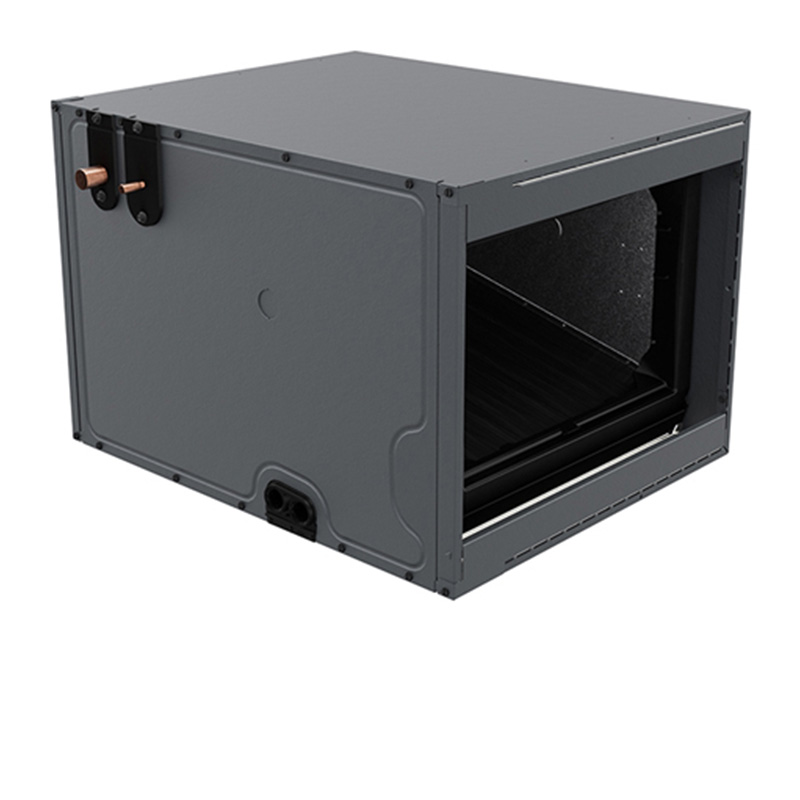
Goodman 2 Ton 15.2 SEER2 R32 AC System with 60,000 BTU 96% AFUE Gas Furnace – California & Colorado Ultra Low NOx, Horizontal, Multi-Speed ECM
View on AC Direct see your lowest price →Check current price on AC Direct →
Key features
- California and Colorado Ultra Low NOx certified on both the AC and furnace
- R-32 refrigerant: lower global warming potential than R-410A, better heat transfer efficiency
- 96% AFUE two-stage gas furnace, reducing heat waste to roughly 4 cents per dollar of gas
- 15.2 SEER2 cooling efficiency, meeting and slightly exceeding current federal minimums
- Multi-speed ECM blower motor for quieter operation and improved humidity management
- Horizontal configuration for attic, crawl space, or side-mount mechanical room installs
About this system
The Goodman 2-ton 15.2 SEER2 R-32 system paired with a 60,000 BTU 96% AFUE gas furnace is engineered specifically for California and Colorado Ultra Low NOx requirements, making it one of the fewer off-the-shelf bundles that ships already compliant with those states’ strict nitrogen oxide emissions rules. The horizontal configuration targets homes where the air handler or furnace must sit on its side, typically in an attic, crawl space, or tight mechanical closet, rather than in a basement or utility room. The multi-speed ECM blower motor improves airflow efficiency and humidity control compared to single-speed motors, and it runs more quietly at lower demand settings.
On the cooling side, 15.2 SEER2 sits just above the federal minimum for most regions and translates to solid but not exceptional operating efficiency. It will cost meaningfully less to run than an older 13 SEER unit, though premium variable-speed systems in the 18-plus SEER2 range will outperform it in both comfort and long-run energy costs. R-32 refrigerant is a meaningful upgrade over the older R-410A it replaces: lower global warming potential, slightly better heat transfer properties, and increasingly common in new equipment as the industry transitions away from R-410A. The 96% AFUE furnace converts 96 cents of every gas dollar into heat, which is a genuine high-efficiency rating suitable for cold-climate use cases in Colorado.
This system suits a smaller home or a zone within a larger home, a 2-ton capacity is generally appropriate for roughly 900 to 1,200 square feet depending on insulation, climate, and sun exposure. It is a strong fit for budget-conscious buyers who need code compliance in California or Colorado without paying the premium that Carrier, Trane, or Lennox charge for equivalent specs. The trade-off is that Goodman’s long-term reliability record lags premium brands, and the horizontal install orientation adds complexity that makes choosing a skilled installer even more important than usual.
This Goodman bundle earns its place as a code-compliant, budget-friendly option for California and Colorado homeowners who need a horizontal system and can't stretch to premium-brand pricing. The specs are honest and capable, but Goodman's documented history of capacitor failures, evaporator coil leaks, and shorter average compressor lifespan mean you're accepting a real reliability trade-off for the upfront savings. Getting a skilled installer and budgeting for a maintenance plan matters more with this brand than it would with Trane or Lennox.
Overall score is the average of the five ratings above.
What we like
- Priced roughly 15 to 25 percent below comparable Carrier, Trane, and Lennox systems
- Ships ready for California and Colorado Ultra Low NOx compliance, no add-ons needed
- R-32 refrigerant is forward-compatible as the industry moves away from R-410A
- 96% AFUE is a genuinely high furnace efficiency rating, suitable for cold Colorado winters
- Multi-speed ECM blower improves comfort and humidity control over basic single-speed units
Trade-offs
- Dual-run capacitors are the most commonly reported failure point, typically around year 7 or sooner
- Evaporator coil leaks appear in a notable share of owner reviews, adding repair cost risk
- Average compressor lifespan of 10 to 14 years trails the 15 to 20 years typical of premium brands
- Horizontal installs are inherently more complex and error-prone, making installer quality critical
What homeowners and pros say about Goodman
Homeowners reviewing Goodman equipment on ConsumerAffairs give the brand roughly 2.5 out of 5 stars, a channel that skews toward people motivated to report problems, and the recurring thread is repair costs that start climbing around year 7. Google dealer reviews land higher, around 3.8 out of 5 across hundreds of reviews per location, where affordability is consistently the most mentioned positive. For this specific horizontal system, the feedback pattern fits what the broader brand data suggests: buyers who got a careful install from an experienced technician tend to report solid early performance, while those who used the lowest-bid installer are more likely to be back on review sites within a few years. The horizontal configuration adds a layer of install complexity that can expose gaps in a technician’s experience faster than a standard upflow setup.
HVAC professionals who work on Goodman equipment regularly point to the dual-run capacitor as the component most likely to need attention first, usually a low-cost fix in the 300 to 600 dollar range but one that shows up more frequently than on premium brands. Evaporator coil leaks are a documented concern in owner accounts and worth monitoring with periodic maintenance checks, especially given that R-32 requires certified handling when a leak occurs. Compressor longevity is the longer-term question: Goodman compressors tend to average 10 to 14 years versus 15 to 20 years on premium equipment, which matters when evaluating the true cost of ownership. For the right buyer in California or Colorado who needs Ultra Low NOx compliance and wants to keep upfront costs down, this system is a reasonable choice, as long as expectations around long-term durability are set honestly from the start.
Sources: ConsumerAffairs Goodman owner reviews, AHRI Directory of Certified Product Performance, U.S. DOE appliance and equipment efficiency standards, Goodman product specification sheets.
What it costs to run
At 15.2 SEER2, cooling this 2-ton system for a typical 1200-hour cooling season at the U.S. average electricity rate of $0.17/kWh works out to roughly $322 per year in cooling, about $43 less per year than a minimum-efficiency 13.4 SEER2 unit of the same size. Your real cost depends on your climate and local rate.
Method: (24,000 BTU/hr ÷ 15.2 SEER2) × 1200 hours ÷ 1000 × $0.17/kWh. Rate source: U.S. EIA average; cooling hours: moderate-climate estimate.
How it compares
| Brand | Comparable model | SEER2 | Stage | Price position |
|---|---|---|---|---|
| Goodman | GSXH502410 + GMVC960603BN (this system) | 15.2 | Multi-speed | Value pick |
| Carrier | Comfort 24ACC636A003 + 58CVA060 | 15.2 | Single-stage | Typically 15 to 25 percent more than this Goodman bundle |
| Trane | XR15 4TTR5024 + S9V2 60,000 BTU | 15.5 | Single-stage | Typically 20 to 30 percent more than this Goodman bundle |
| Lennox | Merit ML15XC1 + ML196E060 | 15.2 | Single-stage | Typically 20 to 30 percent more than this Goodman bundle |
Competitor rows are comparable single-stage units at similar efficiency; price is relative position, not a quote.
Questions about this system
Does this system actually meet California and Colorado Ultra Low NOx rules out of the box, or do I need additional parts?
Yes, this bundle is certified Ultra Low NOx compliant for both states as configured. You do not need to add a separate NOx kit or upgrade the burner. Confirm with your installer that the specific model numbers on the units match the current California Air Resources Board and Colorado approved equipment lists at the time of installation, as lists are periodically updated.
What does horizontal configuration mean and is my situation a good fit?
Horizontal means the furnace is designed to lie on its side, with airflow traveling horizontally rather than up or down. This is typical for attic installs, crawl spaces with limited vertical clearance, and some closet setups. If your existing system sits upright in a basement or utility room, this configuration is not the right match.
R-32 refrigerant is new to me. Is it harder to service or find?
R-32 is increasingly standard and most licensed HVAC technicians are equipped to handle it, though you should confirm your service provider is R-32 certified before booking any future repairs. It is mildly flammable (A2L classification), which requires specific handling procedures but does not create a meaningful safety risk under normal residential service conditions.
What are the most likely repair costs I should plan for over the first 10 years?
Based on Goodman's documented failure patterns, the dual-run capacitor is the most common repair, typically costing 300 to 600 dollars and usually a straightforward fix. Evaporator coil leaks are the more expensive risk, potentially running into the thousands depending on refrigerant costs and labor. Setting aside a small annual maintenance budget and getting the coil inspected periodically is a reasonable precaution.
Is 2 tons the right size for my home, or should I go bigger to be safe?
Oversizing an AC system is a real problem: an oversized unit short-cycles, which increases wear, reduces humidity removal, and raises energy bills. A 2-ton system is generally appropriate for roughly 900 to 1,200 square feet in a well-insulated home, but the right size depends on your climate zone, insulation levels, window area, and ceiling height. Ask your installer to perform a Manual J load calculation before confirming the tonnage.
Specifications
| Cooling capacity | 2 Ton |
| Efficiency | 15.2 SEER2 |
| Furnace output | 60,000 BTU |
| Furnace efficiency | 96% AFUE |
| Configuration | Horizontal |
| Refrigerant | R-32 |