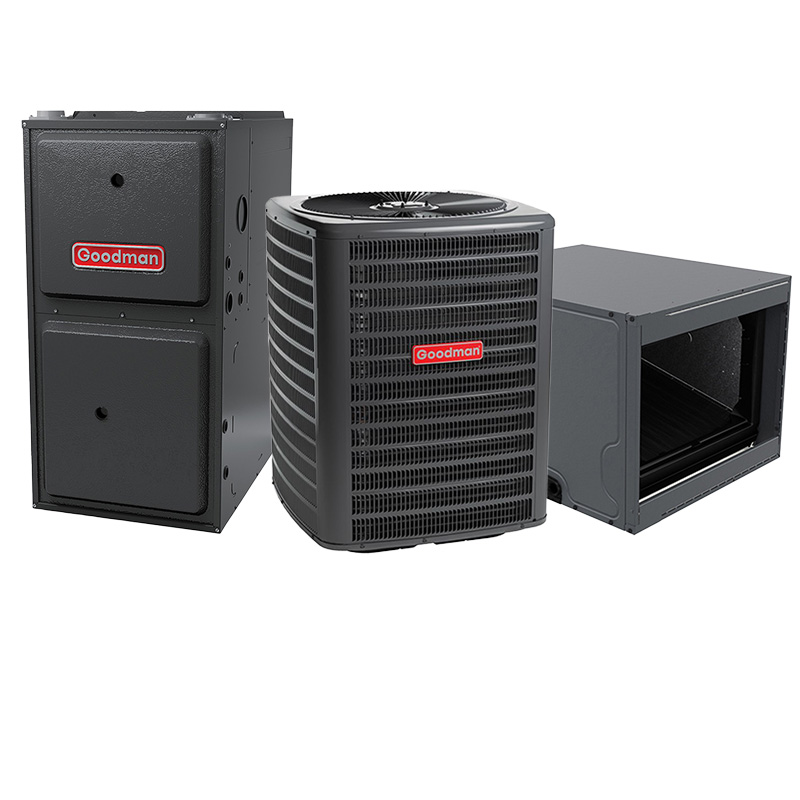
Goodman 2 Ton 15.2 SEER2 R32 AC System with 60,000 BTU 96% AFUE Gas Furnace – California & Colorado Ultra Low NOx, Horizontal, Multi-Speed ECM
View on AC Direct see your lowest price →Check current price on AC Direct →
Key features
- 15.2 SEER2 cooling efficiency meets current federal minimums for most U.S. climate zones
- 96% AFUE gas furnace recovers nearly all combustion heat for low operating costs
- R-32 refrigerant complies with California and Colorado Ultra Low NOx regulations
- Horizontal configuration designed specifically for attic and crawlspace duct layouts
- Multi-speed ECM blower motor reduces electricity use and improves dehumidification
- Factory-matched system simplifies AHJ approval and AHRI-certified performance documentation
About this system
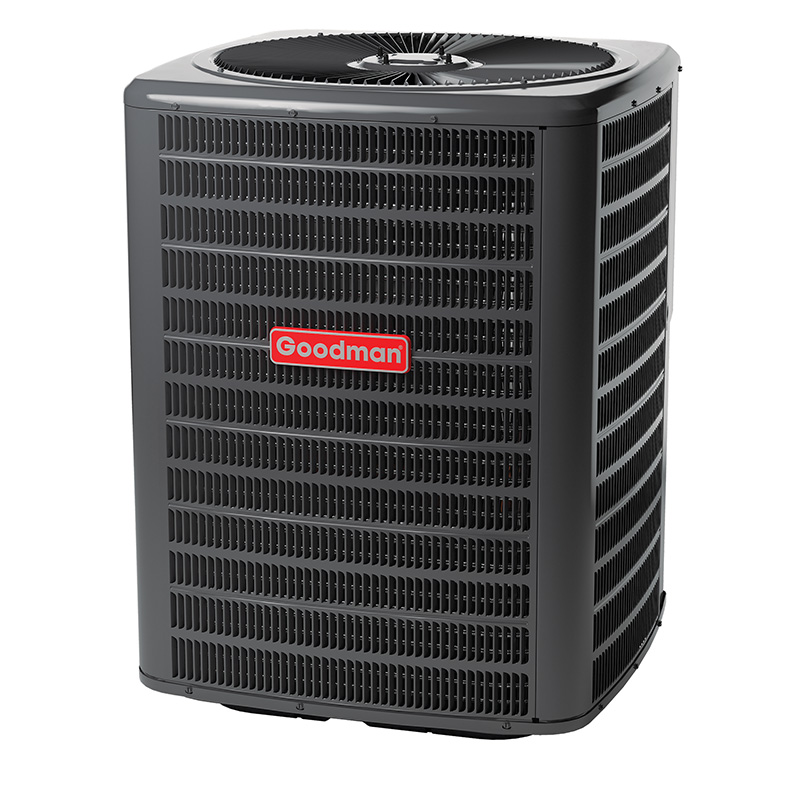
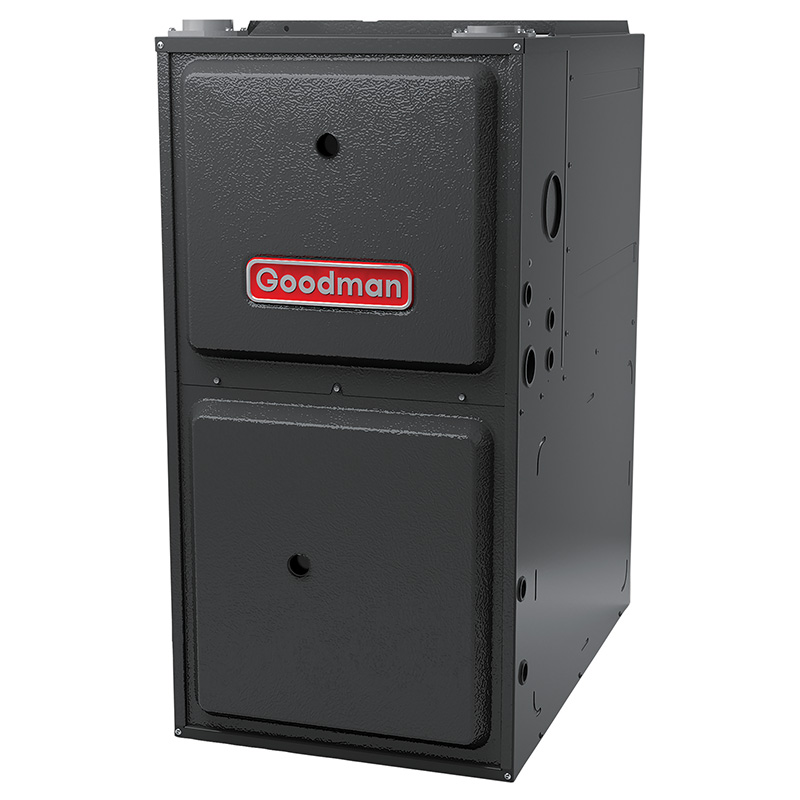
The Goodman GLXS5BA2410 pairs a 2-ton, 15.2 SEER2 air conditioner with a 60,000 BTU, 96% AFUE multi-speed ECM gas furnace in a horizontal configuration, making it purpose-built for attic or crawlspace installations where vertical units simply will not fit. The R-32 refrigerant charge is both lower in global-warming potential than R-410A and compliant with California and Colorado Ultra Low NOx regulations, so this system is one of the few packaged options that clears the air-quality hurdles those states impose on new HVAC installations.
At 15.2 SEER2, this unit sits right at the federal minimum threshold for new equipment in northern climate zones and just above it for southern zones, meaning efficiency is adequate but not exceptional. The 96% AFUE furnace section is genuinely strong, recovering 96 cents of heat energy from every dollar of gas burned, and the multi-speed ECM blower motor reduces electricity draw and improves humidity control compared with a single-speed PSC motor. The horizontal-only configuration is a real constraint: this system is the right answer when attic space demands it, and the wrong answer for virtually every other installation scenario.
This system suits homeowners replacing aging equipment in homes with horizontal duct chases, contractors working in attic-only applications in California or Colorado, and buyers who want to meet current refrigerant and NOx standards without moving to a premium brand. Buyers seeking the lowest possible energy bills or the longest possible service life should weigh the trade-offs of Goodman’s value-tier track record carefully before committing.
The Goodman GLXS5BA2410 delivers a genuinely capable horizontal system for California and Colorado buyers who need R-32 and Ultra Low NOx compliance without a premium-brand price tag. The 96% AFUE furnace and ECM blower are real highlights, but the brand's documented history of capacitor failures, coil leaks, and shorter-than-premium compressor life means long-term ownership costs can erode the upfront savings. It is a reasonable choice when the budget is firm and the installer is experienced.
Overall score is the average of the five ratings above.
What we like
- Priced roughly 15 to 25 percent below comparable Carrier, Trane, and Lennox systems
- 96% AFUE furnace is a top-tier efficiency rating that cuts gas bills meaningfully
- R-32 refrigerant satisfies California and Colorado environmental and NOx requirements
- ECM multi-speed blower improves comfort and lowers fan electricity consumption
- Factory-matched combination simplifies permitting and AHRI rating documentation
Trade-offs
- Dual-run capacitors are the most frequently reported failure point, typically appearing within the first several years of service
- Evaporator coil leaks show up in a meaningful share of owner reports and can be costly to address
- Compressor lifespan averages 10 to 14 years versus 15 to 20 years for premium-brand competitors
- Horizontal-only configuration limits this system to attic or crawlspace installs, ruling it out for most standard applications
What homeowners and pros say about Goodman
Homeowners who have lived with Goodman equipment tend to land in two camps. The first group bought on price, got a working system, and have few complaints through the early years. The second group ran into the brand’s documented weak points: dual-run capacitor failures that, while inexpensive to fix at 300 to 600 dollars, keep showing up on service invoices, and evaporator coil leaks that cost considerably more to address. Goodman’s Google dealer reviews average around 3.8 out of 5 across locations, where the word that shows up most is ‘affordable.’ Its ConsumerAffairs score sits at roughly 2.5 out of 5, a number pulled down by the review channel’s inherent complaint bias and by the real pattern of repair costs escalating after year seven of ownership.
HVAC technicians who install and service Goodman regularly offer a nuanced view. Most will tell you that the install itself determines 60 to 70 percent of how any system performs, and that a well-installed Goodman outperforms a poorly installed Trane. They also note that Goodman’s compressors tend to average 10 to 14 years of service life compared with 15 to 20 years for premium-brand compressors, which matters when you are planning a 20-year ownership horizon. For this specific horizontal system, technicians add that attic installations already run hotter and work the equipment harder, so the margin on component longevity is thinner than in a conditioned mechanical room. The upfront savings are real; the question every buyer has to answer is how much of that savings they are prepared to set aside for potential mid-life repairs.
Sources: ConsumerAffairs Goodman owner reviews, AHRI Directory of Certified Product Performance, U.S. DOE appliance and equipment efficiency standards, Goodman product specification sheets.
What it costs to run
At 15.2 SEER2, cooling this 2-ton system for a typical 1200-hour cooling season at the U.S. average electricity rate of $0.17/kWh works out to roughly $322 per year in cooling, about $43 less per year than a minimum-efficiency 13.4 SEER2 unit of the same size. Your real cost depends on your climate and local rate.
Method: (24,000 BTU/hr ÷ 15.2 SEER2) × 1200 hours ÷ 1000 × $0.17/kWh. Rate source: U.S. EIA average; cooling hours: moderate-climate estimate.
How it compares
| Brand | Comparable model | SEER2 | Stage | Price position |
|---|---|---|---|---|
| Goodman | GLXS5BA2410 | 15.2 | Single-stage | Value pick |
| Carrier | Comfort 24ACC636A003 | 15.2 | Single-stage | Roughly 20 to 25 percent higher than this Goodman |
| Trane | XR15 (4TTR5024) | 15.2 | Single-stage | Roughly 20 to 30 percent higher than this Goodman |
| Lennox | Merit ML14XC1-024 | 15.2 | Single-stage | Roughly 25 to 35 percent higher than this Goodman |
Competitor rows are comparable single-stage units at similar efficiency; price is relative position, not a quote.
Questions about this system
Why does this system say 'horizontal only' and can I install it vertically if I really need to?
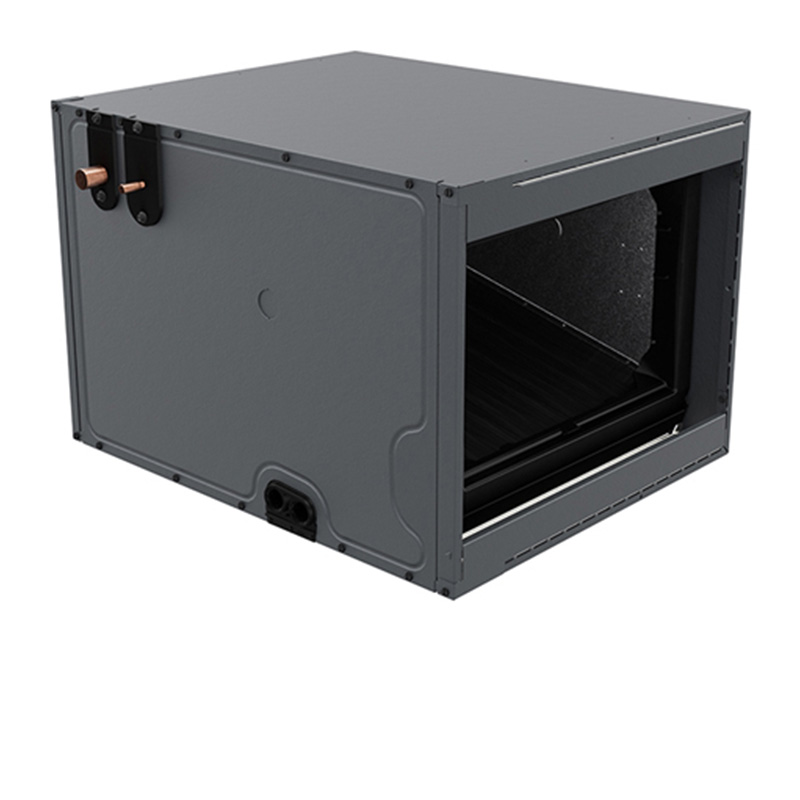
The GLXS5BA2410 is engineered with a horizontal drain pan and coil orientation specific to attic or crawlspace installations where the unit lies on its side. Installing it in a vertical orientation is not supported by the manufacturer and will cause condensate drainage problems and potential coil damage. If you need a vertical installation, you will need a different model in Goodman's lineup.
What does Ultra Low NOx compliance actually mean for me as a California or Colorado buyer?
California's South Coast AQMD and several Colorado districts prohibit the installation of new gas furnaces that exceed specific nitrogen oxide emission limits. This system's furnace meets those stricter thresholds, so it can legally be installed in affected districts where a standard furnace would be rejected at permit. If you are outside those regulated zones the compliance still does no harm, but it is the reason this particular model exists.
What is R-32 refrigerant and is it safe to have in my home?
R-32 is a single-component refrigerant with a global-warming potential roughly 68 percent lower than R-410A, which is why regulators in California and Colorado are encouraging its adoption. It is mildly flammable under specific lab conditions but is classified A2L, meaning it requires ignition energy that is not realistically present in a normal residential installation. HVAC technicians certified to handle A2L refrigerants are required for service, which may slightly narrow your pool of local service options compared with R-410A systems.
Goodman's ConsumerAffairs score is only about 2.5 out of 5. Should that worry me?
ConsumerAffairs reviews skew heavily toward owners who had problems, so a 2.5 there does not mean most owners are dissatisfied. The recurring complaint in those reviews is repair costs climbing after roughly year seven, particularly around capacitors and evaporator coils, which aligns with Goodman's documented failure modes. Google dealer reviews average closer to 3.8 out of 5, where affordability is the most common praise. Taking both together, the realistic picture is a system that runs well early on but may need more maintenance attention in the back half of its life than premium alternatives.
What is the most likely repair I will face, and how much will it cost?
Dual-run capacitor failure is the most commonly reported issue with Goodman equipment and is typically a straightforward repair in the 300 to 600 dollar range depending on your market and the service call fee. Evaporator coil leaks are less common but more expensive and show up in a meaningful share of owner reports. A refrigerant leak in the first year is usually an installation or initial charge issue rather than a component defect, which is why choosing an experienced installer matters as much as the equipment itself.
Specifications
| Cooling capacity | 2 Ton |
| Efficiency | 15.2 SEER2 |
| Furnace output | 60,000 BTU |
| Furnace efficiency | 96% AFUE |
| Configuration | Horizontal |
| Refrigerant | R-32 |
| Model | GLXS5BA2410 |