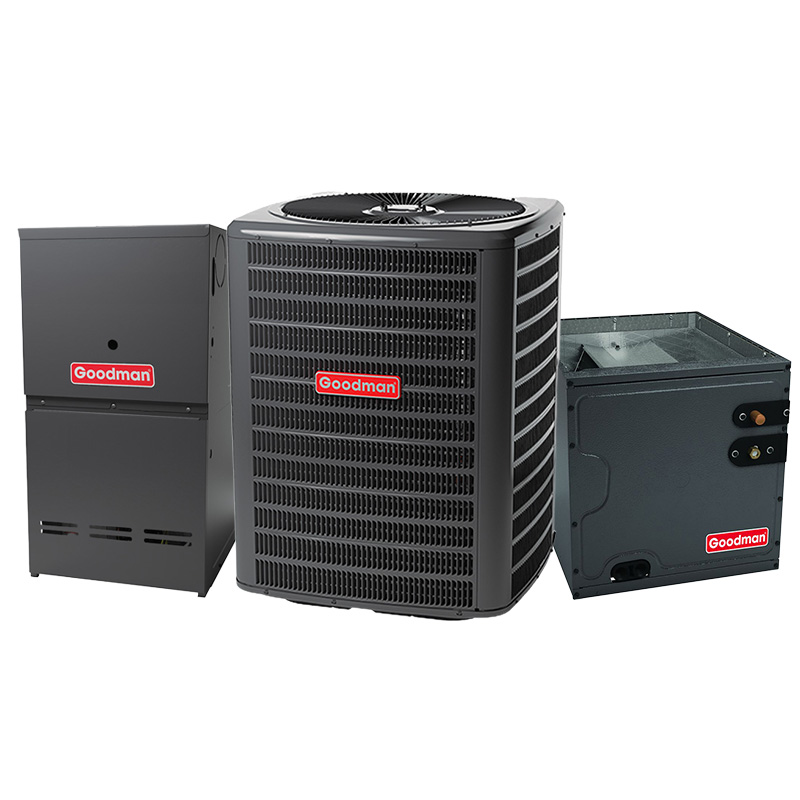
Goodman 2 Ton AC And 60000 BTU 80% AFUE Gas Furnace System | 14.5 SEER2 AC | Multi-Speed ECM Low NOx Furnace | Downflow | R32
View on AC Direct see your lowest price →Check current price on AC Direct →
Key features
- 2-ton cooling capacity rated at 14.5 SEER2, meeting current federal minimum efficiency standards
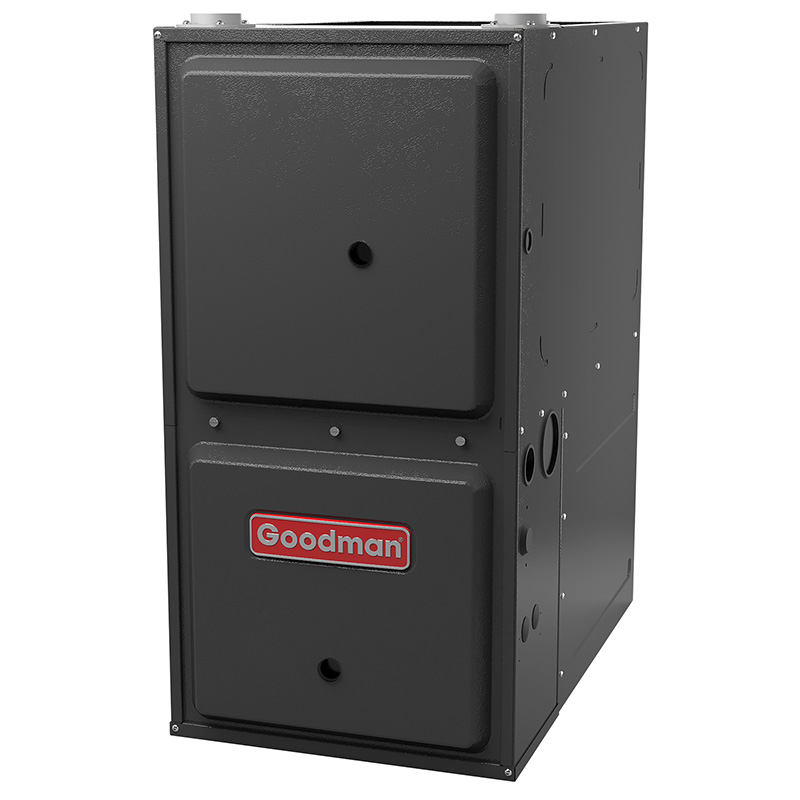
- 60,000 BTU output, 80% AFUE gas furnace for entry-level heating efficiency
- Downflow configuration directs conditioned air downward, suited to above-floor mechanical rooms
- Multi-speed ECM blower motor reduces electricity use and lowers indoor noise versus single-speed PSC motors
- R-32 refrigerant with lower global warming potential than legacy R-410A systems
- Goodman 10-year parts limited warranty on registered equipment (registration required within 60 days of install)
About this system
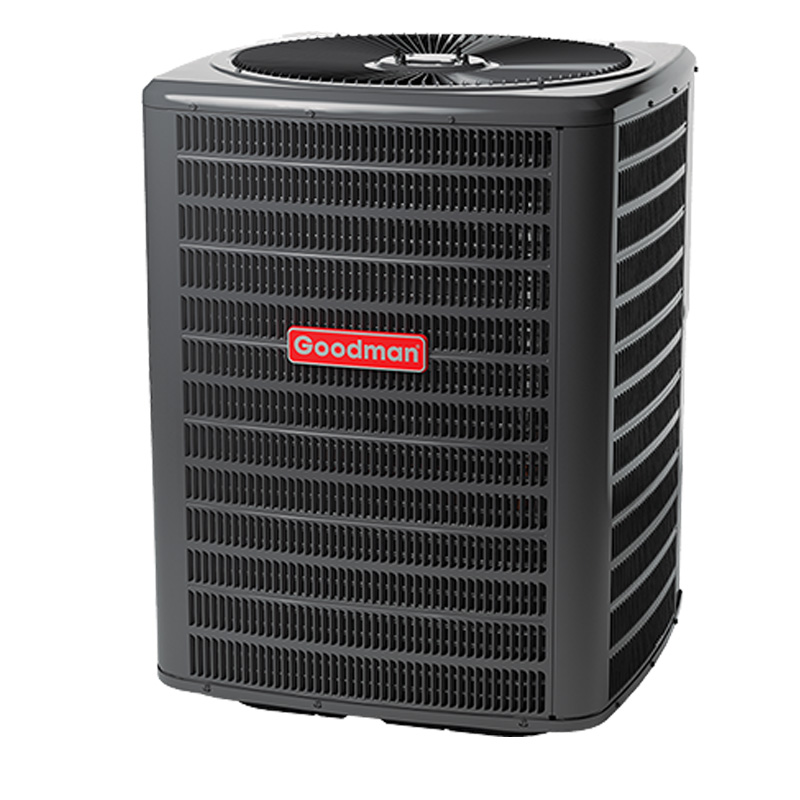
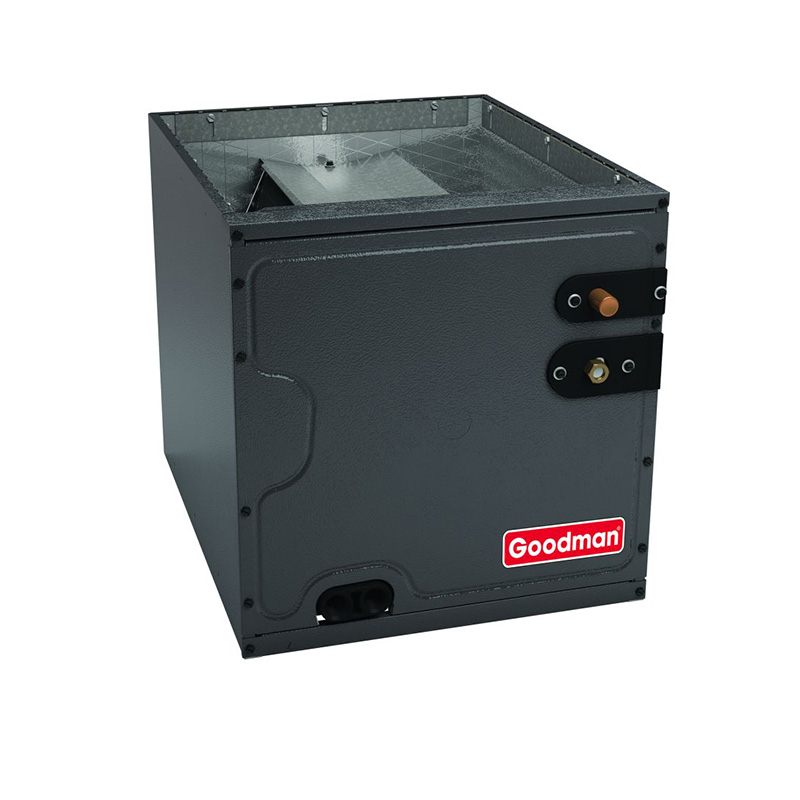
This Goodman bundle pairs a 2-ton, 14.5 SEER2 central air conditioner with a 60,000 BTU, 80% AFUE gas furnace in a downflow configuration, making it a practical choice for homes where the air handler sits above the living space and blows conditioned air downward, common in homes with basement or closet mechanical rooms that feed floor registers. The R-32 refrigerant charge is a meaningful forward-looking detail: R-32 has a lower global warming potential than the older R-410A it is replacing across the industry, and servicing costs are unlikely to spike due to refrigerant phase-outs in the near term.
On paper, 14.5 SEER2 clears the current federal minimum efficiency standards and will keep cooling bills reasonable without the premium price of a 16 or 18 SEER2 system. The 80% AFUE furnace is the entry tier for gas heat, meaning one-fifth of combustion energy exits as exhaust. Homeowners in mild-to-moderate heating climates will find that acceptable; those in cold northern climates where the furnace runs hard from October through April may want to price a 96% AFUE upgrade before committing. The multi-speed ECM blower motor does add comfort and quiet operation compared to a single-speed PSC motor, and it keeps blower electricity costs lower year-round.
This Goodman system delivers a straightforward, code-compliant cooling and heating bundle at a price point that is genuinely hard to match from premium brands. It is not a high-efficiency powerhouse, and its long-term reliability depends heavily on who installs it and how well it is maintained, but for budget-focused buyers in moderate climates it represents a workable value. Expect a competent 10-to-12-year service life with proper upkeep, not the 15-to-20-year ceiling of premium competitors.
Overall score is the average of the five ratings above.
What we like
- Purchase price runs roughly 15 to 25 percent below comparable Carrier, Trane, and Lennox bundles
- 14.5 SEER2 meets current federal standards and provides adequate efficiency for most climates
- Multi-speed ECM blower improves comfort and lowers fan electricity costs versus basic single-speed motors
- R-32 refrigerant reduces future regulatory and supply-chain risk compared to R-410A systems
- 10-year registered parts warranty provides reasonable coverage for a value-tier brand
Trade-offs
- 80% AFUE furnace wastes 20% of fuel as exhaust heat, a real cost in cold climates with long heating seasons
- Compressor lifespan averages 10 to 14 years versus 15 to 20 years for premium-brand compressors
- Documented owner reports of evaporator coil leaks and, in a minority of cases, refrigerant leaks in year one that typically trace back to install or charge issues
- Dual-run capacitors are the most common failure point, and overall reliability leans heavily on installer quality rather than factory build alone
What homeowners and pros say about Goodman
Homeowners who review Goodman equipment on ConsumerAffairs give the brand roughly 2.5 out of 5 stars, a score that reflects the platform’s tendency to attract complaints more than praise. The recurring pattern in those reviews is not early catastrophic failure but rather rising repair costs after year 7, with capacitor replacements and, less commonly, evaporator coil leaks driving frustration. Google dealer reviews tell a more balanced story, averaging around 3.8 out of 5 across hundreds of location-level reviews, where the most consistent theme is that the price made the system accessible to homeowners who could not stretch to a Trane or Carrier budget. Neither set of ratings points to a premium-reliability product, but neither suggests a lemon either.
HVAC technicians tend to give Goodman a pragmatic assessment: the equipment is serviceable, the parts are easy to source, and dual-run capacitor swaps are among the most routine calls they make on these units. Where pros grow critical is on compressor longevity, noting that Goodman compressors tend to run 10 to 14 years in real-world conditions compared to the 15-to-20-year ceiling they see from higher-tier brands. A small but documented share of owners report refrigerant leaks in the first year, and technicians consistently attribute those to installation or initial charge issues rather than factory defects, reinforcing the consensus that installer quality matters as much as the equipment itself when buying at this price tier.
Sources: ConsumerAffairs Goodman owner reviews, AHRI Directory of Certified Product Performance, U.S. DOE appliance and equipment efficiency standards, Goodman product specification sheets.
What it costs to run
At 14.5 SEER2, cooling this 2-ton system for a typical 1200-hour cooling season at the U.S. average electricity rate of $0.17/kWh works out to roughly $338 per year in cooling, about $27 less per year than a minimum-efficiency 13.4 SEER2 unit of the same size. Your real cost depends on your climate and local rate.
Method: (24,000 BTU/hr ÷ 14.5 SEER2) × 1200 hours ÷ 1000 × $0.17/kWh. Rate source: U.S. EIA average; cooling hours: moderate-climate estimate.
How it compares
| Brand | Comparable model | SEER2 | Stage | Price position |
|---|---|---|---|---|
| Goodman | GSXH502410 + GCVC8 / GDS8 series (this system) | 14.5 | Single-stage | Value pick |
| Carrier | Comfort 14 (24ACC4) series with 58MCA furnace | 14.3-14.5 | Single-stage | Typically 15 to 25 percent more than this Goodman bundle |
| Trane | XR14c with S8B1 80% AFUE furnace | 14.3-15.0 | Single-stage | Typically 15 to 25 percent more than this Goodman bundle |
| Lennox | Merit ML14XC1 with ML180 80% AFUE furnace | 14.3-15.0 | Single-stage | Typically 15 to 25 percent more than this Goodman bundle |
Competitor rows are comparable single-stage units at similar efficiency; price is relative position, not a quote.
Questions about this system
Does the downflow configuration mean this system won't work in a typical attic installation?
Correct. Downflow furnaces discharge air from the bottom and are designed for installations where the unit sits above the duct system, such as a main-floor closet or a platform over floor registers. Attic installations almost always require an upflow or horizontal unit. Confirm your duct orientation with your installer before purchasing.
Is R-32 refrigerant harder or more expensive to service than R-410A?
Not significantly. R-32 is widely available, and most certified HVAC technicians can handle it with standard recovery equipment. It is mildly flammable (A2L classification), so techs need to follow updated safe-handling procedures, but this is becoming routine as the industry transitions away from R-410A.
What is the most likely repair I will face in the first 10 years with this system?
Based on documented owner experience, dual-run capacitor failure is the most common issue with Goodman AC units and is typically a straightforward repair costing roughly 300 to 600 dollars including labor. Evaporator coil leaks are a secondary concern worth asking your installer about sealing and leak-testing at startup.
Should I upgrade to a 96% AFUE furnace instead of the 80% unit in this bundle?
If you live in a climate where the furnace runs consistently from late fall through early spring, the fuel savings from a 96% AFUE unit can offset its higher upfront cost over several years. In mild or mixed climates with shorter heating seasons, the payback period stretches out and the 80% unit may be adequate. Run the numbers with your installer using your actual heating degree days and local gas prices.
Do I need to register the equipment to get the 10-year parts warranty?
Yes. Goodman requires product registration within 60 days of installation to qualify for the 10-year limited parts warranty. Without registration, coverage typically drops to 5 years on parts. Keep your installation paperwork and register promptly through Goodman's website or your installing contractor.
Specifications
| Cooling capacity | 2 Ton |
| Efficiency | 14.5 SEER2 |
| Furnace output | 60000 BTU |
| Furnace efficiency | 80% AFUE |
| Configuration | Downflow |
| Refrigerant | R-32 |