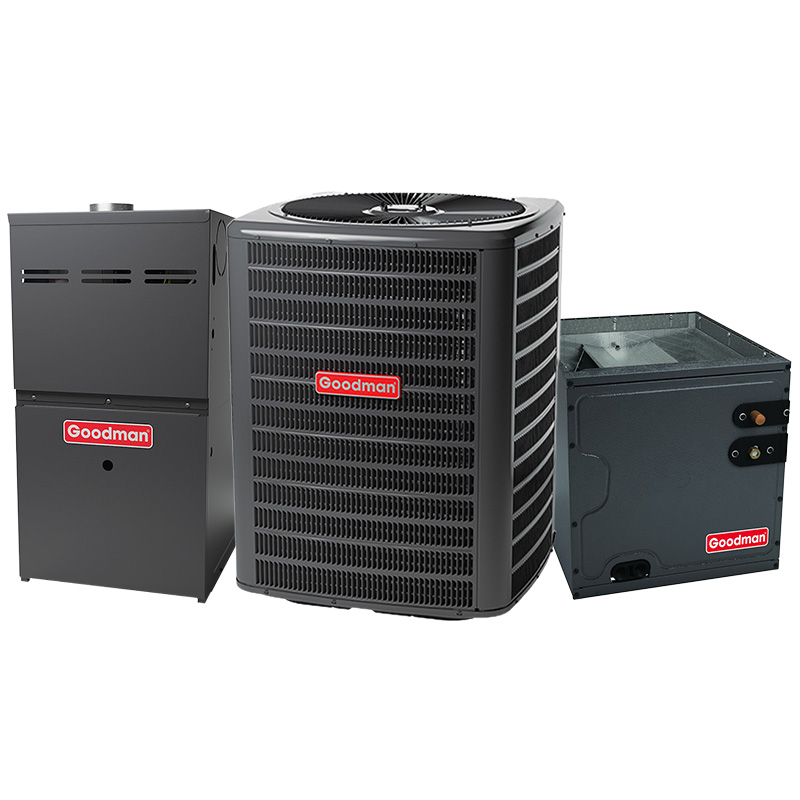
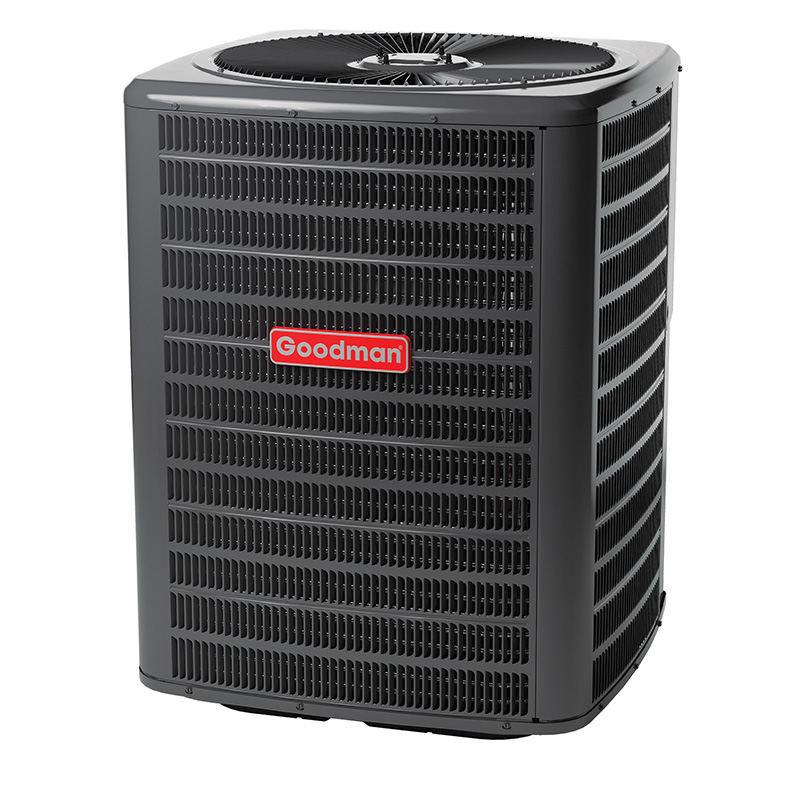
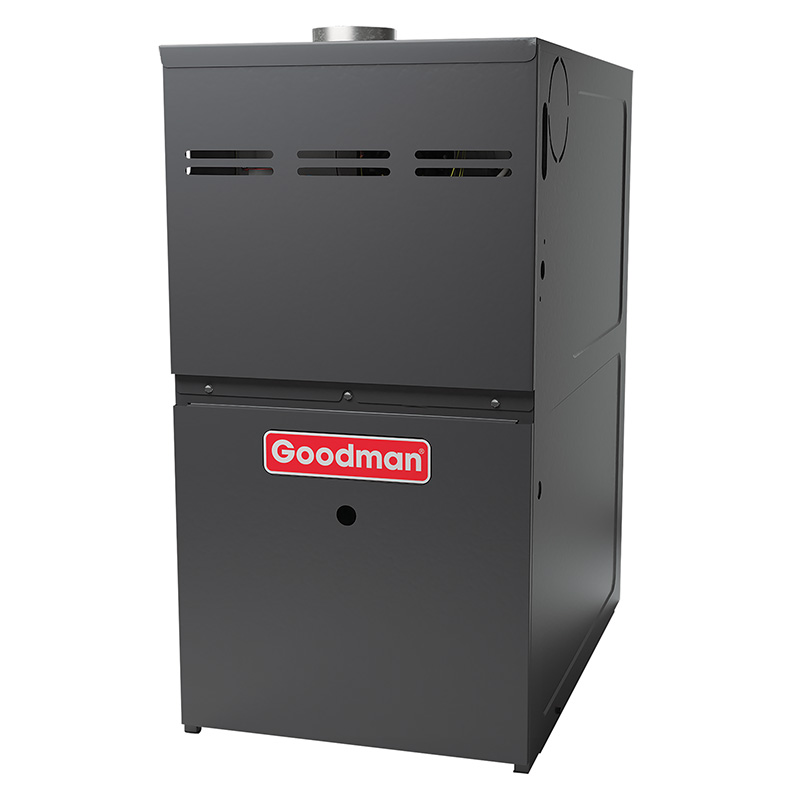
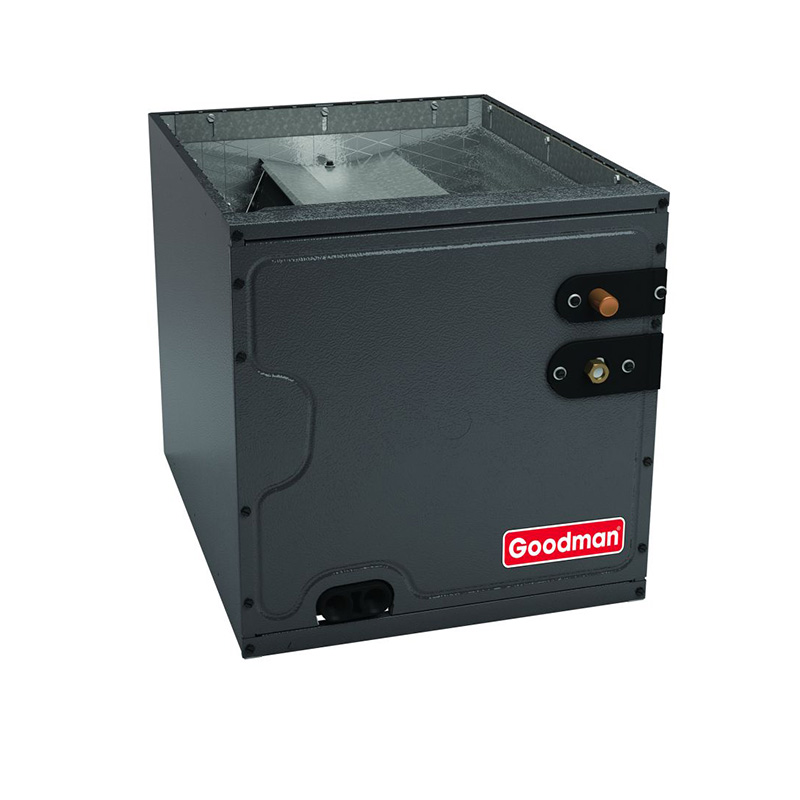
Goodman 2 Ton AC And 60000 BTU 80% AFUE Gas Furnace System | 16 SEER2 AC | Multi-Speed ECM Low NOx Furnace | Upflow | R32
View on AC Direct see your lowest price →Check current price on AC Direct →
Key features
- 2-ton cooling capacity with 16 SEER2 efficiency rating
- 60,000 BTU output at 80% AFUE for single-stage gas heating
- Multi-speed ECM blower motor for quieter, more even airflow and lower fan electricity use
- Upflow configuration suits basement or closet installations with overhead ductwork
- R-32 refrigerant with lower global-warming potential than R-410A
- Low NOx burner meets California and other strict regional air-quality standards
About this system
The Goodman 2-ton, 16 SEER2 air conditioner paired with a 60,000 BTU 80% AFUE multi-speed ECM gas furnace is a straightforward, budget-conscious system aimed at smaller homes and milder climates where a two-ton load is appropriate. The 16 SEER2 rating lands at the lower edge of mid-efficiency territory, which meets federal minimums in most northern regions and sits just above the floor in many southern ones. It will not deliver the operating-cost savings of an 18 or 20 SEER2 system, but it costs meaningfully less upfront, and for homeowners who heat primarily with gas rather than cooling for long seasons, the payback math on higher efficiency equipment can stretch out considerably.
The furnace side uses a multi-speed ECM (electronically commutated motor) blower, which is a genuine upgrade over older PSC motors: it draws less electricity, ramps more gradually, and tends to distribute air more evenly. The 80% AFUE rating means one-fifth of fuel energy exits through the flue, so if your winters are long or your gas rates are high, a 96% AFUE modulating furnace would cut heating bills noticeably. The upflow configuration suits installations where the air handler sits in a basement, closet, or utility room with supply ductwork above it. R-32 refrigerant has a lower global-warming potential than the older R-410A it is replacing across the industry, and it operates at similar pressures, so certified technicians should have no trouble servicing it. The Low NOx designation on the furnace burner meets California and other strict regional air-quality requirements.
This system makes the most sense for a buyer replacing aging equipment in a smaller home who wants a working, warrantied system without paying a premium brand markup. It is not the right pick for someone who wants the longest possible compressor life, the lowest possible utility bills over a decade, or a manufacturer with a polished service-call track record.
This Goodman bundle delivers a functional, code-compliant system at a price point that is genuinely 15 to 25 percent below comparable Carrier, Trane, and Lennox equipment. The ECM motor and R-32 refrigerant are modern touches, but the 80% AFUE furnace and entry-level SEER2 rating mean ongoing operating costs will be higher than mid- or high-efficiency alternatives. Buyers willing to invest in a careful installation and keep up with maintenance can get solid years of service; those expecting premium-brand durability without the premium-brand price will likely be disappointed around year seven and beyond.
Overall score is the average of the five ratings above.
What we like
- Substantially lower upfront cost versus Carrier, Trane, and Lennox at comparable efficiency
- Multi-speed ECM blower improves comfort and cuts fan electricity versus standard PSC motors
- R-32 refrigerant is the industry-forward choice with a lower environmental footprint
- Low NOx burner satisfies strict regional air-quality requirements including California
- Widely available parts network keeps repair costs manageable when common components like capacitors fail
Trade-offs
- 80% AFUE means higher annual gas bills compared to 95 to 96% AFUE alternatives, especially in cold climates
- 16 SEER2 is near the efficiency floor in warmer regions where longer cooling seasons make the payback gap more significant
- Compressor lifespan averages 10 to 14 years versus 15 to 20 years for premium brands, meaning earlier replacement costs
- Documented evaporator coil leak and early refrigerant leak issues make installation quality and post-install leak checks critically important
What homeowners and pros say about Goodman
Homeowners who post about Goodman systems online tend to split into two camps, and the split usually comes down to installation quality rather than the equipment itself. On ConsumerAffairs, Goodman scores around 2.5 out of 5, and that channel skews toward people who had a bad experience, with the recurring theme being repair costs that start climbing noticeably after roughly year seven. The specific failure modes that come up most consistently are dual-run capacitor failures, which are a relatively affordable fix in the 300 to 600 dollar range, and evaporator coil leaks, which are more disruptive and expensive. Compressor longevity is another honest concern: Goodman compressors tend to average 10 to 14 years versus the 15 to 20 years owners report from Trane and Carrier, which matters when you are thinking about the true cost of ownership over two decades. A smaller but real share of owners also report refrigerant issues in the first year, almost always traced to installer error or initial charge problems rather than a defective unit from the factory.
On the other side, Google dealer reviews average around 3.8 out of 5 across a wide sample, and affordability is the most common positive note. HVAC technicians who are candid about it tend to say Goodman equipment is workable if it is sized correctly, installed carefully, and maintained on schedule. They also acknowledge that a sloppy install on a Goodman will show its problems sooner than the same sloppy install on a more robust premium unit. For a 2-ton, 16 SEER2 system with an 80% furnace, the value proposition is real for a buyer who goes in clear-eyed: lower upfront cost, acceptable mid-tier efficiency, and a need for attentive maintenance and a good installer relationship over the life of the equipment.
Sources: ConsumerAffairs Goodman owner reviews, AHRI Directory of Certified Product Performance, U.S. DOE appliance and equipment efficiency standards, Goodman product specification sheets.
What it costs to run
At 16 SEER2, cooling this 2-ton system for a typical 1200-hour cooling season at the U.S. average electricity rate of $0.17/kWh works out to roughly $306 per year in cooling, about $59 less per year than a minimum-efficiency 13.4 SEER2 unit of the same size. Your real cost depends on your climate and local rate.
Method: (24,000 BTU/hr ÷ 16 SEER2) × 1200 hours ÷ 1000 × $0.17/kWh. Rate source: U.S. EIA average; cooling hours: moderate-climate estimate.
How it compares
| Brand | Comparable model | SEER2 | Stage | Price position |
|---|---|---|---|---|
| Goodman | GSXH5 / GMVC8 series (this system) | 16 | Single-stage AC / Multi-speed furnace | Value pick |
| Carrier | Comfort 24ACC6 / 58SB0 series | 16 | Single-stage | Typically 15 to 25 percent more than this Goodman bundle |
| Trane | XR15 / S8B1 series | 15.5 to 16 | Single-stage | Typically 15 to 25 percent more than this Goodman bundle |
| Lennox | Merit 14ACX / ML180 series | 15.5 to 16 | Single-stage | Typically 15 to 25 percent more than this Goodman bundle |
Competitor rows are comparable single-stage units at similar efficiency; price is relative position, not a quote.
Questions about this system
Will 16 SEER2 meet the efficiency minimums in my region?
In most northern states 16 SEER2 clears the federal minimum, but several southern and southwestern states have adopted higher minimums for new installations. Check your state's current DOE regional standard before ordering, because installing a unit below the regional floor can create permit and warranty complications.
Is the 80% AFUE furnace going to cost me significantly more to run than a 95% or 96% unit?
Yes, meaningfully so if you live in a cold climate or run the furnace heavily. On a 60,000 BTU system, the gap between 80% and 96% AFUE can add up to hundreds of dollars per heating season in very cold regions. In mild climates with short heating seasons the dollar difference is smaller and the payback on a high-efficiency furnace can take many years.
What is the most common repair I should budget for on this Goodman system?
Dual-run capacitors are the most frequently reported failure point on Goodman AC equipment, typically costing between 300 and 600 dollars to diagnose and replace including labor. It is a quick fix, but owners should expect at least one capacitor replacement over the system's life and keep a local technician's number on hand once the unit passes year five or six.
Does this system come with a parts and labor warranty, or parts only?
Goodman's standard limited warranty covers parts only; labor is not included. Registration within a set window (typically 60 days of installation) is required to qualify for the longer parts term, which can be 10 years on the compressor and heat exchanger. Always confirm the current warranty terms at registration because Goodman's coverage tiers have changed over time.
My technician mentioned checking for refrigerant leaks after install. Is that really necessary with a new system?
Yes, and it is worth insisting on. A documented minority of Goodman owners report refrigerant leaks within the first year, and most of those trace back to installation or factory charge issues rather than a defective unit. A post-installation leak check and refrigerant pressure verification is standard good practice and gives you early evidence of any problem while it is still clearly a warranty matter.
Specifications
| Cooling capacity | 2 Ton |
| Efficiency | 16 SEER2 |
| Furnace output | 60000 BTU |
| Furnace efficiency | 80% AFUE |
| Configuration | Upflow |
| Refrigerant | R-32 |