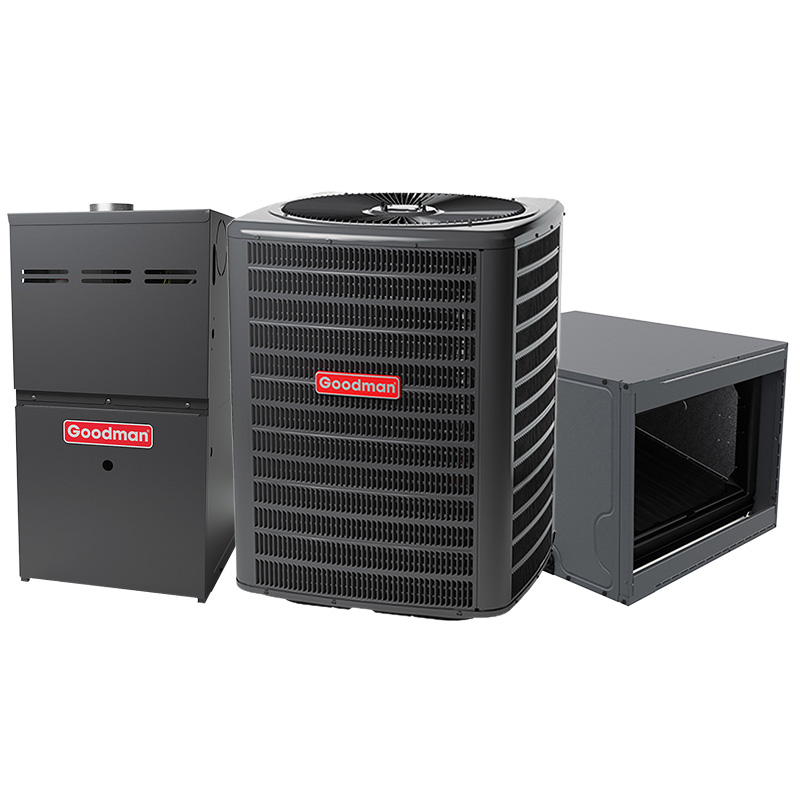
Goodman 2 Ton AC And 60000 BTU 80% AFUE Gas Furnace System | 16 SEER2 AC | Multi-Speed ECM Low NOx Furnace | Horizontal | R32
View on AC Direct see your lowest price →Check current price on AC Direct →
Key features
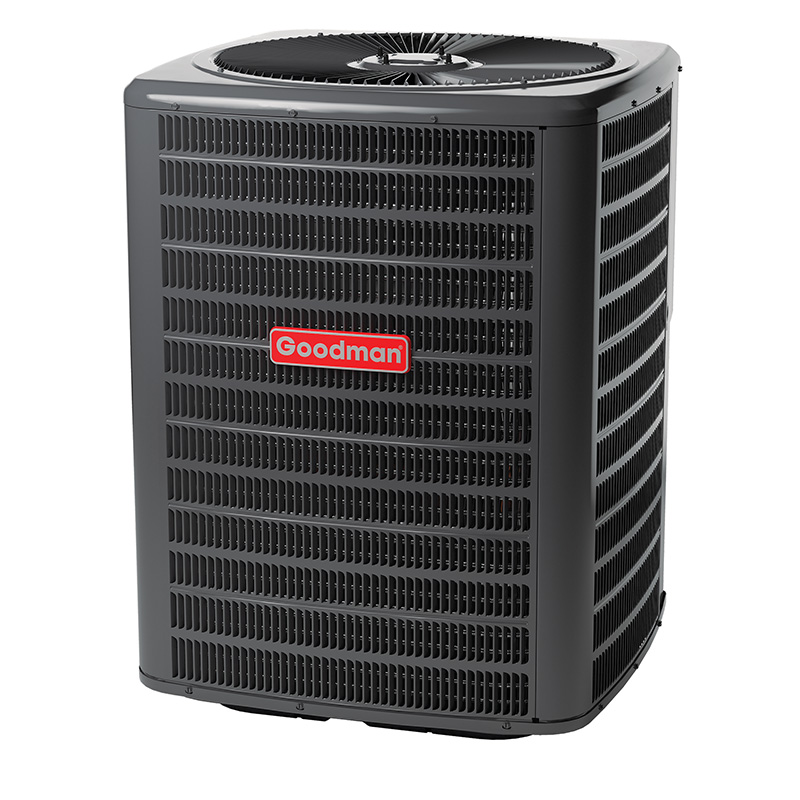
- 2-ton R-32 air conditioner rated at 16 SEER2, meeting current federal minimum efficiency standards
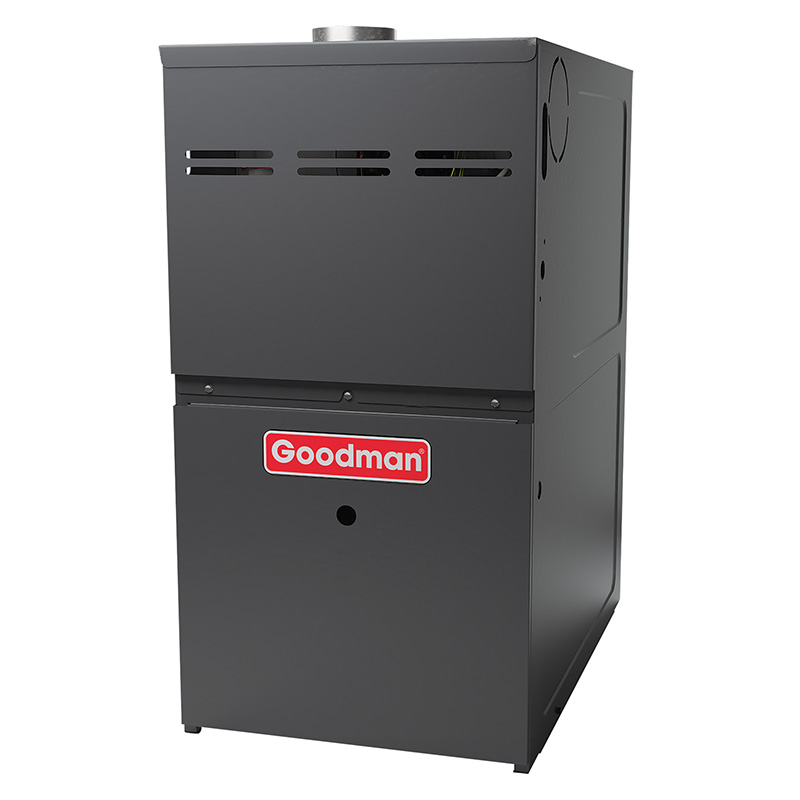
- 60,000 BTU gas furnace with 80% AFUE single-stage heating output
- Multi-speed ECM blower motor for quieter operation and improved humidity management
- Horizontal configuration designed for attic, crawlspace, or side-discharge installations
- R-32 refrigerant with lower global warming potential than R-410A
- Goodman 10-year parts limited warranty when registered within 60 days of installation
About this system
This Goodman 2-ton, 16 SEER2 split system pairs a single-stage R-32 air conditioner with a 60,000 BTU, 80% AFUE gas furnace in a horizontal configuration, making it a practical choice for homes with attic or crawlspace installations where vertical airflow is not possible. At 2 tons, it is sized for roughly 900 to 1,200 square feet of conditioned space in moderate climates, though a proper Manual J load calculation should always confirm sizing before purchase. The 16 SEER2 rating sits at the current federal minimum efficiency threshold for many regions, so you get code-compliant cooling without paying a premium for higher-tier efficiency.
The furnace side runs at 80% AFUE, meaning 80 cents of every dollar spent on gas converts to usable heat. That is the entry-level efficiency tier and carries no eligibility for federal tax credits that require 97% AFUE in most northern climates, so buyers in cold regions may want to weigh upgrade options. The multi-speed ECM blower motor is a genuine step up from single-speed units: it ramps airflow more gradually, reduces energy consumption at the air handler, and tends to improve humidity control compared to fixed-speed alternatives. R-32 refrigerant has a lower global warming potential than the R-410A it replaces, and servicing it requires technicians to hold an EPA 608 certification and use compatible equipment, which is worth confirming with your installer before scheduling.
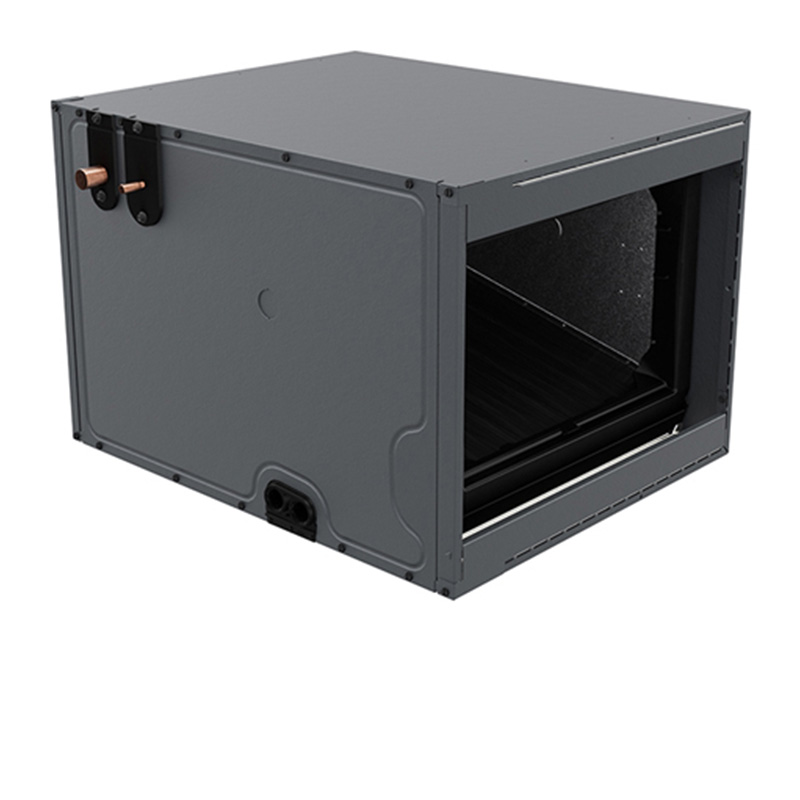
Horizontal configuration adds installation complexity relative to upflow or downflow units, and correct condensate drainage and coil orientation are critical in this layout. Goodman prices this system 15 to 25 percent below comparable Trane, Lennox, and Carrier equipment, so the upfront savings are real, but that trade-off comes with acknowledged differences in long-term component longevity that buyers should factor into their total cost of ownership.
This system delivers solid entry-level performance at a price point that is hard to ignore, and the ECM blower motor adds real comfort value at this tier. The trade-offs are a compressor lifespan that typically trails premium brands by several years and a documented history of capacitor failures and occasional coil leaks that can push repair costs up after year seven.
Overall score is the average of the five ratings above.
What we like
- Priced 15 to 25 percent below comparable Carrier, Trane, and Lennox systems, lowering upfront cost significantly
- Multi-speed ECM motor improves comfort and lowers blower energy use compared to fixed-speed alternatives
- R-32 refrigerant is more environmentally responsible than R-410A and is increasingly well-supported by technicians
- Horizontal configuration covers an installation scenario that many competing systems also support, with no special surcharge here
- 10-year parts warranty (registered) provides reasonable coverage at this price tier
Trade-offs
- 80% AFUE furnace does not qualify for federal efficiency tax credits and costs more to operate than 96% or 97% AFUE alternatives in colder climates
- Compressor longevity averages 10 to 14 years versus 15 to 20 years for premium-brand compressors, affecting long-term cost of ownership
- Dual-run capacitor failures are the most commonly reported repair issue, and evaporator coil leaks appear in a meaningful share of owner reviews
- Horizontal installs are more complex than upflow configurations, and Goodman's performance is heavily dependent on install quality, amplifying the risk of problems if the contractor is not thorough
What homeowners and pros say about Goodman
Homeowners who leave ratings on ConsumerAffairs give Goodman roughly 2.5 out of 5, and that channel skews toward people who had problems worth writing about. The recurring theme in those reviews is not early failure but rather escalating repair costs after around year seven, which aligns with what is known about Goodman’s component longevity. Dual-run capacitor failures are the most frequently cited repair, typically a manageable cost but annoying when it cuts out cooling on a hot afternoon. Evaporator coil leaks also appear in enough owner accounts to be worth noting, and compressor lifespan averaging 10 to 14 years trails the 15 to 20 years owners of premium brands tend to see. A minority of owners report refrigerant leaks within the first year, and technicians consistently attribute those to installation or charge errors rather than a manufacturing defect in the unit itself.
On Google, Goodman dealer reviews land around 3.8 out of 5, and the most common praise is straightforward: the price is lower than the alternatives, and when it is installed correctly, it works. HVAC professionals who work on Goodman units regularly tend to say the same thing in more blunt terms: the equipment is adequate, the parts are widely available and inexpensive, and the outcome depends almost entirely on who installs it and how carefully. For a 2-ton horizontal system like this one, where the configuration already demands more installer attention than a standard upflow unit, that caveat carries extra weight. Buyers who vet their contractor as carefully as they weigh the price are the ones who tend to come away satisfied with Goodman in the long run.
Sources: ConsumerAffairs Goodman owner reviews, AHRI Directory of Certified Product Performance, U.S. DOE appliance and equipment efficiency standards, Goodman product specification sheets.
What it costs to run
At 16 SEER2, cooling this 2-ton system for a typical 1200-hour cooling season at the U.S. average electricity rate of $0.17/kWh works out to roughly $306 per year in cooling, about $59 less per year than a minimum-efficiency 13.4 SEER2 unit of the same size. Your real cost depends on your climate and local rate.
Method: (24,000 BTU/hr ÷ 16 SEER2) × 1200 hours ÷ 1000 × $0.17/kWh. Rate source: U.S. EIA average; cooling hours: moderate-climate estimate.
How it compares
| Brand | Comparable model | SEER2 | Stage | Price position |
|---|---|---|---|---|
| Goodman | 2-Ton 16 SEER2 / 60K BTU 80% AFUE Horizontal R-32 | 16 | Single-stage | Value pick |
| Carrier | Comfort 24ACC6 / 58TP Series | 16 | Single-stage | Typically 15 to 25 percent higher than this Goodman system |
| Trane | XR15 / S8X1 Series | 15.5 to 16 | Single-stage | Typically 20 to 30 percent higher than this Goodman system |
| Lennox | Merit ML14XC1 / ML195 Series | 16 | Single-stage | Typically 20 to 35 percent higher than this Goodman system |
Competitor rows are comparable single-stage units at similar efficiency; price is relative position, not a quote.
Questions about this system
Is R-32 refrigerant hard to find a technician to service in my area?
R-32 requires EPA 608 certification and compatible recovery equipment, which most modern HVAC companies now carry as the industry transitions away from R-410A. It is worth confirming your local technician is equipped for it before purchase, particularly in rural areas where smaller shops may not have updated their tools yet.
Will the 80% AFUE furnace qualify for any federal tax credits?
No. The federal 25C energy efficiency tax credit requires a minimum of 97% AFUE for gas furnaces in most northern climate zones, and 96% AFUE in some southern zones. This 80% AFUE unit does not meet that threshold, so you should not count on a tax credit when budgeting.
What does the horizontal configuration mean for installation, and does it cost more?
Horizontal means the air handler is oriented on its side, which is common in attic or low-clearance crawlspace installs. It is more complex to install than a standard upflow unit because condensate drainage and coil positioning require more care. Many contractors charge a modest labor premium for horizontal work, so confirm pricing before signing a contract.
How likely am I to see the documented capacitor failures, and what would that repair cost?
Dual-run capacitor failure is the most commonly reported repair issue on Goodman AC units, and it typically shows up after several years of use. The good news is it is usually a straightforward repair in the 300 to 600 dollar range, and the part itself is inexpensive. Keeping a service contract or scheduling annual tune-ups gives a technician the chance to catch a weakening capacitor before it fails on a hot day.
Is 2 tons the right size for my home, or should I verify before ordering?
Two tons is generally appropriate for 900 to 1,200 square feet in a moderately insulated home in a temperate climate, but that range shifts significantly based on ceiling height, insulation quality, window area, local climate, and duct condition. A licensed HVAC contractor should perform a Manual J load calculation on your specific home before you finalize the size, since an oversized or undersized unit will hurt both comfort and equipment lifespan.
Specifications
| Cooling capacity | 2 Ton |
| Efficiency | 16 SEER2 |
| Furnace output | 60000 BTU |
| Furnace efficiency | 80% AFUE |
| Configuration | Horizontal |
| Refrigerant | R-32 |