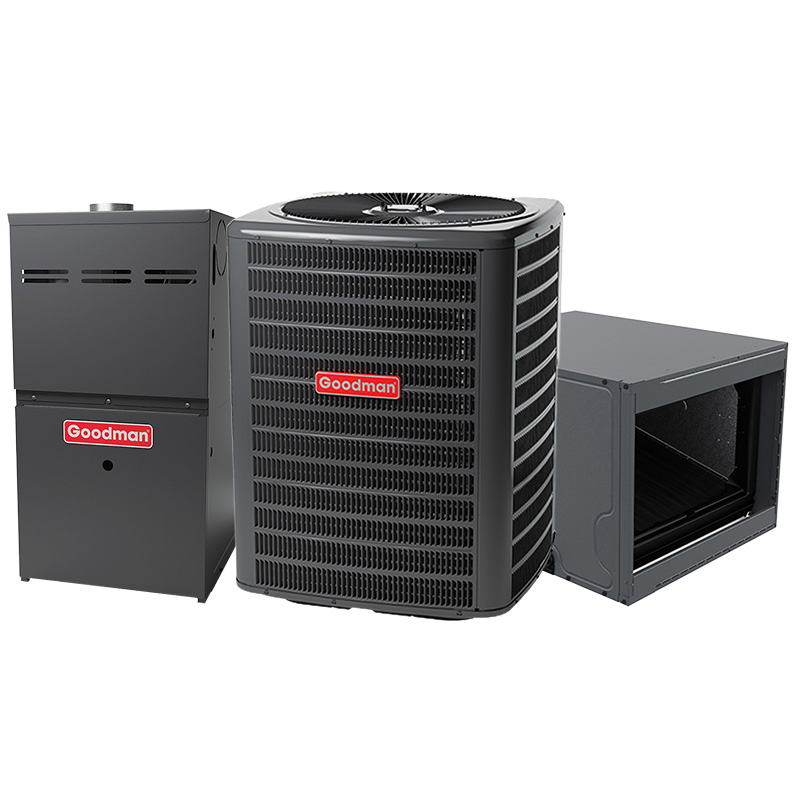
Goodman 2 Ton AC And 80000 BTU 80% AFUE Gas Furnace System | 15 SEER2 AC | Multi-Speed ECM Low NOx Furnace | Horizontal | R32
View on AC Direct see your lowest price →Check current price on AC Direct →
Key features
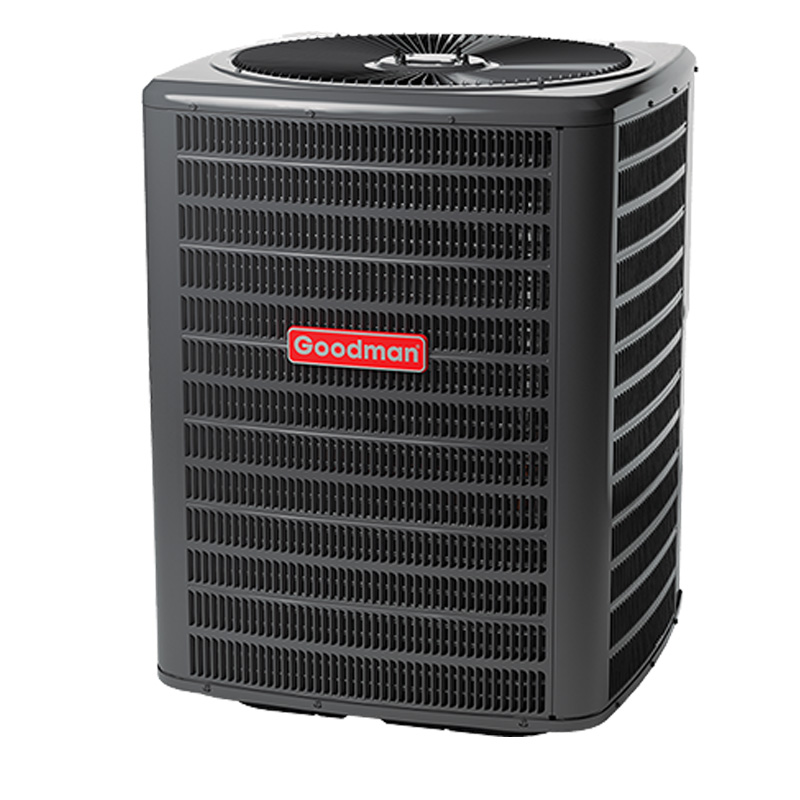
- 15 SEER2 single-stage air conditioner rated at 2 tons (24,000 BTU/hr) cooling capacity
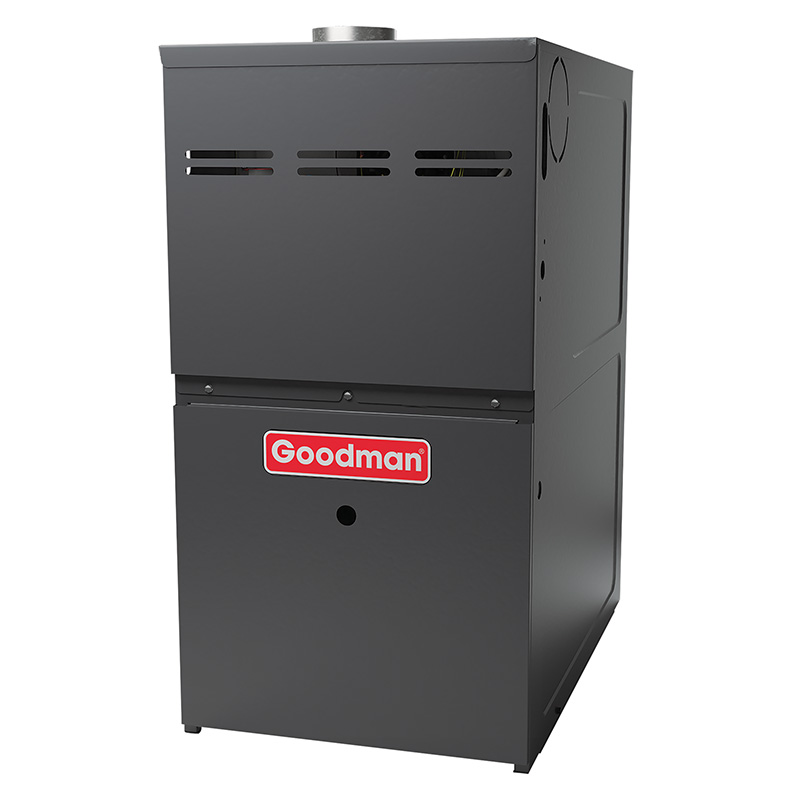
- 80,000 BTU 80% AFUE gas furnace with multi-speed ECM blower motor
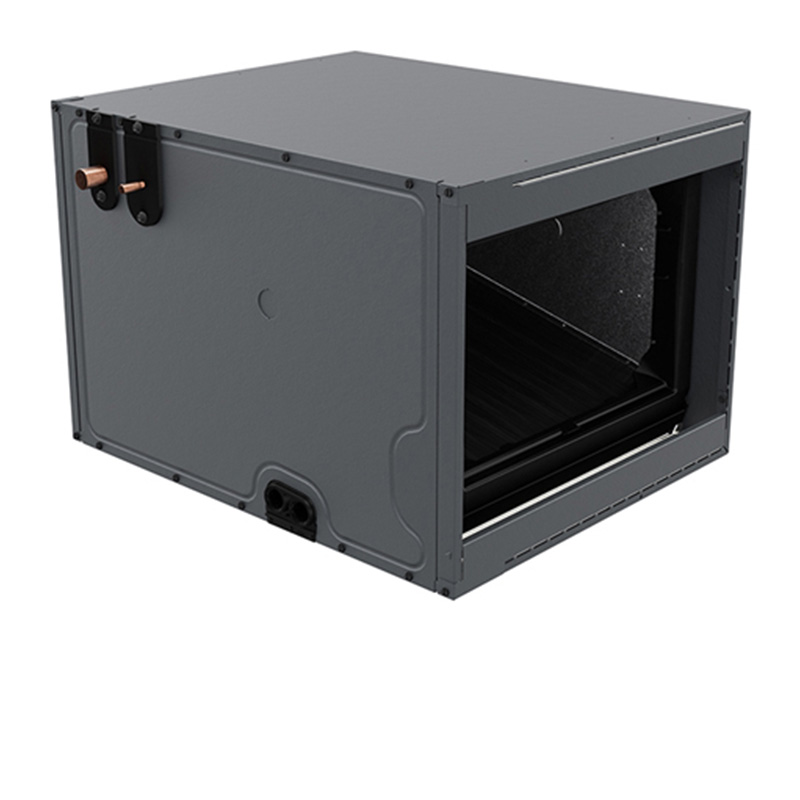
- Horizontal configuration designed for attic, crawlspace, or side-discharge installations
- R-32 refrigerant with lower global warming potential than R-410A
- Factory-matched system qualifies for Goodman's parts and labor warranty when installed by a registered contractor
- Low NOx burner design reduces nitrogen oxide emissions to meet stricter regional air quality standards
About this system
This Goodman 2-ton, 15 SEER2 system pairs a single-stage central air conditioner with an 80,000 BTU, 80% AFUE gas furnace in a horizontal configuration, making it a practical fit for homes with attic or crawlspace air handlers where vertical installation is not an option. The R-32 refrigerant charge is a meaningful forward-looking detail: R-32 has a lower global warming potential than the R-410A it replaces, and the industry is broadly moving in this direction, so service technicians will increasingly stock it. At 15 SEER2, efficiency sits right at the current federal minimum threshold for most U.S. climate zones, which keeps the equipment cost down at the expense of long-term energy savings compared to 17 SEER2 or higher systems.
The furnace’s multi-speed ECM blower motor is one of the more useful features at this price point. ECM motors consume significantly less electricity than standard PSC motors during the long blower-only and fan-on cycles, and they tend to move air more quietly and consistently. The 80% AFUE rating means one-fifth of the fuel you burn exits as exhaust rather than heating your home, which is acceptable in mild climates but leaves meaningful money on the table in regions with harsh winters where a 95% AFUE modulating furnace would pay back its premium over time. This system suits budget-conscious buyers in mixed climates who want a complete, matched system with modern refrigerant and a capable blower without paying premium-brand prices.
This Goodman combo delivers a complete, code-compliant matched system at a price point that undercuts Carrier, Trane, and Lennox by a meaningful margin, and the ECM blower is a genuine value-add at this tier. The trade-off is a compressor and coil track record that lags premium brands, and long-term running costs will be higher than a 95% AFUE or higher-SEER2 system for anyone in a heating-heavy climate. It is a reasonable buy when the installation crew is experienced and the budget is the binding constraint.
Overall score is the average of the five ratings above.
What we like
- Purchase price is typically 15 to 25 percent below comparable Carrier, Trane, and Lennox systems
- Multi-speed ECM blower motor reduces fan electricity use and improves airflow consistency vs. standard PSC motors
- R-32 refrigerant is a future-ready choice as the industry phases out R-410A
- Horizontal configuration covers attic and crawlspace applications that many standard systems cannot serve
- Factory-matched coil and furnace combination simplifies warranty registration and system commissioning
Trade-offs
- 80% AFUE leaves roughly 20% of fuel cost as waste heat, a real long-term penalty in cold climates compared to 95%+ alternatives
- 15 SEER2 is the minimum-efficiency tier; operating costs will be higher than mid- or high-efficiency options over a 10-15 year life
- Compressor lifespan averages 10 to 14 years in owner reports, shorter than the 15 to 20 years documented for premium brands
- Evaporator coil leaks and dual-run capacitor failures are the most frequently cited repair issues, with capacitor repairs typically running $300 to $600
What homeowners and pros say about Goodman
Homeowners who buy Goodman equipment tend to split into two camps: those who get a solid installation and coast through a decade with only a capacitor swap, and those who hit coil or refrigerant issues early and feel the sting of repair bills that erode the initial savings. On ConsumerAffairs, Goodman scores around 2.5 out of 5, a channel that skews toward people who are frustrated enough to write a review, where the recurring pattern is repair costs escalating after roughly year seven. Google dealer reviews tell a softer story, averaging around 3.8 out of 5 across hundreds of location-level reviews, where the most common praise is straightforward: the price was right and the system works. The gap between those two numbers reflects how much of the ownership experience depends on installation quality rather than the equipment itself.
HVAC technicians tend to view Goodman as competent entry-level hardware that rewards a careful startup. They consistently flag dual-run capacitors as the most likely first repair, a part that fails across all brands but shows up in Goodman reviews with enough frequency to be worth budgeting for. Evaporator coil leaks are the more expensive concern, and a minority of owners have reported refrigerant loss within the first year, typically pointing back to charge or brazing quality at installation rather than a factory problem. On compressor longevity, technicians note that Goodman compressors tend to average 10 to 14 years in real-world use, a shorter window than the 15 to 20 years more commonly documented for Trane, Carrier, and Lennox compressors. For this specific horizontal R-32 system, the message from the field is consistent: spend the savings on a quality installer and a service agreement, and you are likely to get solid years out of it.
Sources: ConsumerAffairs Goodman owner reviews, AHRI Directory of Certified Product Performance, U.S. DOE appliance and equipment efficiency standards, Goodman product specification sheets.
What it costs to run
At 15 SEER2, cooling this 2-ton system for a typical 1200-hour cooling season at the U.S. average electricity rate of $0.17/kWh works out to roughly $326 per year in cooling, about $39 less per year than a minimum-efficiency 13.4 SEER2 unit of the same size. Your real cost depends on your climate and local rate.
Method: (24,000 BTU/hr ÷ 15 SEER2) × 1200 hours ÷ 1000 × $0.17/kWh. Rate source: U.S. EIA average; cooling hours: moderate-climate estimate.
How it compares
| Brand | Comparable model | SEER2 | Stage | Price position |
|---|---|---|---|---|
| Goodman | This system (2T 15 SEER2 / 80k BTU 80% AFUE Horizontal R-32) | 15 | Single-stage | Value pick |
| Carrier | Comfort Series (24ACC / 58SC pairing) | 15-16 | Single-stage | Typically 15 to 25 percent more than this Goodman system |
| Trane | XR15 / S8X1 pairing | 15-16 | Single-stage | Typically 15 to 25 percent more than this Goodman system |
| Lennox | Merit Series (ML15XC1 / ML195 pairing) | 15-16 | Single-stage | Typically 15 to 25 percent more than this Goodman system |
Competitor rows are comparable single-stage units at similar efficiency; price is relative position, not a quote.
Questions about this system
Why does this system use R-32 instead of R-410A, and does that affect who can service it?
Goodman has transitioned to R-32 because it has a significantly lower global warming potential than R-410A, in line with EPA regulatory direction. Any EPA Section 608-certified technician can handle R-32, but your service contractor should confirm they carry R-32 stock, since some smaller shops have not yet stocked it widely. Availability is improving rapidly as more manufacturers make the switch.
Is 80% AFUE good enough for my area, or should I upgrade to a higher-efficiency furnace?
In mild to moderate heating climates, such as the Southeast or Southwest, 80% AFUE is often adequate and the payback period for a 95%+ furnace can be quite long. In cold-weather regions like the upper Midwest or Northeast, the 15 percentage point gap between 80% and 95% AFUE translates to a measurable annual fuel cost difference that can justify upgrading. Run a simple heat-load and fuel-cost estimate for your zip code before committing.
What does 'horizontal' configuration mean, and how do I know if my installation qualifies?
Horizontal means the air handler or furnace cabinet is oriented on its side, with airflow moving horizontally through it rather than upward or downward. This is standard for attic platforms and certain crawlspace setups. Your installing contractor should confirm the specific horizontal discharge direction matches your ductwork layout, since getting that wrong is a common installation error with horizontal systems.
Goodman has mixed online reviews. What are the most common repair issues owners report?
The most frequently documented failure points are dual-run capacitors, which typically fail between years 5 and 10 and cost roughly $300 to $600 to replace, and evaporator coil refrigerant leaks, which show up across a meaningful share of owner reviews. A smaller number of owners report refrigerant leaks within the first year, which is usually tied to installation or initial charge quality rather than a manufacturing defect. Keeping up with annual maintenance and using an experienced installer reduces but does not eliminate these risks.
Does Goodman's warranty require professional installation, and what does it actually cover?
Yes. Goodman's registered limited warranty, which typically includes parts coverage for 10 years and a separate labor or unit-replacement component depending on the product, requires installation by a licensed HVAC contractor and registration within a specified window after installation. If you use an unregistered installer or miss the registration deadline, coverage typically drops to a shorter base warranty. Confirm the exact current terms with your contractor before purchase, as warranty details can vary by product line and change over time.
Specifications
| Cooling capacity | 2 Ton |
| Efficiency | 15 SEER2 |
| Furnace output | 80000 BTU |
| Furnace efficiency | 80% AFUE |
| Configuration | Horizontal |
| Refrigerant | R-32 |