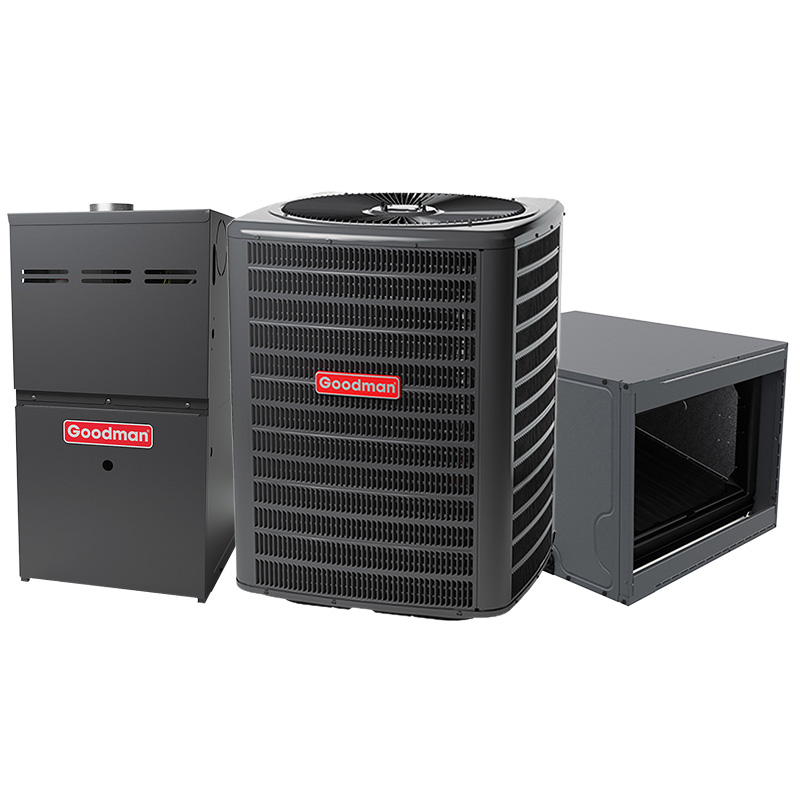
Goodman 2 Ton AC And 80000 BTU 80% AFUE Gas Furnace System | 16 SEER2 AC | Multi-Speed ECM Low NOx Furnace | Horizontal | R32
View on AC Direct see your lowest price →Check current price on AC Direct →
Key features
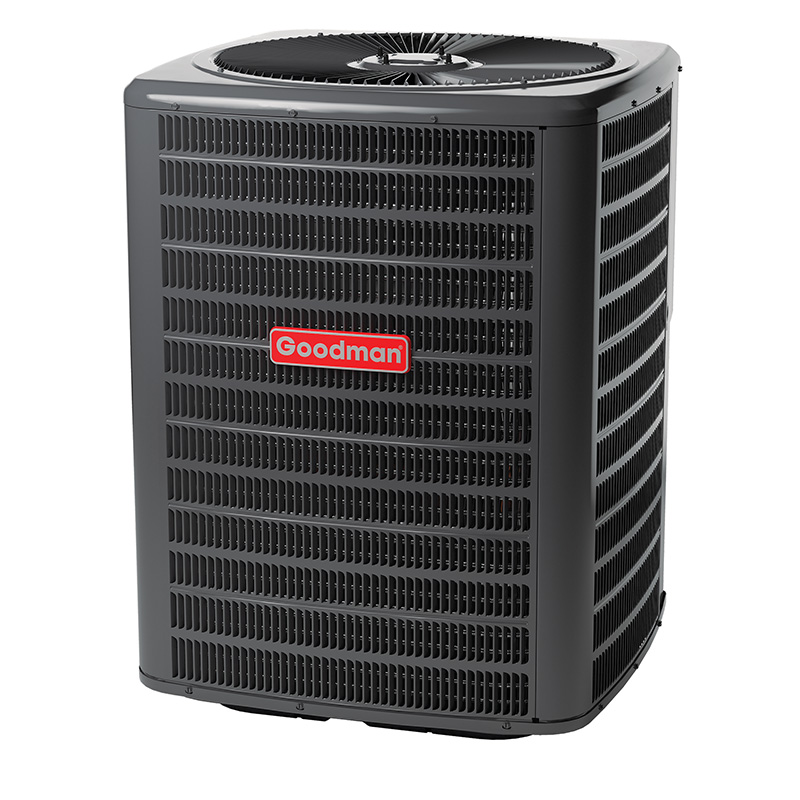
- 16 SEER2 single-stage air conditioner rated at 2 tons of cooling capacity
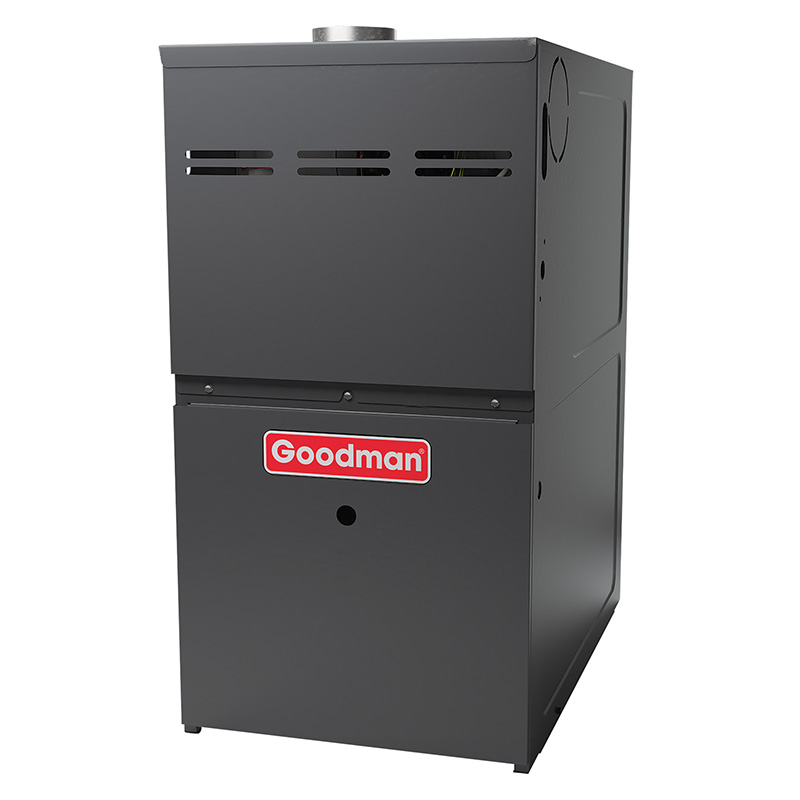
- 80,000 BTU gas furnace with 80% AFUE efficiency
- Multi-speed ECM blower motor reduces electricity use versus single-speed PSC motors
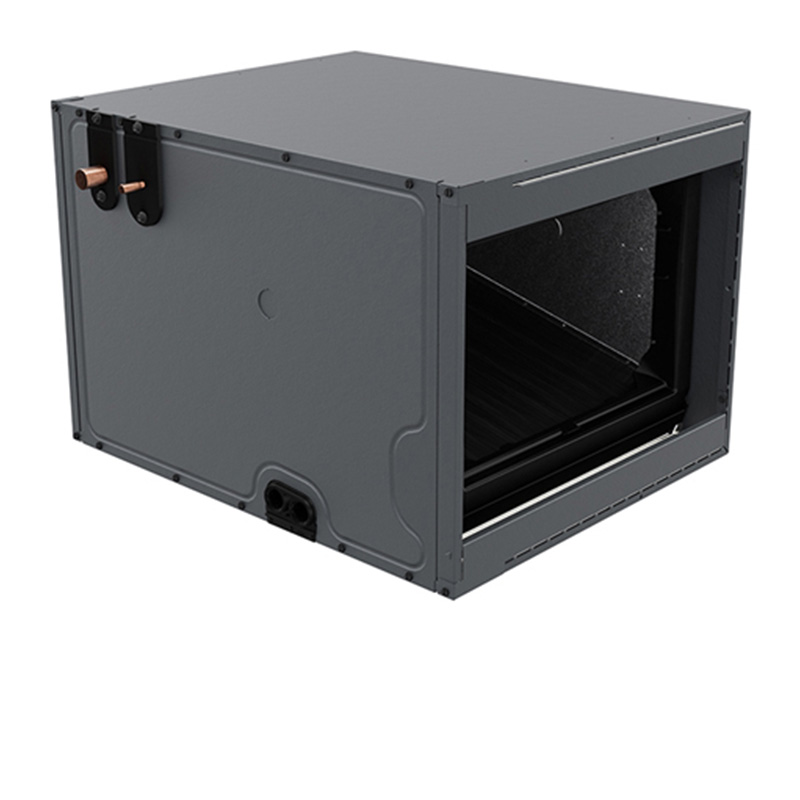
- Horizontal configuration designed for attic, crawl-space, or side-discharge installs
- R-32 refrigerant with lower global warming potential than R-410A
- Factory matched and tested as a system for consistent ARI/AHRI rated performance
About this system
The Goodman 2-ton, 16 SEER2 split system pairs a single-stage R-32 air conditioner with an 80,000 BTU, 80% AFUE multi-speed ECM gas furnace configured for horizontal installation. The horizontal layout makes it a practical fit for attic installs, crawl spaces, or utility closets where vertical clearance is limited. At 2 tons, it is sized for smaller homes or well-insulated spaces roughly in the 800-to-1,200 square-foot range, though Manual J load calculations should always confirm the right size for your specific structure and climate.
The 16 SEER2 efficiency rating lands at the current federal minimum threshold for most U.S. regions, so it will keep you code-compliant without the added cost of a higher-efficiency unit. The 80% AFUE furnace is similarly baseline: one dollar in five is lost as exhaust heat, which is acceptable in mild to moderate heating climates but becomes a more meaningful operating-cost gap in colder regions where a 96% AFUE unit would pay back faster. The multi-speed ECM blower motor is the standout component here, running at lower speeds during mild demand and reducing electricity use compared to a standard single-speed PSC motor. R-32 refrigerant has a lower global warming potential than the R-410A it is replacing, and because it operates at similar pressures, most certified technicians can handle it with existing equipment after a short familiarization.
This Goodman system is a cost-conscious entry point that meets current efficiency minimums and works well when professionally installed and maintained. It is not a premium build, and owners should budget for capacitor replacements and possible coil service after the first decade. For budget-focused buyers in mild climates who want a horizontal-mount system without financing a Trane or Carrier, it delivers functional value.
Overall score is the average of the five ratings above.
What we like
- Priced 15 to 25 percent below comparable Carrier, Trane, and Lennox equipment
- Multi-speed ECM blower improves comfort and reduces fan electricity compared to basic PSC motors
- Horizontal configuration is relatively rare and directly useful for attic or crawl-space applications
- R-32 refrigerant is widely available and easier to work with than some newer alternatives
- Factory-matched system means AHRI-rated performance is tested and confirmed, not estimated
Trade-offs
- 80% AFUE is baseline efficiency; in colder climates, higher-AFUE units can recover their cost premium through fuel savings
- Dual-run capacitors are the most commonly reported early failure, typically adding a $300 to $600 service call after year 5 to 7
- Compressor lifespan averages 10 to 14 years versus 15 to 20 years documented for premium-brand compressors
- A minority of owners report refrigerant leaks in the first year, most often traced to installation or initial charge issues rather than the unit itself
What homeowners and pros say about Goodman
On consumer-facing platforms, Goodman equipment draws polarized responses. The brand holds roughly a 2.5 out of 5 on ConsumerAffairs, a channel that skews toward frustrated owners, where the recurring theme is repair bills climbing after approximately year 7. Google dealer reviews average around 3.8 out of 5, and in that more balanced sample, the most consistent praise is straightforward: the equipment is affordable and it works. For this horizontal system specifically, the multi-speed ECM furnace tends to earn quieter operation comments from owners compared to basic single-speed units, which is a genuine functional advantage in attic or closet installs where sound can travel into living areas. The documented weak points are specific enough to plan around: dual-run capacitors fail on a meaningful share of units between years 5 and 10 (a $300 to $600 fix), evaporator coil leaks appear in enough owner reviews to be worth noting, and a small number of owners report refrigerant leaks in the first year, most of which trace back to installation rather than the equipment itself.
HVAC technicians who service Goodman equipment regularly tend to characterize it as acceptable-to-good when installed correctly and maintained, and below-average when either of those conditions is skipped. The compressor lifespan averaging 10 to 14 years versus 15 to 20 years for premium brands is the most significant long-term trade-off that professionals cite. For this particular configuration, horizontal attic installs require careful attention to condensate drainage and insulation around the unit, and technicians note that shortcuts in those areas amplify the reliability gap more than the equipment itself does. The honest summary from the service community is that Goodman rewards buyers who invest in a thorough professional installation and stick to a maintenance schedule, and it disappoints those who treat it as a set-and-forget purchase.
Sources: ConsumerAffairs Goodman owner reviews, AHRI Directory of Certified Product Performance, U.S. DOE appliance and equipment efficiency standards, Goodman product specification sheets.
What it costs to run
At 16 SEER2, cooling this 2-ton system for a typical 1200-hour cooling season at the U.S. average electricity rate of $0.17/kWh works out to roughly $306 per year in cooling, about $59 less per year than a minimum-efficiency 13.4 SEER2 unit of the same size. Your real cost depends on your climate and local rate.
Method: (24,000 BTU/hr ÷ 16 SEER2) × 1200 hours ÷ 1000 × $0.17/kWh. Rate source: U.S. EIA average; cooling hours: moderate-climate estimate.
How it compares
| Brand | Comparable model | SEER2 | Stage | Price position |
|---|---|---|---|---|
| Goodman | GSZTO / AMST / GMVC8 Horizontal Bundle (this system) | 16 | Single-stage | Value pick |
| Carrier | Comfort 14 / Performance 16 Series (FE4A coil, 58TP furnace) | 16 | Single-stage | Typically 20 to 25 percent higher than this Goodman bundle |
| Trane | XR16 / S8X1 80% AFUE Furnace bundle | 16 | Single-stage | Typically 20 to 30 percent higher than this Goodman bundle |
| Lennox | Merit ML16XP1 / ML180 80% AFUE Furnace bundle | 16 | Single-stage | Typically 15 to 25 percent higher than this Goodman bundle |
Competitor rows are comparable single-stage units at similar efficiency; price is relative position, not a quote.
Questions about this system
Is a horizontal furnace harder to find a technician for than a standard upflow unit?
Not significantly. Horizontal furnaces share most of the same components and service points as upflow models; the main difference is how they are oriented in the cabinet. Any HVAC technician familiar with Goodman equipment should be comfortable servicing this configuration. That said, horizontal attic installs can make certain repairs more physically awkward, which occasionally adds to labor time and cost.
Why does this system use R-32 instead of R-410A, and does that affect service costs?
R-32 is the industry's current direction as R-410A is phased down under federal regulations. It has a lower global warming potential and similar operating pressures. Most certified HVAC technicians can handle R-32 with standard equipment after brief familiarization. Refrigerant cost and availability are currently comparable to R-410A, so service costs should not differ meaningfully in the near term.
What is the most common repair this system will likely need, and what does it cost?
Based on documented Goodman owner feedback, dual-run capacitors are the most frequently reported failure point. They typically fail between years 5 and 10 and cost roughly $300 to $600 to replace at current labor rates. Capacitors are a standard, inexpensive part, so this is one of the lower-cost HVAC repairs. Budgeting for at least one replacement over the system's life is reasonable.
Will 80% AFUE cost me noticeably more to run than a 96% AFUE furnace?
In mild heating climates with fewer than around 3,500 annual heating degree days, the operating cost difference is relatively small and the payback period on a 96% AFUE unit can stretch past 10 years. In colder climates with long heating seasons, the 16-percent efficiency gap adds up faster and a higher-AFUE unit often makes more financial sense over a 15-year ownership period.
How long should I expect this Goodman system to last?
With quality installation and regular maintenance (annual tune-ups, filter changes every 1 to 3 months), the furnace component can realistically last 15 to 20 years. The air conditioner's compressor averages 10 to 14 years based on documented Goodman performance, which is shorter than the 15 to 20 years more commonly seen in premium brands. Install quality is the single biggest factor in lifespan, according to technicians who regularly service Goodman equipment.
Specifications
| Cooling capacity | 2 Ton |
| Efficiency | 16 SEER2 |
| Furnace output | 80000 BTU |
| Furnace efficiency | 80% AFUE |
| Configuration | Horizontal |
| Refrigerant | R-32 |