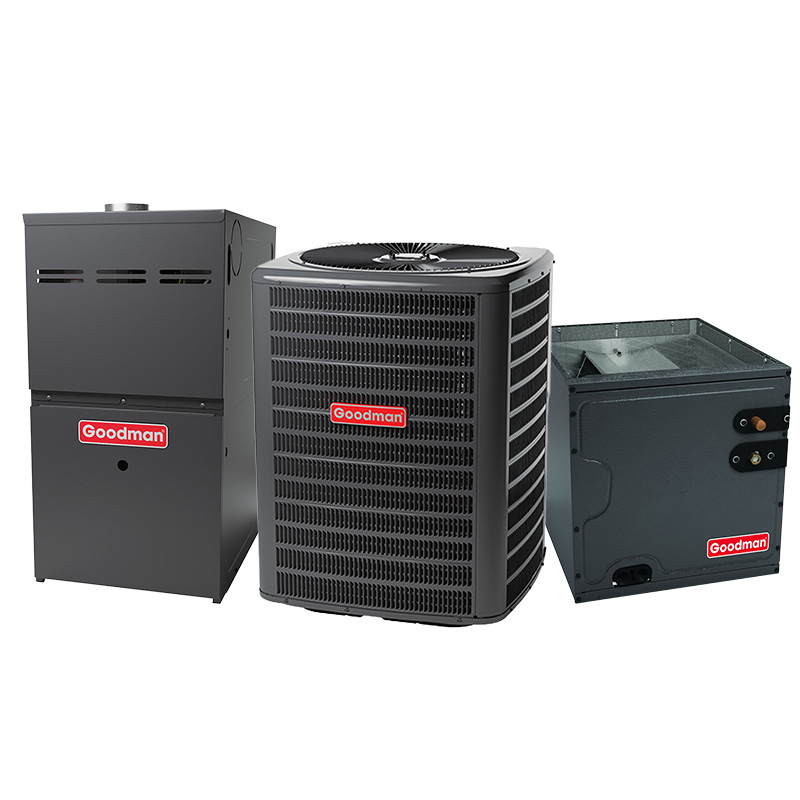
Goodman 2 Ton Dual Fuel Hybrid Heat Pump System – 40000 BTU Gas Furnace, 80% AFUE, 14.5 SEER2, Upflow, R32
View on AC Direct see your lowest price →Check current price on AC Direct →
Key features
- 2-ton capacity with 40,000 BTU gas furnace, sized for smaller to mid-size homes with proper load calculation
- Dual fuel hybrid operation automatically switches between heat pump and gas depending on outdoor conditions
- 14.5 SEER2 cooling efficiency, meeting current federal minimum standards for most U.S. climate regions
- 80% AFUE furnace, meaning 80 cents of every heating dollar converts to usable heat
- R-32 refrigerant, which carries a lower global warming potential than the outgoing R-410A standard
- Upflow configuration for homes with overhead duct systems, basements, or main-floor equipment closets
About this system
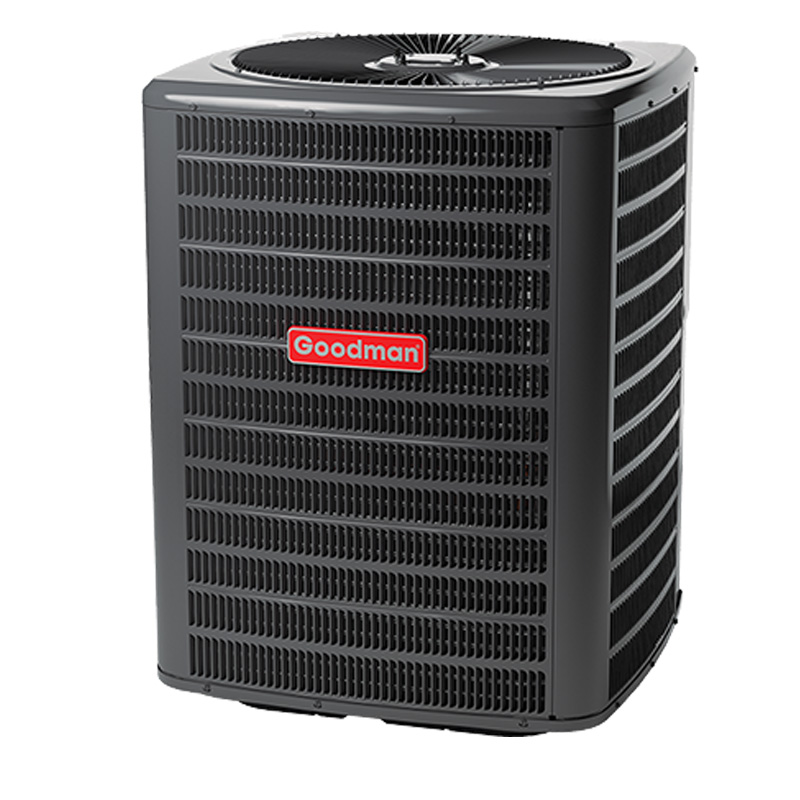
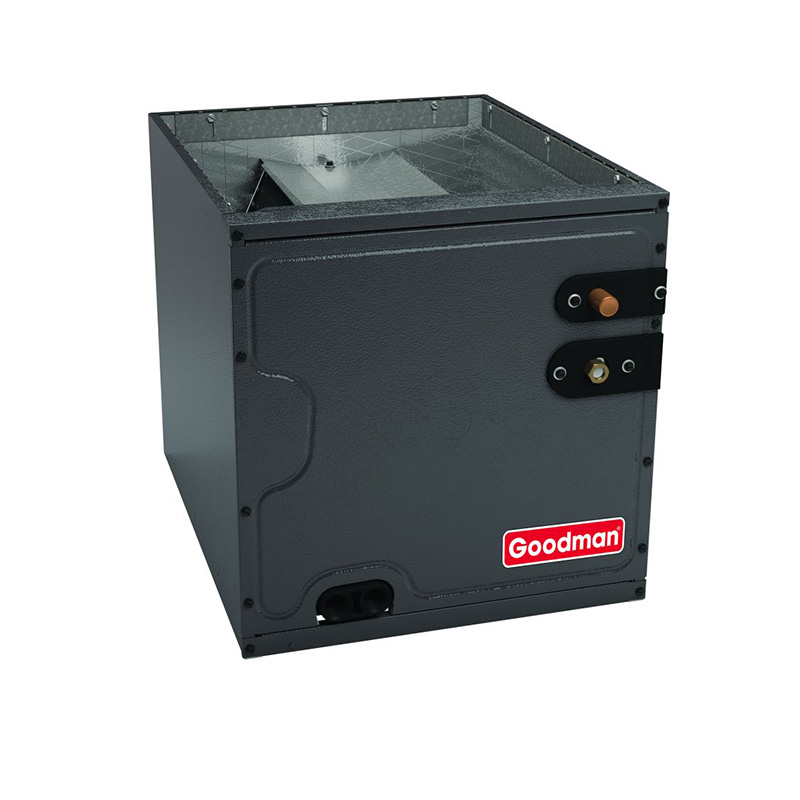
The Goodman 2-Ton Dual Fuel Hybrid Heat Pump System pairs a 14.5 SEER2 heat pump with a 40,000 BTU, 80% AFUE upflow gas furnace and runs on R-32 refrigerant. A dual fuel setup is built for climate zones where winters get cold enough to make a heat pump struggle on its own. The system automatically switches between the heat pump and the gas furnace depending on outdoor temperature and operating cost, giving you electric efficiency on mild days and reliable gas heat when temperatures drop hard. At 2 tons and 40,000 BTU, this configuration suits a well-insulated home in the 800 to 1,200 square foot range, though actual sizing depends on your Manual J load calculation.
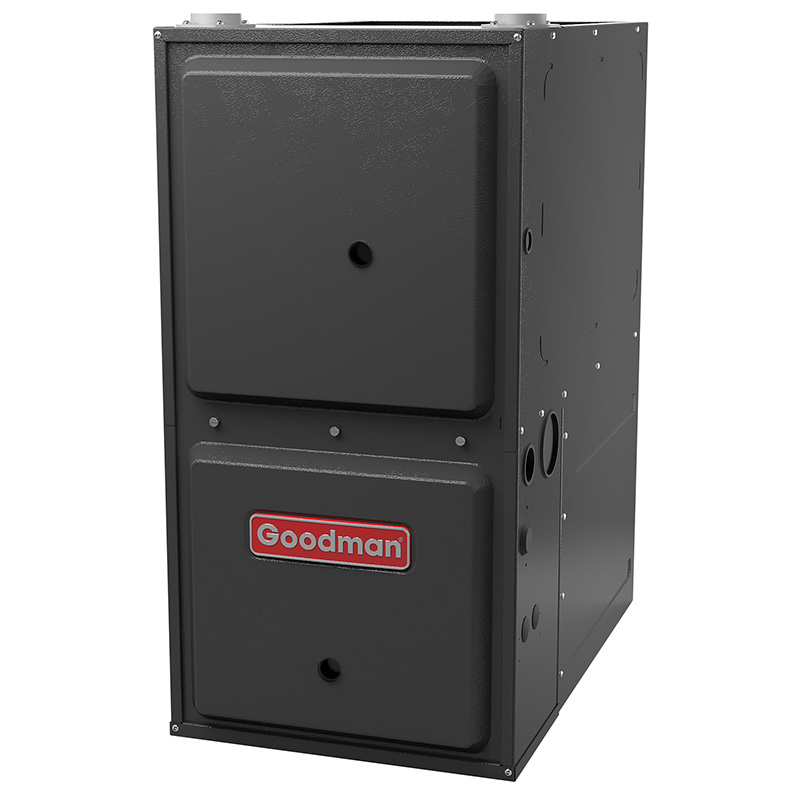
R-32 refrigerant is a meaningful step forward from the older R-410A that dominated the market for years. It has a lower global warming potential and improved heat transfer properties, and it is the direction the industry is moving as R-410A faces a phasedown under EPA regulations. The upflow configuration means the furnace sits on the ground and discharges conditioned air upward into overhead ductwork, which is the most common setup in homes with a basement or a main-floor utility closet. If your existing ductwork runs that way, this system slots in with less modification. If it does not, your installation costs will climb.
This system is a pragmatic pick for homeowners who want the year-round efficiency benefits of a heat pump without giving up a gas furnace as a backup in cold-weather climates. It is not a premium system, and the specs reflect that honestly. At 14.5 SEER2 and 80% AFUE, you are at the entry tier of current efficiency standards, not near the top. The value argument is straightforward: Goodman prices this system roughly 15 to 25 percent below comparable equipment from Carrier, Trane, and Lennox, and for a budget-conscious buyer who hires a competent installer, that gap can make real financial sense.
This Goodman dual fuel system delivers solid hybrid heating logic and a forward-looking refrigerant choice at a price point that undercuts major premium brands by a meaningful margin. Efficiency sits at the entry level of current standards, not the top, and long-term ownership costs depend heavily on who installs it and how well it is maintained. It is a reasonable buy for the right buyer, not a risk-free one.
Overall score is the average of the five ratings above.
What we like
- Priced 15 to 25 percent below comparable Carrier, Trane, and Lennox dual fuel systems, lowering the upfront barrier
- Dual fuel logic provides genuine year-round efficiency by leaning on the heat pump during mild weather and switching to gas in deep cold
- R-32 refrigerant offers lower environmental impact and better heat transfer than the older R-410A it replaces
- Upflow design is compatible with the most common residential duct configurations, simplifying installation in typical setups
- Wide national dealer and parts network makes service calls and replacement components easier to source than some off-brand alternatives
Trade-offs
- 80% AFUE is at the low end of modern furnace efficiency; mid-efficiency 90%+ AFUE units return more heat per gas dollar in cold climates
- 14.5 SEER2 is entry-level cooling efficiency; higher SEER2 systems will show better savings on electricity bills over a long ownership horizon
- Dual capacitor failures are the most documented repair issue for Goodman equipment and will likely appear within the ownership window, typically costing $300 to $600 to fix
- Compressor lifespan averages 10 to 14 years versus 15 to 20 years for premium brands, which matters when calculating total cost of ownership
What homeowners and pros say about Goodman
Homeowners who bought Goodman equipment and took the time to leave a review are a divided group. On Google dealer pages, where the average score sits around 3.8 out of 5 across hundreds of reviews per location, the most consistent praise is straightforward: affordability. Buyers who got a competitive installation quote and had no early problems tend to report satisfaction, particularly in the first few years. On ConsumerAffairs, where the score drops to roughly 2.5 out of 5, the story shifts. That channel skews toward people who had problems, and the pattern in the complaints is hard to ignore: repair costs that start climbing after around year seven, which aligns with what the equipment specs suggest about component lifespan.
HVAC technicians who work on Goodman equipment regularly point to dual-run capacitor failures as the most predictable service call, a repair that usually runs $300 to $600 and is generally quick to handle. More serious are evaporator coil leaks, which show up in a meaningful share of owner accounts and are more disruptive and costly to address. On the compressor side, real-world longevity tends to land in the 10 to 14 year range, noticeably shorter than the 15 to 20 years that premium brands like Trane and Carrier commonly achieve. For this specific dual fuel system, technicians add one consistent note: refrigerant leaks in the first year are almost always a charge or installation issue, not a factory problem, which means the quality of your installer matters as much as the equipment itself. The dual fuel configuration adds complexity at startup, so verifying charge and controls setup on day one is not optional.
Sources: ConsumerAffairs Goodman owner reviews, AHRI Directory of Certified Product Performance, U.S. DOE appliance and equipment efficiency standards, Goodman product specification sheets.
What it costs to run
At 14.5 SEER2, cooling this 2-ton system for a typical 1200-hour cooling season at the U.S. average electricity rate of $0.17/kWh works out to roughly $338 per year in cooling, about $27 less per year than a minimum-efficiency 13.4 SEER2 unit of the same size. Your real cost depends on your climate and local rate.
Method: (24,000 BTU/hr ÷ 14.5 SEER2) × 1200 hours ÷ 1000 × $0.17/kWh. Rate source: U.S. EIA average; cooling hours: moderate-climate estimate.
How it compares
| Brand | Comparable model | SEER2 | Stage | Price position |
|---|---|---|---|---|
| Goodman | Dual Fuel Hybrid Heat Pump System (this unit) | 14.5 | Single-stage | Value pick |
| Carrier | Performance Series Dual Fuel (25HCE3 / 59TP6) | 15.0 | Single-stage | Typically 15 to 25 percent more than this Goodman system |
| Trane | XR15 Dual Fuel (XR15 heat pump / S8X1 furnace pairing) | 15.0 | Single-stage | Typically 15 to 25 percent more than this Goodman system |
| Lennox | Merit Series Dual Fuel (14HPX / ML180 pairing) | 14.3 | Single-stage | Typically 15 to 25 percent more than this Goodman system |
Competitor rows are comparable single-stage units at similar efficiency; price is relative position, not a quote.
Questions about this system
At what outdoor temperature does this system switch from the heat pump to the gas furnace?
The switchover temperature, sometimes called the balance point or lockout temperature, is typically set during installation based on your climate and utility rates. Most installers program it somewhere between 25 and 40 degrees Fahrenheit, but it should be calculated for your specific home rather than left at a factory default. Ask your installer to document the balance point setting.
Is 2 tons actually the right size for my home, or should I go larger to be safe?
Bigger is not better with HVAC sizing. An oversized system short-cycles, meaning it runs in short bursts that reduce dehumidification in summer and strain components. The only reliable way to confirm that 2 tons fits your home is a Manual J load calculation performed by your contractor before the equipment is ordered.
What is the real-world risk of refrigerant leaks with this system?
A minority of Goodman owners report refrigerant leaks within the first year of ownership, and industry technicians consistently trace these to installation or initial charge issues rather than a factory defect in the equipment itself. Hiring an experienced, licensed installer who pressure-tests and verifies charge after startup is the most practical way to reduce this risk.
Does Goodman's warranty require me to register the equipment, and what does it actually cover?
Yes, Goodman requires product registration within a set window after installation to unlock the full parts warranty terms, which typically include a 10-year limited parts warranty on registered equipment. Labor is not covered by the manufacturer, so your out-of-pocket cost for any warranty repair includes whatever your dealer charges for the service call and technician time.
My current furnace is a downflow unit. Can I install this upflow system in its place?
Not without modifications. An upflow furnace discharges air upward into overhead ductwork, while a downflow unit pushes air downward into floor-level ducts. Swapping configurations requires rerouting ductwork connections and possibly changing the drain and flue orientation, which adds cost and complexity. If your existing system is a downflow setup, you would need a downflow-configured model instead.
Specifications
| Cooling capacity | 2 Ton |
| Efficiency | 14.5 SEER2 |
| Furnace output | 40000 BTU |
| Furnace efficiency | 80% AFUE |
| Configuration | Upflow |
| Refrigerant | R-32 |