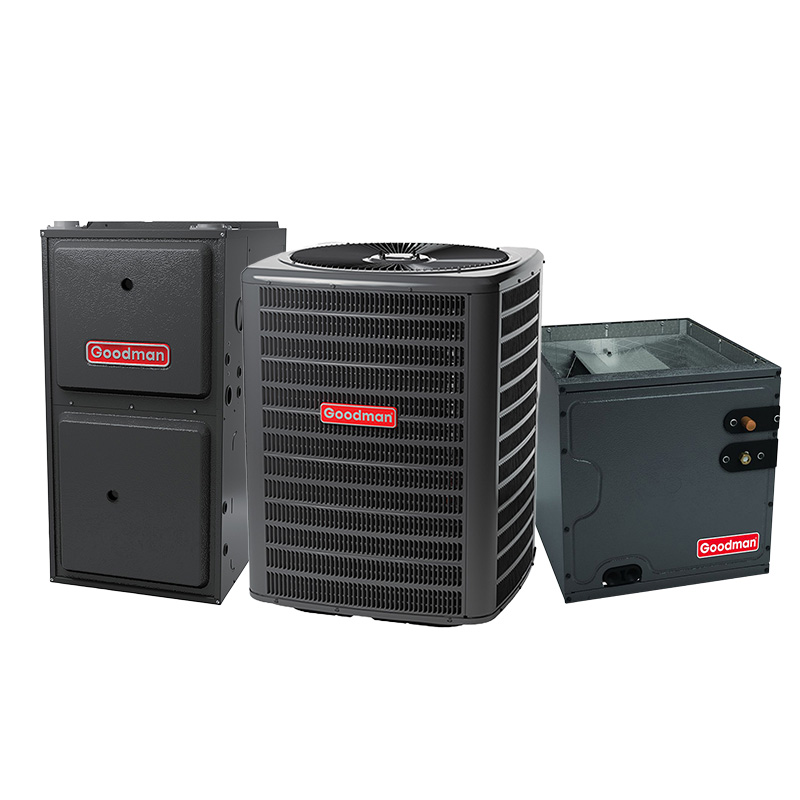
Goodman 2 Ton Dual Fuel Hybrid Heat Pump System – 40000 BTU Gas Furnace, Two Stage, 80% AFUE, Upflow, 14.5 SEER2, R32
View on AC Direct see your lowest price →Check current price on AC Direct →
Key features
- 14.5 SEER2 cooling efficiency meets current federal minimums for most U.S. regions
- Dual fuel hybrid operation automatically switches between heat pump and gas furnace based on outdoor conditions
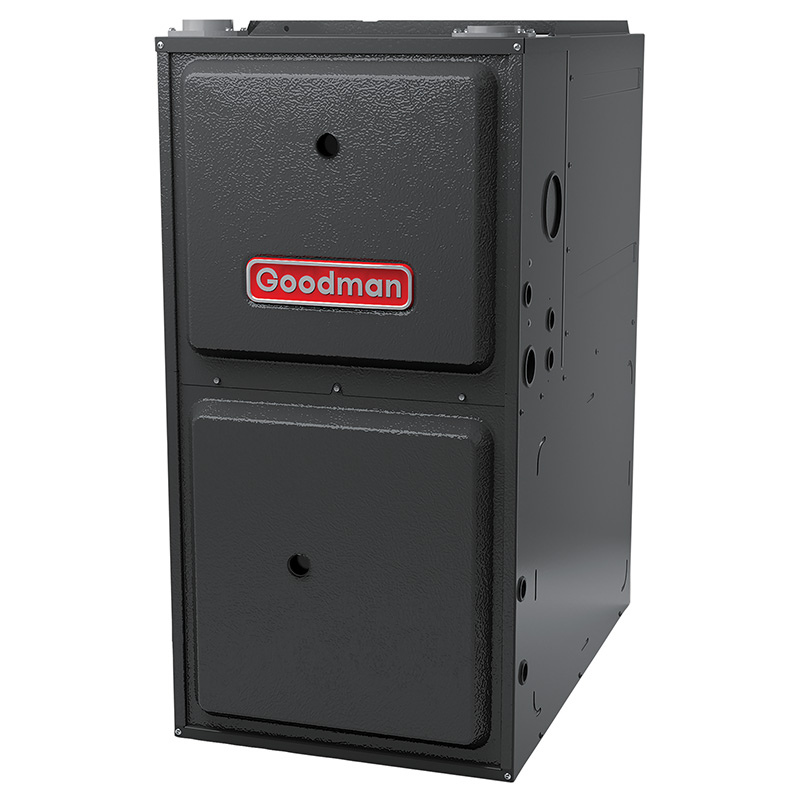
- Two-stage gas furnace at 80% AFUE reduces temperature swings and improves comfort versus single-stage
- 40,000 BTU heating output sized for smaller homes or moderate-climate two-ton loads
- R-32 refrigerant with lower global warming potential than R-410A
- Upflow cabinet design for basement or ground-level closet installations
About this system
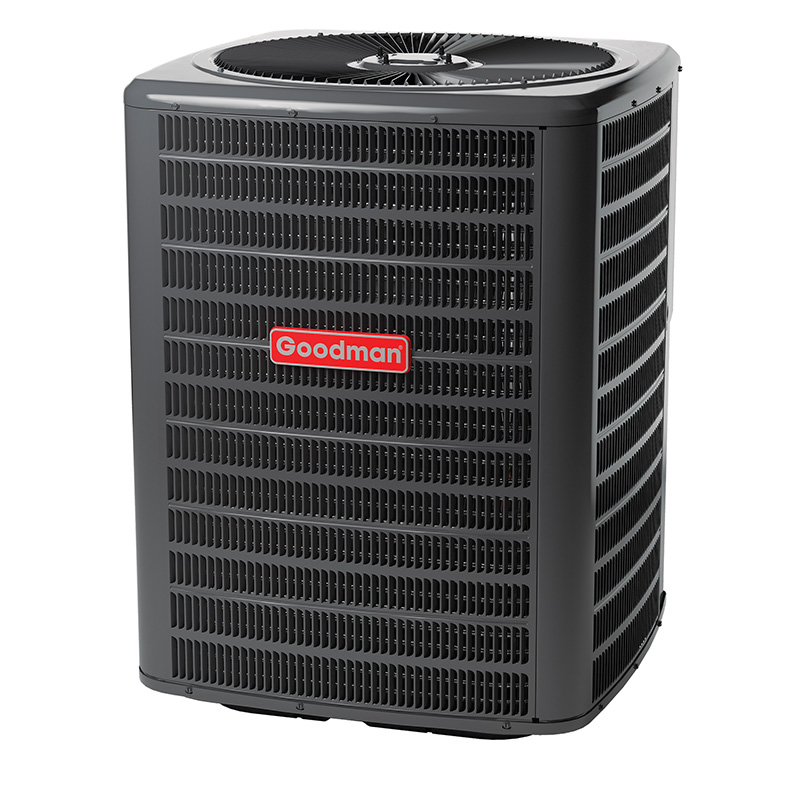
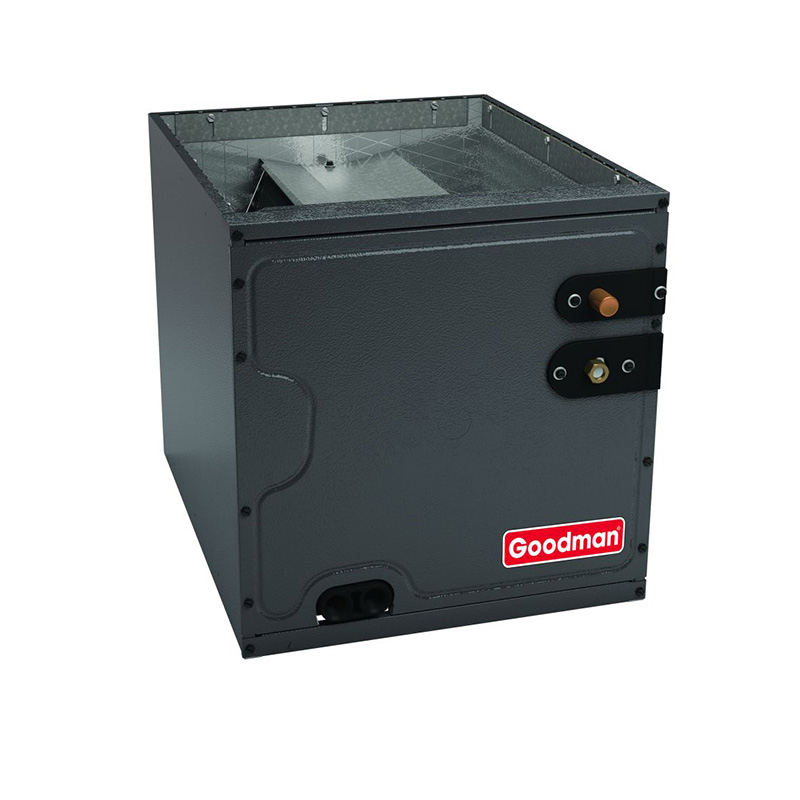
The Goodman 2-Ton Dual Fuel Hybrid Heat Pump System pairs a 14.5 SEER2 heat pump with a two-stage, 80% AFUE upflow gas furnace rated at 40,000 BTU. The dual fuel setup is the key selling point: the heat pump handles heating during mild weather, and the furnace takes over automatically when outdoor temperatures drop to a point where gas becomes more efficient. For homeowners in mixed climates who already have a gas line but want to cut heating bills during shoulder seasons, this configuration can offer meaningful utility savings compared to a straight gas system.
The two-stage furnace is a meaningful upgrade over single-stage models. It runs at a lower capacity most of the time, cycling less aggressively, which tends to improve humidity control, reduce temperature swings, and lower noise levels inside the home. R-32 refrigerant carries a lower global warming potential than the R-410A it replaces, and it also operates at lower pressures, which can slightly reduce compressor strain over time. At 14.5 SEER2 the cooling efficiency clears the current federal minimums for most U.S. regions but sits at the entry level of the efficiency spectrum, not near the top.
This system is best suited to a two-bedroom home or a small-to-medium single-story house in a climate with real winters. Buyers in very cold climates should confirm the heat pump’s low-ambient rating, since at some outdoor temperature the system will rely on gas heat entirely. Upflow configuration means warm air exits the top of the furnace and travels up through supply ducts, which suits homes with the furnace in a basement, closet, or ground-level utility room feeding ducts above.
This Goodman dual fuel system gives budget-conscious buyers a practical hybrid setup at a price point well below Carrier, Trane, and Lennox equivalents. The two-stage furnace and dual fuel logic are genuinely useful features, not just marketing, but the 80% AFUE furnace and entry-level SEER2 rating mean long-term efficiency gains are modest. Longevity hinges heavily on installation quality and whether any of Goodman's known weak points, particularly capacitors and evaporator coil integrity, show up in your unit.
Overall score is the average of the five ratings above.
What we like
- Priced roughly 15 to 25 percent below comparable Carrier, Trane, and Lennox systems
- Dual fuel logic can reduce heating costs in mixed climates compared to gas-only systems
- Two-stage furnace runs quieter and maintains more even temperatures than single-stage alternatives
- R-32 refrigerant is more environmentally responsible than R-410A and is the industry direction
- Widely available through HVAC distributors, so finding service technicians familiar with Goodman is straightforward in most markets
Trade-offs
- 80% AFUE furnace wastes 20% of fuel as exhaust heat; a 96% AFUE option would pay back in colder climates over time
- 14.5 SEER2 is entry-level efficiency; homeowners with high cooling loads or high electricity rates will see limited savings versus a higher-SEER2 unit
- Compressor lifespan averages 10 to 14 years based on reported owner experience, shorter than the 15 to 20 years typical of premium brands
- Dual capacitor failures and evaporator coil leaks are documented recurring issues; while capacitor repairs are relatively low cost, coil leaks can be expensive and disruptive
What homeowners and pros say about Goodman
Homeowners who share opinions about Goodman equipment online skew toward those who have had problems, which is worth keeping in mind when reading the brand’s ConsumerAffairs score of roughly 2.5 out of 5. The recurring theme in those complaints is repair costs that start climbing after about year seven, with dual-run capacitor failures and evaporator coil leaks showing up most often. On Google, dealer reviews average closer to 3.8 out of 5 across locations, and the most common praise is straightforward: the price makes decent equipment accessible to buyers who cannot stretch to premium-brand territory. Neither data point tells the whole story, but together they suggest Goodman performs adequately for many buyers while carrying more service risk than higher-cost alternatives.
HVAC technicians who work on Goodman equipment regularly tend to hold mixed views specific to this kind of dual fuel setup. The upside they consistently cite is parts availability and familiarity, since Goodman is common enough in the market that most service companies carry capacitors and other wear items on the truck. The caution they raise is that dual fuel systems add a layer of commissioning complexity, and Goodman’s real-world longevity depends more heavily on careful installation than premium brands do. Compressor life averaging 10 to 14 years, versus the 15 to 20 years typical of Trane or Carrier compressors, is a real trade-off to weigh against the upfront savings, particularly for buyers who plan to stay in the home long term.
Sources: ConsumerAffairs Goodman owner reviews, AHRI Directory of Certified Product Performance, U.S. DOE appliance and equipment efficiency standards, Goodman product specification sheets.
What it costs to run
At 14.5 SEER2, cooling this 2-ton system for a typical 1200-hour cooling season at the U.S. average electricity rate of $0.17/kWh works out to roughly $338 per year in cooling, about $27 less per year than a minimum-efficiency 13.4 SEER2 unit of the same size. Your real cost depends on your climate and local rate.
Method: (24,000 BTU/hr ÷ 14.5 SEER2) × 1200 hours ÷ 1000 × $0.17/kWh. Rate source: U.S. EIA average; cooling hours: moderate-climate estimate.
How it compares
| Brand | Comparable model | SEER2 | Stage | Price position |
|---|---|---|---|---|
| Goodman | Dual Fuel Hybrid Heat Pump System, 2 Ton, 40,000 BTU, 80% AFUE, Two-Stage | 14.5 | Two-stage | Value pick |
| Carrier | Performance Series Dual Fuel (25HCB / 59TP2) | 15.0-16.0 | Single-stage to two-stage depending on configuration | Typically 15 to 25 percent more than Goodman |
| Trane | XR15 Heat Pump with S8X1 Gas Furnace (dual fuel pairing) | 15.0 | Single-stage | Typically 15 to 25 percent more than Goodman |
| Lennox | Merit Series ML14XC1 Heat Pump with ML180 Gas Furnace (dual fuel pairing) | 14.3-15.0 | Single-stage | Typically 15 to 25 percent more than Goodman |
Competitor rows are comparable single-stage units at similar efficiency; price is relative position, not a quote.
Questions about this system
At what outdoor temperature does the system switch from heat pump to gas furnace?
The switchover point, called the balance point, is typically set during installation by your technician and often lands between 35 and 40 degrees Fahrenheit for standard setups. Below that point gas heat is more cost-effective in most utility markets, and the furnace takes over automatically. You or your installer can adjust this threshold based on your local gas and electric rates.
Is 80% AFUE good enough, or should I be looking at a 96% AFUE furnace?
In mild or mixed climates where the heat pump handles most of the heating load, 80% AFUE is often acceptable because the furnace runs far fewer hours per year than it would in a cold climate. If you are in a northern U.S. climate and expect to rely heavily on the furnace from November through March, the fuel savings from a 96% AFUE unit typically recover the cost difference within five to eight years depending on gas prices.
What is the most common repair I should budget for on this Goodman system?
Dual-run capacitor failure is the most frequently reported issue across Goodman equipment, and it is worth anticipating. The repair typically runs in the 300 to 600 dollar range and is a straightforward fix for most technicians. Evaporator coil leaks are also documented in a meaningful share of owner reports and are more costly to address, so keeping up with annual maintenance and catching refrigerant loss early matters.
Does Goodman's warranty cover both the heat pump and the furnace in this package?
Goodman generally offers a 10-year parts warranty on registered systems, which covers components in both the outdoor heat pump unit and the furnace. Registration must typically be completed within a set window after installation to activate the full term; unregistered units often receive a shorter coverage period. Labor is not included under the manufacturer warranty, so your installer's own labor warranty, if any, is separate.
My house is 900 square feet. Is 2 tons the right size, or should I have it confirmed?
Two tons is a common rough match for homes in the 900 to 1,200 square foot range in moderate climates, but square footage alone is not a reliable sizing method. Ceiling height, insulation levels, window area, local climate, and duct layout all affect the correct load calculation. A proper Manual J load calculation from your installer is the only reliable way to confirm sizing before purchasing, and installing an oversized or undersized system is one of the leading causes of comfort complaints and shortened equipment life.
Specifications
| Cooling capacity | 2 Ton |
| Efficiency | 14.5 SEER2 |
| Furnace output | 40000 BTU |
| Furnace efficiency | 80% AFUE |
| Configuration | Upflow |
| Refrigerant | R-32 |