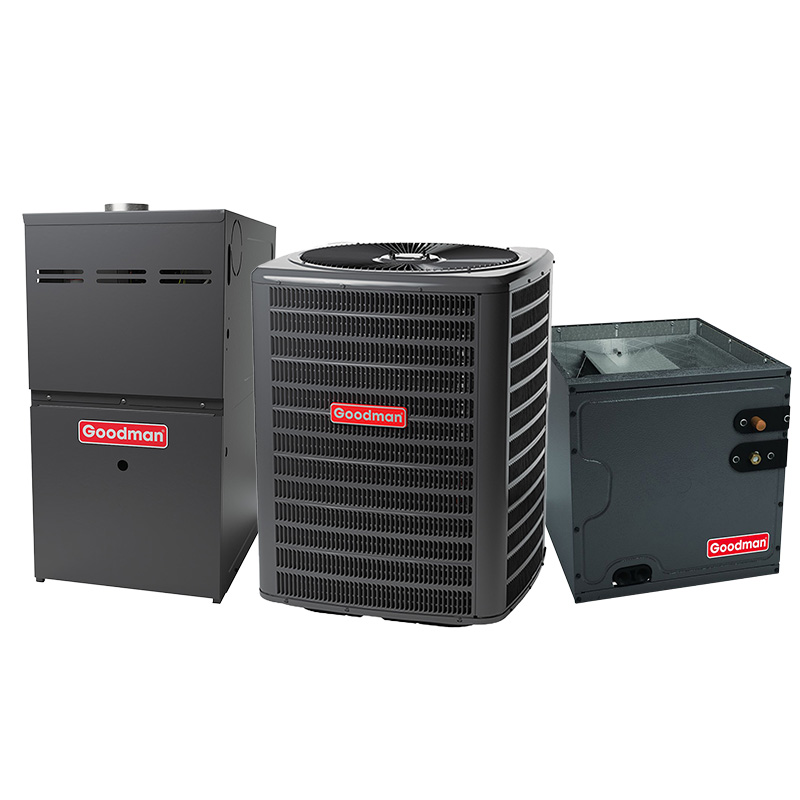
Goodman 2 Ton Dual Fuel Hybrid Heat Pump System – 60000 BTU California Low NOx Gas Furnace, 80% AFUE, 15.2 SEER2, Upflow, R32
View on AC Direct see your lowest price →Check current price on AC Direct →
Key features
- 15.2 SEER2 heat pump efficiency, meeting current federal minimums with modest headroom
- 80% AFUE upflow gas furnace rated at 60,000 BTU for supplemental and backup heat
- Dual fuel hybrid operation: heat pump runs in mild weather, furnace activates in hard freezes
- R-32 refrigerant with lower global warming potential than R-410A
- California Low NOx certified, compliant with stricter regional air quality requirements
- 2-ton capacity suited to smaller homes, with upflow orientation for basement or closet installs
About this system
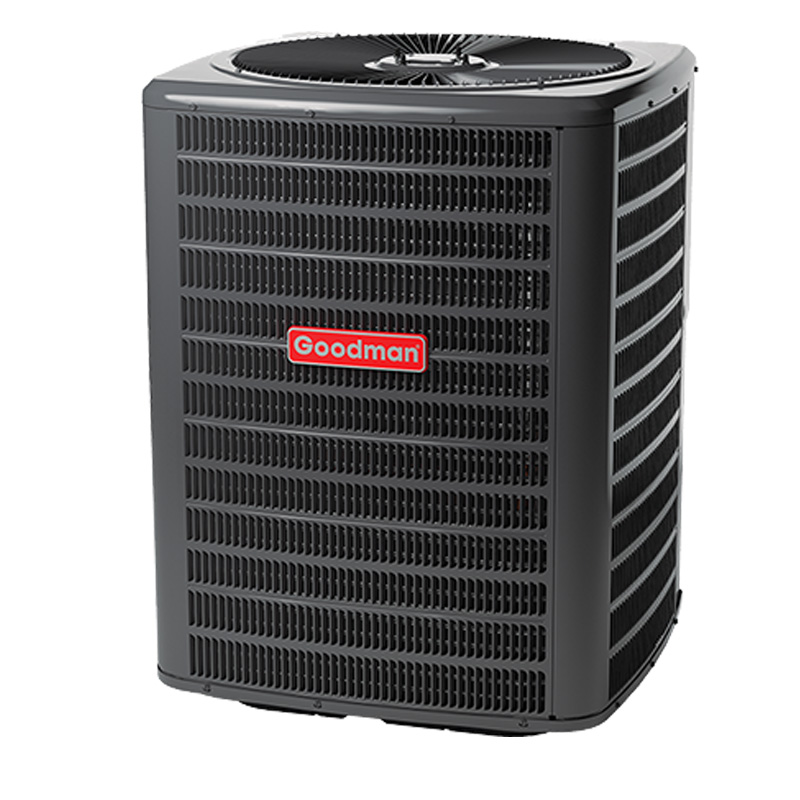
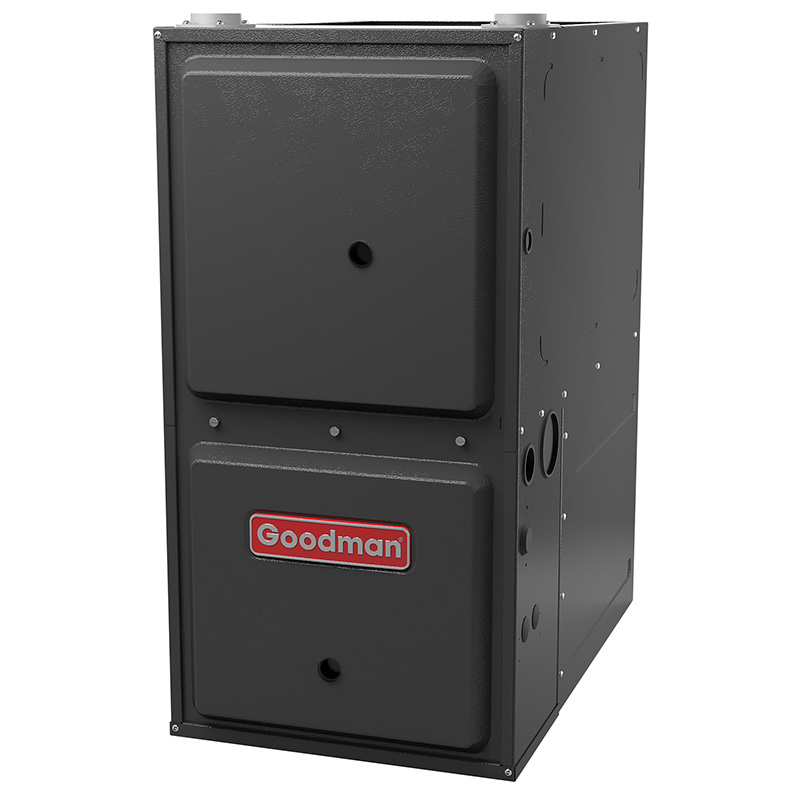
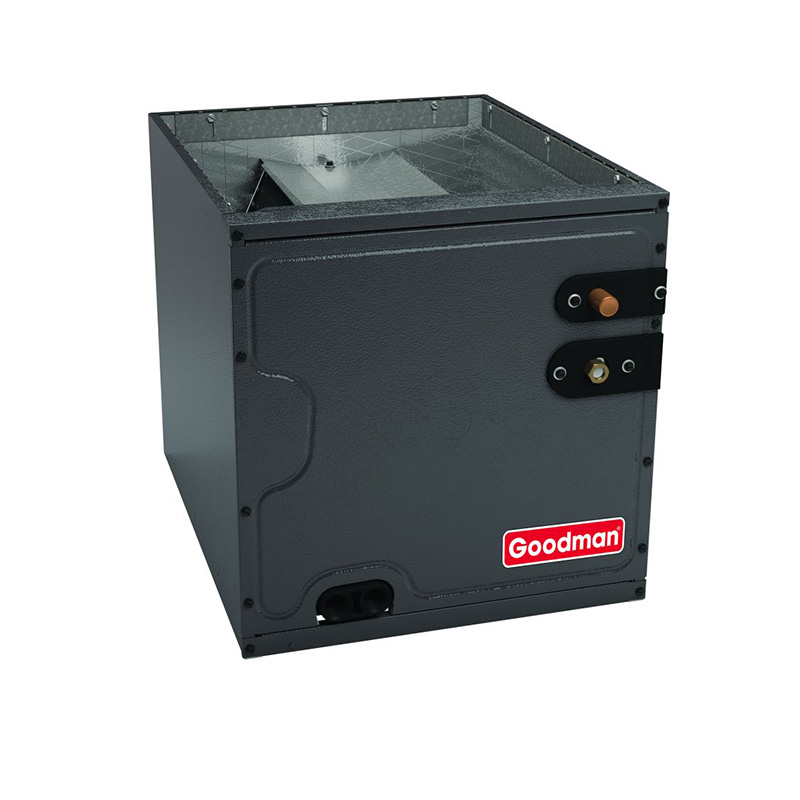
The Goodman 2-ton dual fuel hybrid system pairs a 15.2 SEER2 heat pump with a 60,000 BTU upflow gas furnace rated at 80% AFUE. In a dual fuel setup, the heat pump handles heating and cooling during mild weather, then the furnace takes over when outdoor temps drop to the point where a heat pump loses efficiency. The result is a system that can keep energy bills in check without giving up heating capacity during hard freezes. At 2 tons, it is sized for homes roughly in the 800 to 1,100 square foot range, though actual load calculations by a licensed HVAC contractor should always confirm the right size before purchase.
The 15.2 SEER2 rating sits just above the federal minimum efficiency requirements that took effect in 2023, placing this system in the entry-level efficiency tier rather than a high-efficiency one. The 80% AFUE furnace means one dollar in five spent on gas exits the flue as waste heat, which is the baseline standard rather than a premium figure. R-32 refrigerant is a notable upgrade over older R-410A systems, offering a lower global warming potential and improved efficiency characteristics. The upflow configuration moves conditioned air upward through the supply plenum, making it the right fit for installations where the air handler sits in a basement or closet with ductwork running overhead. California Low NOx compliance means the furnace meets stricter emissions standards required in California air quality districts, broadening where it can legally be installed.
This system delivers real value for budget-conscious homeowners in mild-to-cold climates who want dual fuel flexibility without paying premium-brand prices. The efficiency specs are honest entry-level figures, not standout performers, and long-term ownership costs depend heavily on how well the system is installed and maintained. Buyers who can afford a quality installation and budget for potential repairs after year seven will get the most out of it.
Overall score is the average of the five ratings above.
What we like
- Dual fuel hybrid setup balances electricity and gas costs based on real-time efficiency
- Priced roughly 15 to 25 percent below comparable Carrier, Trane, and Lennox systems
- R-32 refrigerant is more environmentally responsible and increasingly industry-standard
- California Low NOx certification opens the door for installs in regulated air quality districts
- Upflow configuration integrates cleanly into common basement and utility-closet duct layouts
Trade-offs
- 80% AFUE furnace is baseline efficiency; high-efficiency 96%+ alternatives waste significantly less gas
- 15.2 SEER2 sits at the lower end of current efficiency options, meaning higher long-run cooling costs than mid- or high-efficiency alternatives
- Goodman compressors average 10 to 14 years versus 15 to 20 years for premium brands, meaning a potentially earlier replacement cycle
- Dual capacitor failures and evaporator coil leaks are documented recurring issues, and repair costs can climb after roughly year seven based on owner feedback
What homeowners and pros say about Goodman
Homeowners who have installed Goodman equipment and taken to review platforms tell a familiar story. On Google dealer pages, where the brand averages around 3.8 out of 5 stars, affordability is the most common point of praise. Buyers who got strong quotes from a reliable local contractor and had the unit properly commissioned generally report satisfaction in the first several years of ownership. On ConsumerAffairs, where the brand scores closer to 2.5 out of 5, the tone shifts: that channel skews toward dissatisfied owners, and the recurring complaint is repair costs that start stacking up after roughly year seven. Neither score tells the whole story, but together they paint a picture of a brand that rewards careful installation and proactive maintenance while punishing neglect.
HVAC technicians are candid about this system’s documented failure patterns. Dual-run capacitors are the most commonly cited breakdown, a repair that is straightforward and typically costs between 300 and 600 dollars but still signals that these components have a finite service window. Evaporator coil leaks appear often enough in owner feedback to be worth noting, and a minority of owners report refrigerant leaks within the first year, which technicians usually attribute to installation or initial charge issues rather than the equipment itself. Compressor longevity is the longer-term concern: Goodman compressors average 10 to 14 years of service life, a shorter horizon than the 15 to 20 years typical of premium brands. For a dual fuel system where the heat pump compressor is cycling year-round for both heating and cooling, that lifespan gap is worth factoring into total cost of ownership before committing to the lower upfront price.
Sources: ConsumerAffairs Goodman owner reviews, AHRI Directory of Certified Product Performance, U.S. DOE appliance and equipment efficiency standards, Goodman product specification sheets.
What it costs to run
At 15.2 SEER2, cooling this 2-ton system for a typical 1200-hour cooling season at the U.S. average electricity rate of $0.17/kWh works out to roughly $322 per year in cooling, about $43 less per year than a minimum-efficiency 13.4 SEER2 unit of the same size. Your real cost depends on your climate and local rate.
Method: (24,000 BTU/hr ÷ 15.2 SEER2) × 1200 hours ÷ 1000 × $0.17/kWh. Rate source: U.S. EIA average; cooling hours: moderate-climate estimate.
How it compares
| Brand | Comparable model | SEER2 | Stage | Price position |
|---|---|---|---|---|
| Goodman | GSZTO Dual Fuel Hybrid System with GMVC8 Upflow Furnace | 15.2 | Single-stage | Value pick |
| Carrier | Performance 15 Dual Fuel System (25PCA series with 59TP6 furnace) | 15.2 | Single-stage | Typically 15 to 25 percent more than Goodman |
| Trane | XR15 Dual Fuel System (4TXR5 series with S9X1 furnace) | 15.2 | Single-stage | Typically 15 to 25 percent more than Goodman |
| Lennox | Merit Series Dual Fuel System (14ACX series with ML195 furnace) | 15.2 | Single-stage | Typically 15 to 25 percent more than Goodman |
Competitor rows are comparable single-stage units at similar efficiency; price is relative position, not a quote.
Questions about this system
How does the system decide when to run the heat pump versus the gas furnace?
A dual fuel control board or thermostat monitors outdoor temperature and switches between the two heat sources based on a programmed balance point, typically set between 35 and 40 degrees Fahrenheit. Below that point the furnace takes over because the heat pump's efficiency drops enough that gas becomes the cheaper option. Your installer sets this balance point during commissioning and it can be adjusted based on your local utility rates.
Is 80% AFUE good enough, or should I upgrade to a higher-efficiency furnace?
80% AFUE is the current federal minimum for non-weatherized gas furnaces in most regions, so it is not a high-efficiency rating. In a dual fuel system the furnace runs less frequently than in a gas-only setup, which reduces the annual savings gap between 80% and 96%+ AFUE. That said, homeowners in colder climates who expect the furnace to run often will see a meaningful efficiency benefit from upgrading.
What are the most common repairs I should budget for with a Goodman system?
Dual-run capacitor failures are the most frequently reported issue and typically cost between 300 and 600 dollars to fix, including labor. Evaporator coil leaks appear in a meaningful share of owner reviews and can be more expensive to address. Compressors on Goodman equipment average 10 to 14 years of service life, shorter than the 15 to 20 years commonly seen on premium brands, so budgeting for a potential compressor replacement in that window is prudent.
Does the R-32 refrigerant make this system harder or more expensive to service?
R-32 requires technicians to be certified for A2L refrigerants, which have a mild flammability classification. Most established HVAC contractors are already training for this transition since R-32 is becoming the industry standard, but it is worth confirming your service provider is qualified before scheduling work. Refrigerant costs for R-32 are generally comparable to R-410A at this time.
Will this system qualify for the federal energy efficiency tax credit?
To qualify for the 25C federal tax credit, the heat pump component must meet specific efficiency thresholds, currently 15.2 SEER2 and 8.1 HSPF2 for split systems. This system's 15.2 SEER2 rating sits right at that threshold, so eligibility depends on whether the heat pump's HSPF2 rating also meets the requirement. Check the AHRI certificate for this specific combination and consult a tax professional before filing.
Specifications
| Cooling capacity | 2 Ton |
| Efficiency | 15.2 SEER2 |
| Furnace output | 60000 BTU |
| Furnace efficiency | 80% AFUE |
| Configuration | Upflow |
| Refrigerant | R-32 |