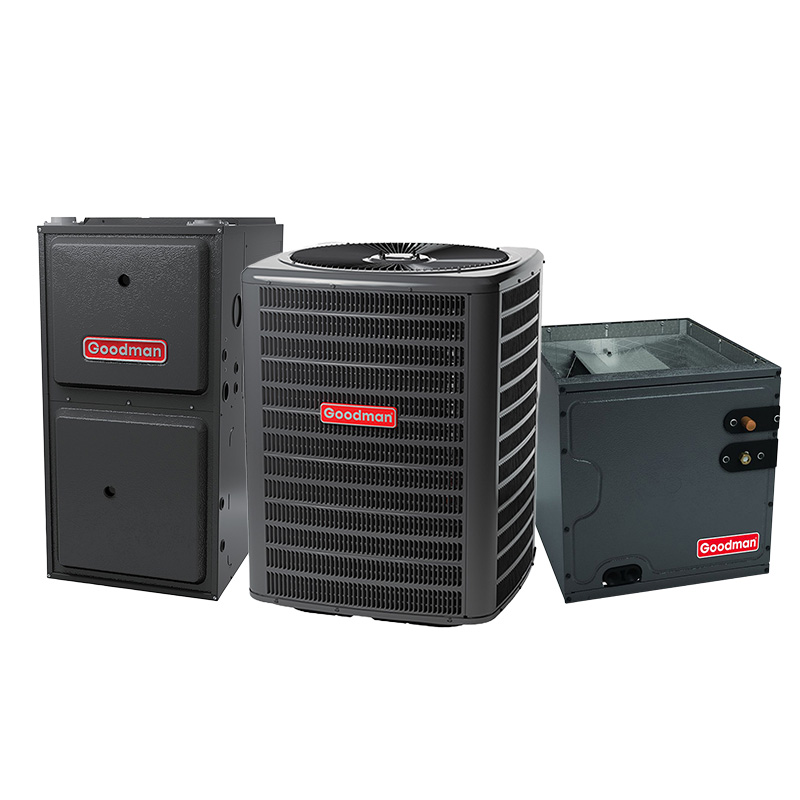
Goodman 2 Ton Dual Fuel Hybrid Heat Pump System – 60000 BTU Gas Furnace, 96% AFUE, 14.5 SEER2, Upflow, R32
View on AC Direct see your lowest price →Check current price on AC Direct →
Key features
- Dual fuel hybrid operation: heat pump runs in mild temps, 96% AFUE gas furnace takes over in cold weather automatically
- 14.5 SEER2 cooling efficiency meets 2023 federal minimum standards for most U.S. regions
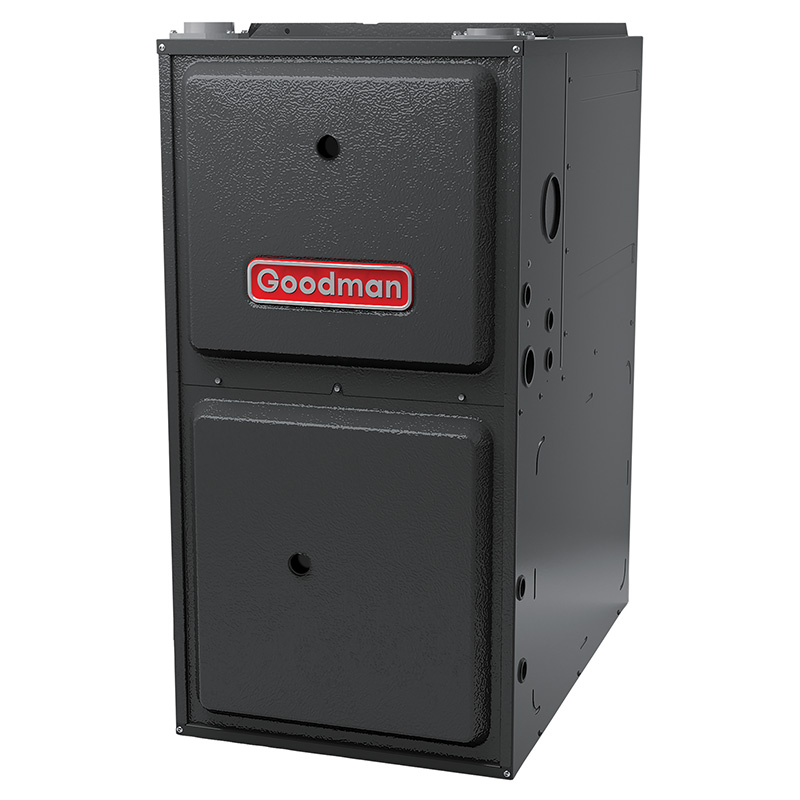
- 60,000 BTU gas furnace with 96% AFUE for high-efficiency heating and lower gas bills
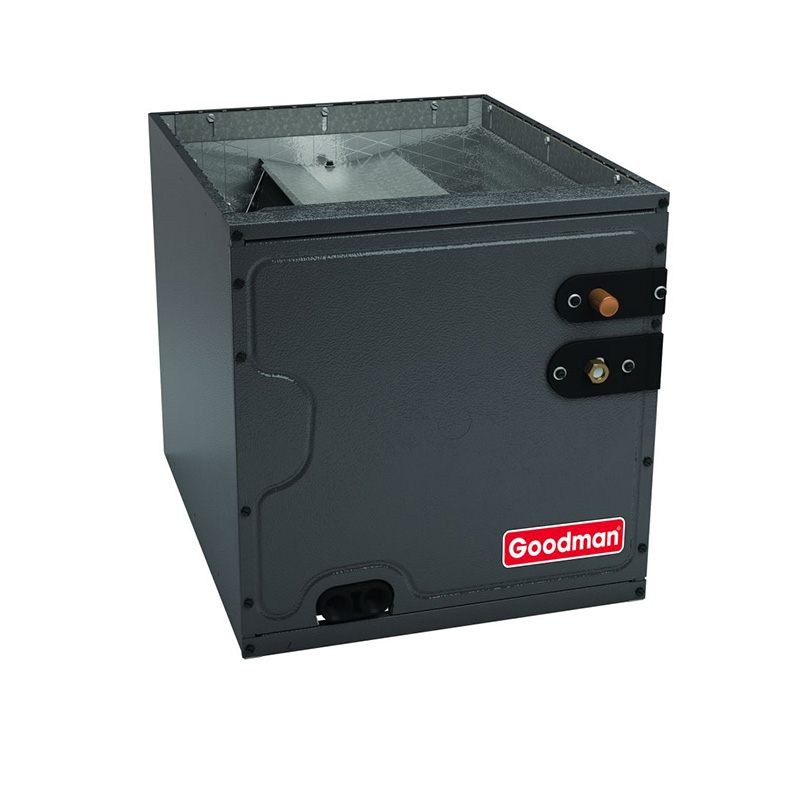
- Upflow configuration designed for basement or utility closet installs with overhead duct runs
- R-32 refrigerant replaces R-410A with roughly 68% lower global warming potential
- Factory-matched system ensures heat pump and furnace communicate correctly for reliable switchover control
About this system
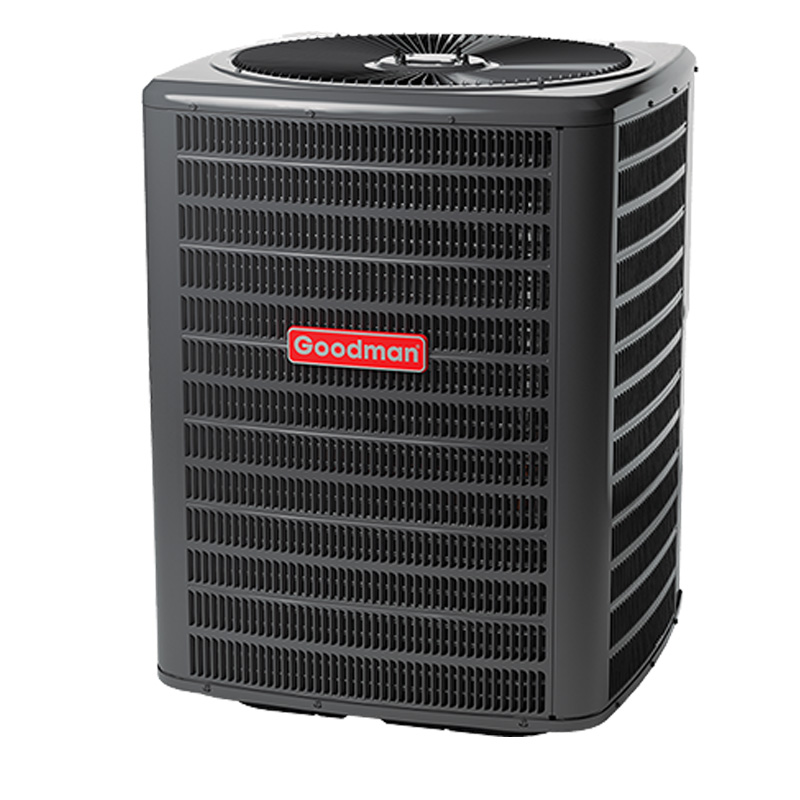
The Goodman 2-Ton Dual Fuel Hybrid Heat Pump System pairs a 14.5 SEER2 heat pump with a 60,000 BTU, 96% AFUE upflow gas furnace, giving you two heating sources in one coordinated package. In mild weather, the heat pump handles heating and cooling efficiently on electricity alone. When outdoor temperatures drop to the point where the heat pump loses efficiency, the system automatically hands off to the gas furnace, keeping comfort high without letting energy costs spike. That switchover logic is what makes a dual fuel setup genuinely useful in climates with cold winters and moderate shoulder seasons, typically USDA zones 4 through 6.
At 14.5 SEER2, this system sits at the entry tier of current federal efficiency standards, which took effect in 2023. It is not a high-efficiency cooling system in the premium sense, but the 96% AFUE furnace is a legitimate high-efficiency rating for heating, recovering 96 cents of heat from every dollar of gas burned. The upflow configuration means warm air exits the top of the air handler, so this system is designed for basement or closet installs where ductwork runs up through the home. R-32 refrigerant replaces older R-410A and carries a lower global warming potential, which is increasingly relevant for environmental compliance and future serviceability.
This system is best suited to homeowners in moderate-to-cold climates who want the efficiency benefits of a heat pump without giving up a gas backup, and who are working with a value-conscious budget. It is a practical, no-frills package, and like all Goodman equipment, how long it lasts and how well it performs will depend heavily on the quality of the installation.
This Goodman dual fuel package is a cost-effective way to get hybrid heating in a cold-climate home, and the 96% AFUE furnace is a genuine efficiency win on the heating side. The 14.5 SEER2 rating is entry-level for cooling, and Goodman's track record means you should budget for a capacitor replacement around years 5 to 8 and keep an eye on coil integrity past year 7. For buyers who want hybrid performance without a premium brand price tag and who hire a skilled installer, it delivers solid real-world value.
Overall score is the average of the five ratings above.
What we like
- Hybrid dual fuel logic reduces operating costs by using electricity when it is cheaper and gas when it is more efficient
- 96% AFUE is a top-tier heating efficiency rating that limits wasted fuel
- R-32 refrigerant improves environmental profile and positions the system well for future service regulations
- Factory-matched components reduce compatibility risk between the heat pump and furnace
- Priced roughly 15 to 25 percent below comparable Carrier, Trane, and Lennox systems, lowering the upfront barrier
Trade-offs
- 14.5 SEER2 is the efficiency floor, not the ceiling; premium systems at similar prices in some brands offer higher cooling efficiency
- Dual-run capacitor failures are the most commonly reported issue with Goodman equipment, typically appearing after year 5 and costing $300 to $600 to repair
- Evaporator coil leaks appear in a meaningful share of owner reviews, especially after year 7, and can be a costly repair
- Compressor lifespan averages 10 to 14 years, shorter than the 15 to 20 years reported for premium brand compressors
What homeowners and pros say about Goodman
Homeowners who have installed Goodman equipment often point to the upfront price as the clearest advantage, and that pattern holds for this dual fuel system. On Google dealer reviews, Goodman locations average around 3.8 out of 5 stars, with affordability cited most frequently as the reason buyers chose the brand. The picture is less flattering on ConsumerAffairs, where Goodman scores around 2.5 out of 5, driven by owners who return to post after repair bills arrive, often in years 7 through 10. The complaint pattern on that platform is consistent: the system runs fine early on, then repair costs accumulate, with dual-run capacitor failures being the most commonly mentioned specific problem, typically running $300 to $600 per occurrence. Evaporator coil leaks also appear regularly in longer-term owner accounts, and compressor longevity tends to fall in the 10 to 14 year range rather than the 15 to 20 years owners of premium brands report.
HVAC technicians who service Goodman equipment frequently echo a single point: installation quality is the dominant variable in how this brand performs. A properly sized, correctly charged, and well-commissioned Goodman system can run reliably for over a decade; a rushed or under-skilled install can produce refrigerant leak complaints within the first year, which is a documented failure mode in a minority of Goodman units and is generally traced back to charge or line-set issues rather than a factory defect. For a dual fuel hybrid system specifically, that installation complexity is higher than a straight heat pump or furnace alone, because the switchover controls, balance point settings, and dual fuel thermostat all need to be configured correctly. Buyers who vet their installer as carefully as they vet the equipment tend to get far better outcomes with this brand than those who choose the lowest-bid contractor.
Sources: ConsumerAffairs Goodman owner reviews, AHRI Directory of Certified Product Performance, U.S. DOE appliance and equipment efficiency standards, Goodman product specification sheets.
What it costs to run
At 14.5 SEER2, cooling this 2-ton system for a typical 1200-hour cooling season at the U.S. average electricity rate of $0.17/kWh works out to roughly $338 per year in cooling, about $27 less per year than a minimum-efficiency 13.4 SEER2 unit of the same size. Your real cost depends on your climate and local rate.
Method: (24,000 BTU/hr ÷ 14.5 SEER2) × 1200 hours ÷ 1000 × $0.17/kWh. Rate source: U.S. EIA average; cooling hours: moderate-climate estimate.
How it compares
| Brand | Comparable model | SEER2 | Stage | Price position |
|---|---|---|---|---|
| Goodman | 2-Ton Dual Fuel Hybrid Heat Pump with 60,000 BTU 96% AFUE Furnace | 14.5 | Single-stage | Value pick |
| Carrier | Performance Series Dual Fuel (25HCB / 59SP6) | 15.0 | Single-stage | Typically 15 to 25 percent more than this Goodman |
| Trane | XR15 Dual Fuel (XR15 heat pump / S9X2 furnace) | 15.0 | Single-stage | Typically 15 to 25 percent more than this Goodman |
| Lennox | Merit Series Dual Fuel (14HPX / ML196E) | 14.3 | Single-stage | Typically 15 to 25 percent more than this Goodman |
Competitor rows are comparable single-stage units at similar efficiency; price is relative position, not a quote.
Questions about this system
At what outdoor temperature does this system switch from heat pump to gas furnace?
The switchover point, called the balance point, is typically set between 35°F and 40°F during installation, though your installer can adjust it based on your local utility rates and climate. Below that threshold the system automatically fires the 96% AFUE gas furnace because the heat pump's efficiency drops enough that gas becomes the more cost-effective heat source.
Is 14.5 SEER2 enough, or should I pay more for a higher-efficiency heat pump in this package?
14.5 SEER2 meets the 2023 federal minimum for most northern U.S. regions, so it is compliant and functional, but it is the entry point rather than a standout. In a dual fuel setup, the heat pump handles the shoulder seasons and the furnace covers peak cold, so the cooling efficiency matters most during summer months. If your summers are long and hot, stepping up to a 16 or 17 SEER2 system would reduce summer electricity costs more noticeably.
What are the most likely repair costs I should plan for over the first 10 years?
Goodman's most commonly reported failure is the dual-run capacitor, usually a $300 to $600 repair that often surfaces after year 5. Evaporator coil leaks are a secondary concern, showing up in a notable share of owner reviews past the 7-year mark and costing more to address. Setting aside a small service reserve each year is a reasonable approach with this brand.
Does this system work with my existing ductwork and thermostat?
The upflow configuration requires ductwork that runs upward from the unit, which fits most basement and utility closet installations. A dual fuel system also requires a compatible dual fuel thermostat that can send separate signals to the heat pump and furnace for proper switchover; not all standard thermostats support this, so confirm compatibility with your installer before purchasing.
Why does Goodman use R-32 instead of R-410A, and does that affect serviceability?
R-32 has roughly 68% lower global warming potential than R-410A and is part of the industry-wide shift away from higher-GWP refrigerants prompted by EPA regulations and international agreements. Most technicians can service R-32 systems with updated recovery equipment, but it is worth confirming that your local HVAC service companies have the tools for it, since not every shop has upgraded yet.
Specifications
| Cooling capacity | 2 Ton |
| Efficiency | 14.5 SEER2 |
| Furnace output | 60000 BTU |
| Furnace efficiency | 96% AFUE |
| Configuration | Upflow |
| Refrigerant | R-32 |