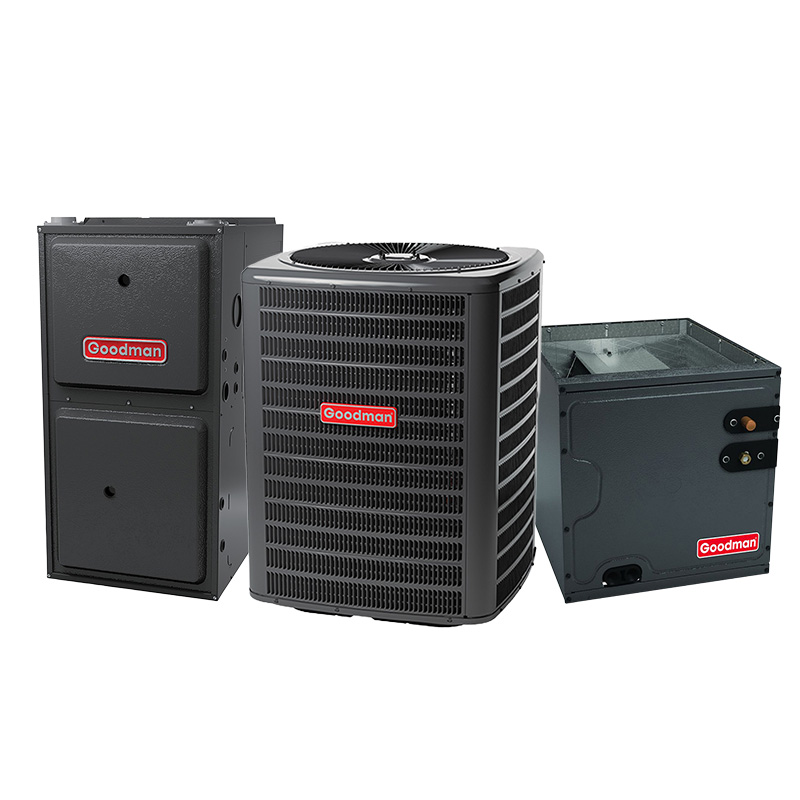
Goodman 2 Ton Dual Fuel Hybrid Heat Pump System – 60000 BTU Gas Furnace, Two Stage, 96% AFUE, Upflow, 14.5 SEER2, R32
View on AC Direct see your lowest price →Check current price on AC Direct →
Key features
- Dual fuel hybrid design automatically switches between heat pump and 96% AFUE gas furnace based on outdoor conditions
- Two-stage gas furnace reduces short cycling and improves comfort consistency versus single-stage units
- 14.5 SEER2 heat pump rating meets current federal minimum efficiency standards for most U.S. regions
- R-32 refrigerant with lower global warming potential than legacy R-410A
- Upflow configuration suits basement or closet installations where supply air is directed upward
- 2-ton / 60,000 BTU capacity sized for smaller to mid-size homes with proper load calculation
About this system
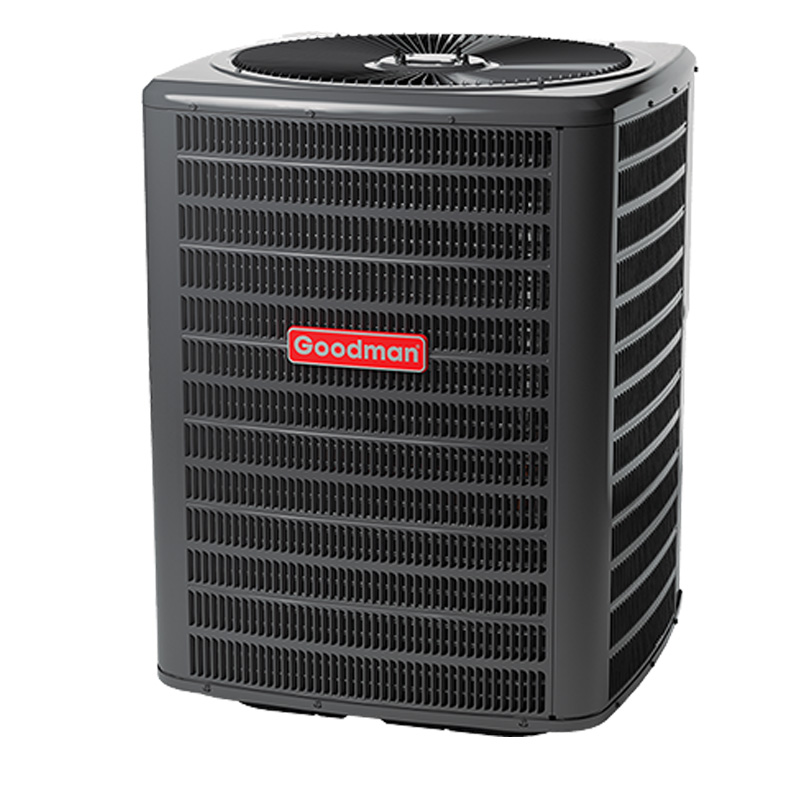
The Goodman 2-ton dual fuel hybrid system pairs a 14.5 SEER2 heat pump with a 96% AFUE two-stage gas furnace in an upflow configuration, giving you two heat sources that hand off automatically based on outdoor temperature. When electricity is cheap and conditions are mild, the heat pump handles the load. When temps drop and gas becomes more cost-effective, the furnace takes over. That switchover logic is what makes a dual fuel setup compelling for climate zones that see genuine winters but not necessarily extreme cold for months at a time.
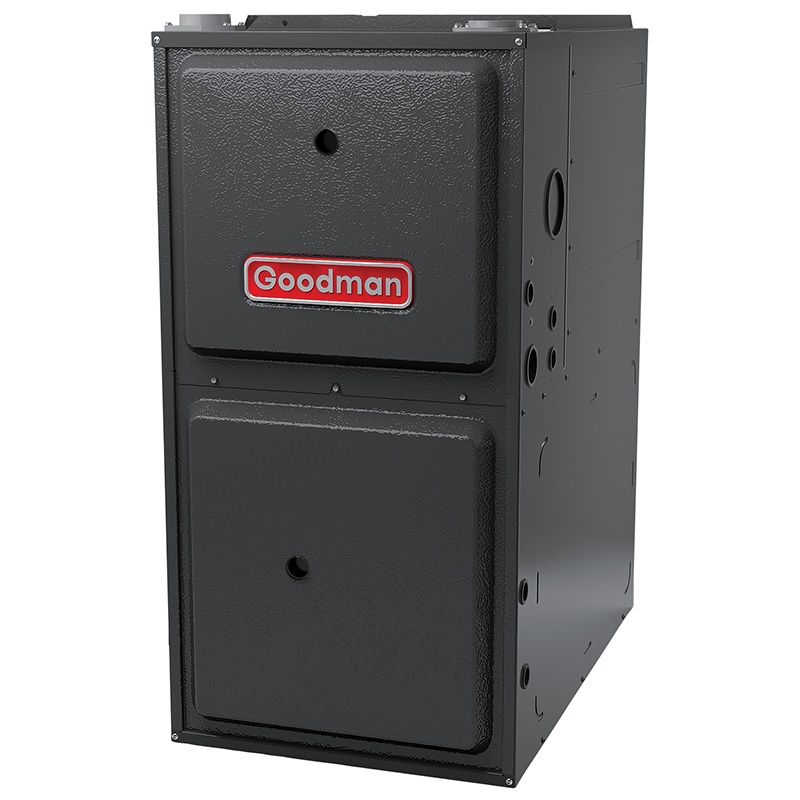
The 60,000 BTU furnace running at 96% AFUE means very little heat is lost up the flue, which is among the highest efficiency tiers available for a gas furnace. Two-stage operation on the furnace means the system runs at a lower capacity most of the time, cycling less aggressively and keeping indoor temperatures more stable than a single-stage unit would. R-32 refrigerant carries a lower global warming potential than the R-410A it replaces, and it is increasingly the industry standard going forward. At 2 tons this system is sized for homes roughly in the 900 to 1,300 square foot range, though proper Manual J load calculation by your installer should confirm that before anything is ordered.
Goodman positions this package as a budget-accessible entry into dual fuel technology, typically priced 15 to 25 percent below comparable setups from Trane, Lennox, and Carrier. That price gap is real, and so are the trade-offs that come with it. The system rewards a skilled installation and is less forgiving of shortcuts than premium-tier equipment tends to be. Buyers who prioritize upfront cost savings and are comfortable with the possibility of a repair or two in years seven through twelve will find this package worth serious consideration.
This Goodman dual fuel system delivers a genuinely useful combination of heat pump efficiency and high-AFUE gas backup at a price point that undercuts major premium brands by a meaningful margin. The trade-off is a reliability record that is adequate rather than exceptional, with well-documented weak points at the capacitor and evaporator coil that owners should plan for financially. It earns its place in the market for cost-conscious buyers who prioritize installation quality and carry a budget for periodic maintenance.
Overall score is the average of the five ratings above.
What we like
- Dual fuel logic reduces heating operating costs by using the heat pump during mild weather and gas only when it earns its keep
- 96% AFUE furnace is among the most efficient gas furnace tiers available, minimizing flue losses
- Two-stage furnace operation lowers temperature swings and reduces noisy on-off cycling
- R-32 refrigerant is forward-looking and avoids the supply uncertainty surrounding the phase-out of R-410A
- Entry price is typically 15 to 25 percent below comparable Carrier, Trane, and Lennox dual fuel packages
Trade-offs
- Dual-run capacitors are the most frequently reported failure point, usually appearing within the first decade at a repair cost of roughly 300 to 600 dollars
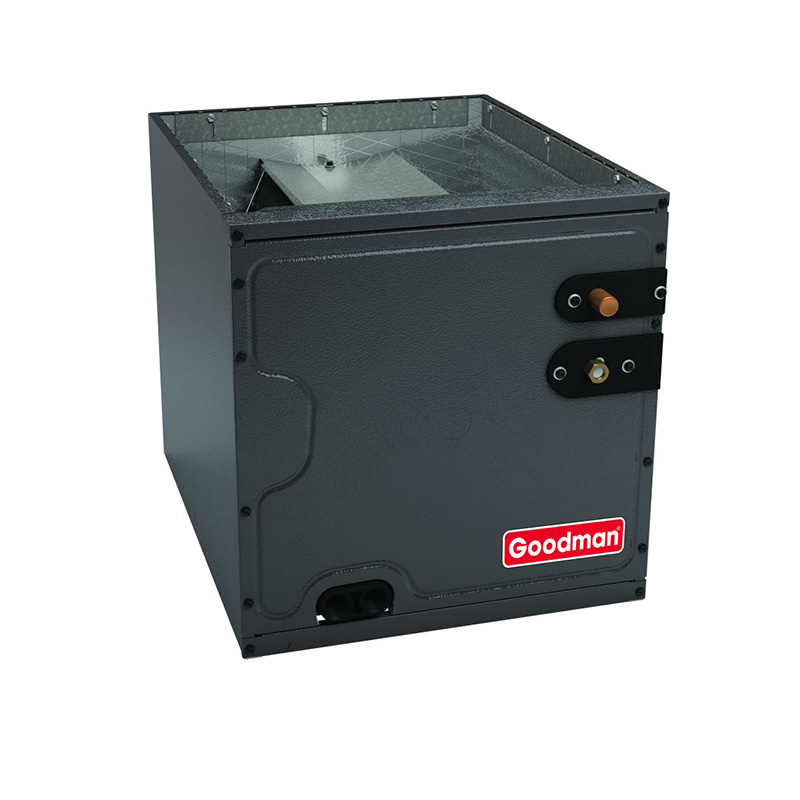
- Evaporator coil leaks appear in a meaningful share of owner reviews, a more involved and costly repair than a capacitor swap
- Compressor lifespan averages 10 to 14 years in documented experience, shorter than the 15 to 20 years typical of premium-brand compressors
- A minority of owners have reported refrigerant leaks within the first year, most often traced to install or initial charge issues rather than manufacturing defects
What homeowners and pros say about Goodman
Homeowners who browse ConsumerAffairs give Goodman equipment an average of about 2.5 out of 5, though that platform draws disproportionately from people who had a frustrating enough experience to post about it. The recurring theme in those reviews is repair costs that start accumulating around year seven or eight, which aligns with what technicians say in the field. Google dealer reviews tell a more balanced story, averaging around 3.8 out of 5 across locations with hundreds of reviews, and affordability shows up repeatedly as the reason buyers chose Goodman and are glad they did. Neither number is glowing, but the gap between the two scores reflects how strongly outcomes depend on who installs and services the equipment.
HVAC technicians are generally candid about where Goodman systems tend to cause callbacks. Dual-run capacitors are the most commonly flagged failure point on Goodman heat pump equipment, a repair that is quick and relatively inexpensive at 300 to 600 dollars but one that comes up often enough to be part of the planning conversation. Evaporator coil leaks appear in enough owner reviews to be worth noting as a more serious and costly possibility. Compressor lifespan in documented real-world experience tends to land in the 10-to-14-year window rather than the 15-to-20 years that premium-brand equipment more reliably achieves. A smaller share of owners have encountered refrigerant leaks within the first year, something technicians consistently attribute to installation or initial charge problems rather than anything built into the unit at the factory. That distinction matters: for this system specifically, the quality of the person putting it in is not a secondary concern, it is central to whether the machine performs as expected.
Sources: ConsumerAffairs Goodman owner reviews, AHRI Directory of Certified Product Performance, U.S. DOE appliance and equipment efficiency standards, Goodman product specification sheets.
What it costs to run
At 14.5 SEER2, cooling this 2-ton system for a typical 1200-hour cooling season at the U.S. average electricity rate of $0.17/kWh works out to roughly $338 per year in cooling, about $27 less per year than a minimum-efficiency 13.4 SEER2 unit of the same size. Your real cost depends on your climate and local rate.
Method: (24,000 BTU/hr ÷ 14.5 SEER2) × 1200 hours ÷ 1000 × $0.17/kWh. Rate source: U.S. EIA average; cooling hours: moderate-climate estimate.
How it compares
| Brand | Comparable model | SEER2 | Stage | Price position |
|---|---|---|---|---|
| Goodman | 2-Ton Dual Fuel Hybrid – 60,000 BTU 96% AFUE Two-Stage Upflow / 14.5 SEER2 R-32 | 14.5 | Two-stage furnace | Value pick |
| Carrier | Performance Series Dual Fuel (25HCB / 59TP6 pairing) | 15–16 | Two-stage | Typically 15 to 25 percent more than this Goodman package |
| Trane | XR15 Dual Fuel (XR15 heat pump / S9V2 furnace pairing) | 15 | Two-stage furnace | Typically 15 to 25 percent more than this Goodman package |
| Lennox | Merit Series Dual Fuel (14HPX / ML96V pairing) | 15 | Two-stage furnace | Typically 15 to 25 percent more than this Goodman package |
Competitor rows are comparable single-stage units at similar efficiency; price is relative position, not a quote.
Questions about this system
How does the system decide when to use the heat pump versus the gas furnace?
A balance point temperature, typically set during installation, tells the system when outdoor temps make gas heat more economical than running the heat pump. Below that threshold the furnace takes over automatically. Your installer should set this based on your local utility rates and climate, not leave it at a generic factory default.
Is a 2-ton unit enough for my home, or should I size up?
Two tons is appropriate for roughly 900 to 1,300 square feet in a moderately insulated home, but square footage alone is not a reliable guide. A proper Manual J load calculation accounts for ceiling height, insulation levels, window area, and local climate data. Do not let any contractor size this system by rule of thumb alone.
What should I budget for likely repairs over the first 10 years?
Dual-run capacitors are the most commonly reported failure on Goodman heat pump systems and typically cost 300 to 600 dollars to diagnose and replace. Evaporator coil leaks are less common but significantly more expensive. Setting aside 500 to 1,000 dollars in a maintenance fund after year five is a reasonable precaution based on documented owner experience.
Does R-32 refrigerant affect service costs or availability compared to older refrigerants?
R-32 is increasingly stocked by HVAC distributors and is not considered a specialty refrigerant. Most technicians familiar with R-410A equipment can handle R-32 with appropriate equipment. The main practical difference is that R-32 is mildly flammable, so it requires certified technicians and cannot be topped off by unqualified DIYers.
What warranty does Goodman provide on this system, and are there conditions attached?
Goodman's standard registered warranty covers the compressor and heat exchanger for 10 years and parts for 10 years when registered within 60 days of installation. Warranty coverage requires installation by a licensed contractor and may be voided by improper refrigerant charge or unauthorized modifications, which is one more reason installation quality matters on this brand.
Specifications
| Cooling capacity | 2 Ton |
| Efficiency | 14.5 SEER2 |
| Furnace output | 60000 BTU |
| Furnace efficiency | 96% AFUE |
| Configuration | Upflow |
| Refrigerant | R-32 |