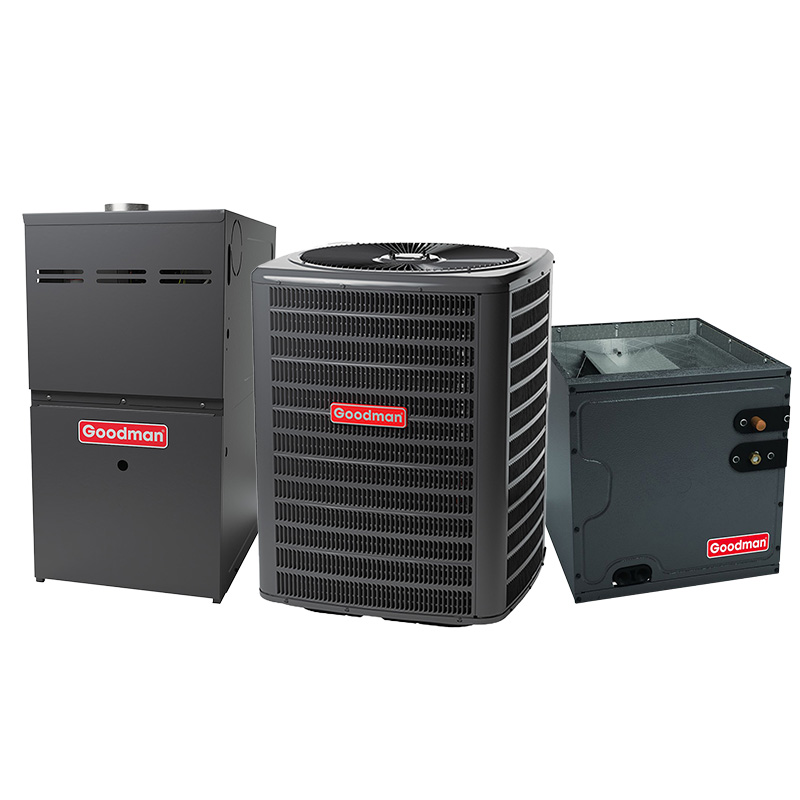
Goodman 2 Ton Dual Fuel Hybrid Heat Pump System – 80000 BTU California Low NOx Gas Furnace, 80% AFUE, 15.2 SEER2, Upflow, R32
View on AC Direct see your lowest price →Check current price on AC Direct →
Key features
- 15.2 SEER2 cooling efficiency meets current federal minimums with modest headroom
- 80,000 BTU gas furnace rated at 80% AFUE, upflow configuration
- Dual fuel hybrid logic automatically switches between heat pump and gas heat at a set balance-point temperature
- California Low NOx certified furnace, compliant with CARB air-quality requirements
- R-32 refrigerant with lower global-warming potential than legacy R-410A
- 2-ton capacity suited to smaller conditioned spaces, typically under 1,100 square feet
About this system
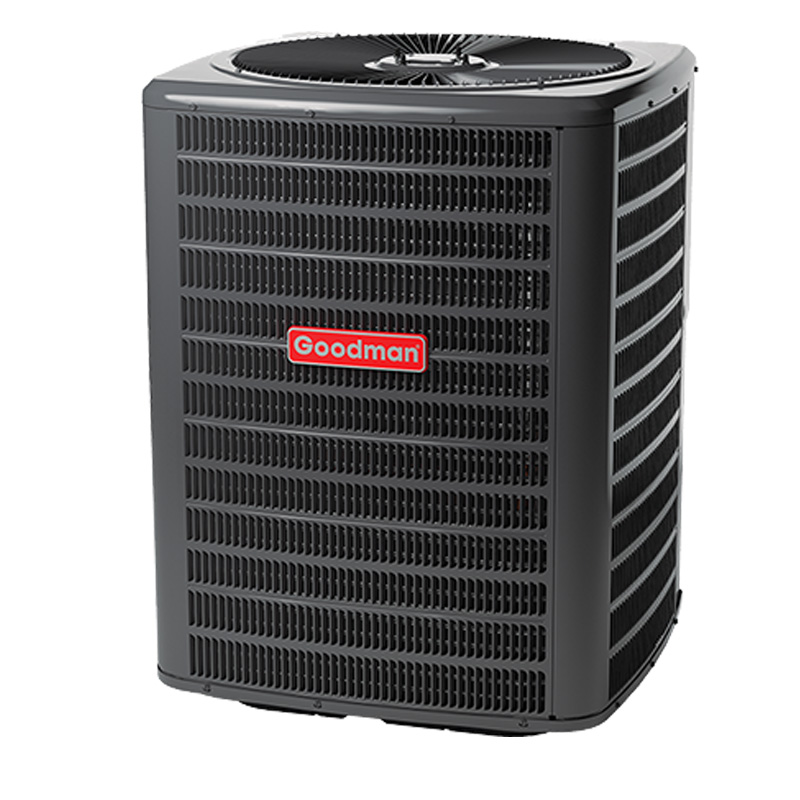
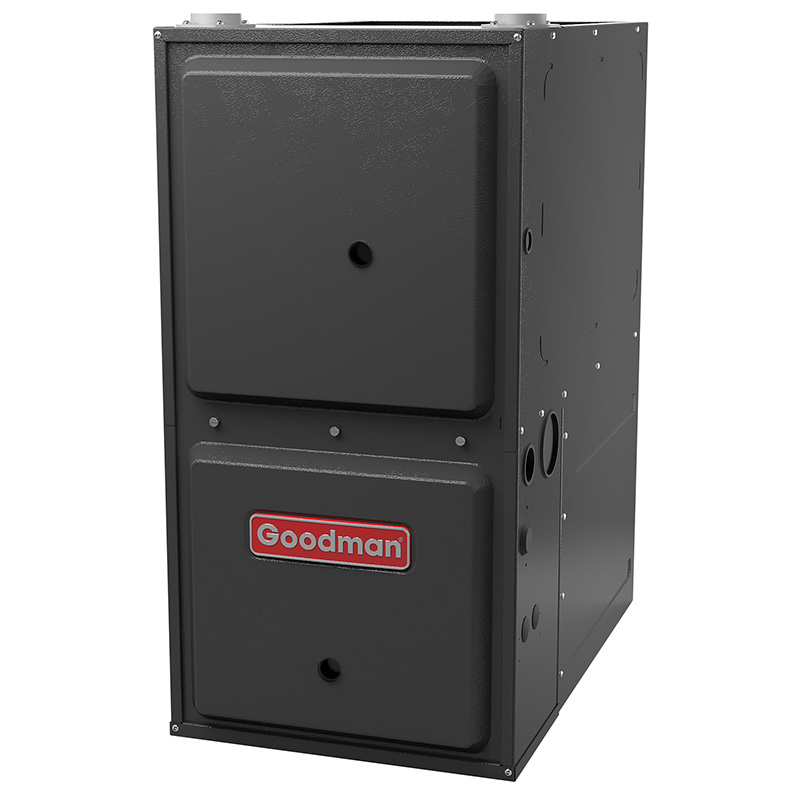
The Goodman 2-ton dual fuel hybrid system pairs a 15.2 SEER2 heat pump with an 80,000 BTU, 80% AFUE upflow gas furnace, giving you two heat sources under one control strategy. In mild weather the heat pump handles heating at a lower operating cost than burning gas; when outdoor temperatures drop to the point where the heat pump loses efficiency, the furnace takes over automatically. That switchover logic makes a dual fuel setup most useful in climates with genuine cold snaps rather than sustained deep freezes, roughly USDA zones 5 through 7.
The 2-ton rating suits smaller homes, typically 700 to 1,100 square feet depending on insulation and ceiling height, though a proper Manual J load calculation should drive that decision, not rules of thumb. R-32 refrigerant carries a lower global-warming potential than the R-410A it replaces and is required in California, where the Low NOx furnace certification keeps this system legal to sell and install in CARB-regulated counties. The upflow configuration discharges conditioned air upward through supply ductwork above the unit, the standard orientation for attic duct systems and many basement or closet installs. At 80% AFUE the furnace converts eight of every ten units of gas into usable heat, a code-minimum tier in most jurisdictions rather than a high-efficiency rating.
Goodman positions this system as a budget-accessible entry point into dual fuel technology. That means real savings at purchase time compared with Carrier, Trane, or Lennox equivalents, but also real trade-offs in component longevity and factory support that buyers should weigh honestly before committing.
This system delivers genuine dual fuel flexibility and California compliance at a price point that undercuts the major premium brands by 15 to 25 percent, making it a reasonable choice for cost-conscious buyers who want gas backup without paying top-tier prices. The 80% AFUE furnace and entry-level SEER2 rating leave efficiency on the table compared with higher-tier options, and Goodman's documented history of capacitor failures, coil leaks, and compressor lifespans shorter than premium brands means ongoing maintenance should be budgeted from day one. Whether the upfront savings justify the long-term trade-offs depends largely on install quality and how rigorously you maintain the system.
Overall score is the average of the five ratings above.
What we like
- Purchase price is typically 15 to 25 percent below comparable Carrier, Trane, and Lennox dual fuel systems
- Dual fuel logic reduces gas consumption during mild cold stretches, lowering heating operating costs
- R-32 refrigerant compliance makes this ready for California and forward-looking regulations elsewhere
- California Low NOx certification satisfies CARB requirements without an aftermarket add-on
- Widely available replacement parts through Goodman's broad distributor network keep repair costs manageable
Trade-offs
- 80% AFUE is code-minimum efficiency; a 96% AFUE modulating furnace would cut gas bills meaningfully in colder climates
- Compressor lifespan averages 10 to 14 years per owner data, shorter than the 15 to 20 years commonly reported for premium brands
- Dual run capacitors are the most frequently reported failure point and, while usually a low-cost fix, signal that budget-grade components are used throughout
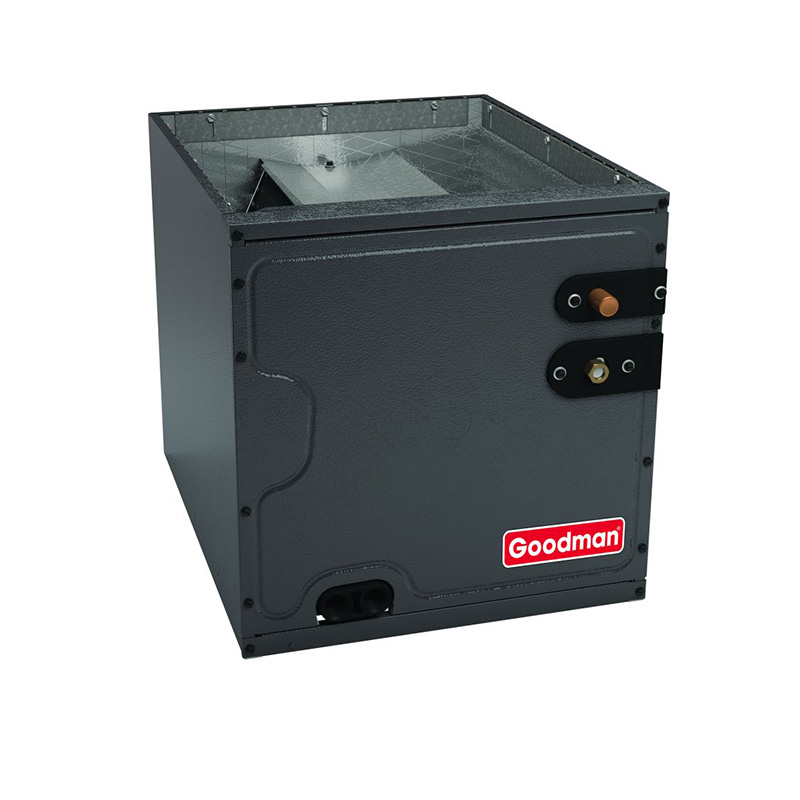
- Evaporator coil leaks appear in a meaningful share of owner reviews and can be costly to address after the parts warranty lapses
What homeowners and pros say about Goodman
Homeowners who have gone the Goodman route often land in one of two camps. Those who got a careful install from an experienced contractor and stayed on top of annual tune-ups tend to report years of trouble-free operation, and Google dealer reviews across multiple locations average around 3.8 out of 5, with affordability showing up again and again as the reason people chose the brand. The other camp shows up heavily in complaint-weighted channels like ConsumerAffairs, where Goodman sits at roughly 2.5 out of 5, and the recurring story is repair costs climbing after year seven or eight. That gap between the two groups points less at the equipment itself and more at how well it was installed and maintained.
HVAC technicians who service Goodman equipment regularly tend to be matter-of-fact about what to expect: dual run capacitors are the most common call-out, usually a quick fix in the 300 to 600 dollar range but worth watching as a signal that other budget-grade components exist throughout the system. Evaporator coil leaks appear in a real share of owner histories, and compressor lifespans running 10 to 14 years versus the 15 to 20 years more typical of premium brands are an honest trade-off for the lower upfront cost. For a dual fuel hybrid specifically, pros note that correct balance-point setup and a clean refrigerant charge at commissioning are non-negotiable, since a sloppy install on a dual fuel system compounds the margin-for-error issues that already exist on any budget-brand equipment.
Sources: ConsumerAffairs Goodman owner reviews, AHRI Directory of Certified Product Performance, U.S. DOE appliance and equipment efficiency standards, Goodman product specification sheets.
What it costs to run
At 15.2 SEER2, cooling this 2-ton system for a typical 1200-hour cooling season at the U.S. average electricity rate of $0.17/kWh works out to roughly $322 per year in cooling, about $43 less per year than a minimum-efficiency 13.4 SEER2 unit of the same size. Your real cost depends on your climate and local rate.
Method: (24,000 BTU/hr ÷ 15.2 SEER2) × 1200 hours ÷ 1000 × $0.17/kWh. Rate source: U.S. EIA average; cooling hours: moderate-climate estimate.
How it compares
| Brand | Comparable model | SEER2 | Stage | Price position |
|---|---|---|---|---|
| Goodman | 2-Ton Dual Fuel Hybrid (GSZTO / GMSS8 series) | 15.2 | Single-stage | Value pick |
| Carrier | Performance Series Dual Fuel (25HCE / 58SB series) | 15.2 | Single-stage | Typically 15 to 25 percent more than Goodman |
| Trane | XR15 Dual Fuel (XR15 / S8X1 series) | 15.0 | Single-stage | Typically 15 to 25 percent more than Goodman |
| Lennox | Merit Series Dual Fuel (ML15XP1 / ML180 series) | 15.2 | Single-stage | Typically 15 to 25 percent more than Goodman |
Competitor rows are comparable single-stage units at similar efficiency; price is relative position, not a quote.
Questions about this system
What outdoor temperature should I set as the balance point for the dual fuel switchover?
Most installers set the balance point between 35 and 40 degrees Fahrenheit, where the heat pump's efficiency typically drops below what the gas furnace can deliver per dollar of energy. Your installer should calculate the actual crossover temperature using your local utility rates for electricity and gas, since that ratio varies by region and changes over time.
Is R-32 refrigerant harder or more expensive to service than R-410A?
R-32 requires technicians to use tools and procedures rated for it, including leak detection equipment calibrated to R-32, but it is not dramatically more expensive to service at this point. Availability is growing rapidly as manufacturers transition away from R-410A, and most established HVAC contractors in California are already equipped to handle it.
Does the California Low NOx rating matter outside of California?
It has no regulatory impact outside CARB-regulated areas, but it does signal a lower nitrogen oxide output during combustion, which is a genuine air-quality benefit regardless of where you live. You will not pay a penalty for having it in other states.
What maintenance does this system need to protect against the known failure points?
Annual capacitor inspection during a tune-up is the single most cost-effective step, given that dual run capacitor failure is the most commonly reported issue on Goodman equipment. Keeping coil surfaces clean, maintaining proper refrigerant charge at installation, and replacing air filters on schedule all reduce the risk of evaporator coil leaks and compressor strain over time.
Is a 2-ton unit large enough for my home, and how do I know for certain?
A 2-ton system is typically appropriate for 700 to 1,100 square feet under average insulation conditions, but square footage alone is not a reliable guide. The only accurate method is a Manual J load calculation performed by your HVAC contractor before installation; oversizing causes short-cycling and humidity problems while undersizing leaves the system running continuously in extreme weather.
Specifications
| Cooling capacity | 2 Ton |
| Efficiency | 15.2 SEER2 |
| Furnace output | 80000 BTU |
| Furnace efficiency | 80% AFUE |
| Configuration | Upflow |
| Refrigerant | R-32 |