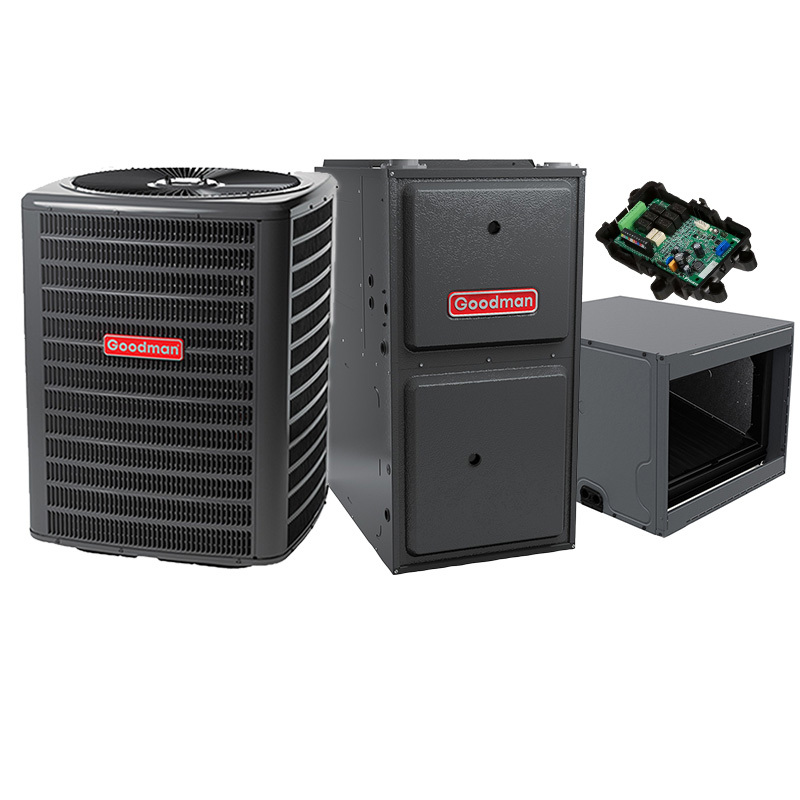
Goodman 3.5 Ton 13.4 SEER2 100000 BTU 96% AFUE Gas Furnace With R32 Air Condenser and Coil System – Horizontal
View on AC Direct see your lowest price →Check current price on AC Direct →
Key features
- 3.5-ton cooling capacity paired with a 100,000 BTU, 96% AFUE gas furnace
- 13.4 SEER2 efficiency rating meets current federal minimums for most U.S. climate zones
- Horizontal configuration designed for crawlspace, attic, or side-load utility closet installs
- R-32 refrigerant with lower global warming potential than R-410A
- Factory-matched condenser, evaporator coil, and furnace for consistent rated performance
- Single-stage operation on both the cooling and heating sides
About this system
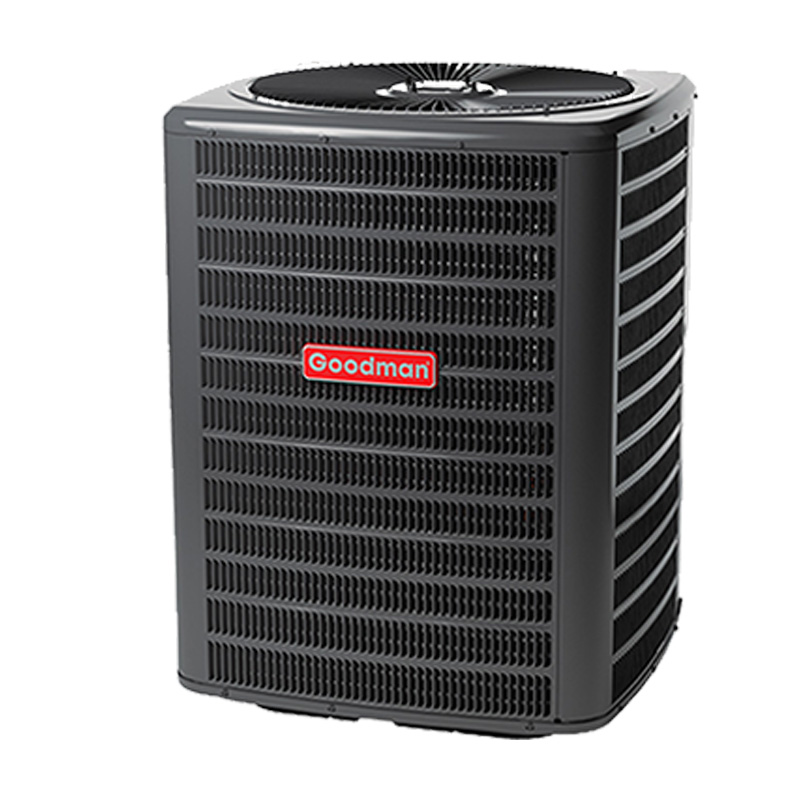
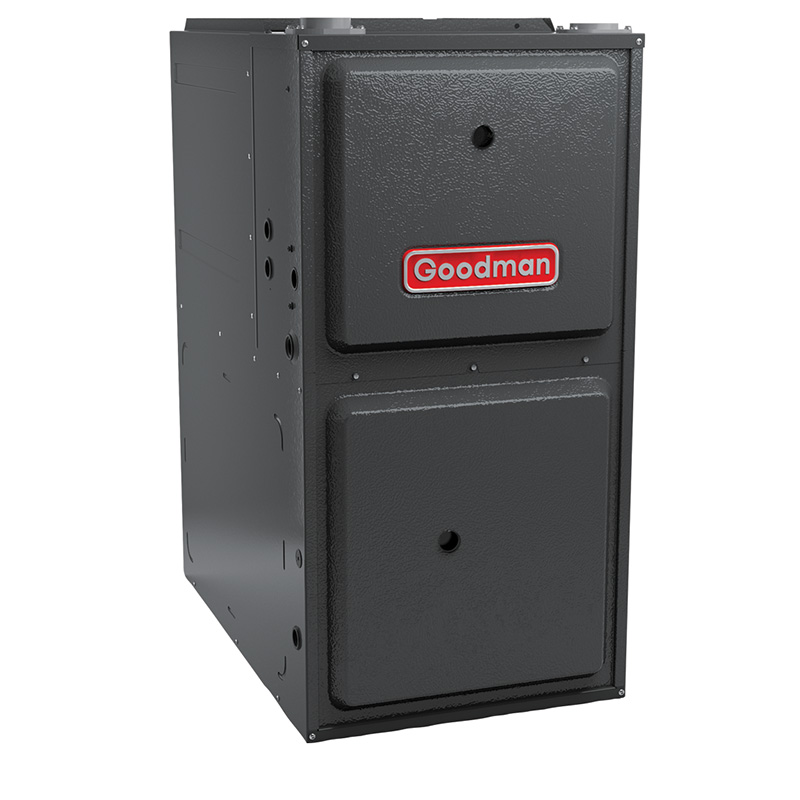
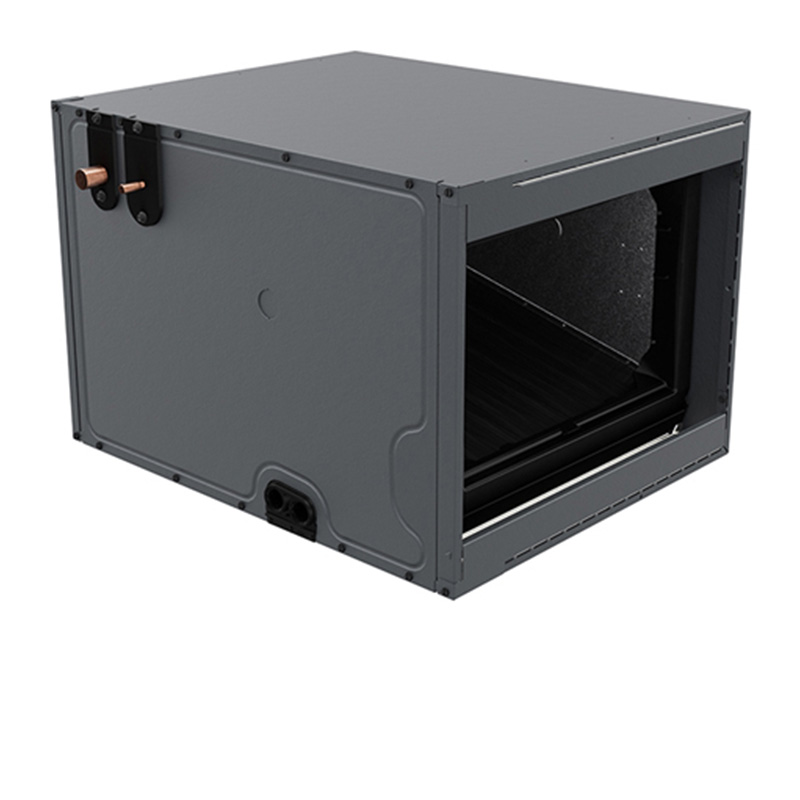
This Goodman package bundles a 3.5-ton R-32 air condenser, a matching evaporator coil, and a 100,000 BTU 96% AFUE gas furnace in a horizontal configuration, making it a practical choice for homes that route ductwork through a crawlspace, attic, or utility closet where vertical clearance is limited. The 13.4 SEER2 rating clears the current federal minimum for most U.S. climate zones, so you are buying a code-compliant but entry-tier efficiency system rather than a high-efficiency showcase. At 96% AFUE, however, the furnace side punches above its price class, converting nearly all fuel input into usable heat.
R-32 refrigerant is a meaningful forward-looking feature here. It carries a lower global warming potential than R-410A, and because the industry is moving in this direction, future service parts and refrigerant supplies should remain accessible well into the system’s lifespan. The horizontal orientation does add installation complexity compared to a standard upflow setup, and that complexity matters more with Goodman than with some competitors, because installer skill has an outsized effect on how well and how long these systems perform. Buyers getting multiple bids should confirm that their contractor is experienced with horizontal coil configurations and R-32 systems specifically.
This system suits homeowners who want a complete, matched gas-plus-cooling solution, have a horizontal duct layout, and prefer to keep upfront costs controlled. It is not the right fit for someone prioritizing top-tier efficiency ratings, multi-stage comfort, or the longest possible equipment life with minimal maintenance surprises.
The Goodman 3.5-ton 13.4 SEER2 horizontal system is a straightforward, budget-accessible option for homeowners who need a complete gas-plus-cooling replacement and have a horizontal duct layout. The 96% AFUE furnace and R-32 refrigerant are genuine strengths at this price point, but single-stage operation, an entry-level efficiency rating, and Goodman's documented history of capacitor failures and evaporator coil leaks after year seven mean buyers should plan on routine maintenance and keep a service budget in reserve.
Overall score is the average of the five ratings above.
What we like
- Priced 15 to 25 percent below comparable Trane, Lennox, and Carrier systems, reducing upfront replacement cost
- 96% AFUE furnace is high-efficiency heating at a value-brand price
- R-32 refrigerant is more environmentally responsible than R-410A and is the industry's forward direction
- Factory-matched components support consistent, rated efficiency when installed correctly
- Horizontal configuration addresses a specific install need that not all systems accommodate
Trade-offs
- 13.4 SEER2 is entry-level; expect higher cooling operating costs than 16+ SEER2 alternatives over the system's life
- Dual-run capacitor failures and evaporator coil leaks are the most documented recurring issues, with coil repairs potentially reaching into the thousands of dollars
- Compressor longevity typically averages 10 to 14 years versus 15 to 20 years for premium brands
- Single-stage operation delivers less humidity control and comfort consistency than two-stage or variable-speed systems
What homeowners and pros say about Goodman
Homeowners who chose Goodman equipment most often cite affordability as the deciding factor, and that sentiment shows up consistently in Google dealer reviews, which average around 3.8 out of 5 across locations. The feedback tends to be positive in the first few years, when systems are running without incident. On ConsumerAffairs, where the audience skews strongly toward owners who have had problems, the brand sits at roughly 2.5 out of 5, and the complaint pattern is fairly consistent: repair costs begin climbing after about year seven, with dual-run capacitor failures being the most commonly reported issue. That repair is typically in the 300 to 600 dollar range and is within normal HVAC maintenance territory, but evaporator coil leaks, also documented in a meaningful share of owner reports, carry a higher repair cost and more disruption.
HVAC technicians who service Goodman equipment regularly tend to describe it as workable equipment that rewards a careful install and penalizes a rushed one. Compressor lifespan is the longer-term concern professionals raise most often, with Goodman compressors averaging roughly 10 to 14 years compared to the 15 to 20 years technicians associate with Trane or Carrier compressors. A small but notable share of owners have also reported refrigerant leaks within the first year, which service professionals attribute primarily to improper charging or connection issues at installation rather than a manufacturing defect in the unit itself. For this horizontal-configuration system specifically, choosing an installer experienced with horizontal coil setups and certified for R-32 refrigerant handling is not a minor detail; it is the factor most likely to determine whether this system performs at the lower or upper end of what Goodman equipment is capable of delivering.
Sources: ConsumerAffairs Goodman owner reviews, AHRI Directory of Certified Product Performance, U.S. DOE appliance and equipment efficiency standards, Goodman product specification sheets.
What it costs to run
At 13.4 SEER2, cooling this 3.5-ton system for a typical 1200-hour cooling season at the U.S. average electricity rate of $0.17/kWh works out to roughly $639 per year in cooling, about $0 less per year than a minimum-efficiency 13.4 SEER2 unit of the same size. Your real cost depends on your climate and local rate.
Method: (42,000 BTU/hr ÷ 13.4 SEER2) × 1200 hours ÷ 1000 × $0.17/kWh. Rate source: U.S. EIA average; cooling hours: moderate-climate estimate.
How it compares
| Brand | Comparable model | SEER2 | Stage | Price position |
|---|---|---|---|---|
| Goodman | 3.5T 13.4 SEER2 / 96% AFUE Horizontal Bundle | 13.4 | Single-stage | Value pick |
| Carrier | Comfort Series (24ACC636 condenser + 96% furnace bundle) | 14.0 | Single-stage | Moderately higher than this Goodman bundle |
| Trane | XR14 condenser + S9X1 96% furnace bundle | 14.0 | Single-stage | Moderately to significantly higher than this Goodman bundle |
| Lennox | Merit Series ML14XC1 condenser + ML96V furnace bundle | 14.3 | Single-stage | Significantly higher than this Goodman bundle |
Competitor rows are comparable single-stage units at similar efficiency; price is relative position, not a quote.
Questions about this system
Why does the horizontal configuration matter, and is it harder to service?
Horizontal systems route airflow sideways rather than up or down, which fits attics, crawlspaces, and side-load closets where vertical space is tight. Servicing is generally comparable to upflow units, but coil access can be tighter in horizontal installs, which means drain pan checks and coil cleaning require a technician who is familiar with the layout. Confirm that whoever quotes the install has horizontal coil experience.
What does R-32 refrigerant mean for me as a homeowner?
R-32 has a lower global warming potential than the R-410A used in most older systems and is where the industry is heading, so refrigerant availability for future service should remain stable. It does require technicians with R-32 certification and compatible equipment; not every local HVAC shop is set up for it yet, so ask your service contractor before signing a maintenance agreement.
Goodman has mixed reviews online. How worried should I be about reliability?
Goodman scores around 2.5 out of 5 on ConsumerAffairs, a channel where unhappy owners are far more likely to post than satisfied ones, and around 3.8 out of 5 across Google dealer reviews. The most documented failure points are dual-run capacitors, which are a relatively inexpensive fix in the 300 to 600 dollar range, and evaporator coil leaks, which are more costly. A quality install and a consistent annual maintenance plan reduce the risk of early failures considerably.
Is 13.4 SEER2 going to cost me noticeably more to run than a higher-rated system?
Compared to a 16 SEER2 system, a 13.4 SEER2 unit will use roughly 15 to 20 percent more electricity for the same cooling output, which translates to a real annual difference in warm climates where the AC runs heavily. In milder climates with shorter cooling seasons, the payback period on a higher-efficiency unit stretches out considerably, which is part of why entry-efficiency systems still make financial sense for many buyers.
What warranty comes with this system, and what should I watch out for?
Goodman typically offers a 10-year parts limited warranty when the equipment is registered within a set window after installation, and a lifetime heat exchanger warranty on the furnace. The critical detail is that registration must usually be completed shortly after install, and warranty coverage generally requires work to be done by a licensed HVAC contractor. Read the warranty documentation carefully before assuming what is and is not covered, especially for refrigerant-related repairs in the first year.
Specifications
| Cooling capacity | 3.5 Ton |
| Efficiency | 13.4 SEER2 |
| Furnace output | 100000 BTU |
| Furnace efficiency | 96% AFUE |
| Configuration | Horizontal |
| Refrigerant | R-32 |