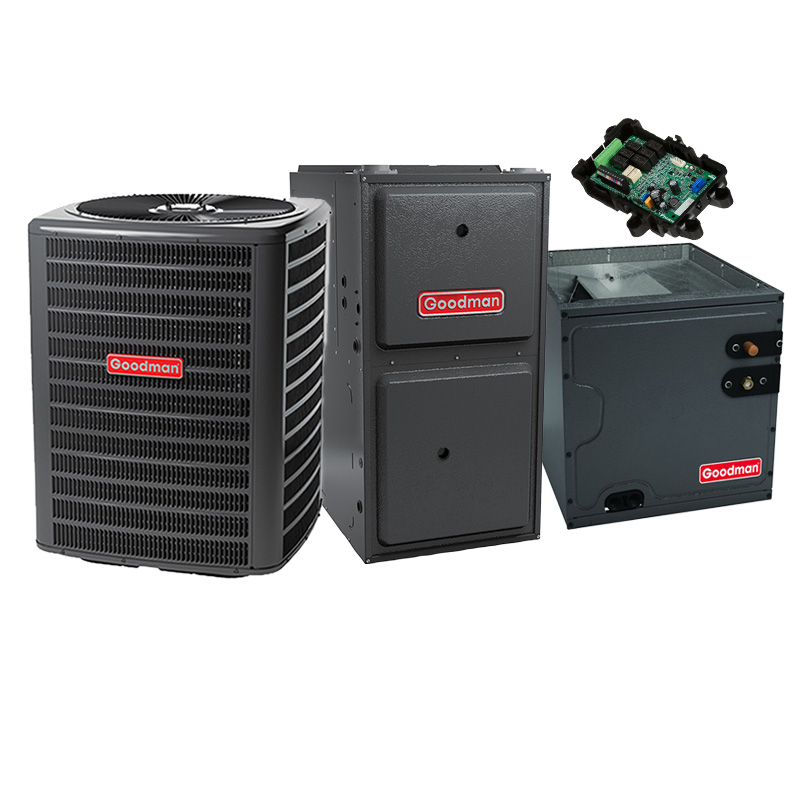
Goodman 3.5 Ton 13.4 SEER2 100000 BTU 96% AFUE Gas Furnace With R32 Air Condenser and Coil System – Upflow
View on AC Direct see your lowest price →Check current price on AC Direct →
Key features
- 3.5-ton cooling capacity with 13.4 SEER2 efficiency rating
- 100,000 BTU furnace at 96% AFUE high-efficiency gas heat
- Upflow configuration for basement or ground-level installs with overhead ductwork
- R-32 refrigerant with lower global-warming potential than R-410A
- Matched coil included, reducing compatibility guesswork at install
- Qualifies for federal energy-efficiency tax incentives based on AFUE rating
About this system
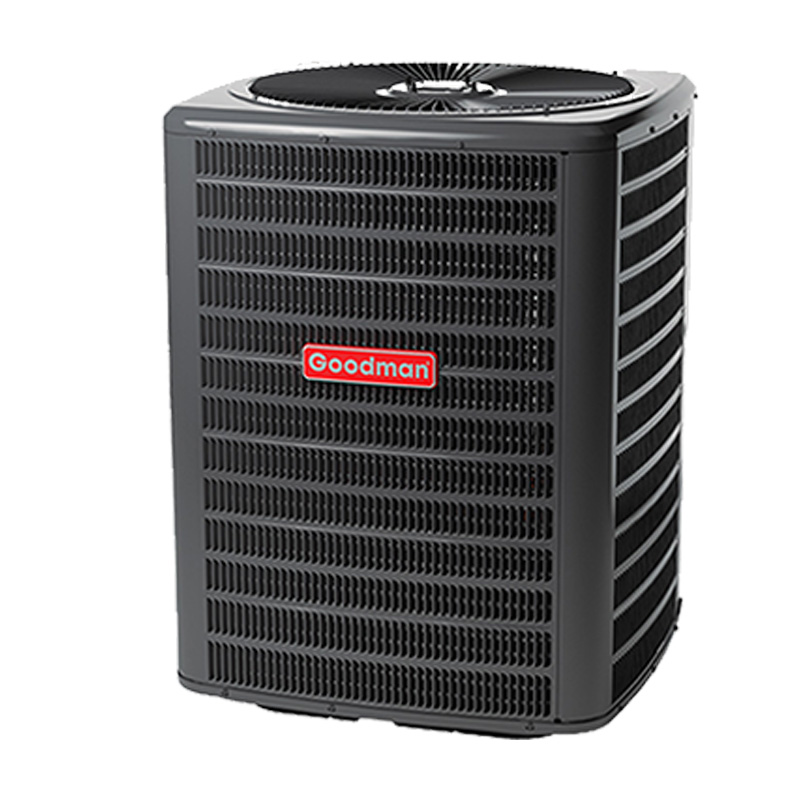
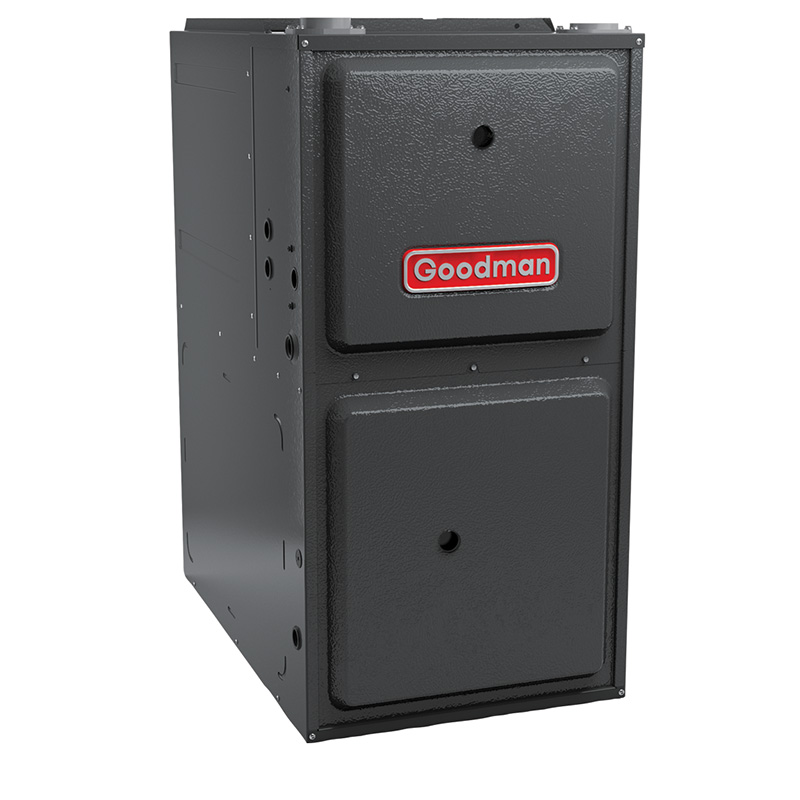
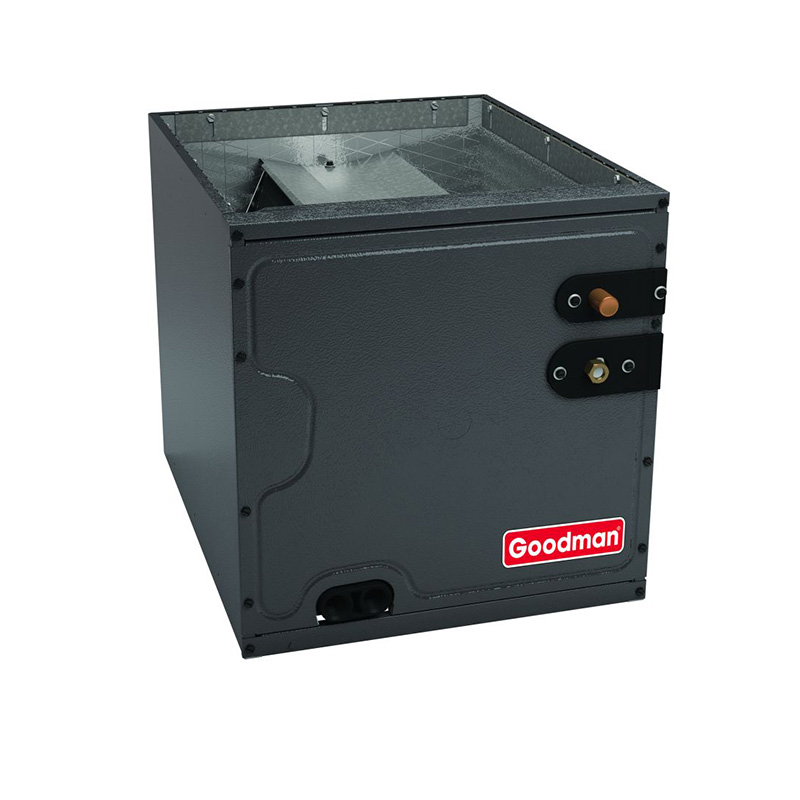
This Goodman upflow system pairs a 3.5-ton, 13.4 SEER2 R-32 air condenser and matching coil with a 100,000 BTU, 96% AFUE two-stage gas furnace. The combination is sized for homes roughly in the 1,800 to 2,400 square foot range, depending on climate zone, insulation, and local load calculations. The 96% AFUE rating means the furnace converts 96 cents of every dollar of gas into usable heat, putting it solidly in the high-efficiency tier and making it eligible for federal tax credits under current energy-efficiency incentive programs. R-32 refrigerant carries a lower global-warming potential than the R-410A it replaces, and it operates at slightly higher pressures, so the system requires a certified technician familiar with R-32 handling.
The upflow configuration directs conditioned air upward through the supply plenum, which suits homes where the furnace sits in a basement or ground-level utility closet with ductwork overhead. At 13.4 SEER2, cooling efficiency meets the new federal minimum for most northern U.S. climate zones and comes in modestly below that threshold in the warmer southern regions where higher minimums now apply. Buyers who want meaningfully lower utility bills on the cooling side may want to compare 16 SEER2 or higher options, but for those prioritizing upfront cost savings and replacing aging equipment, this tier is a reasonable middle ground. Goodman’s pricing typically runs 15 to 25 percent below comparable Trane, Lennox, and Carrier systems, which is the brand’s primary competitive advantage.
This Goodman system offers a genuine value proposition for budget-conscious homeowners replacing aging equipment in mid-sized homes, with a high-efficiency furnace and a modern refrigerant at a price point well below premium brands. The trade-off is a cooling efficiency that just clears federal minimums in many regions and a brand reliability record that is adequate rather than outstanding. How long it lasts will depend heavily on installation quality and how consistently it is serviced.
Overall score is the average of the five ratings above.
What we like
- Priced 15 to 25 percent below comparable Trane, Lennox, and Carrier systems
- 96% AFUE furnace is a genuine high-efficiency rating that reduces monthly gas costs
- Matched coil and condenser ship together, simplifying contractor ordering and install
- R-32 refrigerant is forward-looking as R-410A is phased down industry-wide
- Broad contractor availability means competitive labor quotes in most markets
Trade-offs
- 13.4 SEER2 cooling efficiency only meets minimum federal standards in northern zones and falls short in southern markets
- Dual-run capacitor failures are the most documented early repair, typically occurring within the first several years
- Evaporator coil leaks appear in a meaningful share of owner reviews, a specific weak point for this brand
- Compressor lifespan averages 10 to 14 years versus 15 to 20 years for premium-brand compressors
What homeowners and pros say about Goodman
Homeowners who chose Goodman equipment tend to land in two distinct camps, and this system is unlikely to change that pattern. On Google dealer review pages, where the overall brand sits around 3.8 out of 5, the most consistent praise is straightforward: the equipment cost less than competing bids, it cooled and heated as expected, and the contractor made the experience smooth. Those outcomes are real. Where the picture shifts is in the ConsumerAffairs data, which scores Goodman around 2.5 out of 5 on a channel that disproportionately captures frustration. The recurring complaint there is repair costs that start climbing after roughly year seven, which aligns with the documented weak points: dual-run capacitor failures are the most commonly reported issue and are typically a low-cost fix in the $300 to $600 range, but evaporator coil leaks, which appear in a meaningful share of owner reviews, are a more expensive and disruptive repair. Compressor longevity is the longer-term concern, with Goodman compressors averaging 10 to 14 years in the field versus 15 to 20 for premium brands.
HVAC technicians who work on Goodman regularly tend to echo a consistent point: the brand’s outcomes vary more than its price tag suggests, and installation quality is the dominant variable. A well-charged, properly commissioned Goodman system with annual maintenance can serve a household reliably through its warranty period and beyond. The same unit installed carelessly, especially with R-32 requiring precise handling, is more likely to show up in those ConsumerAffairs complaints. For this specific system, the 96% AFUE furnace is a legitimate high-efficiency component and the R-32 refrigerant is a forward-looking choice. The cooling side at 13.4 SEER2 is the least exciting part of the package, and buyers in warmer markets should weigh that honestly against the upfront savings before committing.
Sources: ConsumerAffairs Goodman owner reviews, AHRI Directory of Certified Product Performance, U.S. DOE appliance and equipment efficiency standards, Goodman product specification sheets.
What it costs to run
At 13.4 SEER2, cooling this 3.5-ton system for a typical 1200-hour cooling season at the U.S. average electricity rate of $0.17/kWh works out to roughly $639 per year in cooling, about $0 less per year than a minimum-efficiency 13.4 SEER2 unit of the same size. Your real cost depends on your climate and local rate.
Method: (42,000 BTU/hr ÷ 13.4 SEER2) × 1200 hours ÷ 1000 × $0.17/kWh. Rate source: U.S. EIA average; cooling hours: moderate-climate estimate.
How it compares
| Brand | Comparable model | SEER2 | Stage | Price position |
|---|---|---|---|---|
| Goodman | GSXH5/GMVC96 with CAPF Coil | 13.4 | Single-stage condenser / two-stage furnace | Value pick |
| Carrier | Comfort 24ACC636 with 59SC2 Furnace | 14.0 | Single-stage | Roughly 15 to 25 percent higher than this Goodman system |
| Trane | XR14c with S9X2 Furnace | 14.0 | Single-stage | Roughly 20 to 30 percent higher than this Goodman system |
| Lennox | Merit ML14XC1 with ML196 Furnace | 13.8 | Single-stage | Roughly 15 to 25 percent higher than this Goodman system |
Competitor rows are comparable single-stage units at similar efficiency; price is relative position, not a quote.
Questions about this system
Is 13.4 SEER2 legal to install in my state?
In most northern U.S. climate regions (roughly above the Southeast), 13.4 SEER2 meets the current federal minimum for split systems. In the Southeast and Southwest, the minimum is now higher, so you should confirm your local requirement with your installing contractor before purchasing.
Does this system come with a warranty, and what does it actually cover?
Goodman typically offers a 10-year parts limited warranty when the equipment is registered within 60 days of installation by a licensed contractor. The warranty covers parts replacement but not labor costs, which are usually the larger expense in a repair. Failure to register or having an unlicensed installer can reduce coverage significantly.
Why do some owners report refrigerant leaks in the first year, and is that a Goodman defect?
A minority of Goodman owners report refrigerant leaks within the first 12 months, and these are most often traced to installation or improper charging rather than a factory defect in the unit itself. This is why choosing an experienced R-32-certified technician matters more than usual with this brand.
Can any HVAC technician work on R-32 refrigerant, or do I need a specialist?
R-32 requires specific handling equipment and certification because it operates at higher pressures and is mildly flammable in concentrated form. Most established HVAC companies are already equipped for R-32, but you should confirm this before booking service or installation.
How does the upflow configuration affect where this furnace can be installed?
An upflow furnace pulls return air in at the bottom and pushes heated or cooled air out the top into overhead supply ductwork. It is the correct choice for basements and main-floor utility rooms where ducts run through the ceiling or attic, but it is not compatible with installations that require air to discharge downward or horizontally.
Specifications
| Cooling capacity | 3.5 Ton |
| Efficiency | 13.4 SEER2 |
| Furnace output | 100000 BTU |
| Furnace efficiency | 96% AFUE |
| Configuration | Upflow |
| Refrigerant | R-32 |