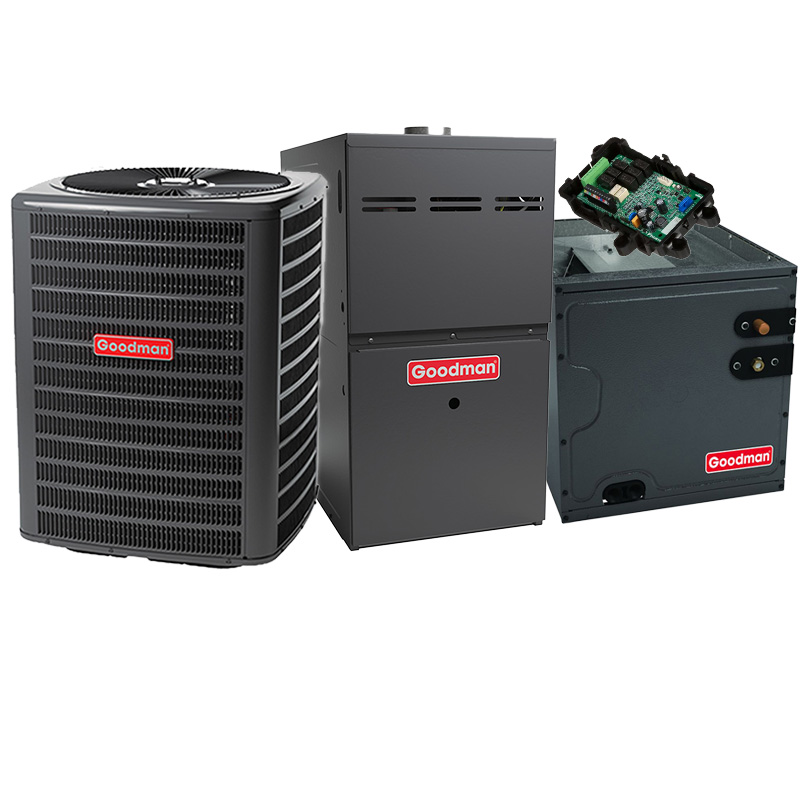
Goodman 3.5 Ton 13.4 SEER2 100000 BTU 96% AFUE Two-Stage Gas Furnace With R32 Air Condenser and Coil System – Upflow
View on AC Direct see your lowest price →Check current price on AC Direct →
Key features
- 3.5-ton cooling capacity with 13.4 SEER2 efficiency rating
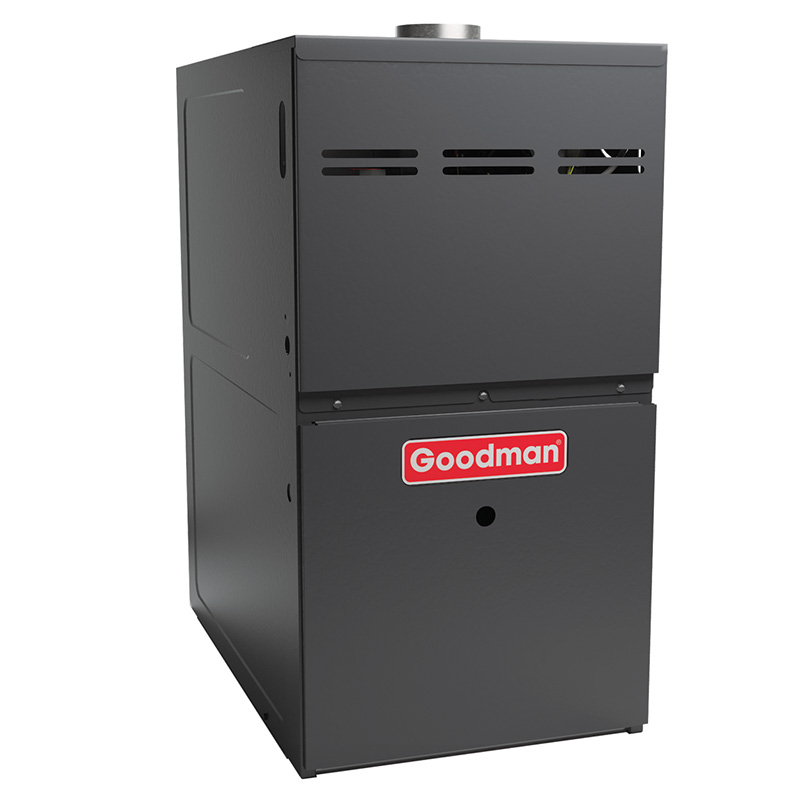
- 100,000 BTU two-stage gas furnace at 96% AFUE
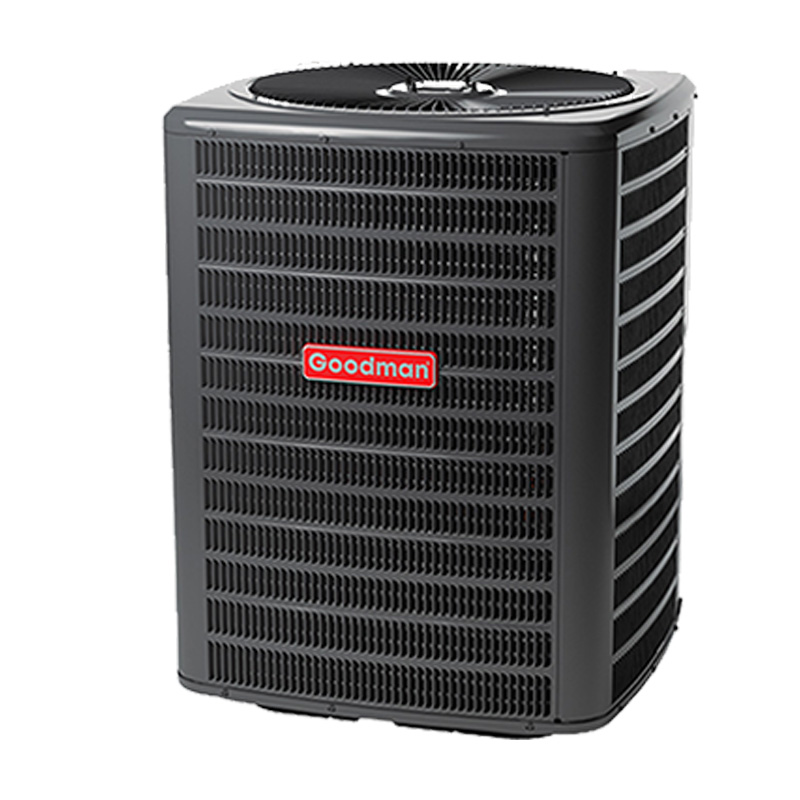
- R-32 refrigerant charge with lower global warming potential than R-410A
- Upflow configuration for basement or ground-level utility closet installs
- Two-stage heating reduces short-cycling and improves temperature consistency
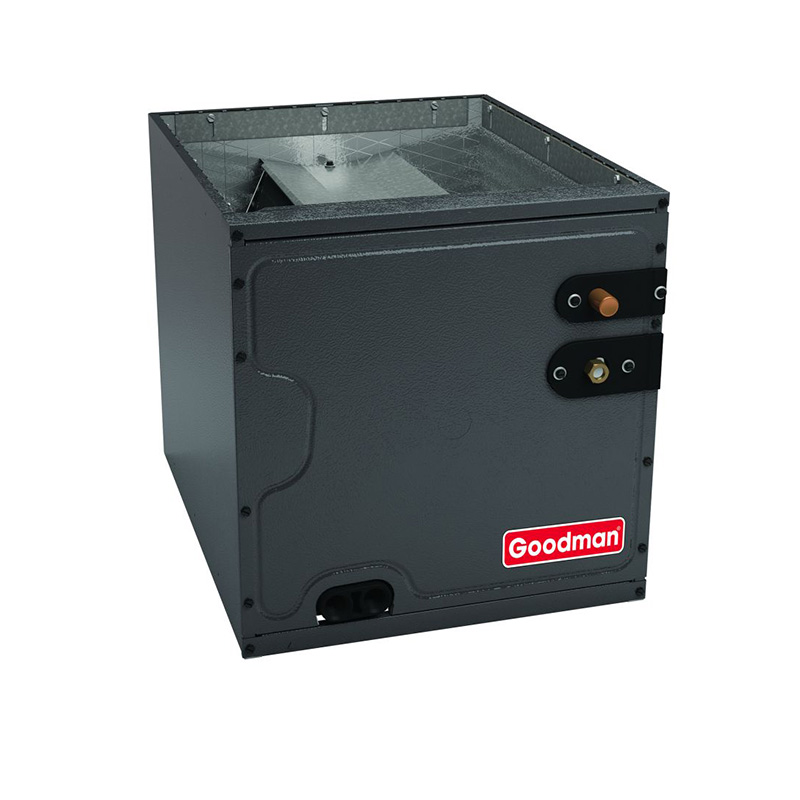
- Matched coil included, reducing compatibility guesswork at installation
About this system
This Goodman upflow system pairs a 3.5-ton R-32 air condenser and matched coil with a 100,000 BTU, 96% AFUE two-stage gas furnace, making it a capable choice for homes in the 1,800 to 2,400 square foot range that need both strong heating and reliable summer cooling. The two-stage furnace runs at a lower firing rate most of the time, reducing short-cycling, evening out temperatures room to room, and trimming gas bills compared with a single-stage unit at the same BTU rating. At 96% AFUE, only four cents of every heating dollar goes unrecovered, which puts this squarely in the high-efficiency tier without crossing into the premium condensing-furnace price bracket.
The 13.4 SEER2 rating on the cooling side meets the current federal minimums for most U.S. regions and will satisfy most homeowners who are replacing older 10 to 13 SEER equipment, though it sits at the entry point of the efficiency scale rather than the top. R-32 refrigerant carries a lower global warming potential than the R-410A it is replacing industry-wide, and it is increasingly the standard charge for new residential condensers, so parts and service availability is growing. The upflow configuration suits the most common residential installation scenario where the air handler sits in a basement or utility closet and conditioned air rises into the duct system above it.
This Goodman bundle delivers a solid two-stage furnace and entry-level cooling efficiency at a price point that is genuinely 15 to 25 percent below comparable Trane, Carrier, and Lennox systems. The 96% AFUE furnace is the standout value here, while the 13.4 SEER2 condenser is functional but unremarkable on efficiency. Long-term ownership costs depend heavily on install quality and whether you budget for likely capacitor or coil service after the seven-year mark.
Overall score is the average of the five ratings above.
What we like
- 96% AFUE furnace is high-efficiency territory and will meaningfully reduce winter gas bills
- Two-stage heating improves comfort and reduces the temperature swings typical of single-stage units
- Matched coil included, simplifying system selection and protecting warranty compliance
- R-32 refrigerant is the emerging industry standard, easing future service access
- Priced 15 to 25 percent below comparable premium-brand systems, lowering the upfront barrier
Trade-offs
- 13.4 SEER2 is the minimum-compliance efficiency tier; homeowners in hot climates will see limited cooling savings versus higher-SEER alternatives
- Dual-run capacitor failures are the most documented repair issue, typically showing up post-year seven and costing $300 to $600 per service call
- Evaporator coil leaks appear in a meaningful share of owner reports and can be costly outside the warranty window
- Compressor longevity averages 10 to 14 years versus 15 to 20 for premium brands, so total lifecycle cost may narrow the initial price advantage
What homeowners and pros say about Goodman
On Google dealer review pages, where scores for Goodman installers cluster around 3.8 out of 5 across hundreds of reviews per location, the most common praise centers on price: buyers consistently report that Goodman allowed them to replace a failing system without taking on debt, and that the equipment has run without issue in the first few years. For this two-stage bundle specifically, homeowners who have replaced single-stage systems often mention the furnace’s quieter low-fire operation and fewer hot-and-cold swings during heating season as genuine comfort improvements. The R-32 condenser draws less comment simply because most buyers are not tracking refrigerant types, but HVAC technicians note the charge is straightforward to service with the right equipment.
The more cautious picture emerges on ConsumerAffairs, where Goodman scores approximately 2.5 out of 5, a channel that naturally attracts owners who had problems rather than those who did not. The recurring pattern there is systems that ran reasonably well for six or seven years before repair costs began climbing, with dual-run capacitor failures being the most frequently named culprit, typically a $300 to $600 repair that is quick but annoying. Evaporator coil leaks show up as a second documented pain point, and the compressor lifespan averaging 10 to 14 years versus 15 to 20 for Trane or Carrier is a real trade-off that narrows the upfront price advantage over a long ownership window. Pros who install Goodman regularly say the equipment performs closer to premium brands when the installation is done right, and that corner-cutting on refrigerant charge or duct sizing is the most common reason a Goodman system underperforms its potential.
Sources: ConsumerAffairs Goodman owner reviews, AHRI Directory of Certified Product Performance, U.S. DOE appliance and equipment efficiency standards, Goodman product specification sheets.
What it costs to run
At 13.4 SEER2, cooling this 3.5-ton system for a typical 1200-hour cooling season at the U.S. average electricity rate of $0.17/kWh works out to roughly $639 per year in cooling, about $0 less per year than a minimum-efficiency 13.4 SEER2 unit of the same size. Your real cost depends on your climate and local rate.
Method: (42,000 BTU/hr ÷ 13.4 SEER2) × 1200 hours ÷ 1000 × $0.17/kWh. Rate source: U.S. EIA average; cooling hours: moderate-climate estimate.
How it compares
| Brand | Comparable model | SEER2 | Stage | Price position |
|---|---|---|---|---|
| Goodman | 3.5T 13.4 SEER2 / 96% AFUE Two-Stage Bundle (this system) | 13.4 | Two-stage | Value pick |
| Carrier | Comfort 24ACC636 / 58TP Series | 13.4-14.0 | Single-stage | Typically 15 to 25 percent more than this Goodman system |
| Trane | XR13 / S9X1 Series | 13.4-14.0 | Single-stage | Typically 15 to 25 percent more than this Goodman system |
| Lennox | Merit ML14XC1 / ML195 Series | 13.4-14.3 | Single-stage | Typically 15 to 25 percent more than this Goodman system |
Competitor rows are comparable single-stage units at similar efficiency; price is relative position, not a quote.
Questions about this system
Is 13.4 SEER2 good enough, or should I spend more for a higher-efficiency condenser?
13.4 SEER2 meets current federal minimums and will be noticeably more efficient than equipment made before 2015, but it sits at the low end of the efficiency range. If you live in a climate with long, hot summers and run your AC four or more months a year, stepping up to a 16 or 17 SEER2 unit often pays back the cost difference in five to eight years through lower electric bills. In milder climates or for homeowners prioritizing upfront cost, 13.4 SEER2 is a reasonable choice.
What maintenance should I plan for to get the most life out of this Goodman system?
Annual professional tune-ups are the single most important step, especially given that Goodman's documented weak points include dual-run capacitors and evaporator coil issues that a technician can catch early. Changing the air filter every one to three months, keeping the outdoor condenser clear of debris, and having refrigerant levels checked at your first service call are all straightforward preventive measures. Budgeting for a capacitor replacement somewhere in the $300 to $600 range after year seven is realistic based on owner reports.
Does this system qualify for the federal energy efficiency tax credit?
The 96% AFUE two-stage furnace meets the efficiency threshold for the federal 25C tax credit, which can cover 30 percent of the equipment and installation cost up to the program's annual cap. The 13.4 SEER2 condenser may not meet the combined efficiency requirements for the cooling side of the credit; verify current IRS and ENERGY STAR requirements with your installer before purchasing, as thresholds can change year to year.
Why does install quality matter so much with Goodman specifically?
Goodman equipment, like any HVAC brand, depends on correct refrigerant charge, proper airflow, and accurate duct sizing to perform as rated. Technicians consistently note that Goodman's reputation for reliability swings significantly based on installation quality, more so than with some premium brands that have tighter factory tolerances. The minority of first-year refrigerant leak reports in owner reviews are generally traced to install or charge issues rather than factory defects, which underscores the importance of hiring an experienced, licensed HVAC contractor.
What does the Goodman warranty cover on this system, and are there any catches?
Goodman typically offers a 10-year parts warranty on registered equipment, which requires registration within a set window after installation. The warranty covers parts but not labor, so a compressor or coil replacement after year three could still carry a significant service bill. It is worth confirming the exact terms at purchase, as coverage details can vary by model and registration status, and some dealers offer extended labor warranties as an add-on.
Specifications
| Cooling capacity | 3.5 Ton |
| Efficiency | 13.4 SEER2 |
| Furnace output | 100000 BTU |
| Furnace efficiency | 96% AFUE |
| Configuration | Upflow |
| Refrigerant | R-32 |