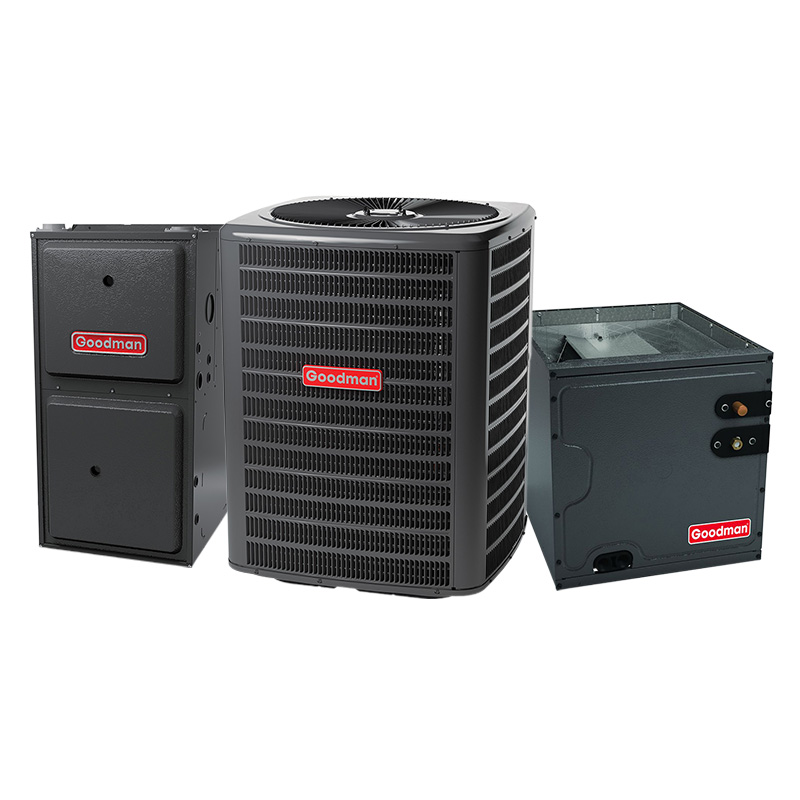
Goodman 3.5 Ton 13.4 SEER2 AC & Gas Furnace System – Multi-Speed, 100000 BTU Gas Furnace, 92% AFUE, Upflow, R32
View on AC Direct see your lowest price →Check current price on AC Direct →
Key features
- 3.5-ton single-stage cooling at 13.4 SEER2, meeting federal minimum efficiency in most U.S. regions
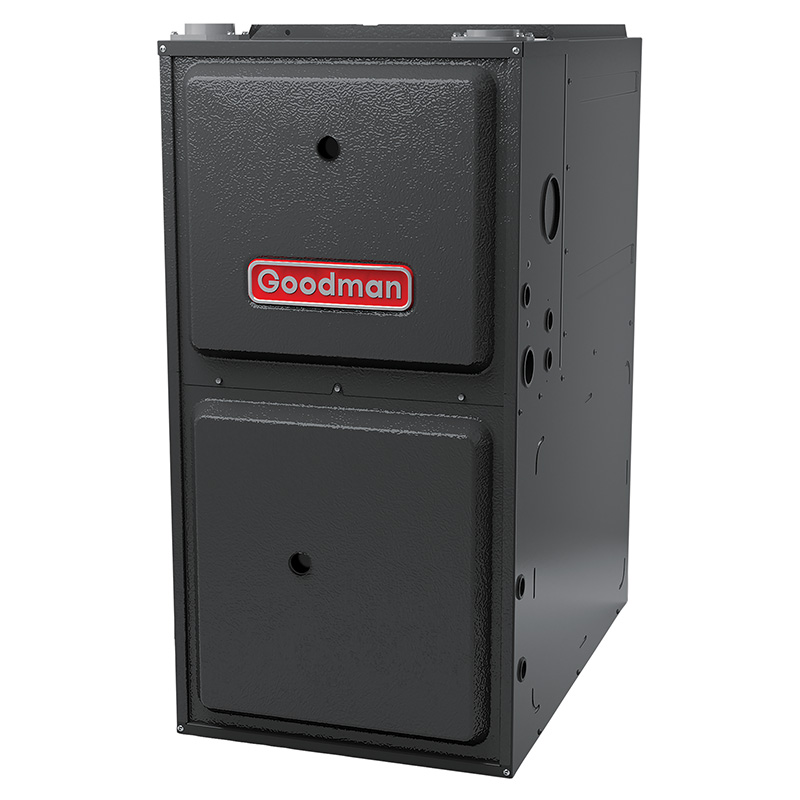
- 100,000 BTU gas furnace with 92% AFUE multi-speed blower in upflow configuration
- R-32 refrigerant: lower global warming potential and potentially lower recharge costs than R-410A
- Multi-speed blower motor for two-stage airflow, improving humidity control over fixed-speed units
- Goodman's 10-year parts warranty (registration required within 60 days of install)
- Compatible with standard communicating and non-communicating thermostats for flexible control options
About this system
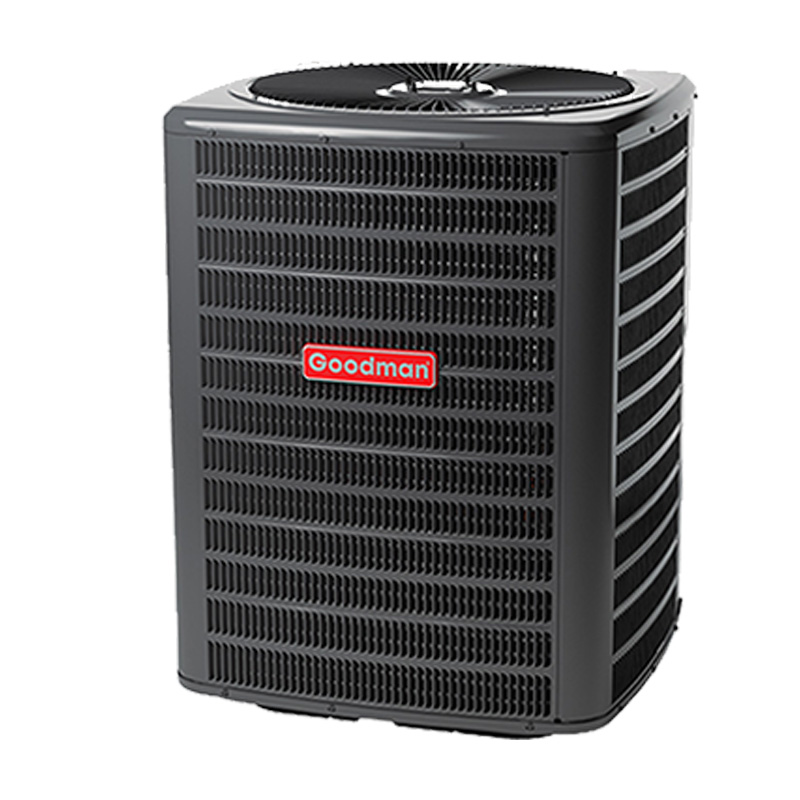
The Goodman GLXS3BN4210D pairs a 3.5-ton, 13.4 SEER2 single-stage air conditioner with a 100,000 BTU, 92% AFUE multi-speed gas furnace in an upflow configuration. That efficiency tier sits right at the federal minimum for most northern U.S. climate zones, so it satisfies code in the vast majority of installations without the price premium of a 16 or 18 SEER2 unit. The 92% AFUE rating means roughly 92 cents of every dollar spent on gas goes toward heat, which is a meaningful step above the old 80% standard but still below the 96-98% condensing units that make financial sense only in very cold, high-usage markets. R-32 refrigerant replaces the older R-410A and carries a lower global warming potential, which also means lower refrigerant recharge costs if a service call is ever needed.
This system is sized for homes roughly in the 1,800 to 2,400 square foot range, depending on local climate, insulation quality, and layout. Upflow configuration means the furnace sits in a basement or ground-level utility closet and pushes conditioned air upward through the duct system, which is the most common residential setup in the northern and central United States. The multi-speed blower on the furnace allows two airflow rates, offering a modest improvement in comfort and humidity control compared to a fixed single-speed motor, though it falls short of the continuous variable airflow a communicating or variable-speed system provides. Buyers choosing this system are typically prioritizing a budget-conscious full replacement over maximum long-term efficiency or premium comfort features.
The Goodman GLXS3BN4210D is a solid entry-level system for budget-minded homeowners who need a reliable, code-compliant replacement and are comfortable with the trade-offs of a value brand. It delivers adequate efficiency and heating capacity at a price point noticeably below comparable Carrier, Trane, and Lennox equipment, but long-term ownership costs depend heavily on install quality and the luck of the draw on components like capacitors and evaporator coils. It is not the system for buyers seeking premium longevity or top-tier comfort, but it does the job for the right household.
Overall score is the average of the five ratings above.
What we like
- Purchase price typically 15 to 25 percent below comparable Carrier, Trane, and Lennox systems
- 92% AFUE furnace delivers meaningful efficiency gains over older 80% units still common in homes
- R-32 refrigerant reduces environmental impact and can lower future recharge service costs
- Multi-speed blower provides better humidity and comfort control than a basic single-speed furnace
- 10-year parts warranty (with timely registration) provides reasonable coverage against major component costs
Trade-offs
- Dual-run capacitors are a documented failure point, typically requiring a 300 to 600 dollar repair call within the first several years
- Compressor lifespan averages 10 to 14 years versus 15 to 20 for premium brands, raising long-term replacement cost risk
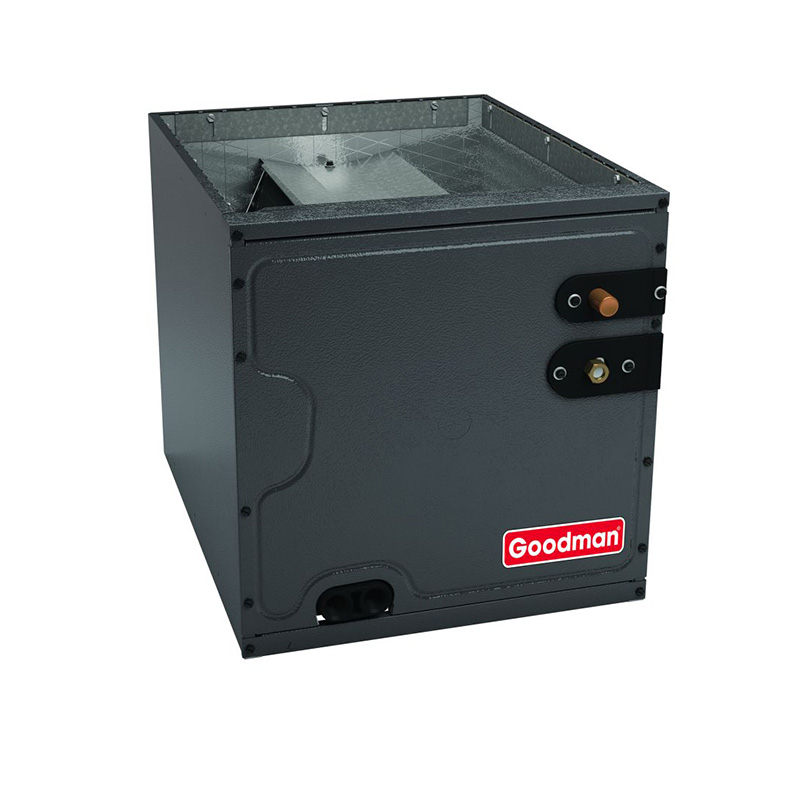
- Evaporator coil leaks appear in a notable share of owner reports and can be expensive to address outside of warranty
- ConsumerAffairs rating of roughly 2.5 out of 5 reflects a pattern of escalating repair costs after approximately year 7
What homeowners and pros say about Goodman
Homeowners who leave reviews for Goodman systems tend to split along a clear line: those who got a careful installation from an experienced contractor are generally satisfied with the value, while those who encountered a rushed or imprecise install often find themselves dealing with early service calls and growing frustration. Google dealer reviews across Goodman installers average around 3.8 out of 5, where affordability is the comment that comes up most consistently. ConsumerAffairs tells a harder story, sitting at roughly 2.5 out of 5, a channel that skews toward people motivated enough by dissatisfaction to write a review. The recurring theme there is not catastrophic failure out of the box, but rather a gradual increase in repair costs starting around year 7 or 8 that begins to erode the original savings.
HVAC technicians are candid about what they see in the field with Goodman equipment. Dual-run capacitor failures are the most common service call they associate with the brand, and while the repair itself is typically a quick, low-cost fix in the 300 to 600 dollar range, it can happen more than once over the life of the system. Evaporator coil leaks show up in a meaningful share of owner reports, and compressors on Goodman units tend to average 10 to 14 years of service life compared to the 15 to 20 years technicians report for premium brands like Trane and Carrier. A smaller subset of owners report refrigerant leaks within the first year, which experienced techs typically attribute to install or initial charge issues rather than a manufacturing defect. The consistent professional advice is that this system can perform well, but the installer you choose matters as much as the equipment itself.
Sources: ConsumerAffairs Goodman owner reviews, AHRI Directory of Certified Product Performance, U.S. DOE appliance and equipment efficiency standards, Goodman product specification sheets.
What it costs to run
At 13.4 SEER2, cooling this 3.5-ton system for a typical 1200-hour cooling season at the U.S. average electricity rate of $0.17/kWh works out to roughly $639 per year in cooling, about $0 less per year than a minimum-efficiency 13.4 SEER2 unit of the same size. Your real cost depends on your climate and local rate.
Method: (42,000 BTU/hr ÷ 13.4 SEER2) × 1200 hours ÷ 1000 × $0.17/kWh. Rate source: U.S. EIA average; cooling hours: moderate-climate estimate.
How it compares
| Brand | Comparable model | SEER2 | Stage | Price position |
|---|---|---|---|---|
| Goodman | GLXS3BN4210D | 13.4 | Single-stage | Value pick |
| Carrier | Comfort Series (24ACC6) | 13.4 | Single-stage | Typically 15 to 25 percent more than Goodman |
| Trane | XR13 Series | 13.4 | Single-stage | Typically 15 to 25 percent more than Goodman |
| Lennox | Merit Series (ML14XC1) | 13.4–14.0 | Single-stage | Typically 15 to 25 percent more than Goodman |
Competitor rows are comparable single-stage units at similar efficiency; price is relative position, not a quote.
Questions about this system
Does the 10-year parts warranty cover the compressor and evaporator coil on this system?
Yes, Goodman's 10-year registered limited warranty covers the compressor and all functional parts including the coil, but you must register the unit within 60 days of installation. Without registration, coverage typically drops to 5 years on parts. Labor is not covered under the standard warranty, so a coil leak repair can still carry a significant out-of-pocket labor cost.
Is 13.4 SEER2 going to cost me more to run than a higher-efficiency unit?
Compared to a 16 or 18 SEER2 system, yes, operating costs will be moderately higher, though the exact difference depends on your local electricity rate and how many cooling hours your climate demands. In a mild or moderate climate the payback period on the higher-efficiency unit can stretch beyond 10 years, which may not justify the upfront premium for some buyers.
What is the typical repair history on Goodman systems like this one after a few years of use?
The most frequently reported service call on Goodman cooling equipment is a failed dual-run capacitor, a relatively inexpensive fix in the 300 to 600 dollar range. Evaporator coil leaks and, less commonly, refrigerant leaks in the first year (usually traced to installation) also appear in owner reports. After roughly year 7, ConsumerAffairs reviews describe a pattern of more frequent repair costs.
Why does this system use R-32 refrigerant instead of R-410A, and does that affect servicing?
Goodman transitioned to R-32 as part of the industry shift away from higher-GWP refrigerants under updated EPA regulations. R-32 has a lower global warming potential and is mildly flammable (A2L classification), which means technicians need proper certification and tools to service it safely. Most established HVAC contractors are already equipped for R-32 work, but it is worth confirming with your service provider.
Is this system a good fit for a 2,200 square foot home in the Midwest?
A 3.5-ton unit is in the right ballpark for many 2,000 to 2,400 square foot Midwest homes, but proper sizing requires a Manual J load calculation based on your home's insulation, window area, orientation, and local design temperatures. Oversizing or undersizing by even half a ton noticeably affects comfort and equipment longevity, so insist your installer performs this calculation rather than guessing by square footage alone.
Specifications
| Cooling capacity | 3.5 Ton |
| Efficiency | 13.4 SEER2 |
| Furnace output | 100000 BTU |
| Furnace efficiency | 92% AFUE |
| Configuration | Upflow |
| Refrigerant | R-32 |
| Model | GLXS3BN4210D |