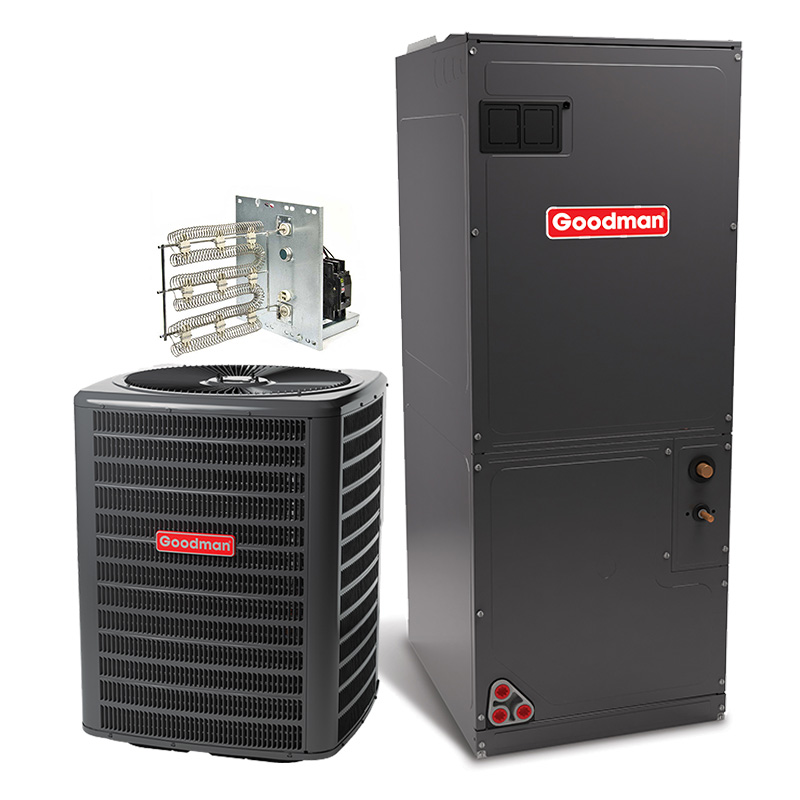
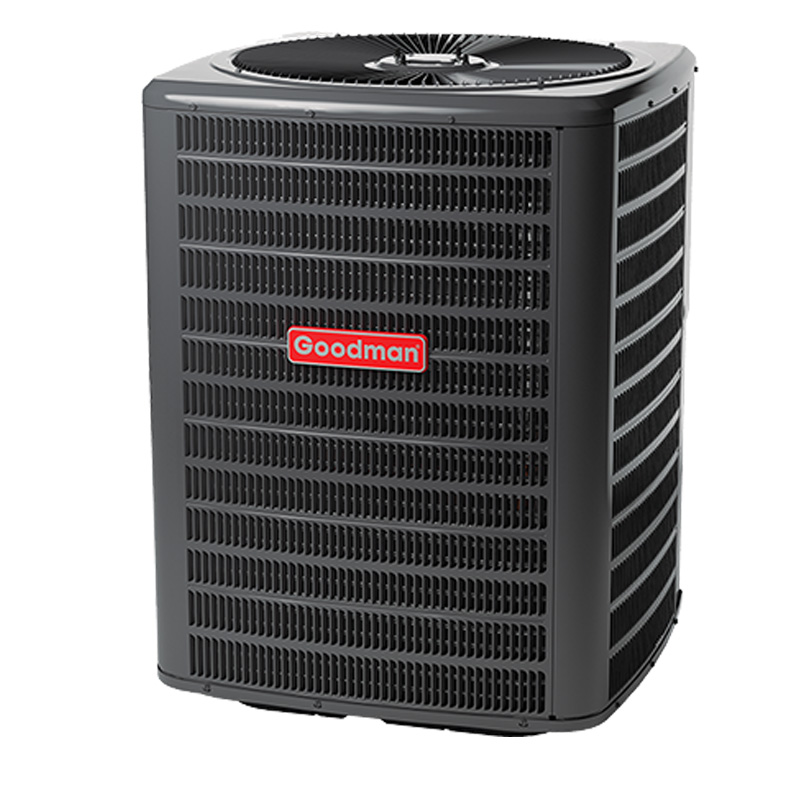
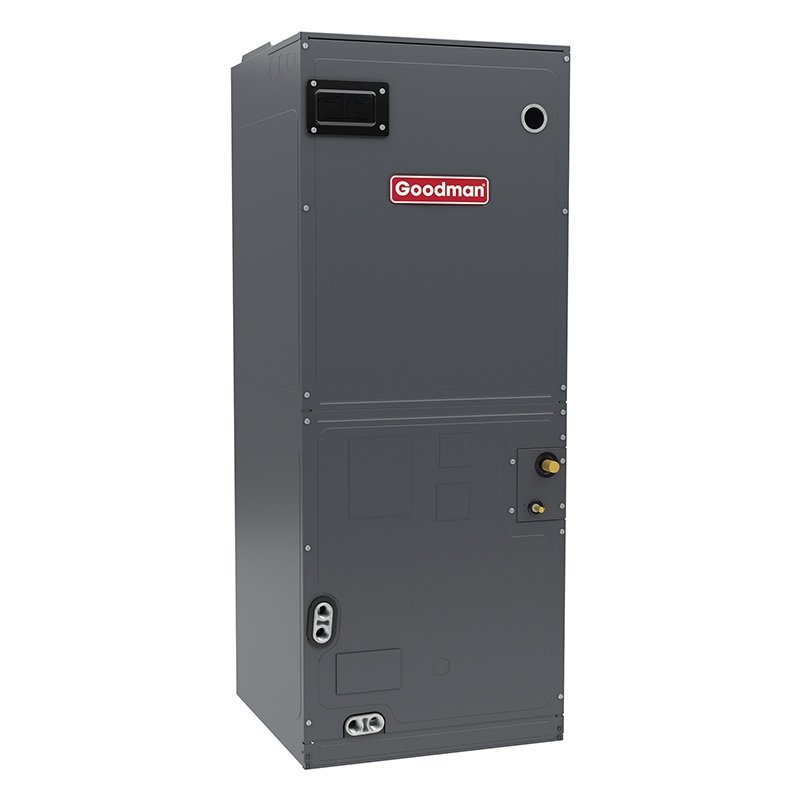
Goodman 3.5 Ton 13.5 SEER2 R32 Air Conditioner System With Electric Heat
View on AC Direct see your lowest price →Check current price on AC Direct →
Key features
- 3.5-ton cooling capacity, suited for mid-size homes in the 1,600 to 2,200 sq ft range
- 13.5 SEER2 efficiency rating, meeting current federal minimum standards
- R-32 refrigerant with a lower global warming potential than outgoing R-410A
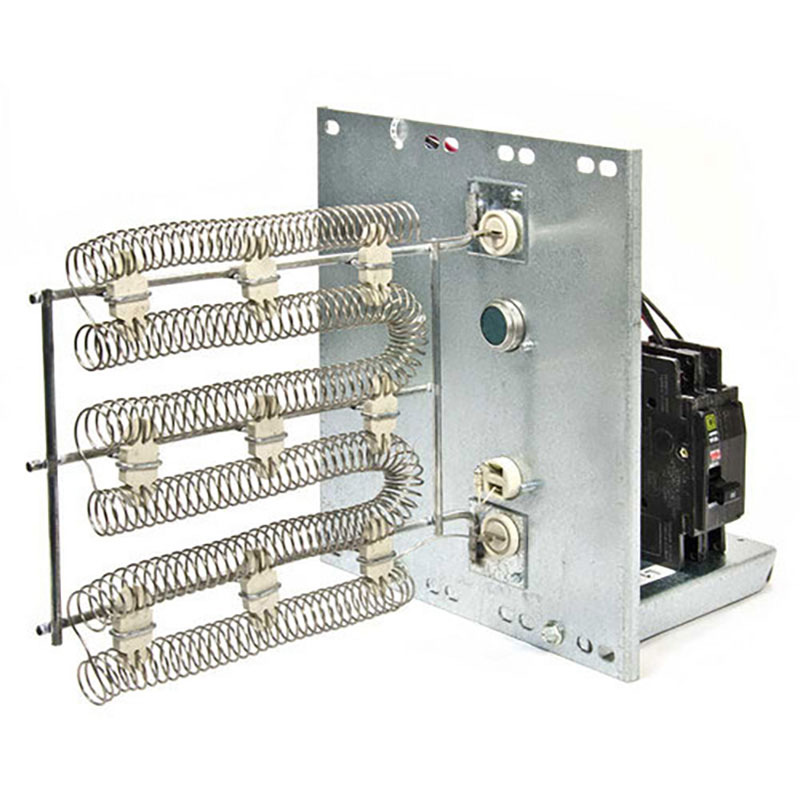
- Integrated electric heat, eliminating the need for a separate gas furnace or gas line
- Single-stage compressor operation for straightforward, lower-cost mechanical design
- Factory-tested before shipping as part of Goodman's standard production process
About this system
The Goodman 3.5-ton 13.5 SEER2 air conditioner with electric heat is a straightforward, single-stage cooling and heating package aimed at homeowners who need reliable climate control without the price premium of top-tier brands. At 3.5 tons it is sized for homes roughly in the 1,600 to 2,200 square foot range, depending on local climate, insulation, and ceiling height. The 13.5 SEER2 rating sits right at the current federal minimum efficiency threshold for most U.S. regions, meaning it meets code but does not go beyond it. If your utility rates are moderate and your priority is keeping upfront cost down, that trade-off is often a reasonable one.
The switch to R-32 refrigerant is a meaningful spec upgrade. R-32 has a global warming potential roughly 68 percent lower than the R-410A it replaces, and it operates at slightly higher efficiency under real-world conditions. It is also becoming the industry standard going forward, so finding service technicians familiar with it will only get easier over time. The electric heat component keeps the system self-contained without a gas line, which suits all-electric homes, condos, and properties where running a gas connection is cost-prohibitive. Single-stage operation means the compressor runs at full capacity or not at all, which is less precise for humidity control on mild days than a variable-speed system but is simpler mechanically and less expensive to service.
This system is a competent, budget-conscious choice for homeowners who want a functional, code-compliant air conditioner and electric heat source without paying a Carrier or Trane premium. The 13.5 SEER2 rating is the floor, not the ceiling, and long-term ownership costs depend heavily on install quality and whether you budget for a capacitor replacement somewhere around years five through nine. It is a fair deal if you go in with realistic expectations.
Overall score is the average of the five ratings above.
What we like
- Priced roughly 15 to 25 percent below comparable Carrier, Trane, and Lennox systems, reducing upfront cost meaningfully
- R-32 refrigerant is more environmentally responsible and increasingly well-supported by technicians
- All-electric heating integration suits homes without gas service or those pursuing full electrification
- Single-stage design is mechanically simpler, keeping routine service calls relatively affordable
- Widely available through HVAC distributors, so parts and contractor familiarity are not hard to find
Trade-offs
- 13.5 SEER2 is the lowest efficiency tier available, meaning higher monthly operating costs than 16+ SEER2 alternatives over a 10-plus year lifespan
- Dual-run capacitor failures are the most commonly reported issue, typically occurring after several years and costing $300 to $600 per incident
- Compressor lifespan averages 10 to 14 years based on owner reports, shorter than the 15 to 20 years seen in premium brands
- A minority of owners report refrigerant leaks within the first year, usually tied to installation quality rather than a manufacturing defect
What homeowners and pros say about Goodman
Homeowners who purchase Goodman systems tend to split into two camps fairly quickly. Those who had a skilled installer and scheduled regular maintenance often report years of uneventful service and point to the lower purchase price as a genuine win. Those who run into trouble most often cite repair costs climbing after roughly year seven, a pattern reflected in Goodman’s ConsumerAffairs rating of about 2.5 out of 5, a channel that skews toward frustrated owners but still points to a real pattern of mid-life maintenance expense. Google dealer reviews paint a somewhat more balanced picture, averaging around 3.8 out of 5 across multiple locations, where affordability is the single most common reason buyers say they would purchase again.
HVAC technicians who work on Goodman equipment regularly will tell you the dual-run capacitor is the component to watch on any Goodman system, including this one. It is the most commonly reported failure point and usually a low-cost fix in the $300 to $600 range, but it does mean this system is not quite as set-and-forget as premium alternatives. Evaporator coil leaks show up in a meaningful share of owner reviews as a more costly mid-life repair. Compressor longevity averages 10 to 14 years based on real-world reports, which is a genuine trade-off against the 15 to 20 years owners of Trane or Carrier equipment more commonly report. For this specific R-32 system, the refrigerant upgrade is a legitimate positive that aligns with where the industry is heading, and it does not change the fundamental value calculation: buy Goodman if the upfront savings matter more than the longest possible equipment horizon, and invest in a good installer either way.
Sources: ConsumerAffairs Goodman owner reviews, AHRI Directory of Certified Product Performance, U.S. DOE appliance and equipment efficiency standards, Goodman product specification sheets.
What it costs to run
At 13.5 SEER2, cooling this 3.5-ton system for a typical 1200-hour cooling season at the U.S. average electricity rate of $0.17/kWh works out to roughly $635 per year in cooling, about $4 less per year than a minimum-efficiency 13.4 SEER2 unit of the same size. Your real cost depends on your climate and local rate.
Method: (42,000 BTU/hr ÷ 13.5 SEER2) × 1200 hours ÷ 1000 × $0.17/kWh. Rate source: U.S. EIA average; cooling hours: moderate-climate estimate.
How it compares
| Brand | Comparable model | SEER2 | Stage | Price position |
|---|---|---|---|---|
| Goodman | 3.5 Ton 13.5 SEER2 R-32 with Electric Heat | 13.5 | Single-stage | Value pick |
| Carrier | Comfort 14 Series (24ACC4) | 14+ | Single-stage | Typically 15 to 25 percent more than Goodman |
| Trane | XR14 Series | 14+ | Single-stage | Typically 15 to 25 percent more than Goodman |
| Lennox | Merit 14ACX Series | 14+ | Single-stage | Typically 15 to 25 percent more than Goodman |
Competitor rows are comparable single-stage units at similar efficiency; price is relative position, not a quote.
Questions about this system
Is 13.5 SEER2 going to cost me significantly more to run than a higher-efficiency unit?
Yes, compared to a 16 or 18 SEER2 system the difference in annual energy costs can add up, especially in climates with long cooling seasons. For a 3.5-ton unit running several months a year, the gap between 13.5 and 16 SEER2 can represent hundreds of dollars annually depending on your utility rate. Over a 12-year lifespan the cumulative difference may offset a good portion of what you saved upfront.
What does switching to R-32 refrigerant mean for maintenance and service calls?
R-32 requires technicians to hold the same EPA 608 certification they already carry, but it does call for specific handling procedures because it is mildly flammable. Most established HVAC contractors are already equipped for it. On a practical level, service calls for a refrigerant recharge or leak repair should not be harder to schedule than they were with R-410A systems.
How likely is a capacitor failure, and what does it typically cost to fix?
Dual-run capacitor failure is the most commonly reported repair for Goodman systems, and it is not unique to Goodman. It tends to show up after several years of service. The part is inexpensive and the labor is straightforward, with most owners reporting repair costs in the $300 to $600 range. Keeping a service contract or scheduling annual tune-ups can catch a weakening capacitor before it causes a full system shutdown.
Does the electric heat in this system work as a primary heat source, or is it supplemental?
The electric heat in this configuration functions as a primary heat source, not a backup strip. It is suitable for all-electric homes where no gas furnace is present. Keep in mind that electric resistance heat is less efficient than a heat pump setup, so in climates with cold winters the operating cost for heating can be noticeably higher than a heat pump alternative would produce.
How important is the installer when it comes to how long this system lasts?
Critically important. HVAC technicians consistently identify install quality as the single largest factor in Goodman system longevity. Proper refrigerant charge, correct duct sizing, and a clean electrical connection directly affect both efficiency and component life. A minority of reported first-year refrigerant leaks trace back to installation errors rather than equipment defects, so choosing a licensed, experienced contractor matters as much as the equipment itself.
Specifications
| Cooling capacity | 3.5 Ton |
| Efficiency | 13.5 SEER2 |
| Refrigerant | R-32 |