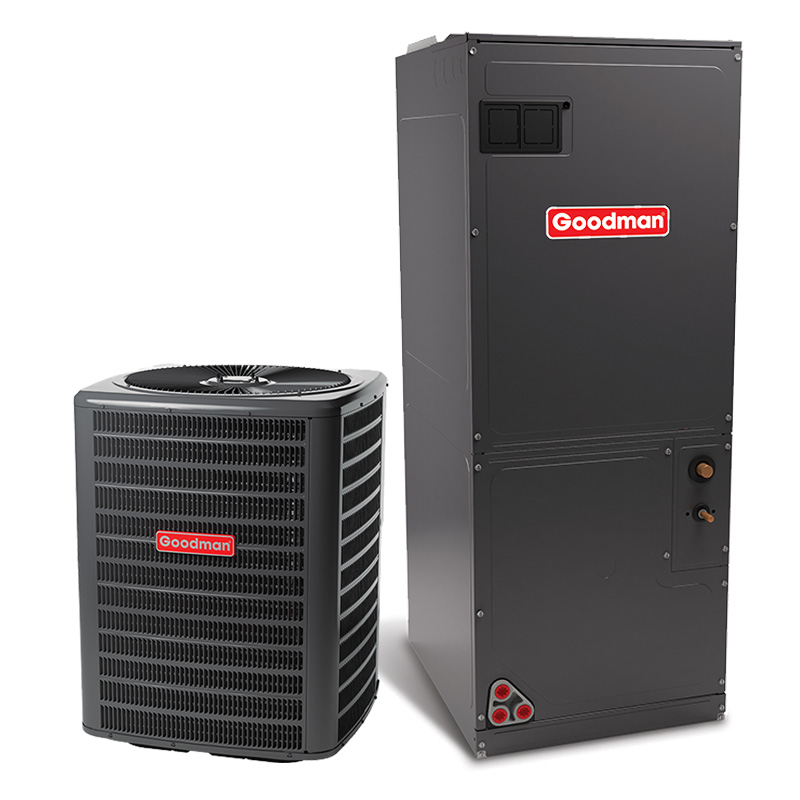
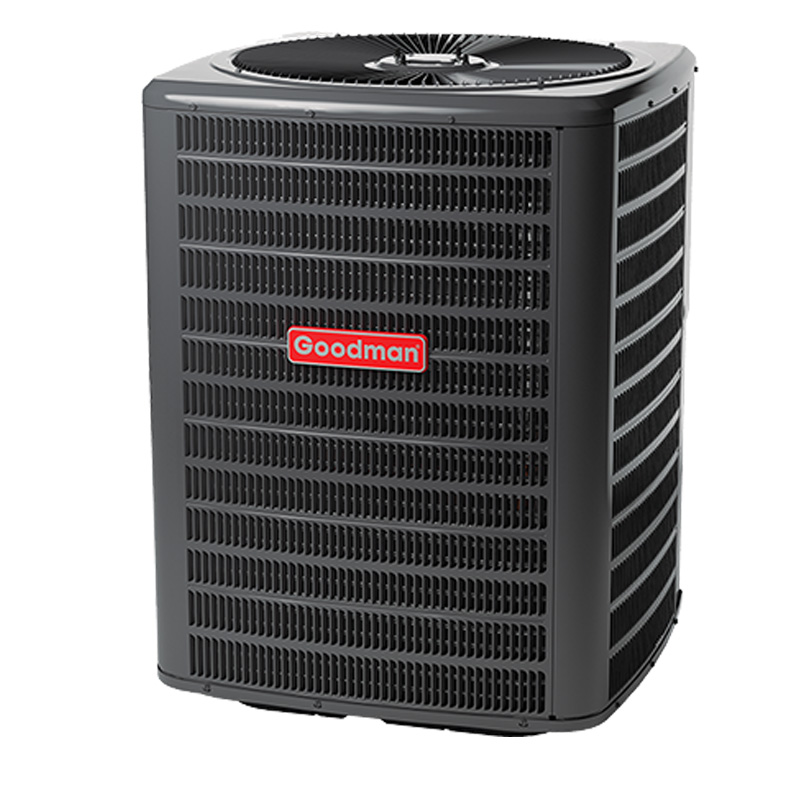
Goodman 3.5 Ton 13.5 SEER2 R32 Cooling Only System
View on AC Direct see your lowest price →Check current price on AC Direct →
Key features
- 3.5-ton capacity suited to mid-size homes roughly 1,600 to 2,100 sq ft depending on load
- 13.5 SEER2 efficiency rating meets and marginally exceeds current federal minimums
- R-32 refrigerant with lower global warming potential than outgoing R-410A
- Single-stage cooling operation with straightforward on/off compressor cycling
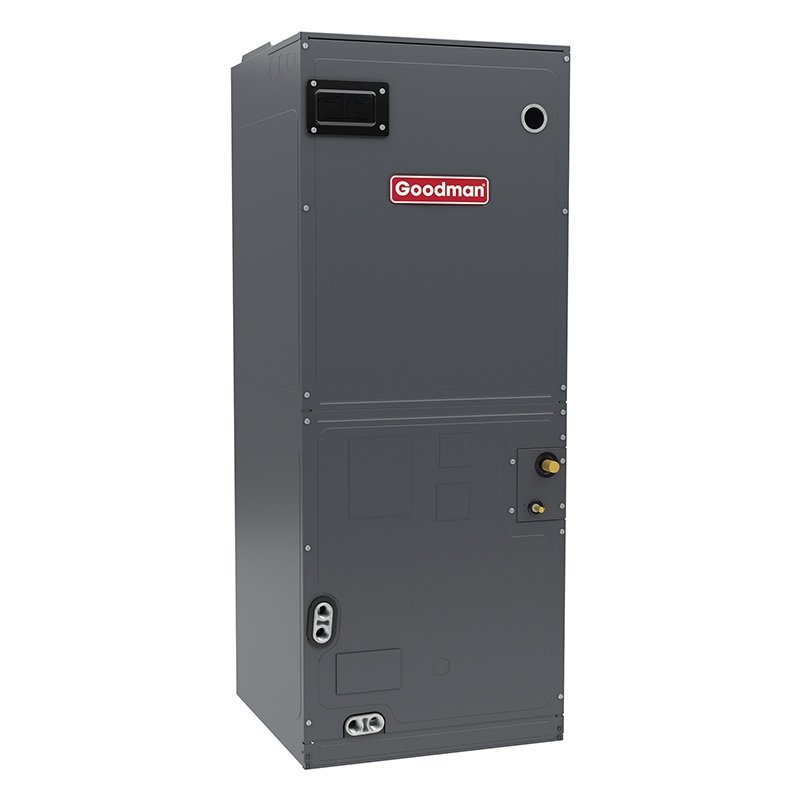
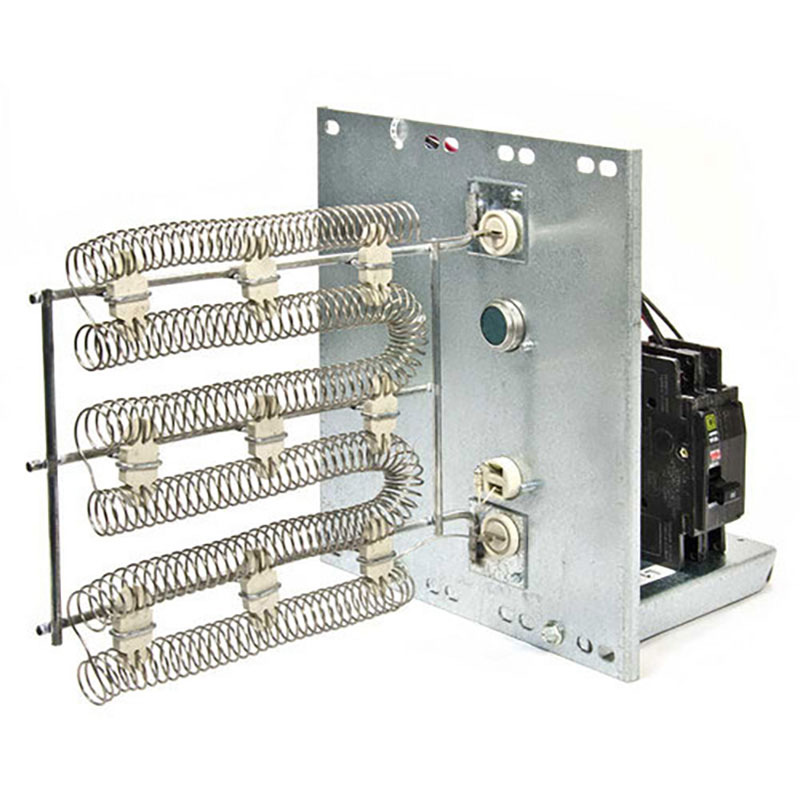
- Cooling-only configuration designed to pair with a separate furnace or air handler
- Goodman factory warranty coverage on covered components (register unit to activate full terms)
About this system
The Goodman 3.5-ton 13.5 SEER2 cooling-only system is a straightforward single-stage air conditioner built for homes that need reliable summertime cooling without the premium price tag of top-tier brands. At 3.5 tons it covers roughly 1,600 to 2,100 square feet depending on insulation, ceiling height, and local climate, making it a practical fit for mid-size homes in moderate to hot regions. The 13.5 SEER2 rating sits just above the current federal minimum for most of the country, meaning operating costs are reasonable but not class-leading if you are coming from an older 8 to 10 SEER system you will still see a meaningful drop in your electricity bill.
One of the more notable spec choices here is R-32 refrigerant, which replaces the older R-410A found in most legacy Goodman equipment. R-32 has a lower global warming potential, better thermodynamic efficiency, and is becoming the industry standard as manufacturers phase out R-410A ahead of upcoming regulations. On the practical side, R-32 systems require technicians who are familiar with its slightly higher operating pressures, so confirming your installer has experience with it is worth the extra conversation before signing a contract. This is a cooling-only configuration, so it pairs with an existing gas furnace or air handler rather than functioning as part of a heat pump setup.
The Goodman 3.5-ton 13.5 SEER2 R-32 system earns its place as a budget-conscious entry point for homeowners who want reliable cooling without spending premium-brand money. Efficiency is honest but modest, and long-term dependability hinges significantly on install quality and how proactive you are about annual maintenance. It is a fair deal going in, provided you understand the trade-offs around mid-life repair likelihood and compressor longevity compared to pricier alternatives.
Overall score is the average of the five ratings above.
What we like
- Priced 15 to 25 percent below comparable Carrier, Trane, and Lennox equipment, reducing upfront cost
- R-32 refrigerant is forward-looking as R-410A phases out under current EPA timelines
- Capacitor failures, the most common documented issue, are typically a low-cost 300 to 600 dollar repair
- Wide dealer network means parts and service are broadly available across most markets
- 13.5 SEER2 delivers a real efficiency improvement over aging 8 to 10 SEER legacy systems
Trade-offs
- Compressor lifespan averages 10 to 14 years versus 15 to 20 years seen with premium brands
- Evaporator coil leaks appear in a meaningful share of owner reports, a potential mid-life expense
- A minority of owners report refrigerant leaks in year one, typically tied to install or initial charge quality
- Single-stage operation cycles on at full capacity every time, which can mean less precise humidity control than two-stage or variable-speed systems
What homeowners and pros say about Goodman
Homeowners who have lived with Goodman equipment tend to split into two camps, and the dividing line is often install quality. On ConsumerAffairs, Goodman scores around 2.5 out of 5, a channel that skews toward people motivated to write by a frustrating experience. The recurring theme there is repair costs climbing after roughly year seven, with capacitor failures and evaporator coil leaks appearing most frequently in complaints. Google dealer reviews tell a somewhat different story, averaging around 3.8 out of 5 across hundreds of reviews per location, where affordability is the praise most often mentioned. Neither number should be dismissed; together they suggest a brand that delivers on price but requires more owner attention over time than premium alternatives.
HVAC technicians are generally candid about where Goodman lands in the market. They routinely point to dual-run capacitor failure as the most predictable service call, usually a straightforward 300 to 600 dollar fix but one that comes up more often than on higher-end equipment. More consequential are evaporator coil leaks, which surface in a meaningful share of longer-term owner accounts and carry higher repair costs. Compressor longevity is another honest conversation: Goodman compressors average roughly 10 to 14 years in real-world use, compared to 15 to 20 years that premium brands more commonly achieve. Technicians also note that R-32 is newer territory for some shops, so confirming your installer is current on A2L handling procedures is a reasonable step before the job begins on this specific system.
Sources: ConsumerAffairs Goodman owner reviews, AHRI Directory of Certified Product Performance, U.S. DOE appliance and equipment efficiency standards, Goodman product specification sheets.
What it costs to run
At 13.5 SEER2, cooling this 3.5-ton system for a typical 1200-hour cooling season at the U.S. average electricity rate of $0.17/kWh works out to roughly $635 per year in cooling, about $4 less per year than a minimum-efficiency 13.4 SEER2 unit of the same size. Your real cost depends on your climate and local rate.
Method: (42,000 BTU/hr ÷ 13.5 SEER2) × 1200 hours ÷ 1000 × $0.17/kWh. Rate source: U.S. EIA average; cooling hours: moderate-climate estimate.
How it compares
| Brand | Comparable model | SEER2 | Stage | Price position |
|---|---|---|---|---|
| Goodman | 3.5 Ton 13.5 SEER2 R-32 Cooling Only | 13.5 | Single-stage | Value pick |
| Carrier | Comfort Series (24ACC6) | 13.4 to 14.0 | Single-stage | Typically 15 to 25 percent more than Goodman |
| Trane | XR14c | 14.0 | Single-stage | Typically 15 to 25 percent more than Goodman |
| Lennox | Merit Series ML14XC1 | 13.5 to 14.0 | Single-stage | Typically 15 to 25 percent more than Goodman |
Competitor rows are comparable single-stage units at similar efficiency; price is relative position, not a quote.
Questions about this system
Does my installer need special certification to work with R-32 refrigerant?
R-32 is an A2L refrigerant, meaning it is mildly flammable and requires technicians to use tools and procedures rated for A2L handling. EPA Section 608 certification is still required, and you should confirm your contractor has hands-on R-32 experience before booking, since not every shop has updated its equipment yet.
What is the most likely repair I will face in the first ten years with this system?
Based on documented owner experience, dual-run capacitor failure is the most commonly reported issue with Goodman equipment. It is typically a quick fix running 300 to 600 dollars in parts and labor. Evaporator coil leaks are a secondary concern that tends to surface later in the ownership cycle and can cost considerably more.
Will 3.5 tons be enough for my home?
Tonnage should always be confirmed with a Manual J load calculation done by your installer, not a rough square-footage rule of thumb. Oversizing causes short-cycling and poor humidity control; undersizing leaves the system running constantly. Ask your contractor to perform the calculation before finalizing equipment size.
How does 13.5 SEER2 affect my monthly electricity bill compared to my old system?
If you are replacing a system from the 1990s or early 2000s rated around 8 to 10 SEER, you can expect a noticeable reduction in cooling costs. However, 13.5 SEER2 is near the low end of currently available efficiency, so homeowners in hot climates who run AC for six or more months a year may find that the savings from stepping up to a 16 or 18 SEER2 unit pay back the price difference over time.
Does Goodman's warranty require professional installation and registration?
Yes. Goodman's full parts warranty is contingent on installation by a licensed HVAC contractor and timely unit registration after install. Failing to register typically reduces coverage to a shorter base period, so registering the unit promptly after installation is important to protect the warranty benefit.
Specifications
| Cooling capacity | 3.5 Ton |
| Efficiency | 13.5 SEER2 |
| Refrigerant | R-32 |